

&imwidth=800&imheight=600&format=webp&quality=medium "Trump administration imposes new sanctions on Iran's security chief Ali Larijani, senior IRGC officials")
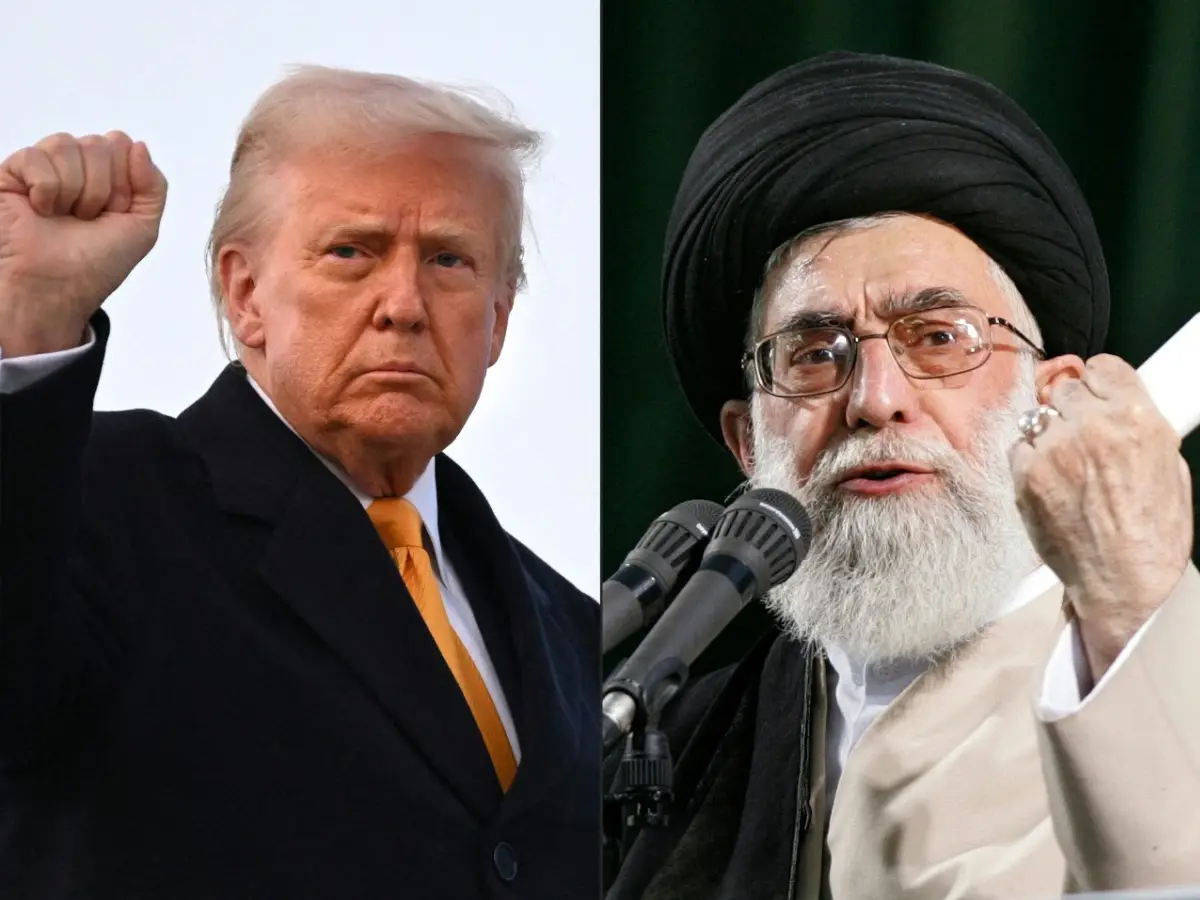
The United States has imposed a new round of sanctions targeting senior Iranian security figures, accusing them of orchestrating a harsh response to nationwide protests. Among those sanctioned is Ali Larijani, head of Iran’s Supreme Council for National Security, whom Washington identified as a key decision-maker behind the use of force against demonstrators. US Treasury Secretary Scott Bessent announced the measures, saying they were aimed at officials who authorised or directed violence against civilians.
He said the sanctions were imposed under the direction of President Donald Trump and stressed Washington’s alignment with Iranians seeking political freedoms and accountability. Bessent said the United States supports the Iranian population’s pursuit of justice and condemned what he described as systematic repression by Tehran’s leadership. The Treasury Department’s Office of Foreign Assets Control (OFAC) said Larijani was one of the earliest high-ranking officials to publicly endorse a forceful crackdown after protests spread across Iran in December. US officials allege he played a coordinating role in shaping the state’s security response, acting on behalf of Iran’s top leadership. The sanctions also extend to senior figures within Iran’s security and paramilitary apparatus, including commanders associated with the Islamic Revolutionary Guard Corps (IRGC) and domestic law enforcement agencies.
US authorities accused these units of using live ammunition and carrying out violent operations to suppress demonstrations. Among those designated are Mohammad Reza Hashemifar, a senior police commander in Lorestan province, and Nematollah Bagheri, the IRGC commander for the same region. According to the Treasury, forces under their authority were implicated in killings and intimidation during the unrest.
Additional sanctions were imposed on Azizollah Maleki and Yadollah Buali, senior security officials in Fars province. US officials allege they oversaw the violent suppression of protests and applied pressure on the families of those killed during the demonstrations. Beyond security officials, OFAC also targeted individuals and organizations tied to what it described as Iran’s covert financial networks. The Treasury said these networks were used to funnel revenue from oil and petrochemical exports through sanctioned banks, including Bank Melli and Shahr Bank. US officials allege the funds were diverted to support domestic repression and overseas activities instead of easing Iran’s deepening economic hardships, including inflation and declining living standards.
Trending Stories
&imwidth=180&imheight=135&format=webp&quality=medium)
Viral video shows cross falling on Colombia priest, no official confirmation | WATCH
&imwidth=180&imheight=135&format=webp&quality=medium)
Shikhar Mohan earns maiden India A call-up, replaces KL Rahul
&imwidth=180&imheight=135&format=webp&quality=medium)
AI slop or smart strategy? South African author Coral Hart defends Her 370 AI- assisted books in 20 months
&imwidth=180&imheight=135&format=webp&quality=medium)
Two BrahMos missiles on Tejas, triple the range and 100% indigenisation, says former BrahMos CEO
&imwidth=180&imheight=135&format=webp&quality=medium)
India-China face-off continues near Arunachal’s Taksing, reveals ITBP chief in first official confirmation of tensions
&imwidth=180&imheight=135&format=webp&quality=medium)
Ilhan Omar breaks silence over alleged marriage to her brother; Trump thinks it's 'really good answer'
&imwidth=180&imheight=135&format=webp&quality=medium)
WATCH: Trump demands Ilhan Omar removal from Congress for 'using fake name to be sworn in'. So what is her real name?
&imwidth=180&imheight=135&format=webp&quality=medium)
Netanyahu dials PM Modi, invites him and Capt Smit Machchhar to light torch on Israel’s Independence Day
&imwidth=180&imheight=135&format=webp&quality=medium)
Christa Pike's failed execution: Tennessee team struggled to insert IV lines, lawyer says
&imwidth=180&imheight=135&format=webp&quality=medium)
Did Neha Bora call for Bangladesh-like GenZ protest, 'anarchy' in India? WION Fact-checks viral claim
&imwidth=180&imheight=135&format=webp&quality=medium)
US midterms 2026: US Supreme Court allows New Hampshire to restrict student IDs for voting
&imwidth=180&imheight=135&format=webp&quality=medium)
A secret code, a midnight escape and 300 deaths: The Russian officer who turned on Putin
&imwidth=180&imheight=135&format=webp&quality=medium)
'Completely insane, never happened': Trump's son-in-law denies allegations of secret dealings with Saudi, UAE
&imwidth=180&imheight=135&format=webp&quality=medium)
Trump ordered to answer questions under oath in BBC defamation lawsuit by December 11
&imwidth=180&imheight=135&format=webp&quality=medium)
Putin says Russia is ready to resume Ukraine-US peace talks but rejects 'short ceasefire' amid deadly attacks
&imwidth=180&imheight=135&format=webp&quality=medium)
Horrific video shows the moment 18-year-old fell to her death from Mexico amusement park ride
&imwidth=180&imheight=135&format=webp&quality=medium)
From Agni-V to Project Kusha: How are India’s indigenous missile systems and defence shield reshaping modern warfare
&imwidth=180&imheight=135&format=webp&quality=medium)
'It's a crime not to see this scene': Tehran puts Trump 'behind bars'
&imwidth=180&imheight=135&format=webp&quality=medium)
Meghan Markle’s father Thomas under investigation over alleged child abuse images: Report
&imwidth=180&imheight=135&format=webp&quality=medium)
US midterms 2026: Viral video claims Lindsey Graham paid underage men for sex; clip released weeks before his sister's Senate race
&imwidth=180&imheight=135&format=webp&quality=medium)
SA vs AUS 2nd Test: Temba Bavuma reveals 'Tendulkar inspiration' behind career-best 179
&imwidth=180&imheight=135&format=webp&quality=medium)
China's dancing robot turns violent bodyguard, lifts cars and fights intruders - Watch
&imwidth=180&imheight=135&format=webp&quality=medium)
Watch: India rejects ‘imprecise and unsupported’ references in UN migrant rights report
&imwidth=180&imheight=135&format=webp&quality=medium)
US to get 850 F-35 stealth fighter jets under 10-year Pentagon-Lockheed deal
&imwidth=180&imheight=135&format=webp&quality=medium)
GRAVITAS | Putin fires nuclear-capable hypersonic missiles, Zelensky ready to surrender 25% territory
&im=FitAndFill=(700,400)&imwidth=180&imheight=135&format=webp&quality=medium)
New Friday OTT releases (October 23, 2026): Gajab Raat, Dorothy, Chaar Yaar- Watch these 6 new movies and TV shows on Netflix, Prime Video and more
&im=FitAndFill=(700,400)&imwidth=180&imheight=135&format=webp&quality=medium)
Serbia elections: Nearly 150,000 people take to streets in massive rally against Aleksandar Vucic | In pics
&imwidth=180&imheight=135&format=webp&quality=medium)
BCCI’s CoE cautious over Hardik Pandya’s fitness, sets expected comeback timeline
&imwidth=180&imheight=135&format=webp&quality=medium)
'This is despicable': Amy Acton hits back at Vivek Ramaswamy over Ohio campaign ad featuring her estranged mother
&imwidth=180&imheight=135&format=webp&quality=medium)
First Lady Melania Trump secures ceasefire between Russia, Ukraine in Oleshky: White House
&imwidth=180&imheight=135&format=webp&quality=medium)
Finance influencer dies by suicide in Chennai; father accuses tech CEO, who denies charge
&imwidth=180&imheight=135&format=webp&quality=medium)
'Vivek should keep it up': Trump defends Ramaswamy's controversial campaign ad targeting Amy Acton
&imwidth=180&imheight=135&format=webp&quality=medium)
One man, 8 months of work, and a river dirty again: Why Bittu Tabahi may quit
&imwidth=180&imheight=135&format=webp&quality=medium)
450 villagers in UP rush to take anti-rabies shots after consuming 'charnamrit'
&imwidth=180&imheight=135&format=webp&quality=medium)
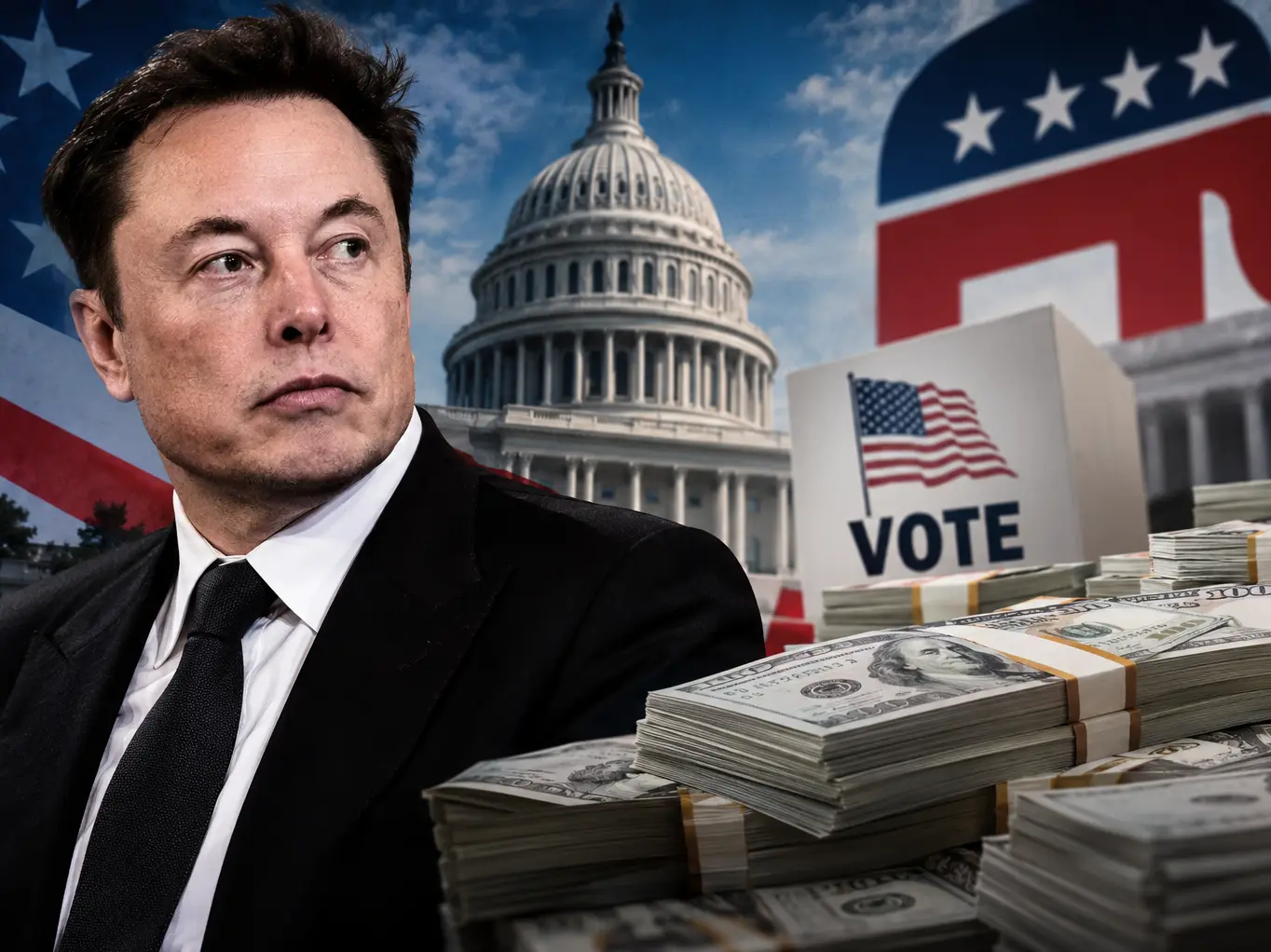
US midterms 2026: Elon Musk’s political spending hits $445 million as Republicans battle to retain Senate control
&imwidth=180&imheight=135&format=webp&quality=medium)
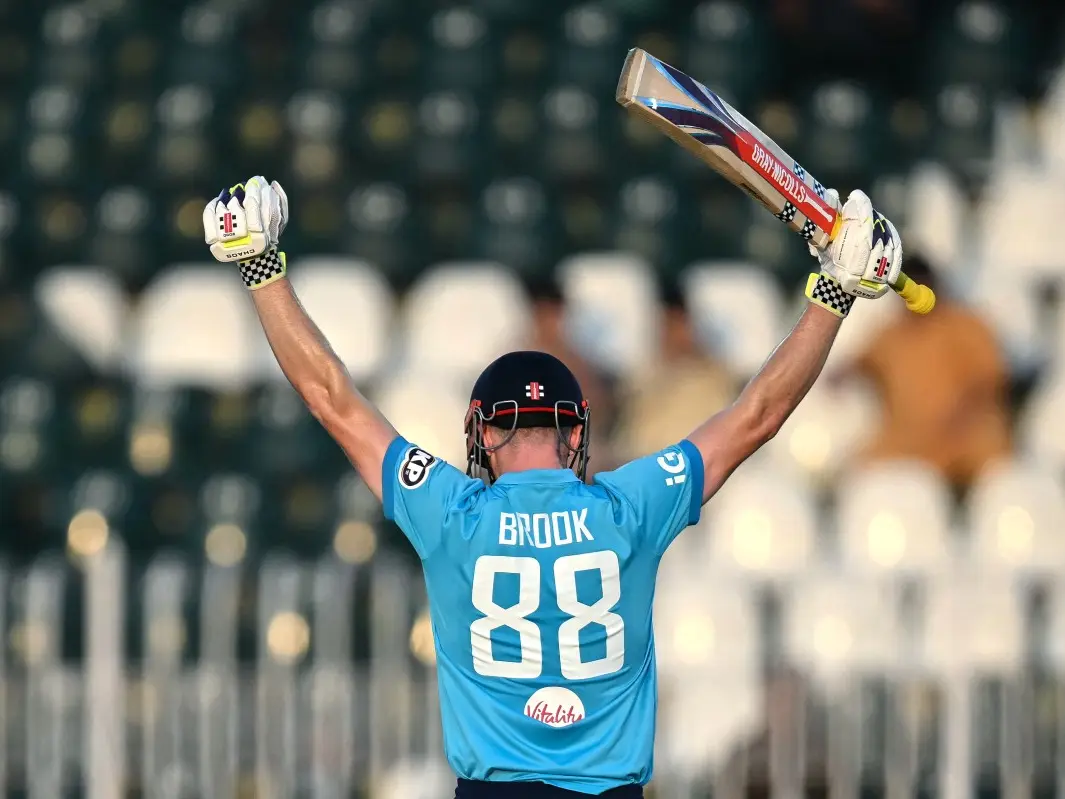
ENG vs SL: Harry Brook breaks Shubman Gill’s record for fastest ODI double century
&imwidth=180&imheight=135&format=webp&quality=medium)
Jenna Ortega plans TV break after Wednesday: ‘I want to leave time for new things’
G7 countries concerned over Iran's crackdown on protests
Foreign ministers from the G7 countries — Canada, France, Germany, Italy, Japan, the United Kingdom, and the United States, along with the EU’s top foreign policy official, have expressed serious concern over Iran’s response to ongoing protests. In a joint declaration released on Thursday (January 15) on the European Union’s website, the group said it was deeply troubled by reports of widespread deaths and injuries linked to the demonstrations. The ministers accused Iranian security forces of intentionally using violence against civilians and condemned what they described as an escalating and ruthless crackdown on dissent.
The statement warned that G7 countries are ready to introduce further punitive measures if Iranian authorities continue violating international human rights standards by suppressing protests. European Commission President Ursula von der Leyen echoed those concerns, calling the situation in Iran morally shocking. Speaking in Limassol, Cyprus, she described the killing of young protesters as a profound human tragedy.

