

&imwidth=800&imheight=600&format=webp&quality=medium "Will eggs get more expensive this winter? Ethanol push puts maize supply under pressure")
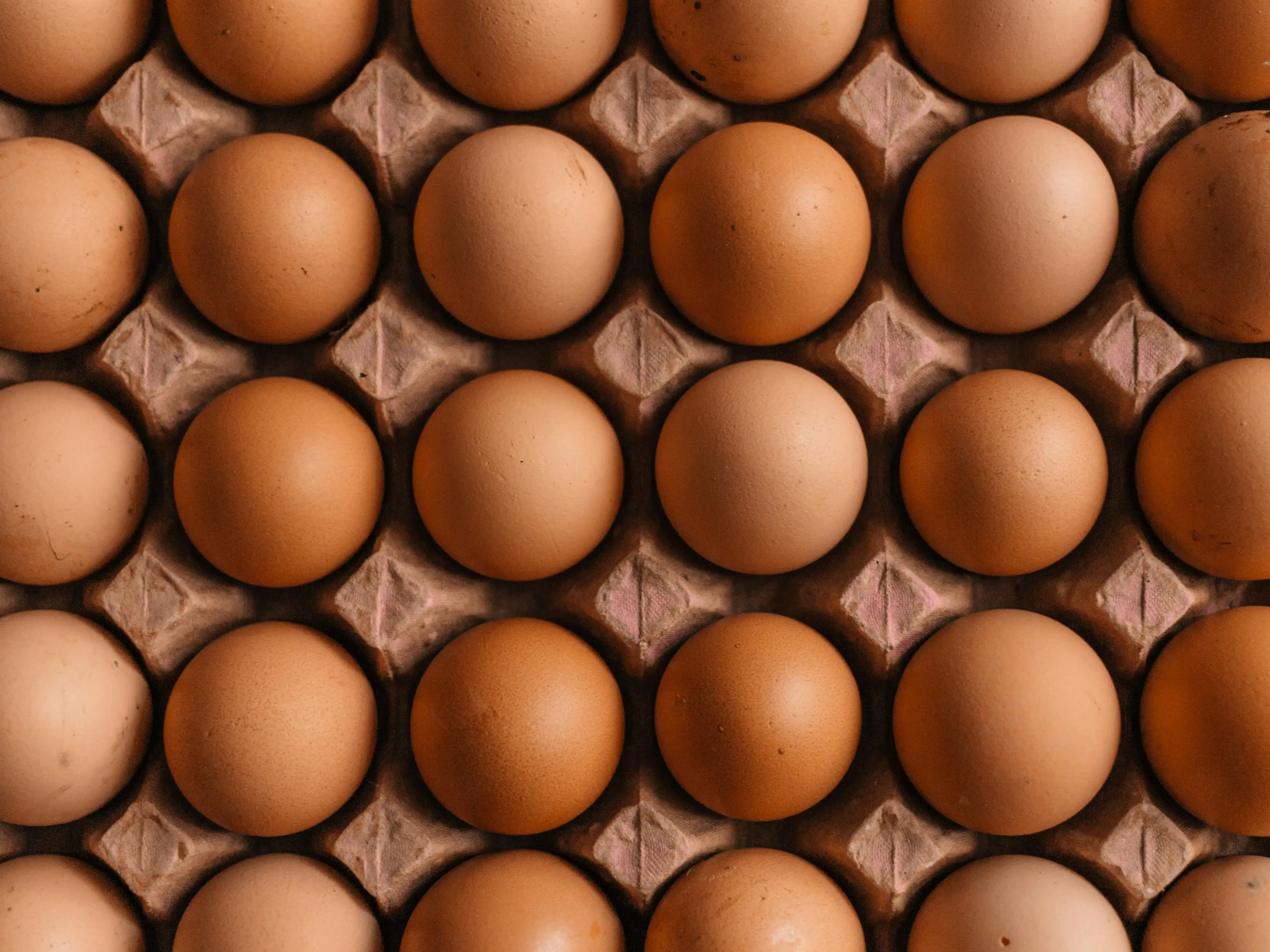
Eggs, long considered one of India's most affordable sources of protein, are becoming increasingly expensive. Prices have risen by around 35–40% over the past year, with farm-level prices at about Rs 7 per egg and retail prices varying significantly across markets. Recent reports have also highlighted much higher prices on some online delivery platforms. The increase comes at a crucial time for the poultry industry. Egg demand generally strengthens during the winter months, raising concerns that prices could face further upward pressure if feed costs remain high. At the centre of the issue is maize, one of the most important ingredients used in poultry feed.
Why maize matters for egg prices
Maize is a major source of energy in poultry diets. As more maize is diverted towards ethanol production under India's Ethanol Blended Petrol (EBP) programme, poultry producers are facing increased competition for the crop. In simple terms, maize that could have gone into poultry feed is increasingly being used by ethanol producers. That does not mean ethanol production is solely responsible for the egg-price increase. However, the additional demand has tightened the balance between supply and competing uses of maize, contributing to higher feed costs. Recent industry reports have specifically linked rising maize prices with increasing poultry-feed costs.
How much maize is going towards ethanol?
Government data illustrates how dramatically the use of maize for ethanol has expanded. According to a 2025 Lok Sabha reply by Minister of State for Consumer Affairs, Food and Public Distribution Nimuben Jayantibhai Bambhaniya, 125.75 lakh metric tonnes of maize were utilised for ethanol production during Ethanol Supply Year (ESY) 2024–25. Maize-based distilleries had been allocated around 477.8 crore litres of ethanol during the same supply year.
The increase has been particularly sharp. Maize use for ethanol rose from around 8.3 lakh tonnes to 125.75 lakh tonnes in two years, representing an increase of more than 15 times. An allocation of roughly 125.78 lakh tonnes has also been cited for ESY 2025–26, although actual utilisation can differ from the allocation. This expansion has changed the dynamics of India's ethanol market, with maize emerging as a major feedstock as grain-based ethanol production expands.
Trending Stories
&imwidth=180&imheight=135&format=webp&quality=medium)
Brendan Taylor overtakes Andy Flower to become Zimbabwe’s leading ODI run-scorer
&im=FitAndFill=(700,400)&imwidth=180&imheight=135&format=webp&quality=medium)
What is the real meaning behind Pete Hegseth's tattoos?
&imwidth=180&imheight=135&format=webp&quality=medium)
Kenyan cult leader found guilty over starvation deaths of nearly 200 children
&imwidth=180&imheight=135&format=webp&quality=medium)
Flying car race: Alef Aeronautics welcomes Tesla Roadster '11 years' later, but are the two models the same?
&imwidth=180&imheight=135&format=webp&quality=medium)
France is burning. Trump blames immigrants. But who is answering Europe's real questions? | The Verdict
&imwidth=180&imheight=135&format=webp&quality=medium)
Shastri backs Shami comeback; lauds Bhuvi and warns Bumrah on format workload ahead of World Cup
&imwidth=180&imheight=135&format=webp&quality=medium)
Netanyahu rival Benny Gantz quits Israel election race, vows to push for unity government
&imwidth=180&imheight=135&format=webp&quality=medium)
US Midterm 2026: What do opinion polls and prediction markets say less than two weeks before voting
&imwidth=180&imheight=135&format=webp&quality=medium)
WATCH | Albania protesters set Supreme Court on fire as anti-Rama riots escalate
&imwidth=180&imheight=135&format=webp&quality=medium)
Trump Commerce Secretary Howard Lutnick’s family fortune more than doubles to $7.3 billion, outpacing his boss
&im=FitAndFill=(700,400)&imwidth=180&imheight=135&format=webp&quality=medium)
Ghaziabad is world's fastest-growing city; Surat, Patna, Rajkot also feature on list
&imwidth=180&imheight=135&format=webp&quality=medium)
‘Spare India from anarchy’: Over 400 Indian-origin academics from MIT, Oxford condemn anti-CEC protests
&imwidth=180&imheight=135&format=webp&quality=medium)
Haunting of a New York brewery: Apparition caught on camera at 160-year-old establishment
&imwidth=180&imheight=135&format=webp&quality=medium)
Asian Para Games: Nishad Kumar clinches T47 long jump gold; Ravi Budigina bags swimming silver
&imwidth=180&imheight=135&format=webp&quality=medium)
Pakistan betrays Iran, shuts border, trade as Trump moves towards new war
&imwidth=180&imheight=135&format=webp&quality=medium)
PCB omits Atherton, Hussain from tri-series commentary panel over Imran Khan interview row
&imwidth=180&imheight=135&format=webp&quality=medium)
US Congressman Raja Krishnamoorthi describes foiled temple attack as ‘divine intervention’, criticises Vance and MAGA rhetoric
&imwidth=180&imheight=135&format=webp&quality=medium)
9/11 case: US Supreme Court rejects plea deal appeal by alleged mastermind Khalid Sheikh Mohammed
&imwidth=180&imheight=135&format=webp&quality=medium)
Girl 'dead' for 8 hours wakes up at her own funeral, dad insists she wasn't breathing
&imwidth=180&imheight=135&format=webp&quality=medium)
One dead after shooting near mosque in Columbus, Ohio. Here's what we know so far
&imwidth=180&imheight=135&format=webp&quality=medium)
Pujara says 'Samson and Vaibhav cannot be in Playing XI' for India on NZ tour
&imwidth=180&imheight=135&format=webp&quality=medium)
Watch: Trump predicts Netanyahu’s victory, says ‘You’re the man I want by my side’
&im=FitAndFill=(700,400)&imwidth=180&imheight=135&format=webp&quality=medium)
New OTT releases this week (October 19-25, 2026): Gajab Raat to Chaar Yaar-8 titles to watch during Dussehra week on Netflix, Prime Video and more
&imwidth=180&imheight=135&format=webp&quality=medium)
US business activity grows in June, but tariffs and inflation cloud outlook
&imwidth=180&imheight=135&format=webp&quality=medium)
Baby orangutan rescued in India returns to Indonesia
&imwidth=180&imheight=135&format=webp&quality=medium)
SBI may have suffered data breach as hackers claim access to 3.75 lakh customer records
&imwidth=180&imheight=135&format=webp&quality=medium)
India moves to buy 10,000 more AI chips for a national compute pool open to startups
&imwidth=180&imheight=135&format=webp&quality=medium)
'Whatever I can do to end this war': Trump floats China Summit with Putin and Xi, questions Zelensky's role in peace talks
&imwidth=180&imheight=135&format=webp&quality=medium)
WATCH | Viral video shows woman jogging past burning barricade amid Paris unrest, sparks online debate
&imwidth=180&imheight=135&format=webp&quality=medium)
'We feel like Mr India': Gujarat’s undercover SHE team guard garba nights at Navratri
&imwidth=180&imheight=135&format=webp&quality=medium)
Cattle-feed bran in biscuits, detergent in milk: FSSAI acts against 3 companies
&imwidth=180&imheight=135&format=webp&quality=medium)
'It's a joy to see the makers bring it on such a grand scale': SS Rajamouli on Ramayana
&imwidth=180&imheight=135&format=webp&quality=medium)
Priest dies after crucifix falls on his head during livestreamed Mass in Ecuador | VIDEO
&imwidth=180&imheight=135&format=webp&quality=medium)
US midterm elections 2026: Early voting picks up pace ahead of November 3 polls
How does expensive maize translate into expensive eggs?
The chain is relatively straightforward: Higher ethanol demand → greater maize demand → higher maize prices → higher poultry-feed costs → higher egg-production costs → pressure on egg prices. Maize is not the only factor involved, but it is an important one. When feed becomes more expensive, poultry farmers have to absorb some of the increase or pass it through the supply chain. If production costs rise while consumer demand remains strong, retail egg prices can move higher. This is why the current egg-price increase has attracted attention beyond the poultry industry.
Winter demand could put further pressure on prices
Seasonality is another important factor. Egg consumption generally increases during the colder months as household demand strengthens and hotels, restaurants and other institutional buyers require more supplies. If maize and other feed costs remain elevated when winter demand increases, poultry farmers could face additional cost pressure. That creates the possibility that egg prices may remain elevated or rise further during the coming months. Recent industry reports have also warned of increased pressure as winter approaches.
What does the egg-price surge mean for consumers?
For consumers, the immediate impact is straightforward: one of India's most accessible sources of high-quality protein is becoming more expensive. The concern is particularly significant for households that rely on eggs as an affordable alternative to more expensive protein sources. If maize prices remain high and winter demand strengthens, egg prices could remain under pressure. At the same time, India's growing maize production could eventually help ease the supply-demand imbalance if output expands quickly enough to meet demand from ethanol, poultry, starch and other industries.
The central issue is therefore not simply that India is producing too little maize. India is producing more maize, but it is also finding more uses for every tonne of it. That competition between food, feed and fuel is at the heart of the latest egg-price shock.

