Scientists find descendants of ancient sea creatures trapped under Antarctica's Blood Falls

&imwidth=600&imheight=450&format=webp&quality=medium "Scientists find descendants of ancient sea creatures trapped under Antarctica's Blood Falls")
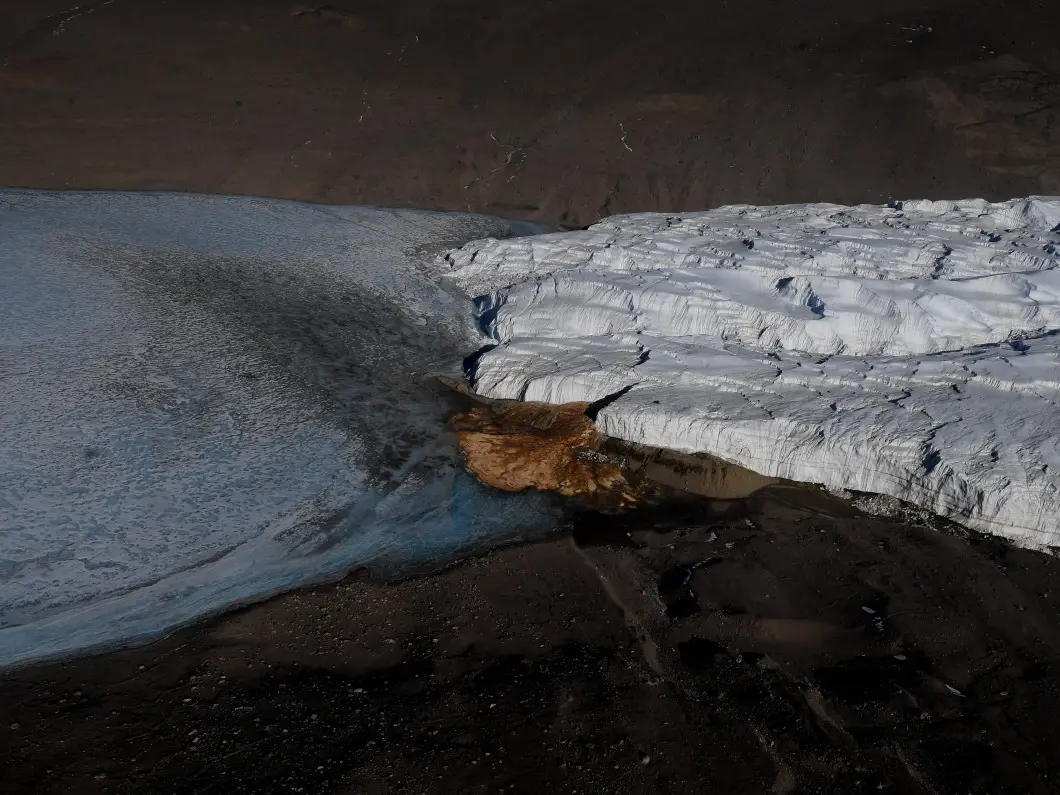
Blood Falls in Antarctica is full of microorganisms that have come from ancient sea creatures. Photograph: (AFP)
Blood Falls, the strangest occurrence in Antarctica, has revealed something peculiar about itself. Scientists have for years thought that the water in this formation is from the sea, even though it is isolated from the ocean. Now they know for sure that it is true.
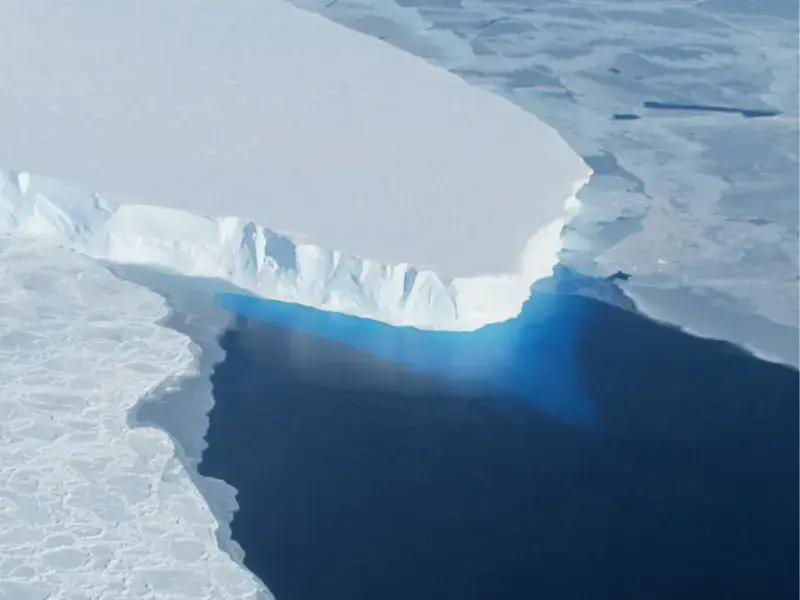
Scientists have found that the enigmatic Blood Falls in Antarctica still harbour descendants of ancient sea creatures that have been trapped beneath the glacier for hundreds of thousands of years. The eerie red water comes from the Taylor Glacier and flows into Lake Bonney. The brine emerging from beneath the ice is rich in iron and turns red upon contact with air. This gives it a unique colour that resembles blood. Under the glacier resides a unique community of microorganisms, including marine diatoms, haptophytes, dinoflagellates and ciliates.
These marine microorganisms typically live in the ocean. They became isolated when the glacier moved away and cut off the trapped seawater from the ocean. The discovery proves that the mysterious water is actually from the sea but got sealed beneath advancing ice years ago. The findings were published in the journal Nature Geoscience, in which researchers stated that "the subglacial brine–fed system at the Taylor Glacier Terminus retains marine–derived biological signatures long after physical separation from the ocean", calling it a “rare marine refuge.”
Brine water in Blood Falls came from the sea?
For years there has been speculation that the iron-rich salty water was once seawater and Taylor Valley was filled with it when the region was warm. But later, when sea levels dropped, the glacier advanced over it. This is the first time researchers have found biological proof that the water came from the sea.
Also Read: 82-million-year-old fossil reveals Antarctica was home to the largest dinosaurs to ever walk Earth
The team analysed 167 samples of water, sediment, ice and air collected from the McMurdo Dry Valleys and nearby areas of Antarctica. DNA sequencing revealed thousands of microorganisms of different kinds inhabited the Blood Falls. Species normally found in marine areas were found to be living in the red ice, mud and sediments from where the water emerges. At Blood Falls, 9.34 per cent of the microorganisms matched those found in nearby ocean samples, whereas other Antarctic Dry Valley sites shared only 1.15 per cent.
Trending Stories
)
)
)
)
)
)
&im=FitAndFill=(700,400))
)
)
&im=FitAndFill=(700,400))
)
)
)
)
)
)
)
)
)
)
&im=FitAndFill=(700,400))
&im=FitAndFill=(700,400))
)
)
)
)
)
&im=FitAndFill=(700,400))
)
&im=FitAndFill=(700,400))
)
)
)
&im=FitAndFill=(700,400))
Active life found in Blood Falls
They also discovered that many of the microorganisms are biologically active despite the hostile conditions. They are even carrying out photosynthesis, evidence shows. To survive in the freezing and salty conditions, they repair damaged cells and activate stress–response systems. Some species become dormant until the environment becomes fit for them again.
Researchers say that this discovery shows how life would have survived on Earth through major climate changes over millions of years. They are also going to be using the data to construct the history of the frozen continent.