NOAA warns of potent geomagnetic storm on Tuesday: Here’s what could happen

&imwidth=600&imheight=450&format=webp&quality=medium "NOAA warns of potent geomagnetic storm on Tuesday: Here’s what could happen")
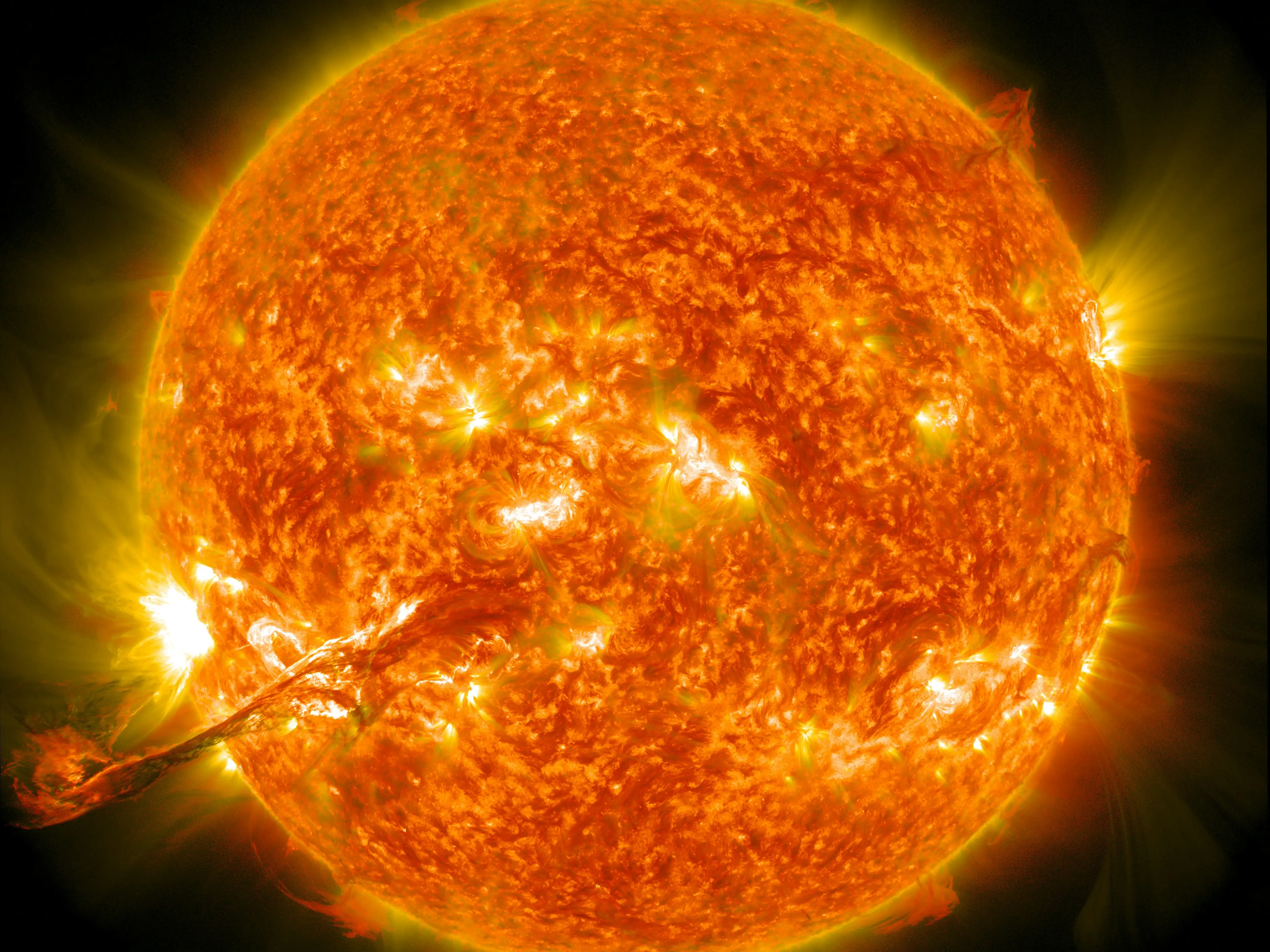
For representative purpose only Photograph: (NASA)
A strong solar eruption is expected to hit Earth on Tuesday (December 9), potentially causing tech disturbances and expanding northern lights visibility across more US regions
A major burst of solar material is on track to reach Earth soon, according to an alert from NOAA’s Space Weather Prediction Center. Forecasters say a coronal mass ejection, an enormous release of plasma and magnetic energy from the Sun’s outer layers, is expected to arrive sometime between early morning and midday Tuesday. The eruption, tied to an M8.1-class solar flare, may trigger heightened geomagnetic activity and could escalate to a G3-level storm, which ranks as “strong” on NOAA’s Space Weather Scale.
A storm of this strength can lead to minor to moderate technological disturbances, including issues with satellites, radio signals, and other communication systems. The surge in solar energy may also intensify auroras, potentially pushing the northern lights farther south than usual. NOAA notes that many northern states and portions of the lower Midwest and Pacific Northwest, including areas as far south as Oregon, could catch a rare glimpse.
What is space weather?
While we normally think of weather as atmospheric conditions like precipitation or sunshine, a different kind of weather exists beyond Earth’s atmosphere. Space weather describes the environmental conditions throughout space, largely generated by the Sun, and how those conditions influence planets, spacecraft, and the thousands of satellites circling Earth, as explained by NASA.
The Sun continually releases streams of charged particles, bursts of radiation, and periodic explosive eruptions that can disturb Earth’s magnetic environment when they arrive. Earth’s magnetic field and atmosphere block most dangerous effects, but not all solar activity is fully deflected. One of the most famous results of the solar wind interacting with Earth’s magnetic field is the creation of auroras, including the vibrant northern lights.
However, strong solar activity can also be disruptive, posing risks to technologies such as communication networks, GPS systems, satellites, and even electrical infrastructure, NOAA warns.
)
)
)
)
)
)
)
)
)
)
)
)
)
)
)
)
)
)
)
)
)
)
)
)
)
)
)
)
)
)
)
)
)
)
&im=FitAndFill=(700,400))
)
)
)
)

