No longer need cement for building: Dirt, water and waste-based material could be the future of construction

&imwidth=600&imheight=450&format=webp&quality=medium "No longer need cement for building: Dirt, water and waste-based material could be the future of construction")
Photograph: (AFP)
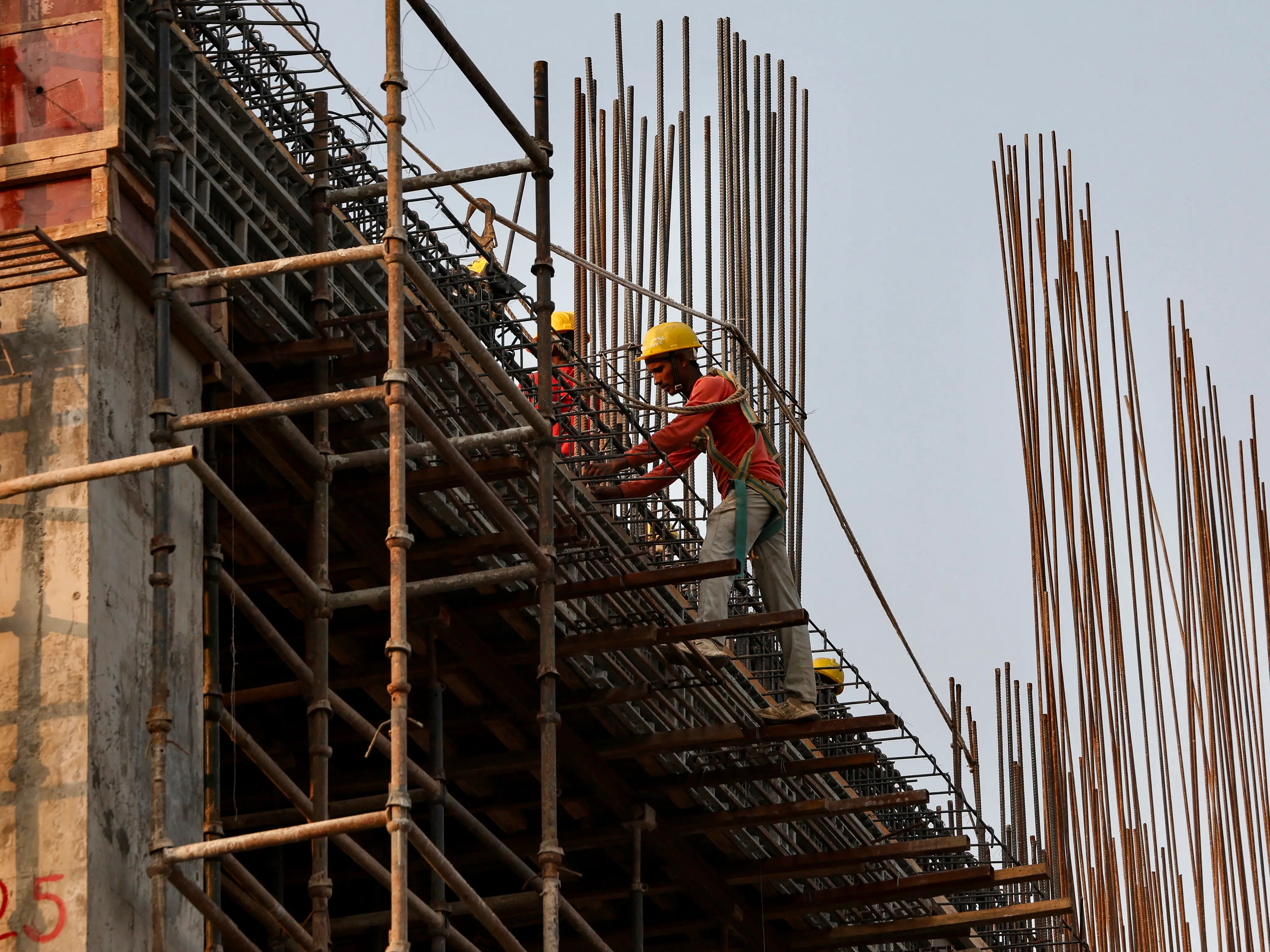
A lab in Melbourne has developed cardboard-confined rammed earth (CCRE), a composite made using only soil, water and recycled cardboard, which could potentially replace cement, the most polluting material in modern construction.
It's tough to imagine a modern construction without Cement, the material that has become the bedrock of construction due to its capacity to hold the structural integrity of modern structures and has been one of the pillars enabling rapid urbanisation. But we may no longer have to put ecology at risk by breaking mountains for the valuable material, as an engineering lab in Melbourne, Australia, came up with a building material that offers similar strength to construction but can be made by using Soil, water and recycled cardboard only.
A team from RMIT University in Australia has created a material known as cardboar-confined rammed earth (CCRE) that can potentially replace one of the most polluting elements of Modern infrastructure: Cement. It is responsible for around 8 per cent of CO2 emissions and is a key contributor to ecological destruction as a key constituent of Cement; the limestone is obtained by crushing mountains.
Cement-free construction gets modern upgrade
Researchers have reworked the ancient rammed-earth technique to create CCRE by replacing cement stabilisers with recycled cardboard tubes. These tubes act as both formwork and reinforcement, allowing soil and water to be compacted by hand or simple tools. Once dried, the structure becomes load-bearing without requiring cement, kilns or energy-intensive curing processes.
Strong, simple and low-Carbon
Lab tests published in Structures show that cardboard-reinforced soil can outperform cement-stabilised rammed earth in compressive strength, especially with tube thickness between 1 mm and 4 mm. Advanced versions using carbon fibre reinforcement achieved strength levels comparable to high-performance concrete, while maintaining a low environmental footprint.
Trending Stories
&imwidth=280&imheight=210&format=webp&quality=medium)
&im=FitAndFill=(700,400)&imwidth=280&imheight=210&format=webp&quality=medium)
&imwidth=280&imheight=210&format=webp&quality=medium)
&imwidth=280&imheight=210&format=webp&quality=medium)
&imwidth=280&imheight=210&format=webp&quality=medium)
&imwidth=280&imheight=210&format=webp&quality=medium)
&imwidth=280&imheight=210&format=webp&quality=medium)
&imwidth=280&imheight=210&format=webp&quality=medium)
&imwidth=280&imheight=210&format=webp&quality=medium)
&imwidth=280&imheight=210&format=webp&quality=medium)
&imwidth=280&imheight=210&format=webp&quality=medium)
&imwidth=280&imheight=210&format=webp&quality=medium)
&imwidth=280&imheight=210&format=webp&quality=medium)
&imwidth=280&imheight=210&format=webp&quality=medium)
&imwidth=280&imheight=210&format=webp&quality=medium)
&imwidth=280&imheight=210&format=webp&quality=medium)
&imwidth=280&imheight=210&format=webp&quality=medium)
&imwidth=280&imheight=210&format=webp&quality=medium)
&im=FitAndFill=(700,400)&imwidth=280&imheight=210&format=webp&quality=medium)
&imwidth=280&imheight=210&format=webp&quality=medium)
&imwidth=280&imheight=210&format=webp&quality=medium)
&imwidth=280&imheight=210&format=webp&quality=medium)
&imwidth=280&imheight=210&format=webp&quality=medium)
&imwidth=280&imheight=210&format=webp&quality=medium)
&imwidth=280&imheight=210&format=webp&quality=medium)
&imwidth=280&imheight=210&format=webp&quality=medium)
&imwidth=280&imheight=210&format=webp&quality=medium)
&im=FitAndFill=(700,400)&imwidth=280&imheight=210&format=webp&quality=medium)
&imwidth=280&imheight=210&format=webp&quality=medium)
&imwidth=280&imheight=210&format=webp&quality=medium)
&imwidth=280&imheight=210&format=webp&quality=medium)
Turning waste into building material
With Australia sending over 2.2 million tonnes of paper and cardboard to landfills each year, CCRE offers a way to reuse this waste in construction. Lightweight cardboard moulds can be transported easily, while soil and water are sourced locally, cutting costs and reducing dependence on industrial materials.
Designed for hot Climates and easy scaling
Like traditional rammed earth, the system provides high thermal mass, enabling passive cooling and lower energy use in hot climates. The modular design allows builders to adjust strength by changing tube thickness and soil mix, making it suitable for low-rise housing, emergency shelters and climate-resilient infrastructure.
