&imwidth=800&imheight=600&format=webp&quality=medium "Indian study by two Delhi hospitals finds music quietens stress, cuts drug use in surgery")
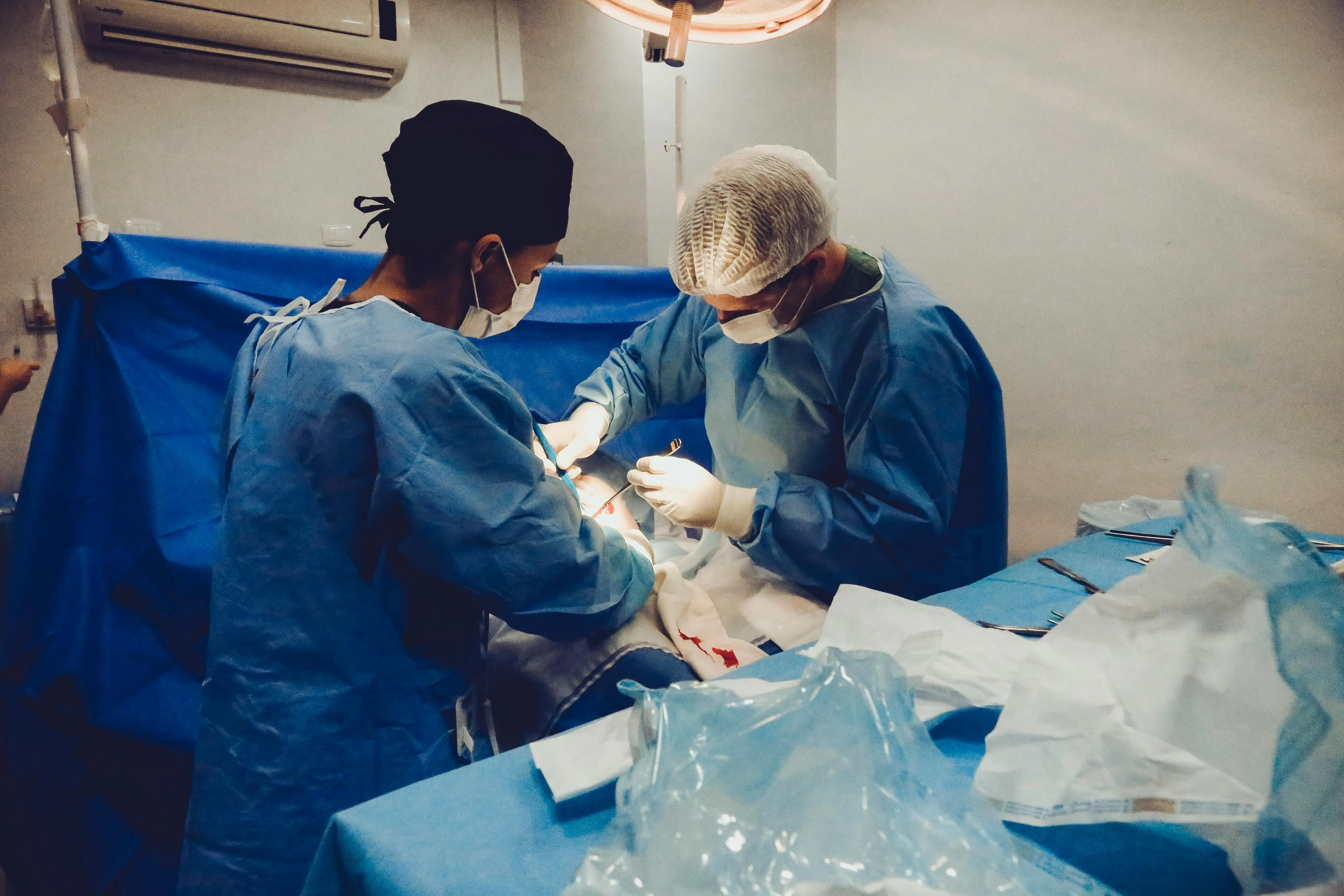
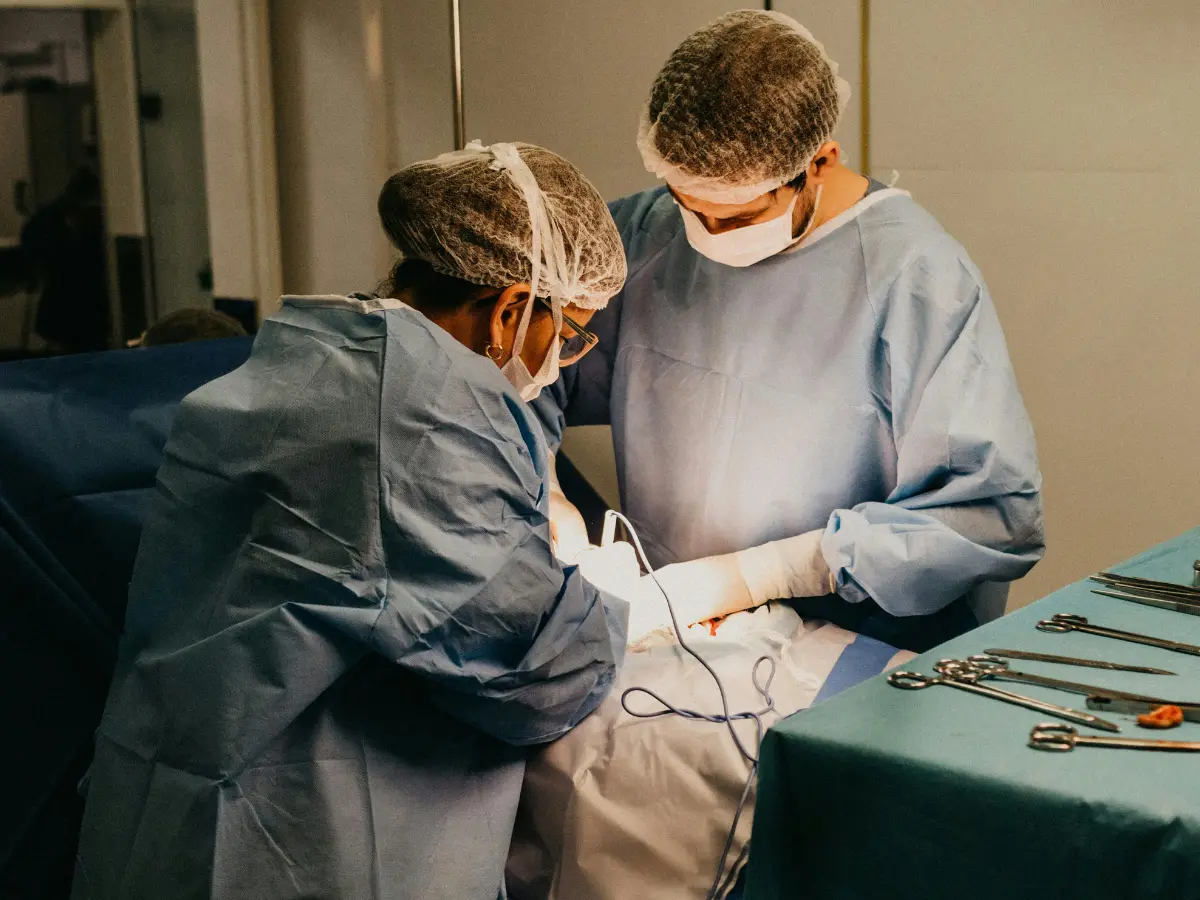
A study carried out by two Delhi hospitals claims that music can make surgery and recovery easier for a patient. A new peer-reviewed study from Delhi's Maulana Azad Medical College and Lok Nayak Hospital, published in the journal Music and Medicine, offers evidence of how playing music during general anaesthesia reduces drug requirements to some extent and helps the patient with recovery. According to the researchers, lower doses of anaesthetic drugs, such as propofol and opioid painkillers, help patients regain consciousness more quickly and clearly. On the other hand, those given higher doses of the same drugs and no music took more time to recover. The study focused on patients undergoing laparoscopic cholecystectomy, the keyhole operation to remove the gallbladder. Researchers tried to understand whether music could reduce how much of propofol and fentanyl patients required.
It started off as a trial with the right patients and grew to an 11-month trial of 56 adults, aged roughly 20 to 45. They were randomly assigned to two groups, all of whom were given a drug that prevents nausea and vomiting, a sedative, fentanyl, propofol and a muscle relaxant. They all wore noise-cancelling headphones, but only one group heard music of their choice - soft flute or piano. "The unconscious mind still has areas that remain active. Even if the music isn't explicitly recalled, implicit awareness can lead to beneficial effects," Dr Farah Husain, senior specialist in anaesthesia and certified music therapist for the study, said.

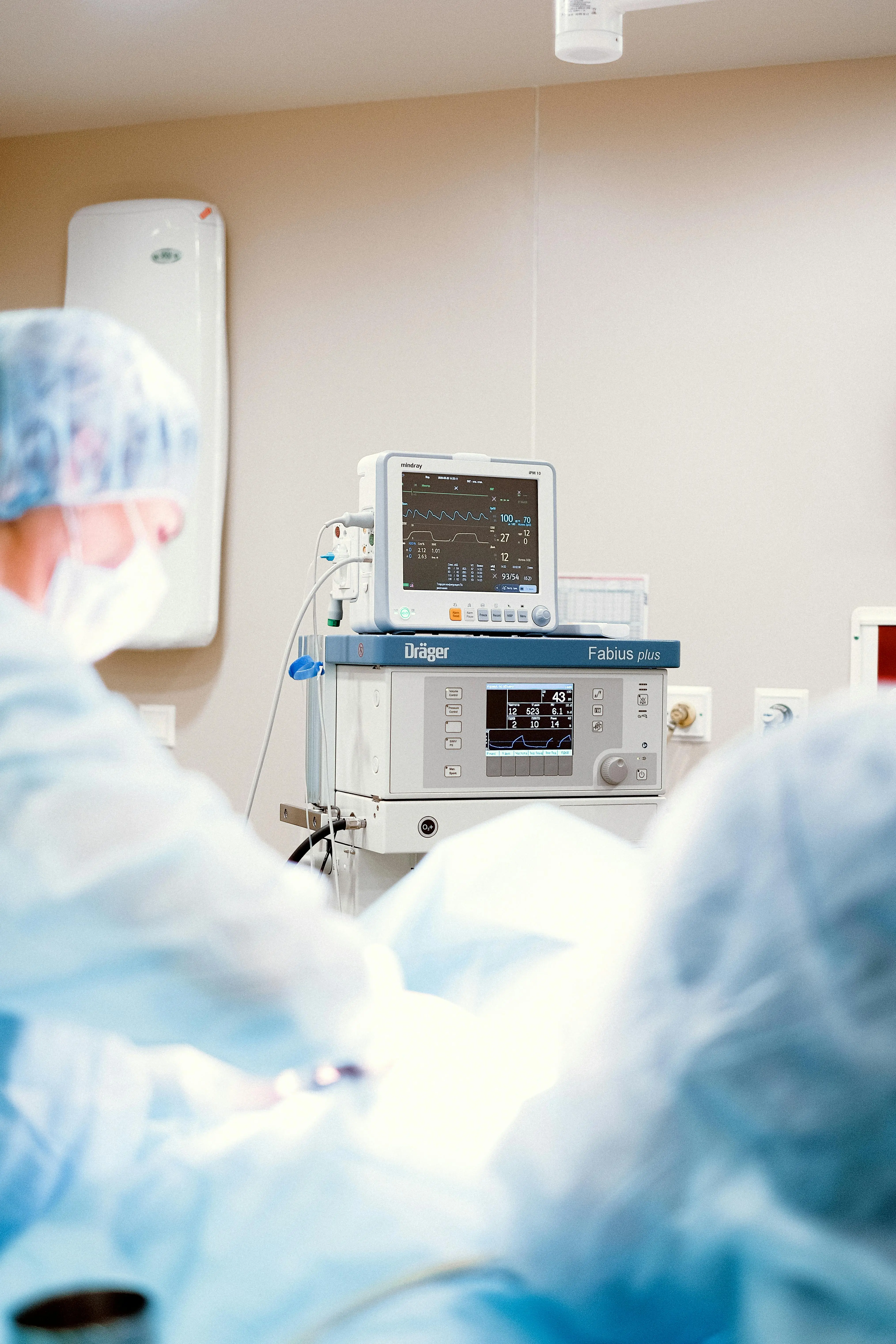
They noted that patients who had music on during the surgery required lower doses of propofol and fentanyl. Their recoveries were smoother, and they had "lower cortisol or stress-hormone levels and a much better control of blood pressure during the surgery." Dr Husain said, “We're only beginning to explore how the unconscious mind responds to non-pharmacological interventions like music. It's a way of humanising the operating room.”
Fewer drugs can help with recovery time
Dr Husain says it is important that patients "wake up clear-headed, alert and oriented, and ideally pain-free." Typically, patients are given a mix of five or six drugs to keep the patient asleep, block pain, not remember the surgery and relax the muscles. In gall bladder surgeries, regional "blocks", or ultrasound-guided injections, are also given to numb nerves in the abdominal wall. But the body reacts to anaesthesia, with heart rate and blood pressure spiking. Dr Husain states that this stress response can increase recovery time and worsen inflammation.
Trending Stories
)
Pheromone Maxxing: The dating trend that claims scent drives attraction
)
US-Israel vs Iran permacrisis: Tehran strikes back against latest US strikes
)
Iran attacks Bahrain, Iraqi Kurdistan as Trump claims ‘total control’ of Hormuz; Houthis back Tehran, Peru cuts ties: What's happening
)
Explosives found near German power plant, suspected attack sparks security alert
)
Nvidia is reportedly buying Hugging Face for $12.9 billion
)
US-Iran war: US strikes Iran after month-long pause
)
Over 100 children aged 12 & below in UK may have been forced into marriage | Gravitas
&im=FitAndFill=(700,400))
Why the glass canopy on the Su-30MKI has a distinct golden tint
)
Iran launches retaliatory strikes with missiles and drones; Trump warns of ‘much harder’ attack
)
Manchester City equal British transfer record with £125m Enzo Fernandez deal
Netflix to release docuseries on Donald Trump's secret plane switch in Turkey
)
This Indian AI is making stock charts easier to understand in Hindi, Tamil, Telugu and other Indian languages
)
Shakti Sharma scripts history as first woman non-medical Air Vice Marshal
)
AI sales startup Clay raises funding at a $7 billion valuation
)
Inside the UAE defense giant rapidly scaling up amid West Asia war
)
Nepal Flash Floods: At least 1,050 dead And 118 Nepalese rescued from disaster zone
)
Iran war reshapes global LPG trade
)
Volcano that erupted with strength of a million atomic bombs discovered in England
)
Peptide parties: Why you should not fall for this gimmick despite the celebrity buzz
)
Ariana Grande steps away from public life; bids an emotional farewell in London concert
)
Nearly 1 million Indians stuck in US Green Card backlog, wait could stretch to 179 years | Gravitas
)
'Why didn't you save me?' 5-year-old Nepal flood victim, who survived under rubble for 60 hours, asked parents
)
China shock puts Germany's economy under strain
)
Swara Bhasker issues video clarification over Padmaavat remarks amid ‘wild’ backlash: ‘Never said Rani Padmavati was a coward’
)
Iran war: IRGC strike claim raises questions as Pentagon cracks deepen
)
UN nuclear watchdog report on Syria confirms Assad-Era nuclear reactor plan
)
Pakistan faces growing hunger crisis amid rising food insecurity
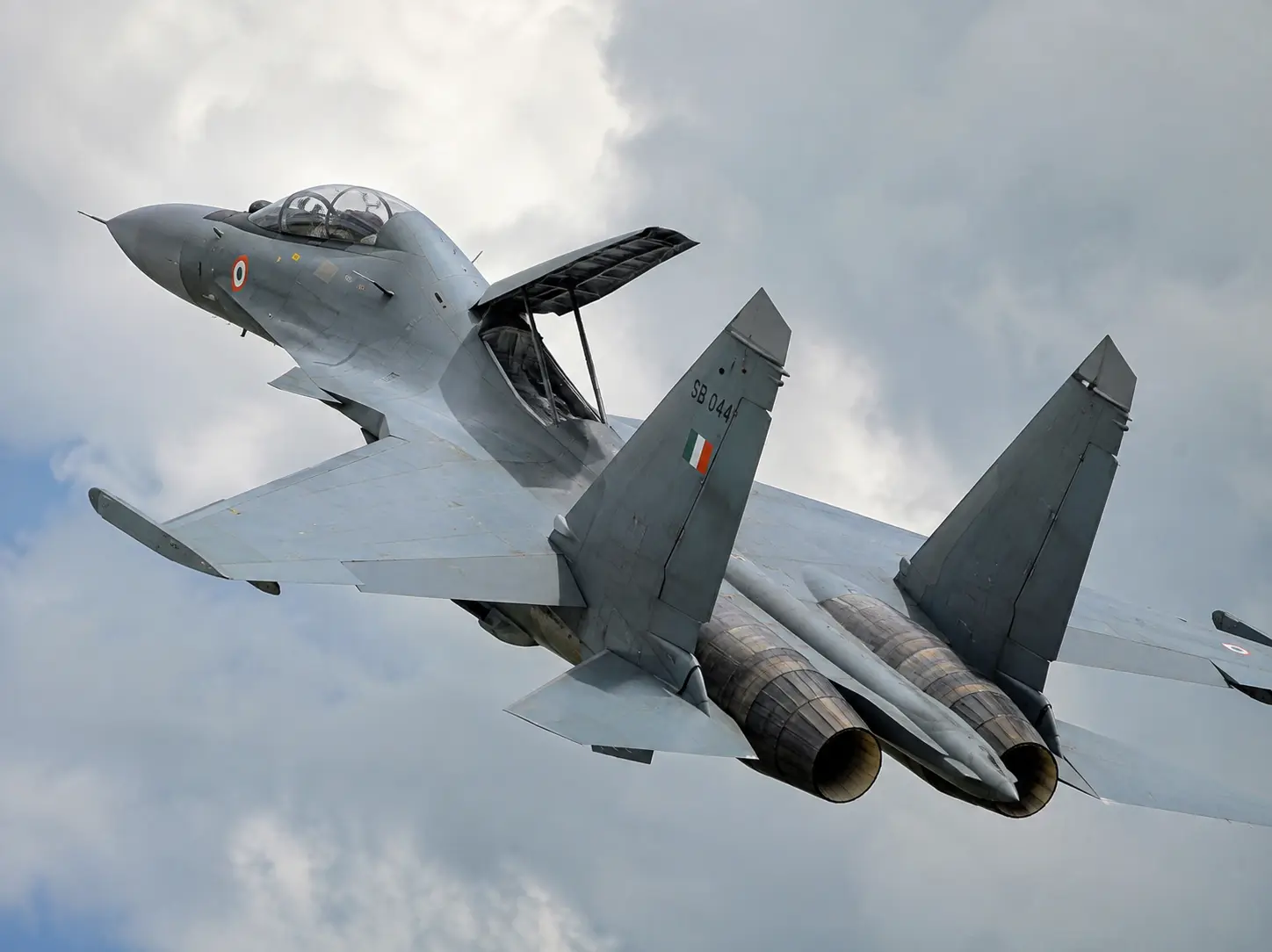&im=FitAndFill=(700,400))
Why the Su-30MKI uses a giant air brake on its back instead of its wings
)
Meltdown in Pakistan cricket: PCB director of high performance Aaqib Javed explains reasoning behind dropping 7 players, sacking coaches
)
Pentagon just launched its AI portal with ChatGPT, Grok and Gemini
)
2,000 pairs of underwear buried in Switzerland revealed something startling
)
Pakistanis are eating less. What they are eating instead is even more alarming
)
TN CM Vijay opens Mettur dam for Cauvery delta irrigation, surprises farmer with visit
)
AI agents coming to UPI: India prepares hands-free payments rollout!
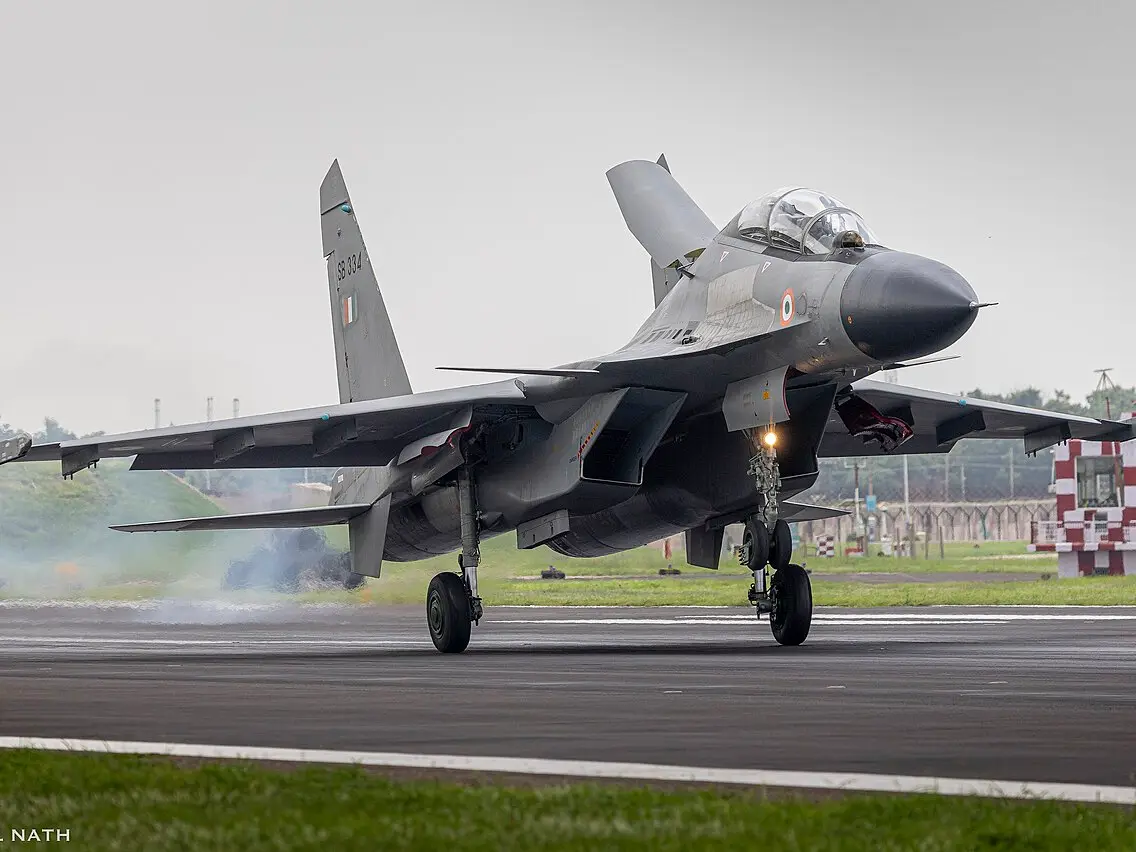&im=FitAndFill=(700,400))
How the Su-30MKI flies up to 8,000 kilometres using mid-air refueling
)
The process of intubation makes it worse, wherein a breathing tube is inserted into the windpipe. "The laryngoscopy and intubation are considered the most stressful response during general anaesthesia," Dr Sonia Wadhawan, director-professor of anaesthesia and intensive care at Maulana Azad Medical College and supervisor of the study, said.