Why wait 60 years? Sun can help us reach 3I/ATLAS in the year 2085, if we launch in 2035

&imwidth=600&imheight=450&format=webp&quality=medium "Why wait 60 years? Sun can help us reach 3I/ATLAS in the year 2085, if we launch in 2035")
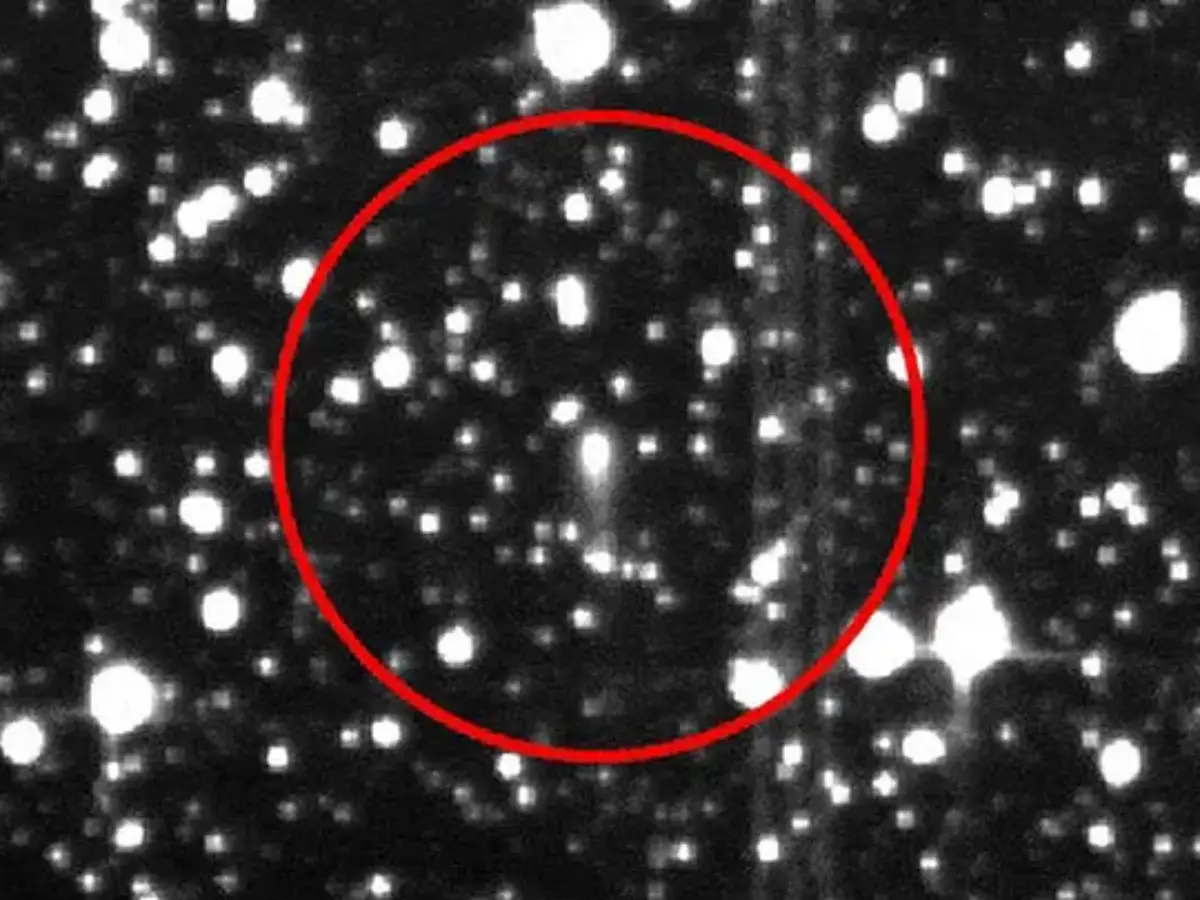
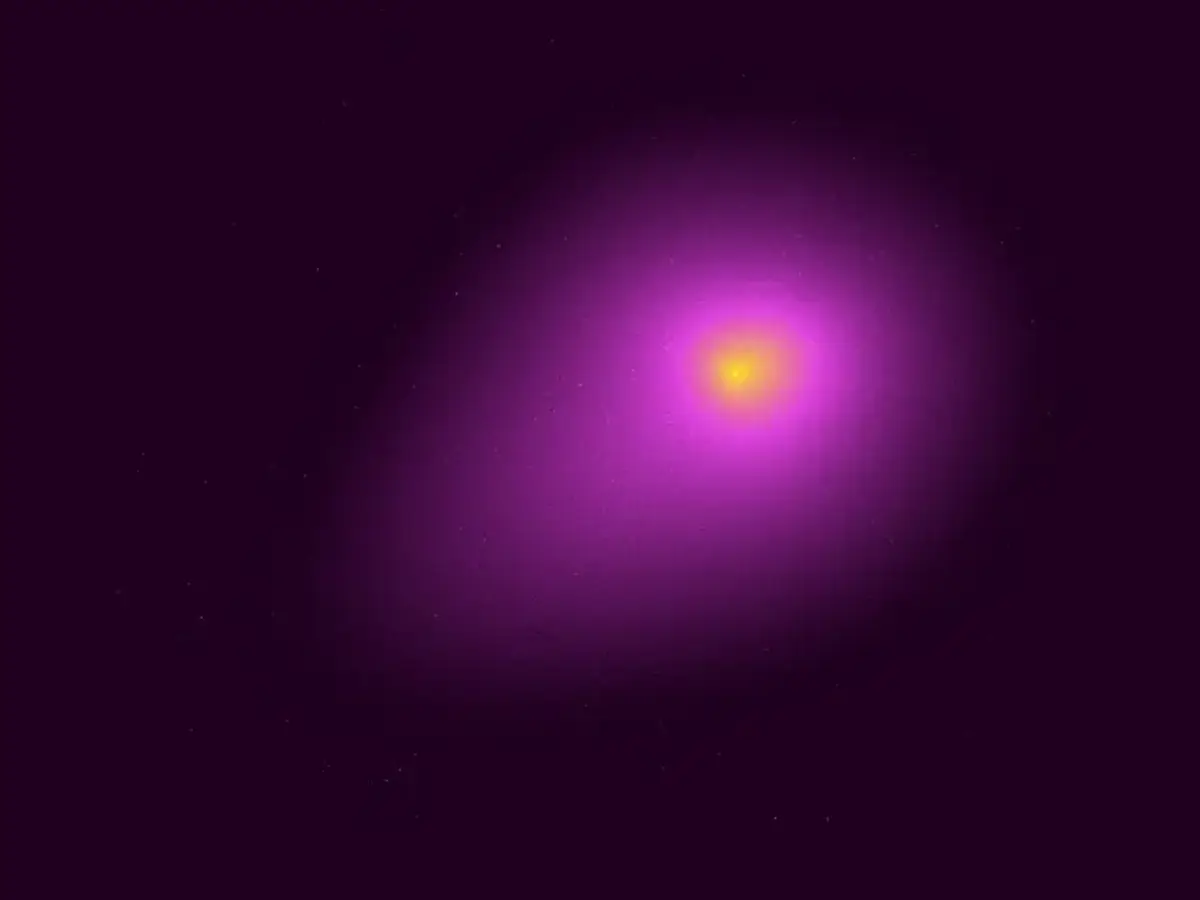
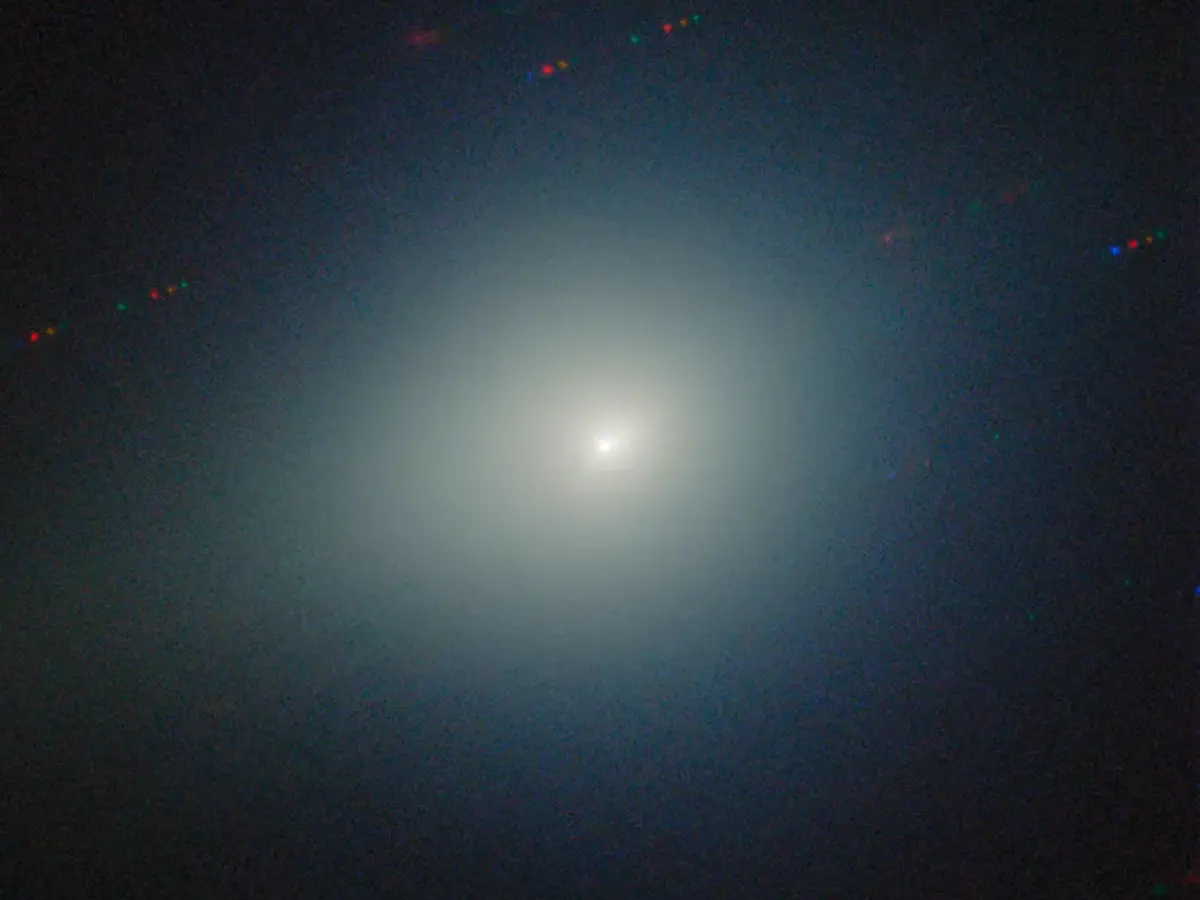
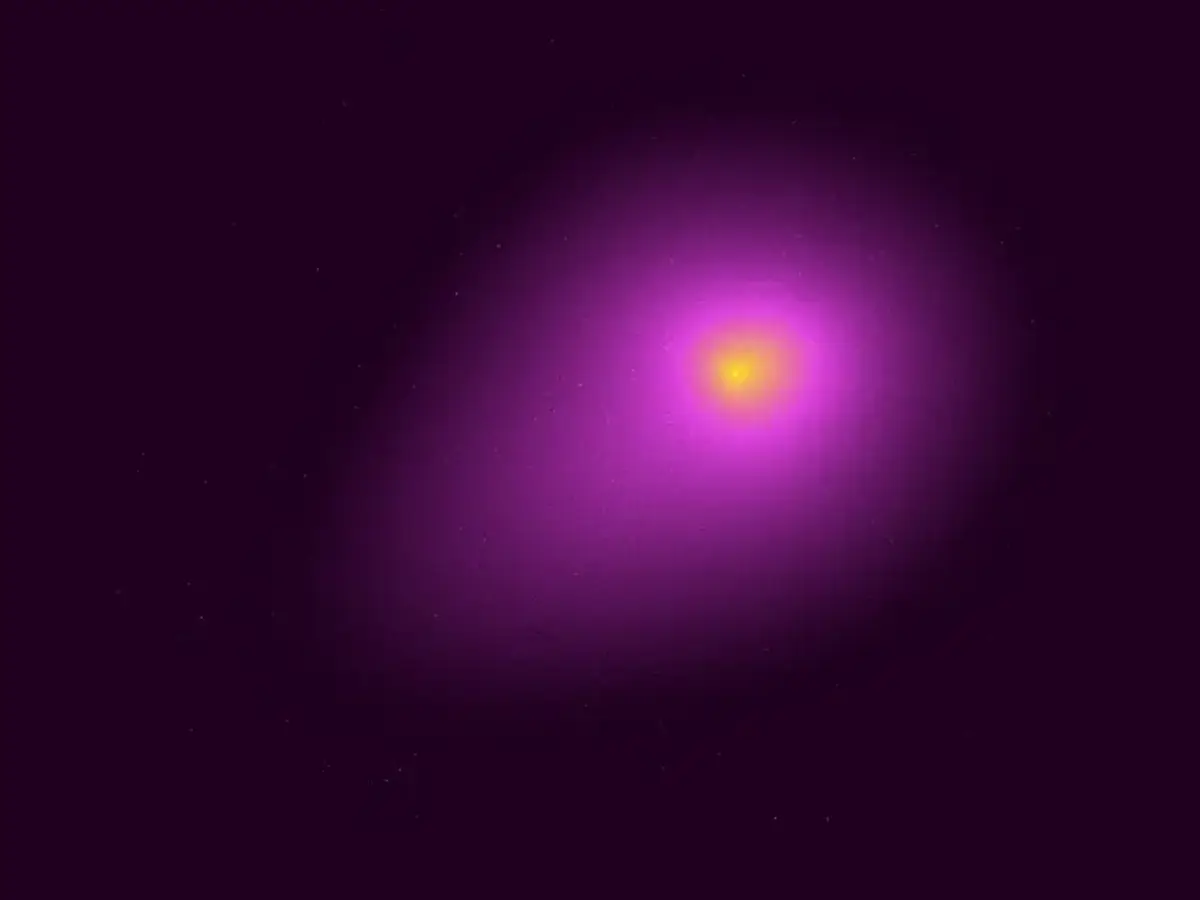
3I/ATLAS latest update: The Sun can help us reach 3I/ATLAS in the year 2085. Photograph: (NASA)
3I/ATLAS latest: Scientists believe it is possible to reach 3I/ATLAS even after 60 years. A team of researchers has proposed a mission which could intercept the interstellar comet in 2085. Why wait 9 years to launch a mission to 3I/ATLAS? They have a valid reason.
A new study has proposed a mission to study 3I/ATLAS, the third interstellar object, which would launch in 2035 and reach the object 50 years later in 2085. The researchers state that by the time this visitor from outer space was discovered on July 1, 2025, the window to launch a direct mission to intercept it had already passed. However, there is still a way to reach 3I/ATLAS, but landing is still ruled out. Instead, the team of scientists propose a flyby mission. While NASA and ESA propose a direct transfer mission, researchers from the Initiative for Interstellar Studies (i4is) claim that any mission that takes off from Earth today could never reach the interstellar comet. This is because 3I/ATLAS is moving at an extreme speed, and at the same time, it was detected too late. So any spacecraft that relies on an onboard propulsion system could never make it to the object. Since the optimal launch date has already passed, a flyby is the only thing possible, Universe Today reported.
For this to be a success, the spacecraft sent to intercept the comet will rely on an indirect Solar Oberth manoeuvre, researchers wrote in the paper that will be published in the Journal of the British Interplanetary Society (JBIS). The scientists say the mission will need to use the sun's gravity, should not launch before 2035 and requires a long commitment window of 50 years. Lead author of the paper, Adam Hibberd, a software and research engineer in Astronautics with the i4is and the owner/director of Hibberd Astronautics Ltd, employed the Optimum Interplanetary Trajectory Software (OITS), employed the Optimum Interplanetary Trajectory Software (OITS), to assess which is better - a direct or an indirect mission - to intercept interstellar objects.
Also Read: NASA's TESS captures 3I/ATLAS once again. But some data is missing. Here's what happened
Also Read: 3I/ATLAS update: Parker Solar Probe saw interstellar comet when it was invisible from Earth
Using Sun's gravity to reach 3I/ATLAS
In Oberth Manoeuvres, a spacecraft moves towards a massive object, such as the Sun, while being under its gravitational influence. As it reaches its closest pass (perihelion), it hits the accelerator to achieve a high heliocentric speed. This method can help the spacecraft either achieve escape velocity or speed up so much that it is able to reach the interstellar object that is already several miles away from the Sun. Hibberd told the outlet, "When a spacecraft approaches the Sun, the Sun’s gravitational attraction increases its velocity until the perihelion is reached, then the spacecraft burns its solid-propellant engines at this optimal point, to maximise the ‘slingshot effect’, and to accelerate the probe expeditiously to the target object, in this case 3I/ATLAS."
Trending Stories
&imwidth=280&imheight=210&format=webp&quality=medium)
&imwidth=280&imheight=210&format=webp&quality=medium)
&imwidth=280&imheight=210&format=webp&quality=medium)
&imwidth=280&imheight=210&format=webp&quality=medium)
&imwidth=280&imheight=210&format=webp&quality=medium)
&imwidth=280&imheight=210&format=webp&quality=medium)
&imwidth=280&imheight=210&format=webp&quality=medium)
&imwidth=280&imheight=210&format=webp&quality=medium)
&imwidth=280&imheight=210&format=webp&quality=medium)
&imwidth=280&imheight=210&format=webp&quality=medium)
&imwidth=280&imheight=210&format=webp&quality=medium)
&imwidth=280&imheight=210&format=webp&quality=medium)
&imwidth=280&imheight=210&format=webp&quality=medium)
&imwidth=280&imheight=210&format=webp&quality=medium)
&imwidth=280&imheight=210&format=webp&quality=medium)
&imwidth=280&imheight=210&format=webp&quality=medium)
&imwidth=280&imheight=210&format=webp&quality=medium)
&imwidth=280&imheight=210&format=webp&quality=medium)
&im=FitAndFill=(700,400)&imwidth=280&imheight=210&format=webp&quality=medium)
&imwidth=280&imheight=210&format=webp&quality=medium)
&im=FitAndFill=(700,400)&imwidth=280&imheight=210&format=webp&quality=medium)
&imwidth=280&imheight=210&format=webp&quality=medium)
&imwidth=280&imheight=210&format=webp&quality=medium)
&imwidth=280&imheight=210&format=webp&quality=medium)
&imwidth=280&imheight=210&format=webp&quality=medium)
&imwidth=280&imheight=210&format=webp&quality=medium)
&imwidth=280&imheight=210&format=webp&quality=medium)
&imwidth=280&imheight=210&format=webp&quality=medium)
&imwidth=280&imheight=210&format=webp&quality=medium)
&imwidth=280&imheight=210&format=webp&quality=medium)
&im=FitAndFill=(700,400)&imwidth=280&imheight=210&format=webp&quality=medium)
&imwidth=280&imheight=210&format=webp&quality=medium)
&imwidth=280&imheight=210&format=webp&quality=medium)
&imwidth=280&imheight=210&format=webp&quality=medium)
&imwidth=280&imheight=210&format=webp&quality=medium)
&imwidth=280&imheight=210&format=webp&quality=medium)
&imwidth=280&imheight=210&format=webp&quality=medium)
&imwidth=280&imheight=210&format=webp&quality=medium)
&imwidth=280&imheight=210&format=webp&quality=medium)
Why studying 3I/ATLAS matters
Simulations show that for it to be a success, the launch should happen in 2035 because of the optimal alignment between Earth, Jupiter and 3I/ATLAS. The flight duration would be 50 years, although Hibberd says it can be reduced. But, despite the wait being so long, the results would be extremely precious since this offers a way to study an interstellar object without undertaking interstellar travel. The latter would require centuries, so in comparison, a wait of 60 years isn't all bad.