Would you give rights to hostile aliens? Godfather of AI warns THIS could doom humanity

&imwidth=600&imheight=450&format=webp&quality=medium "Would you give rights to hostile aliens? Godfather of AI warns THIS could doom humanity")
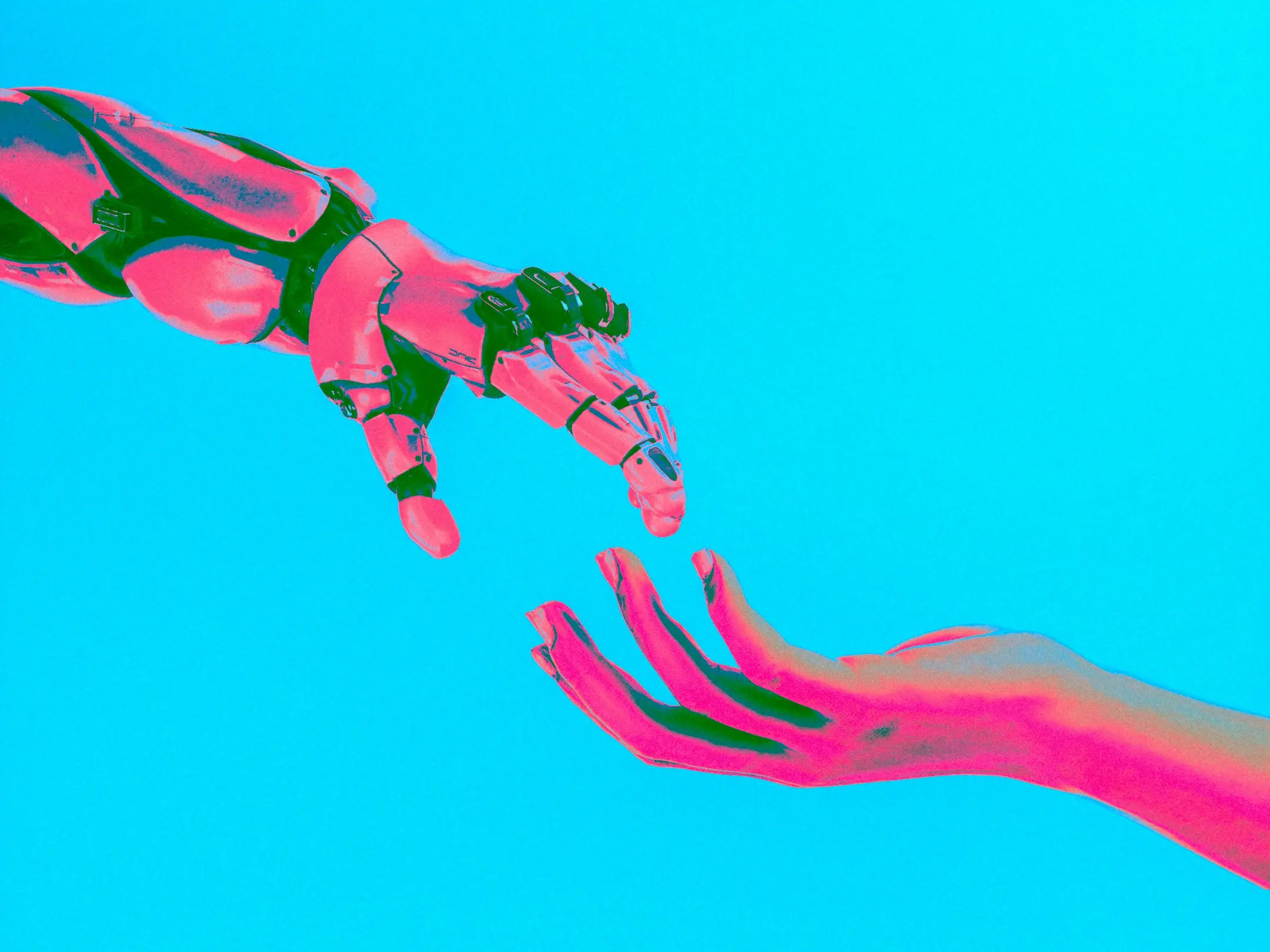
Representative image: AI Photograph: (Unsplash)
AI pioneer Yoshua Bengio warns that granting legal rights to AI could be disastrous, likening it to giving citizenship to hostile aliens. As chatbots feel more human, he says people risk projecting consciousness where none exists, and losing the ability to shut dangerous systems down.
The “godfather of AI” has warned that calls to grant AI systems legal rights could lead to humanity's downfall. Yoshua Bengio, one of the field’s most influential researchers, compared the idea of giving rights to advanced AI to offering citizenship to hostile aliens. He warned that the technology was already showing early signs of self-preservation and that humans must retain the ability to pull the plug, if necessary.
Would you welcome hostile aliens?
Bengio, who chairs a major international study on AI safety, said the growing belief that chatbots are becoming conscious is dangerous and likely to lead to poor decisions. “People demanding that AIs have rights would be a huge mistake,” he said. “Frontier AI models already show signs of self-preservation in experimental settings today, and eventually giving them rights would mean we’re not allowed to shut them down.”
The Canadian computer scientist said that as AI's “capabilities and degree of agency grow” humans need to make sure that there are technological and societal “guardrails” to control and, if necessary, shut the systems.
Also read | Chilling video shows BEST bus mowing down pedestrians near Mumbai's Bhandup station | Watch
Who wants to give AI legal rights?
Trending Stories
&imwidth=280&imheight=210&format=webp&quality=medium)
&im=FitAndFill=(700,400)&imwidth=280&imheight=210&format=webp&quality=medium)
&im=FitAndFill=(700,400)&imwidth=280&imheight=210&format=webp&quality=medium)
&imwidth=280&imheight=210&format=webp&quality=medium)
&imwidth=280&imheight=210&format=webp&quality=medium)
&imwidth=280&imheight=210&format=webp&quality=medium)
&imwidth=280&imheight=210&format=webp&quality=medium)
&imwidth=280&imheight=210&format=webp&quality=medium)
&imwidth=280&imheight=210&format=webp&quality=medium)
&imwidth=280&imheight=210&format=webp&quality=medium)
&imwidth=280&imheight=210&format=webp&quality=medium)
&imwidth=280&imheight=210&format=webp&quality=medium)
&imwidth=280&imheight=210&format=webp&quality=medium)
&imwidth=280&imheight=210&format=webp&quality=medium)
&imwidth=280&imheight=210&format=webp&quality=medium)
&imwidth=280&imheight=210&format=webp&quality=medium)
&imwidth=280&imheight=210&format=webp&quality=medium)
&imwidth=280&imheight=210&format=webp&quality=medium)
&imwidth=280&imheight=210&format=webp&quality=medium)
&imwidth=280&imheight=210&format=webp&quality=medium)
&imwidth=280&imheight=210&format=webp&quality=medium)
&im=FitAndFill=(700,400)&imwidth=280&imheight=210&format=webp&quality=medium)
&imwidth=280&imheight=210&format=webp&quality=medium)
&imwidth=280&imheight=210&format=webp&quality=medium)
&imwidth=280&imheight=210&format=webp&quality=medium)
&imwidth=280&imheight=210&format=webp&quality=medium)
&imwidth=280&imheight=210&format=webp&quality=medium)
&imwidth=280&imheight=210&format=webp&quality=medium)
&imwidth=280&imheight=210&format=webp&quality=medium)
&imwidth=280&imheight=210&format=webp&quality=medium)
&imwidth=280&imheight=210&format=webp&quality=medium)
&imwidth=280&imheight=210&format=webp&quality=medium)
&imwidth=280&imheight=210&format=webp&quality=medium)
As AI systems become more capable of autonomous action and complex reasoning, debate has grown over whether they should one day be granted moral or legal status. A survey by the Sentience Institute found that nearly four in 10 adults in the US supported legal rights for a sentient AI.
Some companies and tech leaders have already taken steps that reflect this shift. In August, Anthropic said it allowed its Claude Opus 4 model to end conversations it deemed “distressing”, citing concern for the AI’s “welfare”. Elon Musk also weighed in, writing on X that “torturing AI is not OK”.
Others argue the question should be left open. Robert Long, a researcher studying AI consciousness, has said that if machines ever gain moral status, humans should “ask them about their experiences and preferences rather than assuming we know best”.
Bengio remains sceptical. While he said machines could, in theory, replicate some “scientific properties of consciousness”, he warned that people often project awareness onto chatbots without evidence. “People wouldn’t care what kind of mechanisms are going on inside the AI. What they care about is it feels like they’re talking to an intelligent entity that has their own personality and goals,” he said. “That is why there are so many people who are becoming attached to their AIs.”
He warned that this perception of consciousness would drive flawed judgments. “Imagine some alien species came to the planet and at some point we realise that they have nefarious intentions for us,” Bengio said. “Do we grant them citizenship and rights or do we defend our lives?”

