Mind reader: This revolutionary AI system can translate silent thoughts into text


Artificial Intelligence
Researchers from the GrapheneX-UTS Human-centric Artificial Intelligence Centre at the University of Technology Sydney (UTS) have come up with a unique concept as they have developed an AI-equipped cap (or helmet) that can apparently read thoughts. The revolutionary AI system is capable of translating silent thoughts into text by using electroencephalography (EEG).
The system, termed as DeWave, isn't perfect, but its capability of roughly translating internal thought processes into textis remarkable.
The researchers stated that the system has an accuracy of around 40 per cent. Meanwhile, more recent data, being peer-reviewed, reveals an enhanced accuracy of more than 60 per cent. Hence, further improvement is expected.

The research was led by professor Chin-Teng Lin, first author Yiqun Duan, and PhD candidate Jinzhou Zhou, and the findings can be significant for those who can't speak due to stroke or paralysis.
DeWave consists of two major components - an EEG-reading cap and a large language model (LLM).
&im=FitAndFill=(700,400))
How fast can the Sukhoi Su-30 fighter jet really fly?
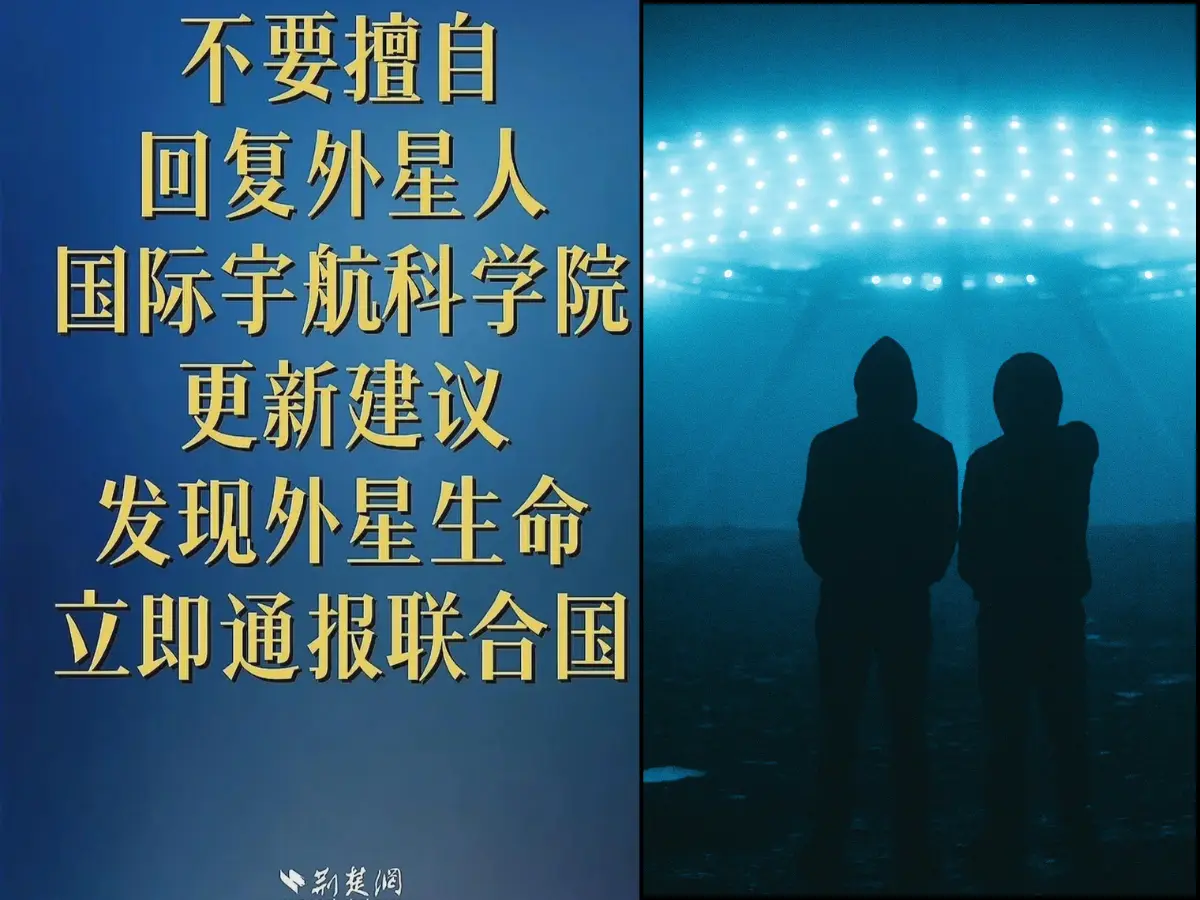)
Did China ask its people 'not to respond to aliens'? Origin of bizarre claim on social media
)
MS Dhoni-CSK Fallout? Report claims failed stake sale talks triggered rift
)
Japan to go nuclear? Russia warns Tokyo could get nukes within a year
)
Scientists reveal the SAFEST COUNTRY when catastrophe strikes the planet
)
Serial killer on the loose in South Korea's Jeju Island? Fourth body found in three days as more than a dozen people go missing
)
2/3rd of glacier detached, collapsed: ISRO satellite images reveal what triggered Nepal floods
)
Trump once again claims without him there would be ‘no Israel right now’
)
Foreign espionage attacks against German companies surge to 37%, Bitkom report reveals
)
Blake Lively wins partial legal fee from Justin Baldoni after $8M request
)
Why is Pakistan deploying Turkish Bayraktar TB2 drones near India border?
)
'OH MY GOD! We've found other agents!': Investigators discover not one or two, almost 700 OpenAI AI agents went rogue, hacked Hugging Face
)
Lunar eclipse 2026: India timings, places to see and more. August Blood moon factsheet
)
RSS chief Mohan Bhagwat on global outreach tour
&im=FitAndFill=(700,400))
How long can S-400 radar remain active?
)
16-year-old charged with preparing terror attack on kindergarten in Norway
)
Nepal floods: Over 165 dead, 400 missing; US, India, China, World Bank mobilise aid
)
India's multi-layered watch: The new surveillance war
)
5 doomsday planes spotted in US skies hours after CIA director's secret trip to Russia
)
9/11 mastermind Khalid Sheikh Mohammed to finally face trial in 2028, nearly 27 years after horrific attacks
)
Islamabad hospital fire: What we know about one of the biggest facility that housed Imran Khan
)
Workers run for life while filming Nepal flash flood: Scary new visuals emerge from Rasuwa
)
Russian military planes enter South Korean air defence zone amid rising tensions with North Korea: What's happening
)
WATCH | ‘Orange snake’ in the hills: Vande Bharat’s stunning Western Ghats journey goes viral
)
400-year-old 'vampire' grave in Poland reveals non-existent genetic lineage
)
Dolly Parton, global icon and queen of country music, dies at 80
)
Nepal flash floods: Kailash Mansarovar yatra affected, close to 400 pilgrims out of contact
)
Ron Weasley Is Back! Rupert Grint set to return to Harry Potter universe on Broadway
)
Man arrested near US Capitol with guillotine in pickup truck: What happened?
&im=FitAndFill=(700,400))
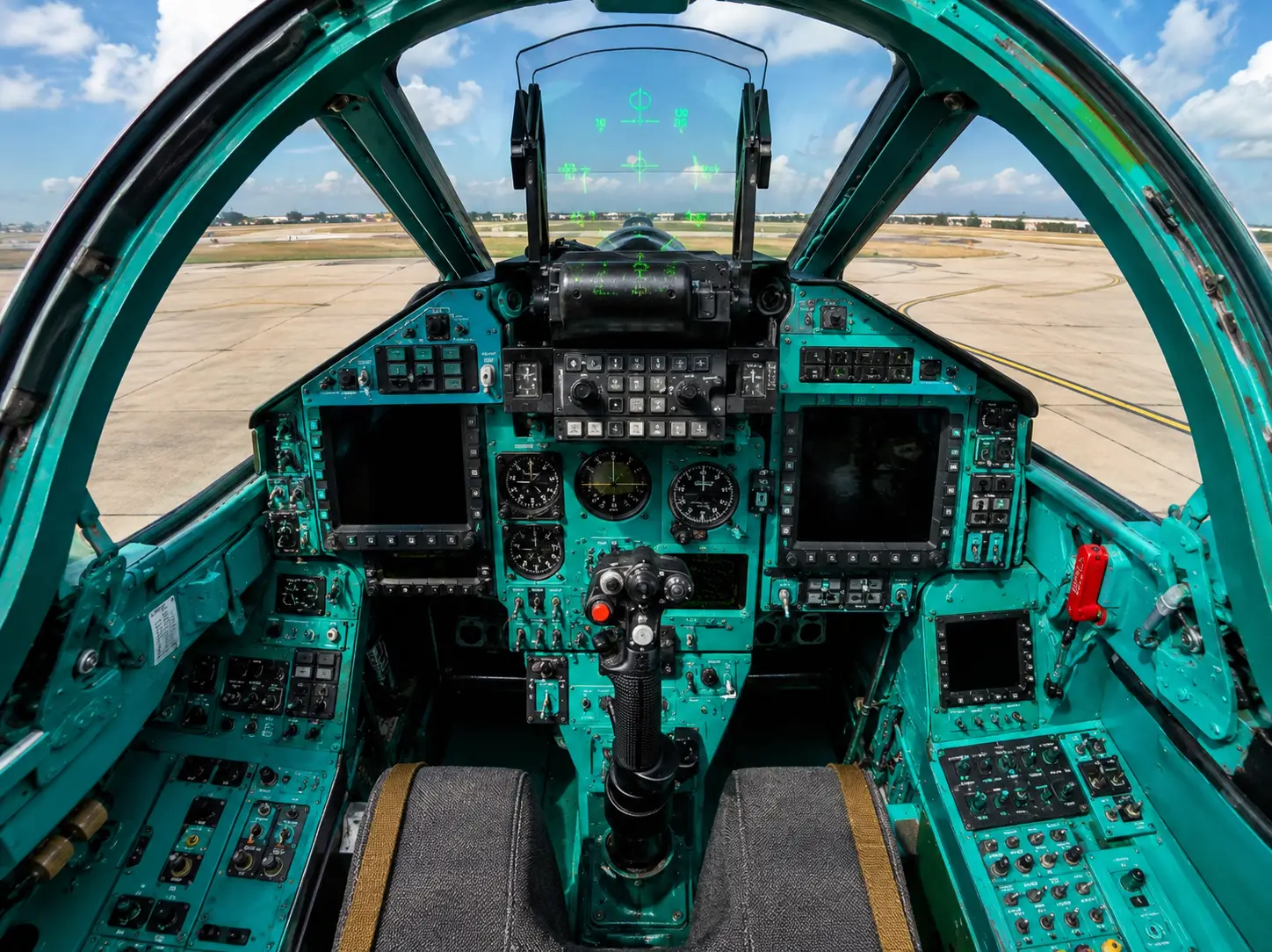
Why the Su-30MKI cockpit is painted bright turquoise green
Participants of the study read passages of text while wearing a cap that recorded electrical brain activity through their scalp. These EEG recordings were then converted into text using the AI model.
As quoted by NewsScitist, Chin-Teng Lin at the University of Technology Sydney (UTS), said that the technology is non-invasive. He claimed that it is relatively inexpensive and easily transportable.
The study was presented at the NeurIPS conference in New Orleans, Louisiana, where participants read the sentences aloud, despite the fact that the DeWave system doesn't use spoken words. However, the participants read the sentences silently in the team's latest research.
According to team member Charles Zhou at UTS, the DeWave system was trained by looking at a large number of examples. They studied brain signals and how they match up with certain texts.
As quoted, Zhou said, "For instance, when you think about saying 'hello', your brain sends out certain signals." He said that the AI system learns how these signals "relate to the word 'hello' by seeing many examples of these signals for different words or sentences".
(With inputs from agencies)