Microsoft’s new AI chip uses 2nm technology to challenge Nvidia’s dominance

&imwidth=600&imheight=450&format=webp&quality=medium "Microsoft’s new AI chip uses 2nm technology to challenge Nvidia’s dominance")
Microsoft’s new AI chip uses 2nm technology to challenge Nvidia’s dominance
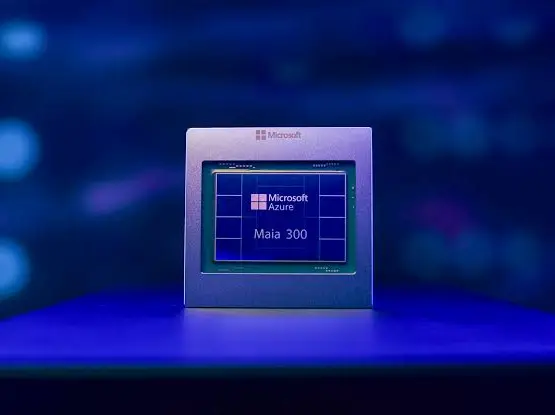
Microsoft has unveiled its Maia 300 AI chip and plans multi-gigawatt deployments next year, potentially involving more than one million units. The company claims 40% more useful computing per megawatt than leading GPU systems as it expands its AI infrastructure.
Microsoft has unveiled its Maia 300 artificial intelligence chip, marking another step in its effort to build the computing infrastructure behind its AI services. The company plans to begin multi-gigawatt deployments next year, potentially using more than one million chips to support workloads such as coding and complex business tasks. The announcement comes as technology companies develop their own processors to reduce reliance on Nvidia, whose graphics processing units dominate much of the AI computing market. Microsoft says Maia 300 is designed to improve computing efficiency by optimising the chip, memory and wider server system together.
What is Microsoft Maia 300, and what makes it different?
Maia 300 is the third generation of Microsoft's custom AI chips. Its predecessor already supports Microsoft's internal AI models and models from OpenAI delivered through the Azure cloud platform.
Rather than using one large computing processor, Microsoft's new design combines smaller specialised chips, known as chiplets. The main computing chiplets use 2-nanometre manufacturing technology from Taiwan Semiconductor Manufacturing Company (TSMC), while other components use 3nm technology for tasks such as moving data around the system.
This approach allows Microsoft to use different manufacturing technologies for different functions instead of building every part of the processor in the same way.
Microsoft claims 40% more computing efficiency
Trending Stories
&imwidth=280&imheight=210&format=webp&quality=medium)
&imwidth=280&imheight=210&format=webp&quality=medium)
&imwidth=280&imheight=210&format=webp&quality=medium)
&imwidth=280&imheight=210&format=webp&quality=medium)
&imwidth=280&imheight=210&format=webp&quality=medium)
&imwidth=280&imheight=210&format=webp&quality=medium)
&imwidth=280&imheight=210&format=webp&quality=medium)
&imwidth=280&imheight=210&format=webp&quality=medium)
&imwidth=280&imheight=210&format=webp&quality=medium)
&imwidth=280&imheight=210&format=webp&quality=medium)
&imwidth=280&imheight=210&format=webp&quality=medium)
&im=FitAndFill=(700,400)&imwidth=280&imheight=210&format=webp&quality=medium)
&imwidth=280&imheight=210&format=webp&quality=medium)
&imwidth=280&imheight=210&format=webp&quality=medium)
&imwidth=280&imheight=210&format=webp&quality=medium)
&imwidth=280&imheight=210&format=webp&quality=medium)
&imwidth=280&imheight=210&format=webp&quality=medium)
&im=FitAndFill=(700,400)&imwidth=280&imheight=210&format=webp&quality=medium)
&imwidth=280&imheight=210&format=webp&quality=medium)
&imwidth=280&imheight=210&format=webp&quality=medium)
&imwidth=280&imheight=210&format=webp&quality=medium)
&imwidth=280&imheight=210&format=webp&quality=medium)
&imwidth=280&imheight=210&format=webp&quality=medium)
&imwidth=280&imheight=210&format=webp&quality=medium)
&imwidth=280&imheight=210&format=webp&quality=medium)
&imwidth=280&imheight=210&format=webp&quality=medium)
&imwidth=280&imheight=210&format=webp&quality=medium)
&imwidth=280&imheight=210&format=webp&quality=medium)
&imwidth=280&imheight=210&format=webp&quality=medium)
&im=FitAndFill=(700,400)&imwidth=280&imheight=210&format=webp&quality=medium)
&imwidth=280&imheight=210&format=webp&quality=medium)
&imwidth=280&imheight=210&format=webp&quality=medium)
&imwidth=280&imheight=210&format=webp&quality=medium)
&imwidth=280&imheight=210&format=webp&quality=medium)
&imwidth=280&imheight=210&format=webp&quality=medium)
Microsoft says Maia 300 can deliver around 40% more useful computing per megawatt than leading GPU-based systems. The company did not identify the systems used for the comparison, so the figure should be treated as Microsoft's claim rather than an independently verified result.
The chips will be installed in server racks containing 96 processors. Each rack is expected to use about 167 kilowatts of power.
For comparison, Nvidia's latest GB300 AI server racks contain 72 GPUs and use around 142 kilowatts, according to the supplied information. The different rack configurations underline why performance and power consumption need to be assessed together, rather than by chip count alone.
Why Microsoft is challenging Nvidia
Demand for AI computing is driving technology companies to develop custom processors tailored to their own workloads. Microsoft's Maia 300 is intended to power its internal services and cloud infrastructure while improving the amount of computing delivered for each unit of electricity.
The scale of its planned rollout reflects the investment required. Microsoft expects to spend more than $175 billion in capital expenditure this calendar year.
However, Maia 300's commercial impact will depend on real-world performance, availability and operating costs. Its deployment could strengthen Microsoft's control over its AI infrastructure, but it does not mean Nvidia's position in the market is immediately under threat.
