Declassified: The true story of Indian MiG-21 fighter jet pilots who survived a mid-air failure at 40,000 ft

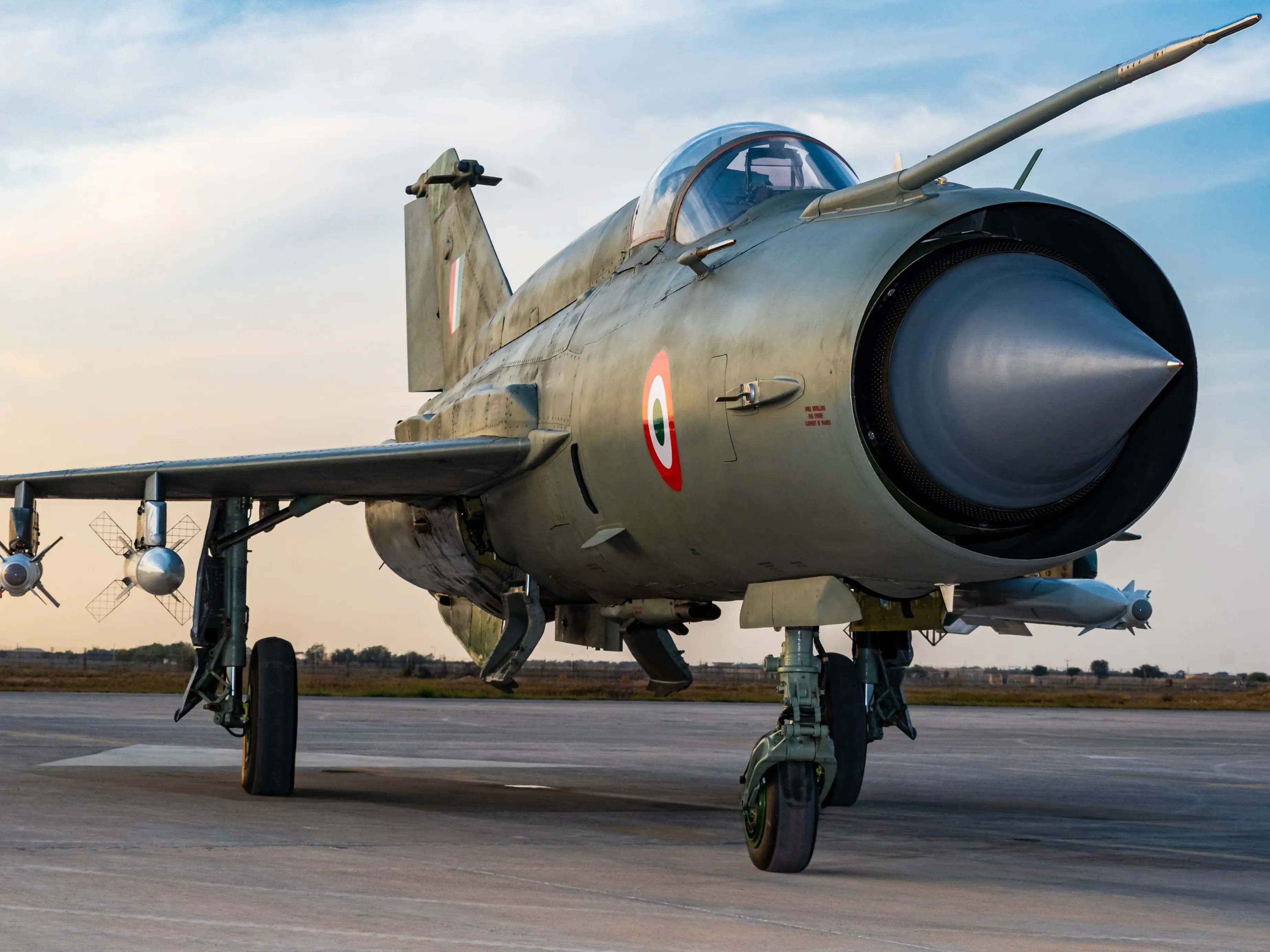&imwidth=600&imheight=450&format=webp&quality=medium "Declassified: The true story of Indian MiG-21 fighter jet pilots who survived a mid-air failure at 40,000 ft")
The true story of Indian MiG-21 fighter pilots who survived a mid-air failure Photograph: (PIB)
Without functioning instruments, a pilot has no reliable sense of pitch, roll, altitude, or heading. Spatial disorientation sets in within seconds, often leading to fatal loss of control. In such scenarios, even veteran pilots have been known to crash within minutes.
In the unforgiving altitudes of 40,000 feet, during a routine sortie in the 1990s, two Indian Air Force MiG-21 pilots experienced a near-fatal systems failure. Their cockpit instruments blacked out mid-flight including the altimeter, artificial horizon, and navigation systems effectively leaving them “blind” in the sky. Despite the severe malfunction and a complete loss of visual reference, both pilots managed to bring their aircraft safely back to base.
The incident, now part of flying folklore within the IAF, occurred during a high-altitude training exercise over the northern plains. The MiG-21, a Soviet-era supersonic interceptor with a reputation for being unforgiving was flying at cruising altitude when both aircraft in formation suffered a simultaneous electrical failure. Weather conditions made things worse: thick cloud cover obscured the ground and horizon, rendering visual navigation impossible.
Without functioning instruments, a pilot has no reliable sense of pitch, roll, altitude, or heading. Spatial disorientation sets in within seconds, often leading to fatal loss of control. In such scenarios, even veteran pilots have been known to crash within minutes.
But in this case, the lead pilot made a critical decision: he instructed his wingman to maintain tight visual formation while he tried to descend through the clouds, hoping to regain some sense of orientation below. Communicating via backup radio, the lead pilot manually adjusted throttle and control surfaces based on experience, not data. After several agonising minutes, the jets broke through cloud cover at around 15,000 feet, finally regaining visual cues.
Using emergency procedures and sheer flying skill, both MiG-21s made a successful landing at a forward airbase. Post-flight inspections confirmed a rare dual failure in the aircraft's electrical systems due to a manufacturing defect in a shared batch of components.
This incident prompted a temporary grounding of several MiG-21 squadrons for inspection and modifications. But more importantly, it served as a textbook example of calm decision-making under extreme pressure and reinforced the IAF’s emphasis on formation flying, pilot training, and manual recovery techniques.
Trending Stories
)
)
)
)
)
)
)
)
)
)
)
)
)
)
)
)
)
)
)
)
)
)
)
)
&im=FitAndFill=(700,400))
)
)
)
)
)
)
)
)
)
)
)
)
)
)
In an age increasingly reliant on fly-by-wire and autopilot systems, this episode is a reminder that human instinct, discipline, and training still hold a place at 40,000 feet even when machines fail.
