‘Apps may disappear in the future’: AI agents will take over, says Nothing CEO Carl Pei

&imwidth=600&imheight=450&format=webp&quality=medium "‘Apps may disappear in the future’: AI agents will take over, says Nothing CEO Carl Pei")
Nothing CEO Carl Pei says AI agents could end the app era on smartphones
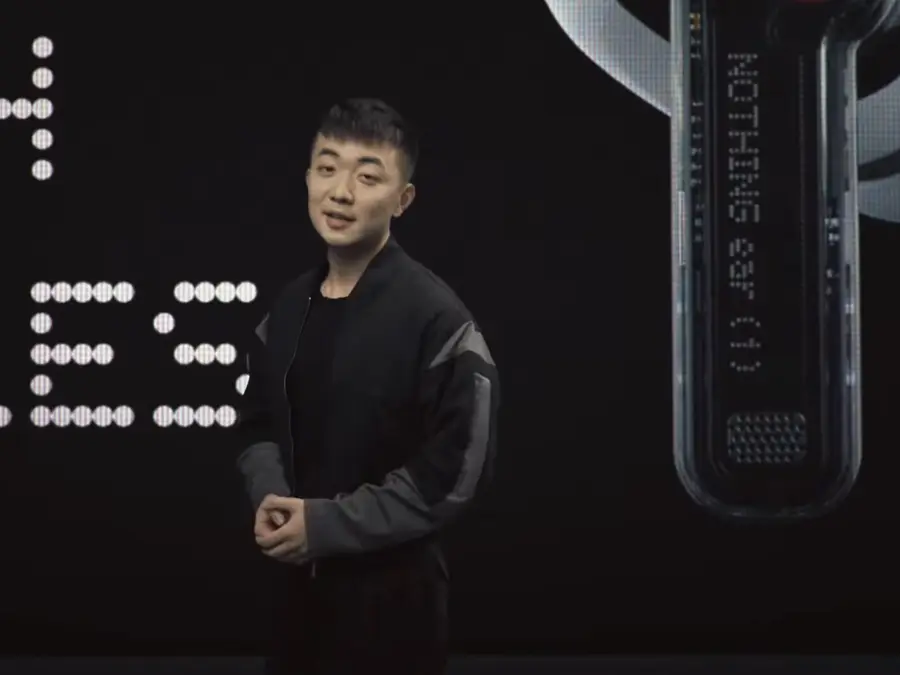
At the SXSW, Carl Pei said traditional smartphone apps could eventually disappear as AI agents take over everyday tasks. He argued that the current app-based system is outdated and inefficient, requiring users to switch between multiple apps for simple actions.
The way people use smartphones may change completely in the coming years. According to Carl Pei, CEO of Nothing, traditional mobile apps could disappear as artificial intelligence becomes more advanced.
Speaking at the SXSW conference in Austin, Pei said the current app-based system is outdated and may soon be replaced by AI agents that can act on behalf of users.
Why Carl Pei says apps may disappear
Pei believes that today’s smartphone experience has not changed much in the past two decades.
Users still rely on:
Lock screens and home screens
Trending Stories
&imwidth=280&imheight=210&format=webp&quality=medium)
&imwidth=280&imheight=210&format=webp&quality=medium)
&imwidth=280&imheight=210&format=webp&quality=medium)
&imwidth=280&imheight=210&format=webp&quality=medium)
&imwidth=280&imheight=210&format=webp&quality=medium)
&imwidth=280&imheight=210&format=webp&quality=medium)
&imwidth=280&imheight=210&format=webp&quality=medium)
&imwidth=280&imheight=210&format=webp&quality=medium)
&im=FitAndFill=(700,400)&imwidth=280&imheight=210&format=webp&quality=medium)
&imwidth=280&imheight=210&format=webp&quality=medium)
&imwidth=280&imheight=210&format=webp&quality=medium)
&imwidth=280&imheight=210&format=webp&quality=medium)
&imwidth=280&imheight=210&format=webp&quality=medium)
&imwidth=280&imheight=210&format=webp&quality=medium)
&imwidth=280&imheight=210&format=webp&quality=medium)
&imwidth=280&imheight=210&format=webp&quality=medium)
&imwidth=280&imheight=210&format=webp&quality=medium)
&imwidth=280&imheight=210&format=webp&quality=medium)
&imwidth=280&imheight=210&format=webp&quality=medium)
&imwidth=280&imheight=210&format=webp&quality=medium)
&imwidth=280&imheight=210&format=webp&quality=medium)
&imwidth=280&imheight=210&format=webp&quality=medium)
&imwidth=280&imheight=210&format=webp&quality=medium)
&imwidth=280&imheight=210&format=webp&quality=medium)
&imwidth=280&imheight=210&format=webp&quality=medium)
&imwidth=280&imheight=210&format=webp&quality=medium)
&imwidth=280&imheight=210&format=webp&quality=medium)
&imwidth=280&imheight=210&format=webp&quality=medium)
&imwidth=280&imheight=210&format=webp&quality=medium)
&imwidth=280&imheight=210&format=webp&quality=medium)
&im=FitAndFill=(700,400)&imwidth=280&imheight=210&format=webp&quality=medium)
&imwidth=280&imheight=210&format=webp&quality=medium)
&imwidth=280&imheight=210&format=webp&quality=medium)
&im=FitAndFill=(700,400)&imwidth=280&imheight=210&format=webp&quality=medium)
&imwidth=280&imheight=210&format=webp&quality=medium)
Multiple apps for different tasks
App stores to install software
He said this model creates unnecessary steps for simple tasks. For example, planning to meet a friend for coffee may involve messaging apps, maps, ride-hailing services and calendars.
“It’s very hard to get things done on a phone,” Pei said, pointing out that users often switch between several apps to complete one task.
According to him, AI agents could remove this complexity by handling tasks directly.
What is an AI-first smartphone?
Pei described a future device powered by AI agents instead of apps.
In this system:
Users express an intention (for example, “book a trip” or “meet a friend”)
The AI understands the request
The system completes the task automatically
Instead of opening apps and navigating menus, users would rely on AI to manage everything in the background. Pei said the goal is to build devices that “know you very well” and can act without constant input.
How AI agents could work
The transition to AI-first devices may happen in stages.
Pei explained that the first stage already visible today is AI tools that can perform tasks like booking flights or ordering food.
However, he called this stage “basic”.
The next stage, according to him, is more advanced. AI systems will begin to understand long-term user behaviour and preferences.
For example:
Suggesting healthier habits
Recommending activities based on past behaviour
Managing schedules automatically
He compared this to features like memory in AI tools such as ChatGPT, where systems learn from past interactions.
Why current smartphones may change
Pei argued that modern technology has advanced significantly, but smartphone design has not kept up.
He said the current system still relies on humans manually interacting with apps. In contrast, future systems may be designed for AI agents to operate directly.
“The future is not the agent using a human interface,” he said. “You need to create an interface for the agent.”
This means smartphones may shift from app-based interfaces to AI-driven systems working in the background.
Will apps disappear soon?
Pei clarified that apps will not vanish immediately. Current systems, including Nothing’s own software, still rely on apps. However, over time, AI agents may take over more tasks, reducing the need for users to interact with apps directly.
The idea reflects a broader trend in the tech industry, where companies are building AI agents that can perform actions across platforms instead of simply providing information.
The bigger picture
Pei’s comments come as AI companies and device makers explore new ways to integrate artificial intelligence into everyday technology.
The shift from apps to AI agents could change how people use smartphones, manage tasks and interact with digital services.
While the transition may take time, the direction is becoming clearer: future devices may focus less on screens and apps, and more on intelligent systems that act on behalf of users.
