ICC's new ODI World Cup format explained: Which teams will benefit and who could struggle?

&imwidth=600&imheight=450&format=webp&quality=medium "ICC's new ODI World Cup format explained: Which teams will benefit and who could struggle?")
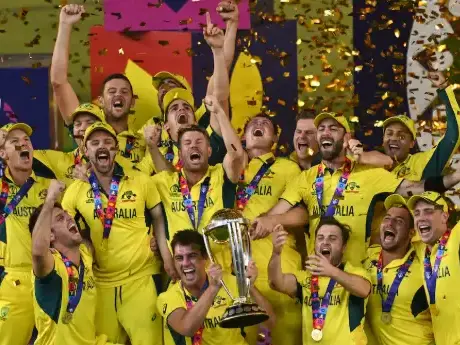
Australia won the trophy in 2023 Photograph: (AFP)
The ICC's revamped 2027 ODI World Cup format promises more competitive matches and fewer dead rubbers. But while teams like India and Australia could thrive, others face a tougher road
The International Cricket Council's (ICC) decision to overhaul the Men's ODI World Cup format from 2027 is being hailed as a move to create a more competitive and engaging tournament. By expanding the competition to 14 teams and introducing multiple stages before the semifinals, the governing body hopes to reduce dead-rubber matches and ensure every fixture carries significance. But beyond the structural changes, the new format could dramatically alter how teams approach the tournament, and not every nation is expected to benefit equally. While heavyweight sides with greater depth and consistency appear well-positioned to thrive, lower-ranked teams and those prone to inconsistent performances may find the road to the trophy significantly more challenging.
At a glance: What has changed?
- 14 teams will compete in the ODI World Cup from 2027.
- Teams will first play in two groups of seven.
- The top four teams from each group advance to the Super 8 stage.
- The bottom three teams enter a Super 7 stage, where they continue playing for final rankings.
- The top four teams from the Super 8 qualify for the semifinals.
- Every team remains involved for longer, ensuring more meaningful matches throughout the tournament.
Biggest winners under the new format
India
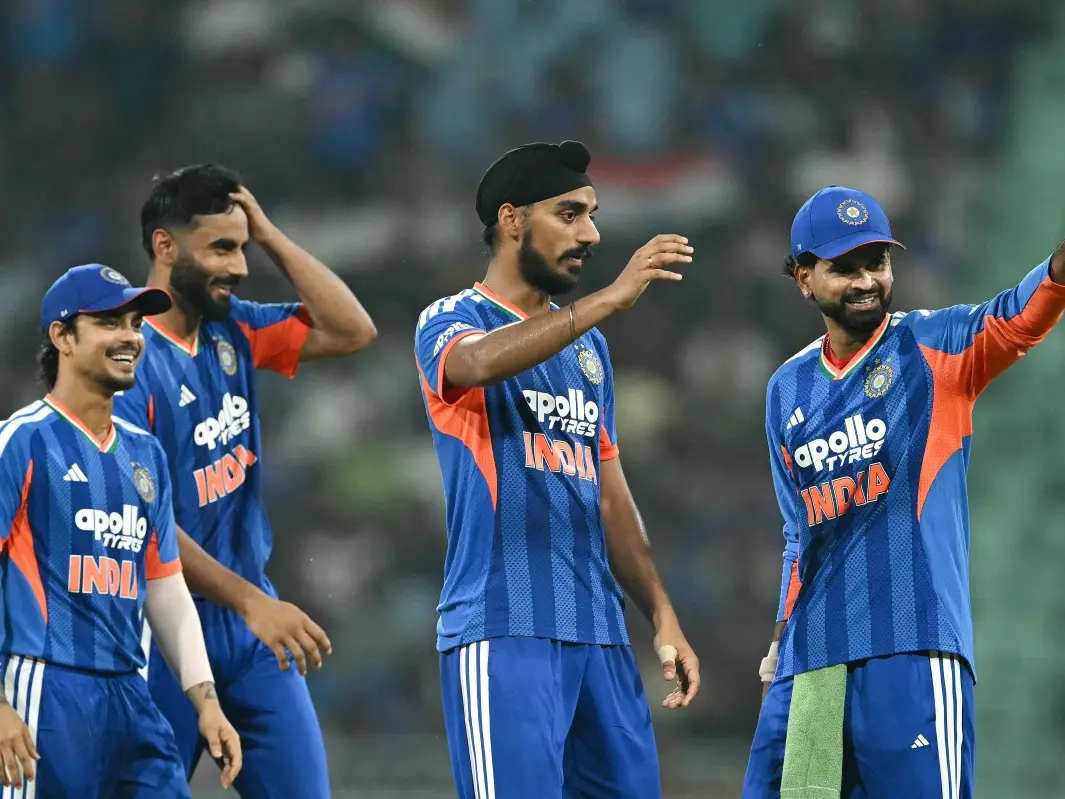
India arguably stand to gain the most. Their exceptional squad depth, consistent ODI performances and ability to rotate quality players make them well-equipped for a tournament requiring sustained excellence over several weeks. The longer competition also rewards teams capable of adapting to different conditions and maintaining intensity throughout.
Trending Stories
&imwidth=280&imheight=210&format=webp&quality=medium)
&imwidth=280&imheight=210&format=webp&quality=medium)
&imwidth=280&imheight=210&format=webp&quality=medium)
&im=FitAndFill=(700,400)&imwidth=280&imheight=210&format=webp&quality=medium)
&imwidth=280&imheight=210&format=webp&quality=medium)
&imwidth=280&imheight=210&format=webp&quality=medium)
&imwidth=280&imheight=210&format=webp&quality=medium)
&imwidth=280&imheight=210&format=webp&quality=medium)
&imwidth=280&imheight=210&format=webp&quality=medium)
&imwidth=280&imheight=210&format=webp&quality=medium)
&im=FitAndFill=(700,400)&imwidth=280&imheight=210&format=webp&quality=medium)
&imwidth=280&imheight=210&format=webp&quality=medium)
&imwidth=280&imheight=210&format=webp&quality=medium)
&imwidth=280&imheight=210&format=webp&quality=medium)
&imwidth=280&imheight=210&format=webp&quality=medium)
&imwidth=280&imheight=210&format=webp&quality=medium)
&imwidth=280&imheight=210&format=webp&quality=medium)
&imwidth=280&imheight=210&format=webp&quality=medium)
&imwidth=280&imheight=210&format=webp&quality=medium)
&imwidth=280&imheight=210&format=webp&quality=medium)
&imwidth=280&imheight=210&format=webp&quality=medium)
&imwidth=280&imheight=210&format=webp&quality=medium)
&imwidth=280&imheight=210&format=webp&quality=medium)
&imwidth=280&imheight=210&format=webp&quality=medium)
&imwidth=280&imheight=210&format=webp&quality=medium)
&imwidth=280&imheight=210&format=webp&quality=medium)
&imwidth=280&imheight=210&format=webp&quality=medium)
&imwidth=280&imheight=210&format=webp&quality=medium)
&im=FitAndFill=(700,400)&imwidth=280&imheight=210&format=webp&quality=medium)
&imwidth=280&imheight=210&format=webp&quality=medium)
&imwidth=280&imheight=210&format=webp&quality=medium)
&imwidth=280&imheight=210&format=webp&quality=medium)
&imwidth=280&imheight=210&format=webp&quality=medium)
&imwidth=280&imheight=210&format=webp&quality=medium)
&imwidth=280&imheight=210&format=webp&quality=medium)
Australia
Five-time world champions Australia have built a reputation for peaking during ICC events. Their balanced squads, tournament experience and ability to cope with pressure make them natural favourites under a format that demands consistency across multiple stages rather than just a strong group phase.
England
England's attacking ODI philosophy and deep batting resources could flourish. With more high-pressure matches before the knockout stages, teams possessing explosive batting and versatile all-rounders are likely to enjoy an advantage.
New Zealand
No team may be better suited to the new structure than New Zealand. The Black Caps have repeatedly reached the latter stages of ICC tournaments by relying on discipline, adaptability and consistency rather than star power. The revised format rewards precisely those qualities.
South Africa
As one of the co-hosts of the 2027 World Cup, South Africa could benefit from familiar conditions. Their pace-heavy attack and growing squad depth make them strong contenders in a tournament where maintaining form over several phases will be crucial.
Teams that face a tougher challenge
West Indies
The biggest concern surrounds the two-time world champions. Having slipped to 10th in the ICC ODI rankings, the West Indies are no longer guaranteed automatic qualification for the 2027 World Cup. Failure to improve their ranking would force them into the qualification pathway before they can even compete in the main tournament.
Bangladesh
Bangladesh have often shown they can upset stronger teams, but consistency has remained an issue. Under the revised structure, every match carries added significance, making early defeats far more damaging.
Pakistan
Pakistan could either emerge as one of the biggest beneficiaries—or one of the biggest casualties. Their ability to produce match-winning performances is unquestioned, but periods of inconsistency have frequently cost them in major tournaments. The new format leaves little room for prolonged dips in form.
Lower-ranked qualifiers
Associate nations and emerging teams will enjoy more exposure if they qualify, but progressing deep into the tournament remains a difficult challenge. Without the squad depth enjoyed by established cricketing nations, sustaining performances across multiple stages becomes considerably harder.
Why consistency matters more than ever
Unlike previous editions, the 2027 World Cup will place greater emphasis on sustained performances rather than short bursts of brilliance.
The format rewards teams that can:
- Win consistently across different stages.
- Handle repeated high-pressure encounters.
- Rotate players without weakening the squad.
- Adapt quickly to varying conditions and opponents.
Conversely, teams that suffer slow starts or rely on momentum alone could struggle to recover as every fixture carries greater weight.
What it means for the future
The ICC believes the revamped structure will create a fairer and more competitive World Cup by keeping more teams in contention for longer while ensuring every match has meaningful consequences. For cricket's traditional powerhouses, the changes appear favourable, rewarding depth, experience and consistency.
For lower-ranked teams, however, the challenge begins even before the tournament starts. With automatic qualification tied closely to ICC ODI rankings, every bilateral series leading up to 2027 could prove just as important as the World Cup itself. Ultimately, the revamped format shifts the focus from surviving the group stage to sustaining excellence throughout the competition, a change that could reshape the race for cricket's biggest 50-over prize.

