EXPLAINED: Decision to switch 2026 FIFA WC format back to 4-team groups could be confirmed later this month


EXPLAINED: Decision to switch 2026 FIFA WC format back to 4-team groups
The dust is yet to settle on the heroic achievements of Argentina as they liftedthe FIFA World Cup2022 by beatingFrance in the final in December. However, the countdown to the next World Cup has already begun as the likes of the USA, Canada and Mexico get ready to host the carnival of football. And one thing that has caught the eye is the expansion of the tournament to a staggering 48 teams which has attracted mixed reviews. As a result big questions have surfaced asFIFA gets ready to address the group stage issue where they are expected to revert to the four-team groups in 2026 showpiece.
In 2022, FIFA confirmed the plans for a 48-team tournament over the usual 32 teams as they wanted to earn a larger reach to a worldwide audience. The main agenda of FIFA's meet later this month will be the format of the tournament as they try to revert to the four-team groups which have been in use for a long time. If the reports are true, there will be an expected 12 groups in the tournament and thereby leaving a big question mark on how will the format work for the knockout stage.
Currently, a four-team group guarantees a smooth passage in the Knockouts (KO)as teams play even matches while also playing simultaneously on Matchday 3 to avoid handing over a advantage if a qualification scenario is on agenda. In case of three or more odd team groups, the qualification to the KOstage will hand over an advantage to one team in their final group match thereby affecting the integrity of the tournament.

A more structured multiple teams group like six could also work, but will increase the time span of the group stage and therefore affect the broadcasting side of things as less relevant matches will take place over a longer period of time. Surely, fans won't be wanting Zambia vs Bolivia on their TV screens on a weekend in June 2026 and that is what will be on agenda for FIFA when they revert to the four-team group.
As things stand, the current FIFA World Cup format guarantees an easy passage to the KO stage as teams play in a structured format of Round of 16, Quarterfinal, Semifinal and then followed by a final. So with 48 teams likely to be split into 12 groups, it will create a problem in structuring the format as the KO stage will either start with R16 or a Round of 32.
If the R32 is opted by FIFA, then the potential champion will play five matches in the KO's while any team playing in the later stage and getting knocked out will face harsh reality due to the fatigue factor. Also worth noting, FIFA will have to take the Euro KO stage approach to allot the remaining 20 KO spots apart from the 12 group winners to structure the Round of 32.
&imwidth=180&imheight=135&format=webp&quality=medium)
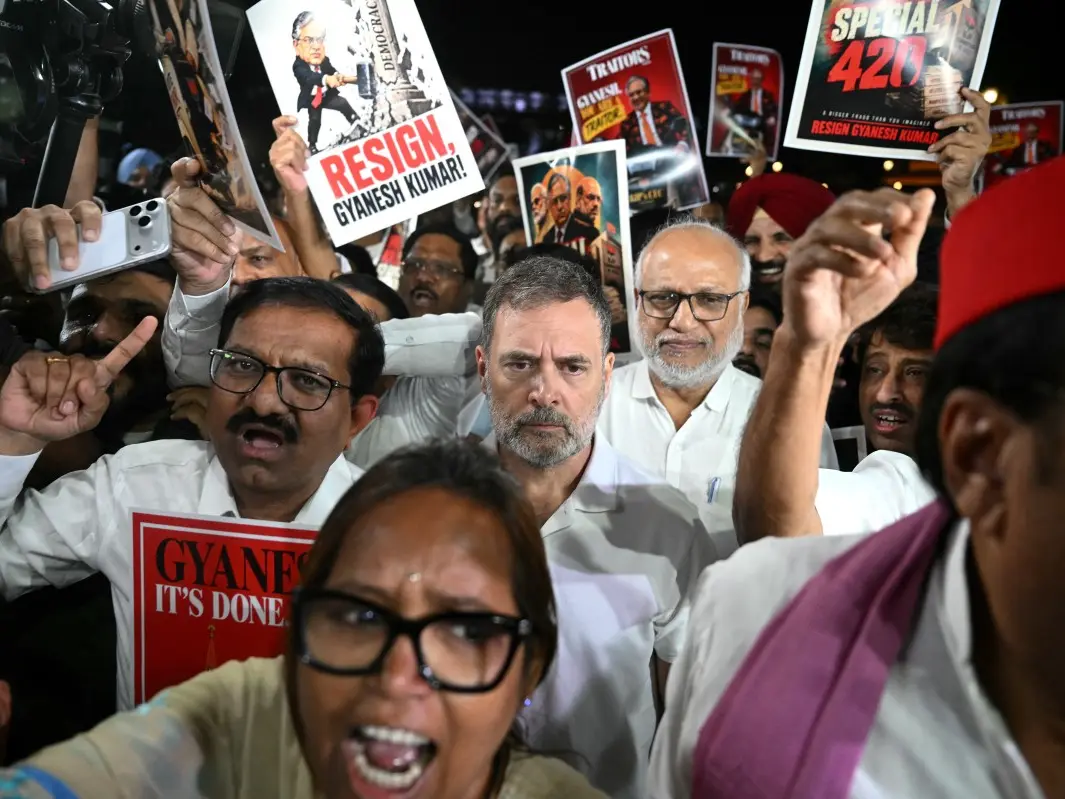
Rahul Gandhi's plea against Election Commission delayed as Supreme Court registry flags 14 ‘defects’
&im=FitAndFill=(700,400)&imwidth=180&imheight=135&format=webp&quality=medium)
Navratri 2026: 9 days, 9 forms of Goddess Durga and 9 colours- Check the complete list
&imwidth=180&imheight=135&format=webp&quality=medium)
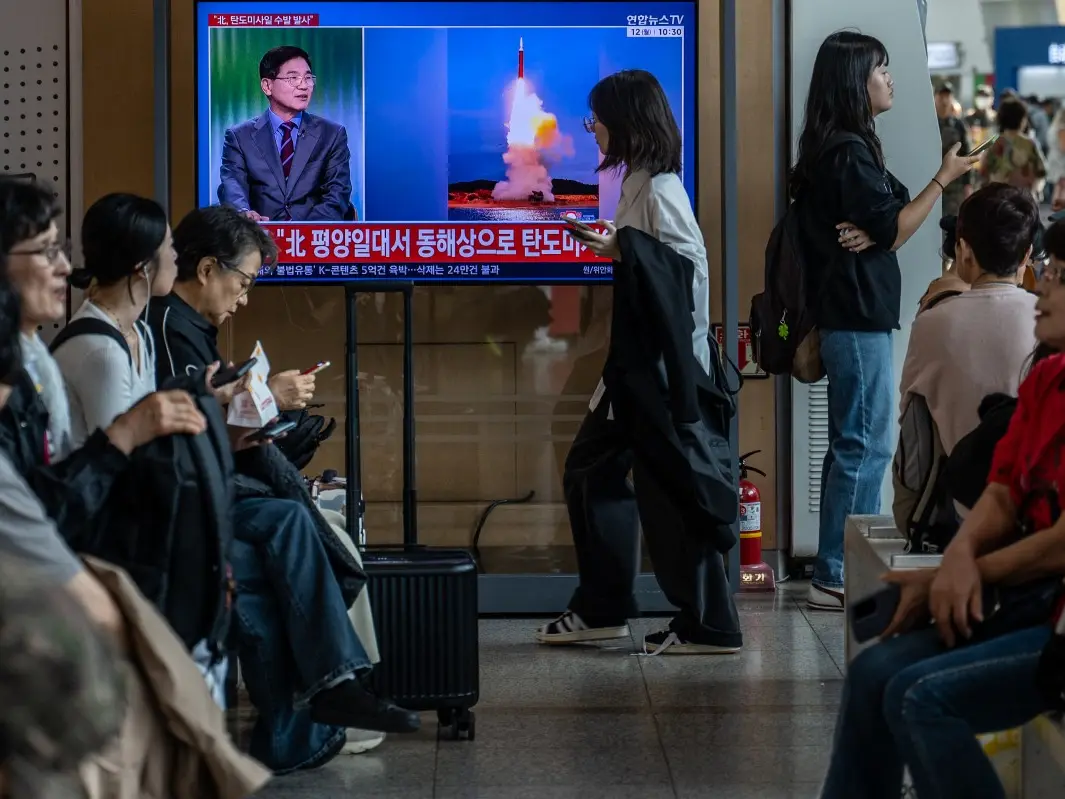
Korean peninsula tensions escalate as North Korea launches multiple ballistic missiles, PACOM says 'no threat to US personnel'
&imwidth=180&imheight=135&format=webp&quality=medium)
Trump weighs firing Kimberly Guilfoyle as US ambassador to Greece amid misconduct allegations: Report
&imwidth=180&imheight=135&format=webp&quality=medium)
Anti-SIR protest in Mumbai: Protestors wear black masks & ribbons in Mumbai
&imwidth=180&imheight=135&format=webp&quality=medium)
UK PM Andy Birnham renews claims of Russian meddling in Brexit vote
&imwidth=180&imheight=135&format=webp&quality=medium)
BCCI rejects venue shift reports, India vs Sri Lanka 1st ODI to remain in Delhi
&imwidth=180&imheight=135&format=webp&quality=medium)
'Absolutely disgusting': Australia slams US plan to livestream Nidal Hasan's execution; Mike Johnson raises concerns, warns of terrorist propaganda
&imwidth=180&imheight=135&format=webp&quality=medium)
1,500 drones illuminate Mumbai sky as Cordelia Cruises unveils second ship, Cordelia Sky
&imwidth=180&imheight=135&format=webp&quality=medium)
Houthis warns US of 'painful response' if Washington joins Saudi war in Yemen as airlines suspend flights to Saudi Arabia
&imwidth=180&imheight=135&format=webp&quality=medium)
Congress demands action against chief election commissioner
&imwidth=180&imheight=135&format=webp&quality=medium)
'Turn approver, resign, we'll forgive you': Rahul Gandhi claims receiving messages from CEC Gyanesh Kumar
&imwidth=180&imheight=135&format=webp&quality=medium)
'I will not be silenced': Ilhan Omar alleges political intimidation after federal officers search her Washington home
&imwidth=180&imheight=135&format=webp&quality=medium)
Robotic surgery, advanced treatment: What is coming to this small Gujarat town?
&imwidth=180&imheight=135&format=webp&quality=medium)
Pakistan's government blames PTI for rise of terrorism in Khyber Pakhtunkhwa
&imwidth=180&imheight=135&format=webp&quality=medium)
‘This is just the start’: Maaya Rajeshwaran on historic ITF title, confidence boost and future goals
&im=FitAndFill=(700,400)&imwidth=180&imheight=135&format=webp&quality=medium)
How does a robot decide what to do next?
&imwidth=180&imheight=135&format=webp&quality=medium)
Trump says he 'may' meet North Korean leader Kim Jong Un during upcoming Asia trip
&imwidth=180&imheight=135&format=webp&quality=medium)
'Ouch!!! That must hurt': Kangana Ranaut hails Kamal Haasan's sharp reply to Elon Musk over Starlink row
&imwidth=180&imheight=135&format=webp&quality=medium)
Sidhu Moose Wala’s younger brother wins hearts by recreating late singer’s signature move at Toronto Hologram Show
&imwidth=180&imheight=135&format=webp&quality=medium)
Girl 'dead' for 8 hours wakes up at her own funeral, dad insists she wasn't breathing
&imwidth=180&imheight=135&format=webp&quality=medium)
UK school ditches technology, shifts from screen to pen and paper for learning
&imwidth=180&imheight=135&format=webp&quality=medium)
Opposition’s 10 demands in Supreme Court petition range from stay on SIR to audit of voter rolls
&imwidth=180&imheight=135&format=webp&quality=medium)
'I am thoroughly unamused': Judge slams Trump administration after 400 trees cut at Washington golf course
&im=FitAndFill=(700,400)&imwidth=180&imheight=135&format=webp&quality=medium)
New OTT releases this week (October 12-18, 2026): Sacrifice, Koffee with Karan S9, Roadies Rebirth- 6 titles coming on Netflix, JioHotstar and more
&imwidth=180&imheight=135&format=webp&quality=medium)
Delhi protest: CJI Surya Kant declines to meet India Bloc leaders
&imwidth=180&imheight=135&format=webp&quality=medium)
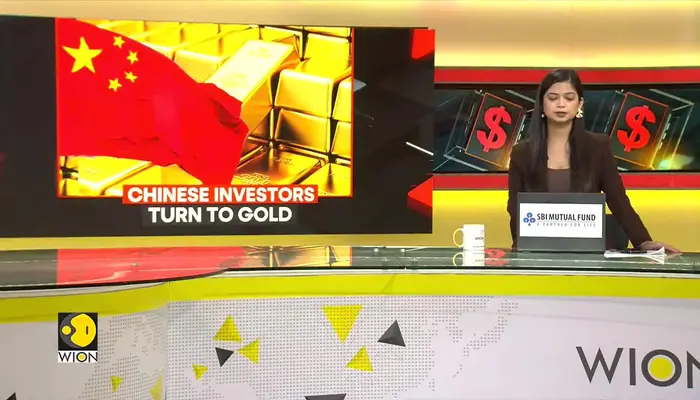
China’s gold rush puts billion in focus
&imwidth=180&imheight=135&format=webp&quality=medium)
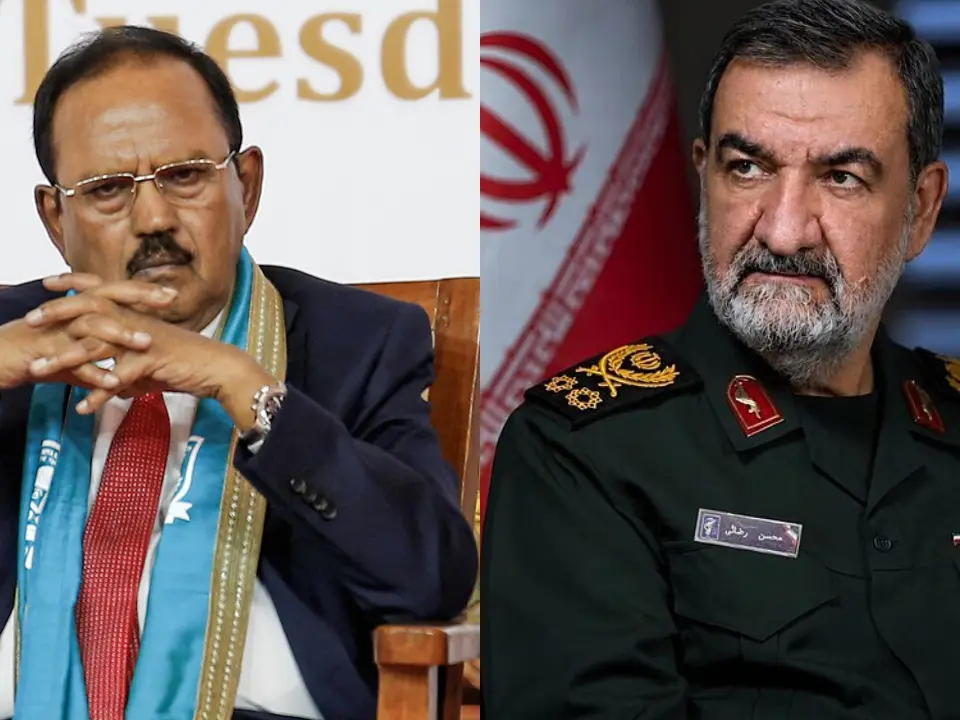
India's Ajit Doval, Iran's Mohsen Rezaei hold talks amid escalating West Asia tensions, discuss 'issues of mutual interest'
&imwidth=180&imheight=135&format=webp&quality=medium)
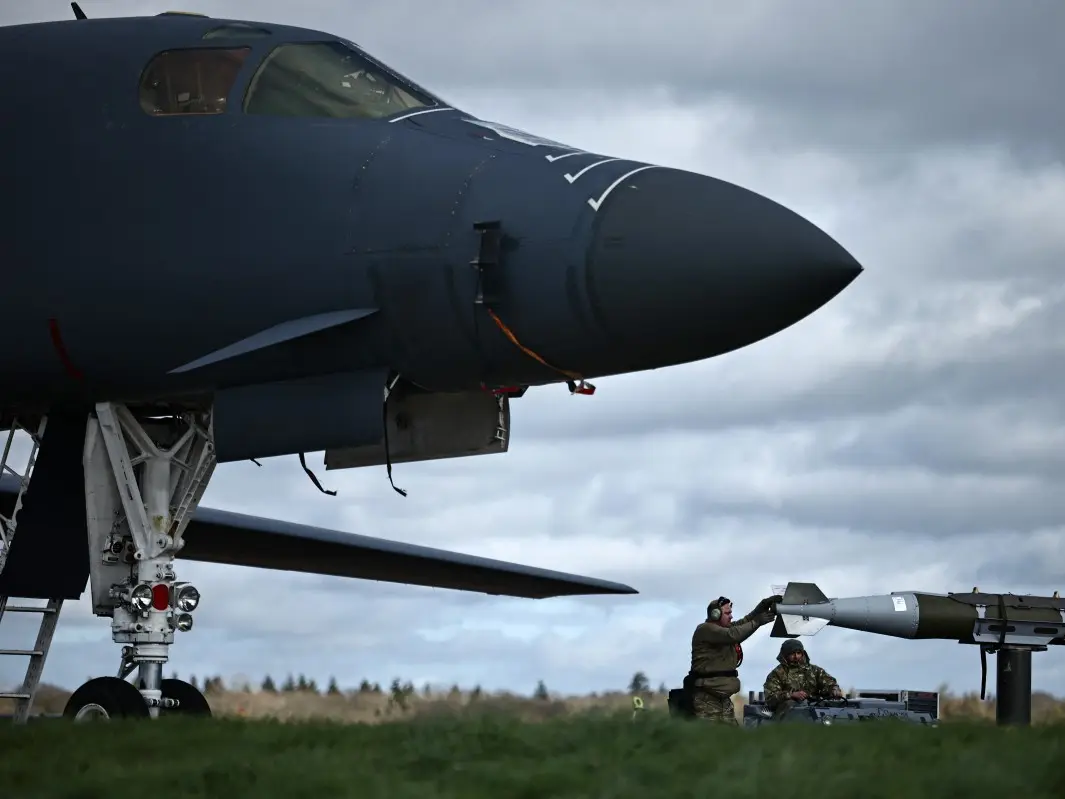
'Almost certainly': UK Prime Minister Andy Burnham says Iran's IRGC behind RAF Fairford threat
&imwidth=180&imheight=135&format=webp&quality=medium)
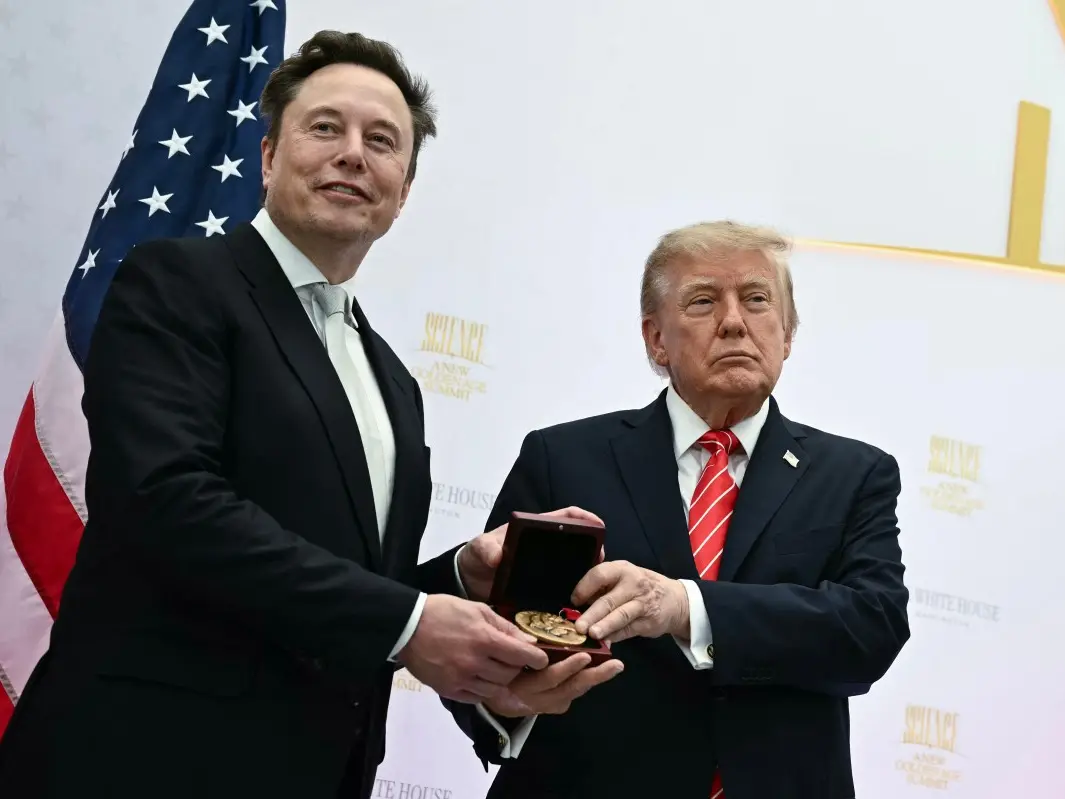
Elon Musk pumps $276 million into Republican campaigns ahead of US midterm elections
&imwidth=180&imheight=135&format=webp&quality=medium)
'Never met' him: Melbourne Imam denies links to Flydubai co-pilot Hamam al-Hammami
In case FIFA opts for R16, then only four teams from the runners-up lot of groups will be available for the Round of 16 as 12 other teams will be the group winners. Again this will mean that eight group runners-up teamsare likely to miss out on the KO spot.
While a R32 remains an out-of-the-box and unstructured idea, FIFA could go with a revised plan of 12 group winners directly qualifying for the R16. On the flip side of things, the eight best group runners-up will compete in the crossover matches like in Field Hockey. In this case, the eight best group runners-up will compete in an unofficial R32 where the winners will compete in the R16.
While these plans are still in the if's and but's, the fans might well have to end up watching some boring irrelevant games over the weekend of June and July 2026 as the structured plan looks to give entries to teams having less exposure to compete at the global stage.
While the question for the format is set to be answered, other questions like the quality of matches, length of the group stage, the longevity of the tournamentand player health and fitness issues remain unanswered. It is also worth keeping an eye on the Television Rated Point (TRP) as TV fans are likely to show their back to big teams facing small teams for a long period of time while big matches are likely to take place occasionally in the group stage. So we are less likely to see Spain vs Portugal match in thegroup stage as FIFA accelerates its plans to revamp the FIFA World Cup for the 2026 edition which will be spread across three countries while teams will gather to conquer the holy grail of football.
