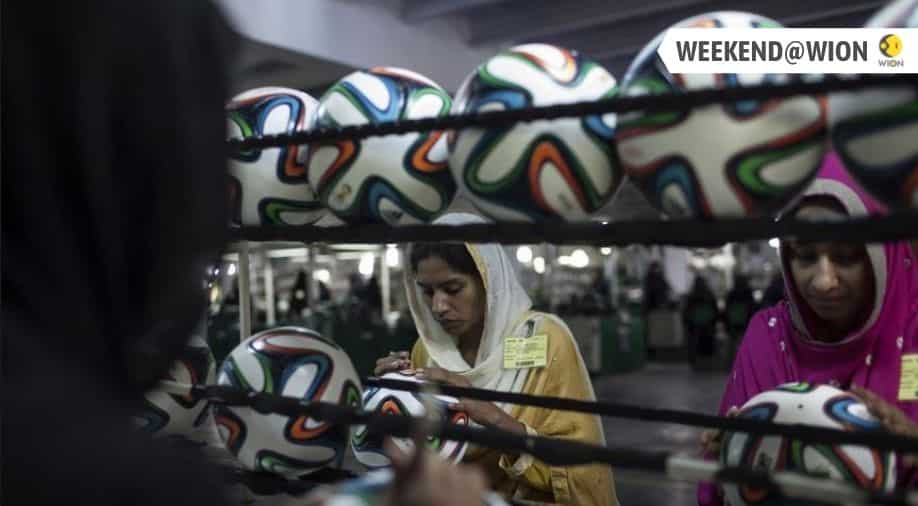
This Pakistani city produces more than 70% of all footballs in the world

SIALKOT-footballs
This Pakistani city produces more than 70% of all footballs in the world
Football was India's second-largest export commodity until 2011.
Pakistan then started manufacturing stitchless balls that were bonded together using heat.

They are more resilient and hold their shape better.
Following that, the Islamic Republic was awarded contracts for the FIFA World Cups in 2014 and 2018.
In the Pakistani city of Sialkot, almost 70% of the world's soccer balls are manufactured.
)
Why asking questions could be more important than memorising answers
)
BRICS Summit 2026 full schedule: Day-wise agenda, timings and key issues - All you need to know
)
BRICS Summit 2026: Iran's Pezeshkian praises PM Modi at BRICS
)
BRICS rejects EU carbon tax as ‘punitive’, ‘discriminatory’; warns of burden on Global South
)
'Iran won't surrender': Pezeshkian sends blunt message to US while attending BRICS Summit in India
)
Why dehydration is the hidden cause of travel fatigue on long flights
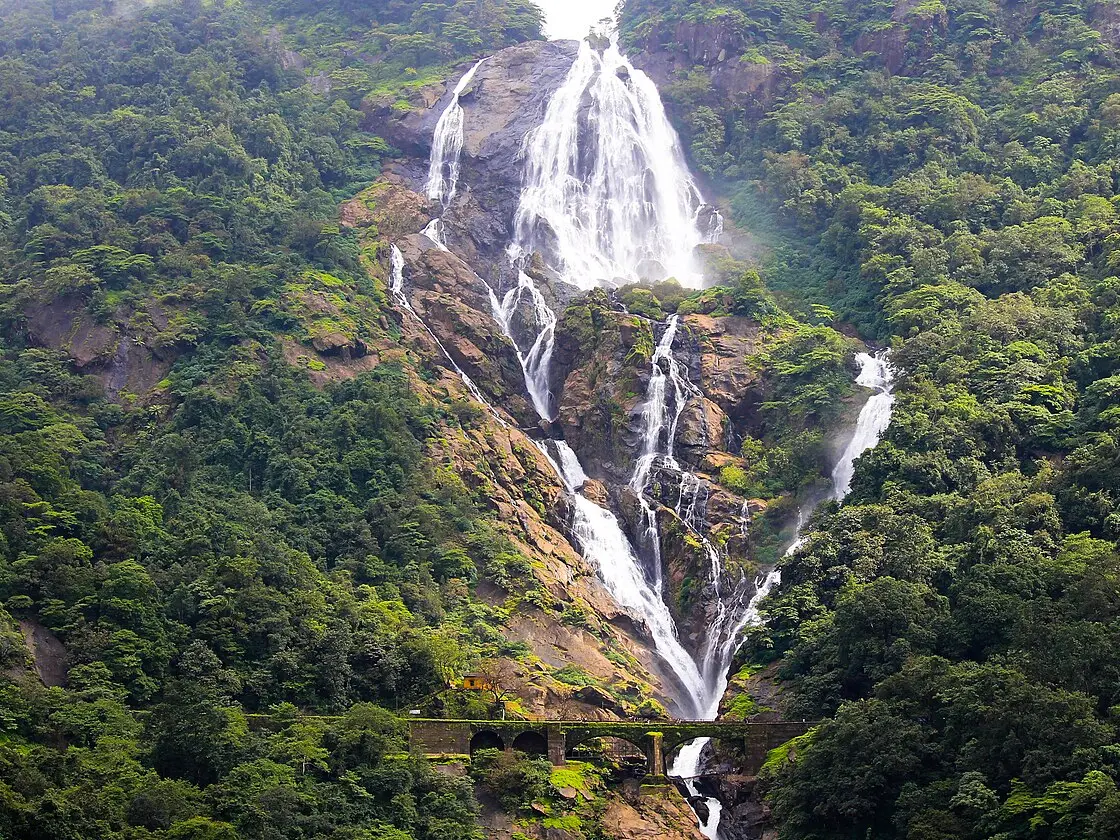)
Top 5 places to visit in Goa beyond its famous beaches
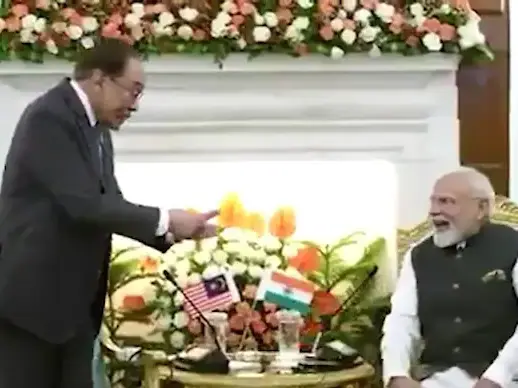)
'He is popular...': Malaysian PM Anwar Ibrahim's praise for PM Modi during bilateral meeting | WATCH
)
BRICS Summit 2026: 30+ countries seek BRICS membership
)
Frustrated man demolishes his kitchen after thousands flock to see Mother Mary his wife spotted on the wall
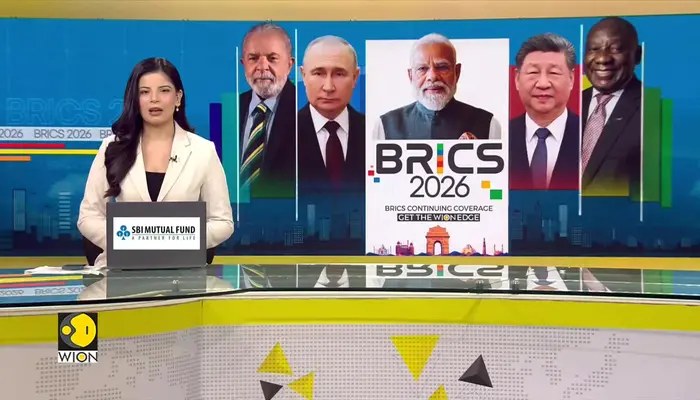)
BRICS Summit 2026: PM Modi, Xi reach key consensus on ties, China to assume BRICS chairmanship in 2027
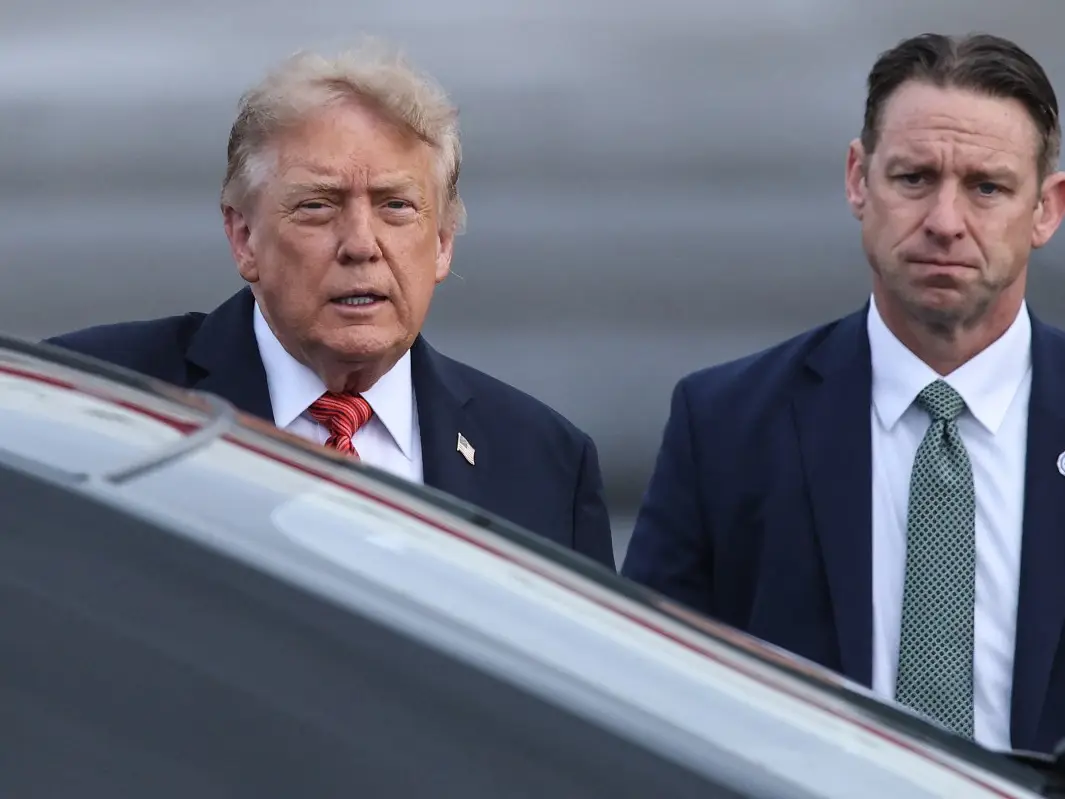)
Trump says Canada eager to reach a deal, it could come ‘fairly soon’ if Ottawa treats US farmers better
)
From drones to KAAN fighters: Turkey outlines 229% surge in defence spending amid regional shifts
)
‘Partners, not rivals’: Xi outlines four point plan for stronger India-China ties
)
Could staying indoors all day affect your health?
)
Bigg Boss 20: Uditi Singh reacts to ex Karan Wahi’s possible wildcard entry
)
Why going digital does not always mean becoming more efficient
)
800 million years old - Scientists discover 'fingerprints' of supercontinent Gondwana in ancient rocks
)
Israel spent nearly $470,000 on PM's hair, makeup since 2019, data shows
)
From severe mobility problems to recovery: Madhuri the elephant’s journey of wildlife care
)
BRICS Summit day 1: New Delhi declaration adopted with full consensus, big diplomatic win for India
)
From India, Putin warns Europe against sending troops to Ukraine, Zelensky expresses willingness to meet him at G20 Summit
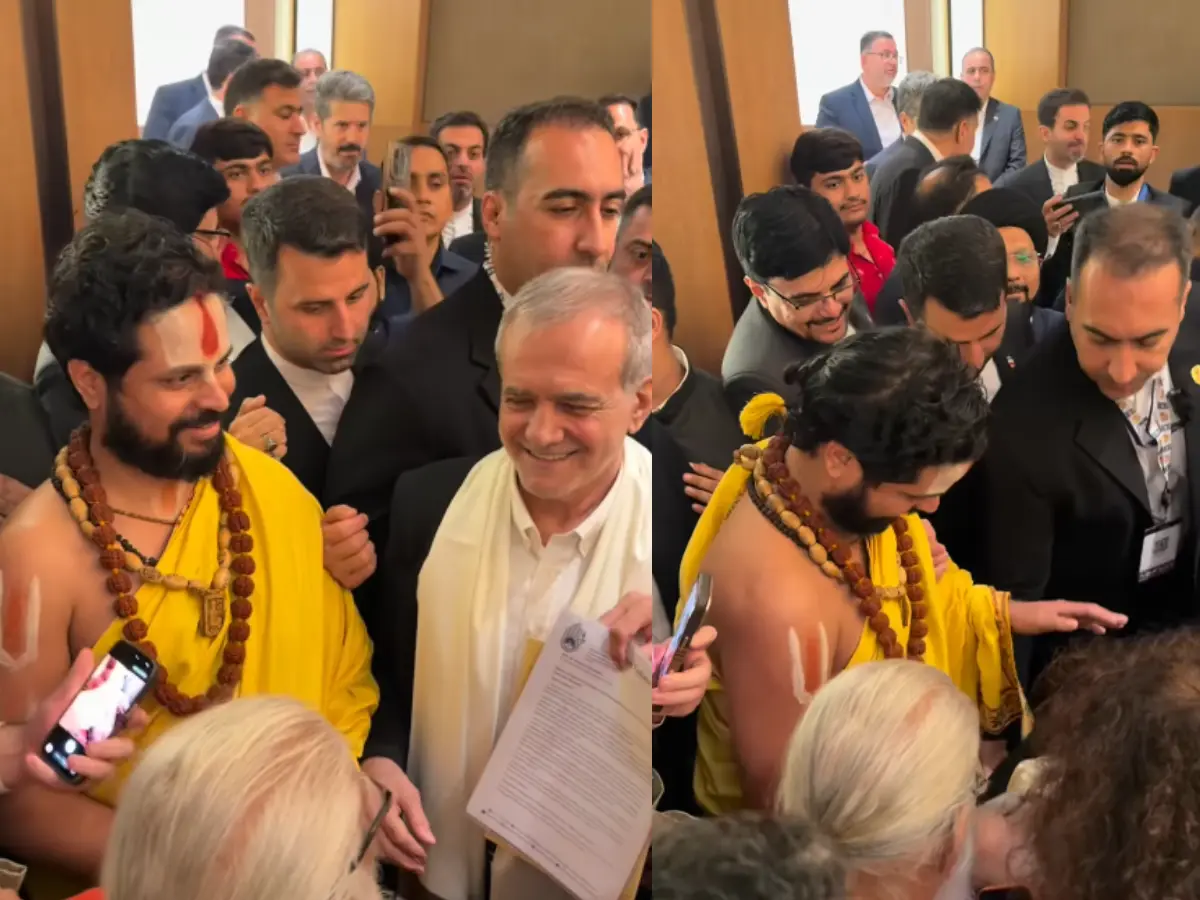)
Did Iran President Pezeshkian touch feet of Hindu spiritual leader at Delhi event as shown in viral video?
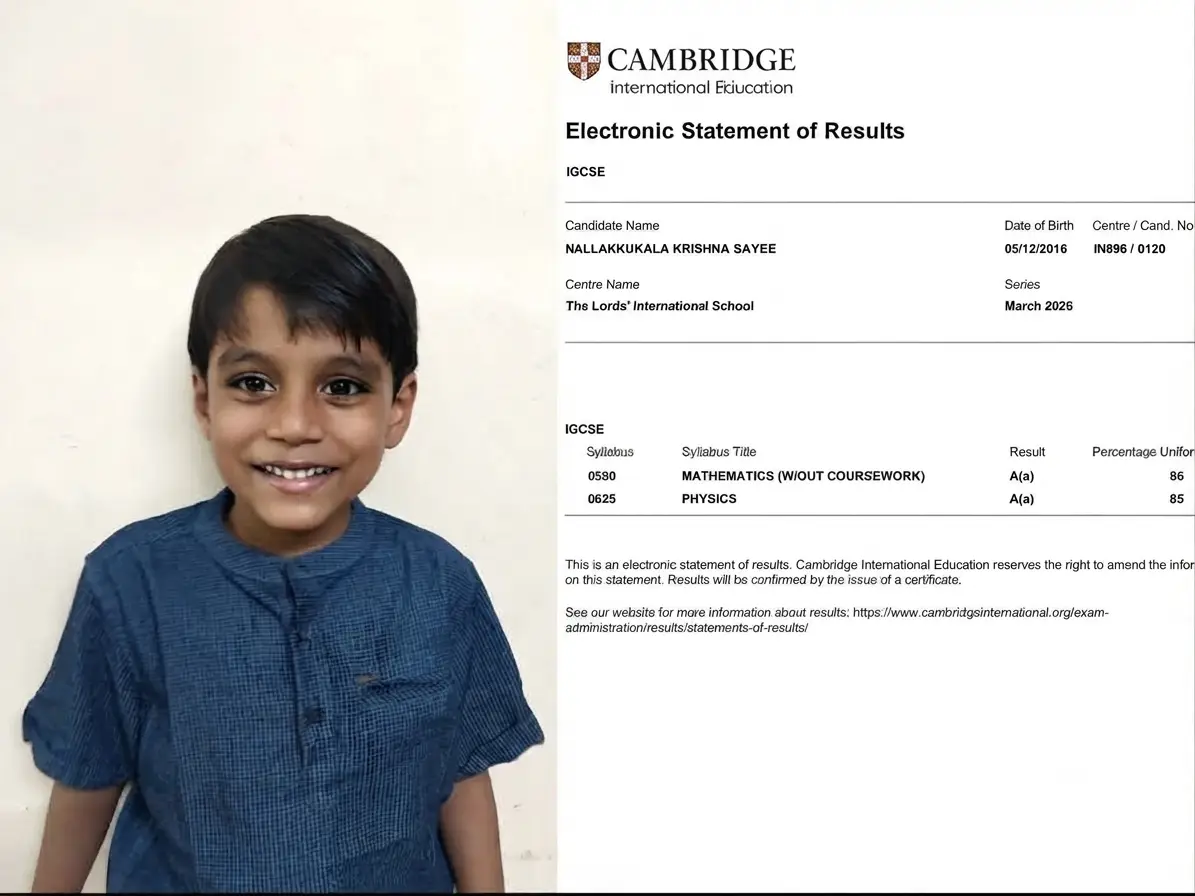)
9-year-old Chennai prodigy clears Cambridge IGCSE grade 10 exams
)
Reacher actor Alan Ritchson, wife Catherine part ways after 20 years of marriage
)
Why does your body need time to adjust after a long journey?
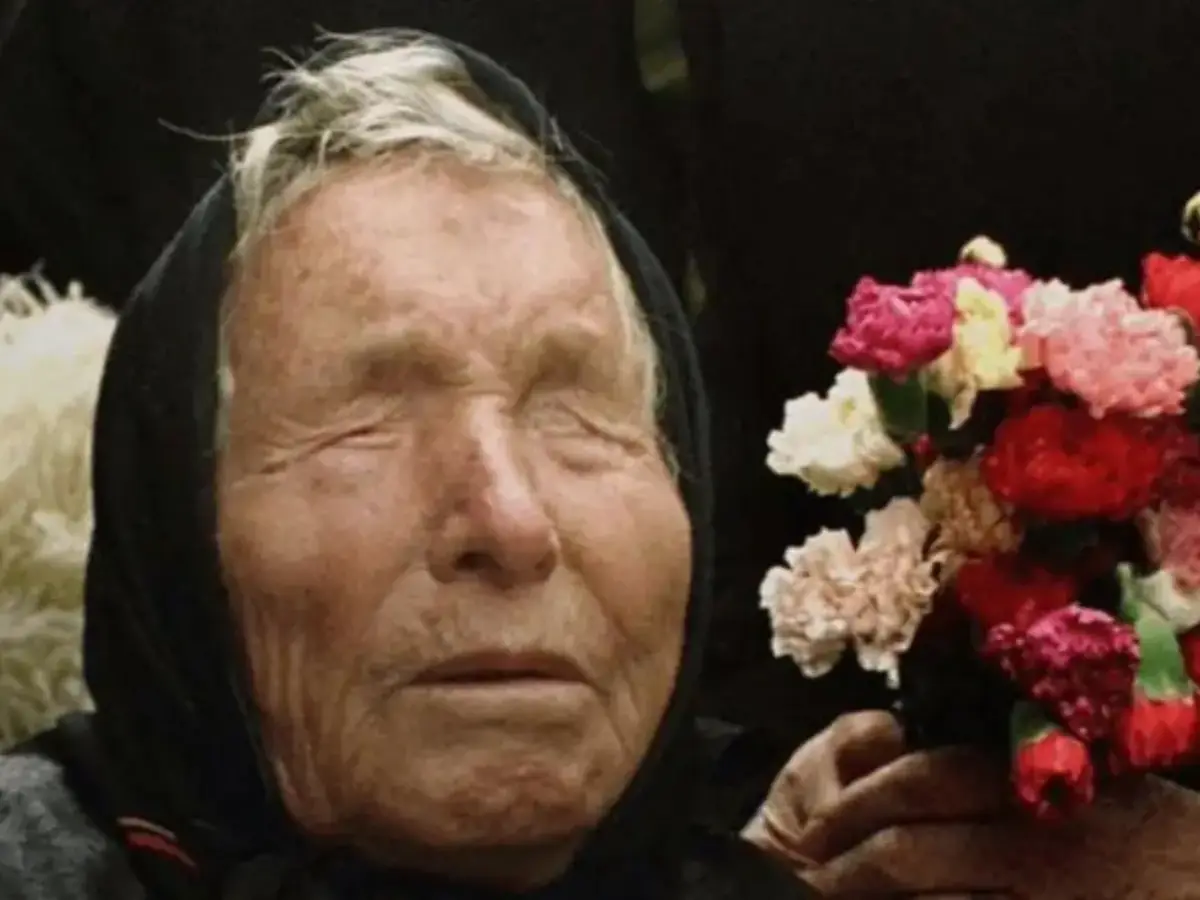)
Baba Vanga's first prophecy for 2027 is out, and straight out of science fiction
)
Why does your skin need protection from UV rays?
)
How does the loss of forests affect the way wildlife lives and moves?
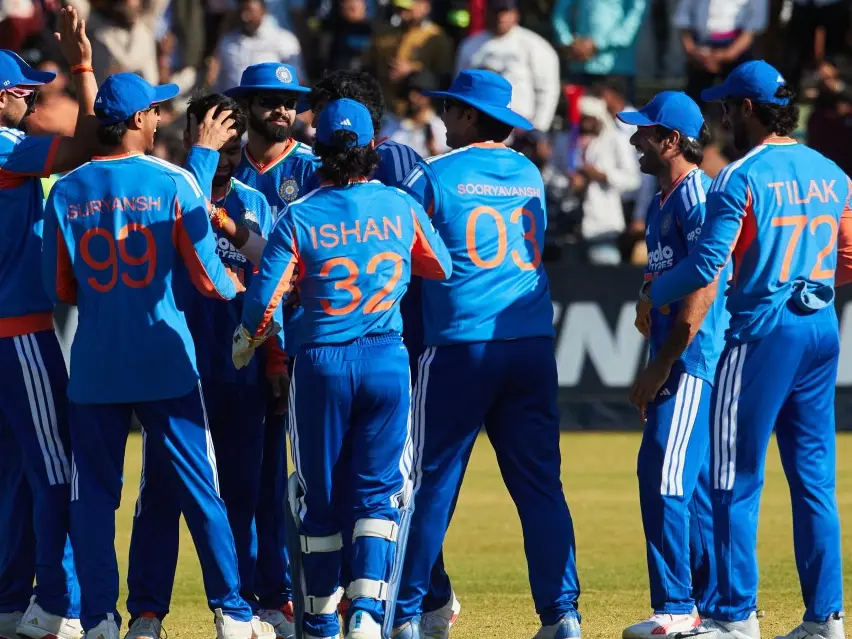)
IND vs AFG, 1st T20I: When and where to watch live streaming in India?
)
Anthropic is giving Claude to schools free, and the reason is not philanthropy
)
BRICS Summit: China resumes Guangzhou-New Delhi flight, issues 'good-neighbourliness' remark ahead of Xi-Modi meet
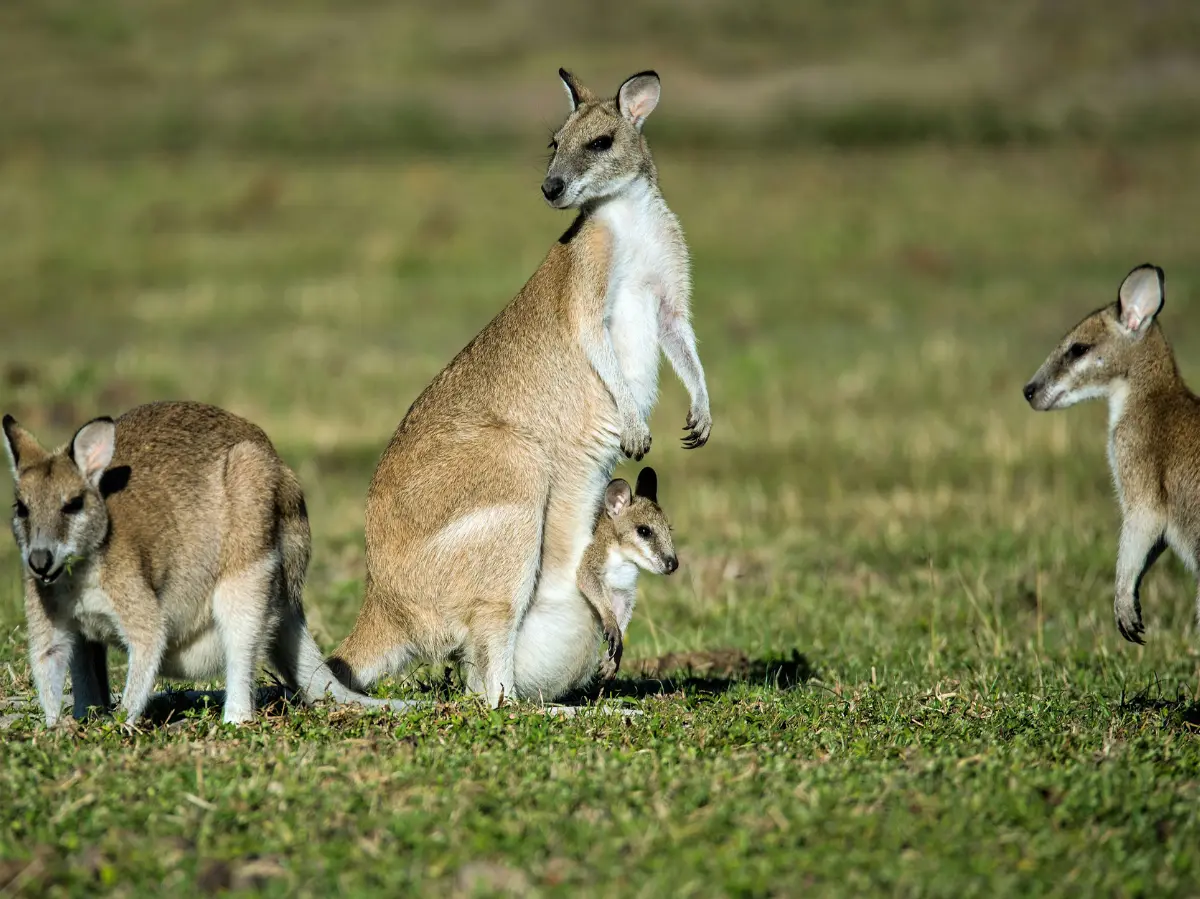)
Why do wild animals need quiet places to survive?
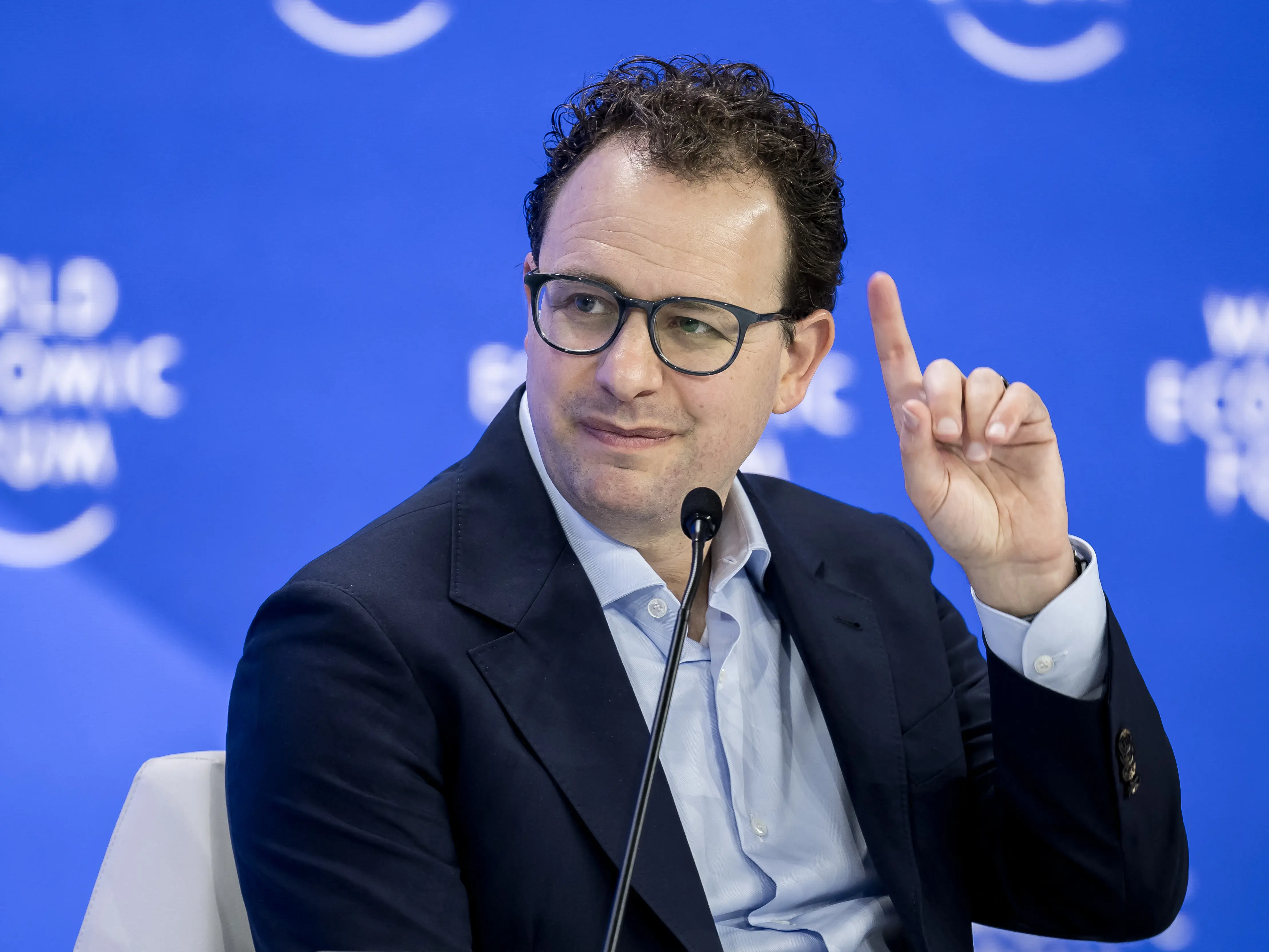)
Humans may lose control of AI: Anthropic CEO calls for slowdown, Altman, Musk back him
At least 1,000 soccer ball firms employ almost 60,000 individuals in Sialkot.
Despite its FIFA rating of 198, Pakistan shipped 38 million balls for $154 million ahead of the 2018 World Cup in Russia.

A brief history of football production in Sialkot
It's fascinating to learn when and how Sialkot became famous for its soccer balls.
Soccer ball manufacture may be dated back to the region's British colonial era.
The football-obsessed Britons used to order their supplies from Britain, and they would become agitated while waiting for the shipment of footballs to arrive by sea.

(Picture courtesy: Twitter.com)
According to legend, in 1886, a British sergeant requested a Sialkot saddle maker to mend his punctured ball, and after being pleased with his abilities, he placed an order with him for a batch of footballs.
Since then, the city has produced a large number of footballs for the game, players, and fans.
Traditionally, footballs were hand-stitched, but the stitching and artisan skills of the employees were so good that, for the first time, in 1982, the city of Sialkot was awarded a contract to manufacture footballs for the FIFA World Cup 1982, which was hosted by Spain.
Pakistan's footballs for the 1982 World Cup were an upgraded version of the Adidas Tango Ball, which was initially presented for the 1978 FIFA Football World Cup.
The 1982 World Cup ball was an upgraded version of the leather ball, with rubber inlaid over the seams for the first time to prevent water from leaking in.
As a result, it was the first World Cup ball to be water-resistant.
This was a much-needed need since otherwise, the ball would get heavier owing to water seepage through the seams.
However, the rubber used to prevent water entrance would wear out due to normal kicking and would need to be changed throughout the game.
It was the last genuine leather World Cup football.
Sialkot is also well-known for producing volleyballs, hockey sticks, cricket bats, and apparel.
Local manufacturers think that Pakistani firms are taking business away from their Chinese competitors due to their high-quality final goods.
(With inputs from agencies)