Sri Lanka lifts social media gag as students defy curfew to protest against inflation, power cuts

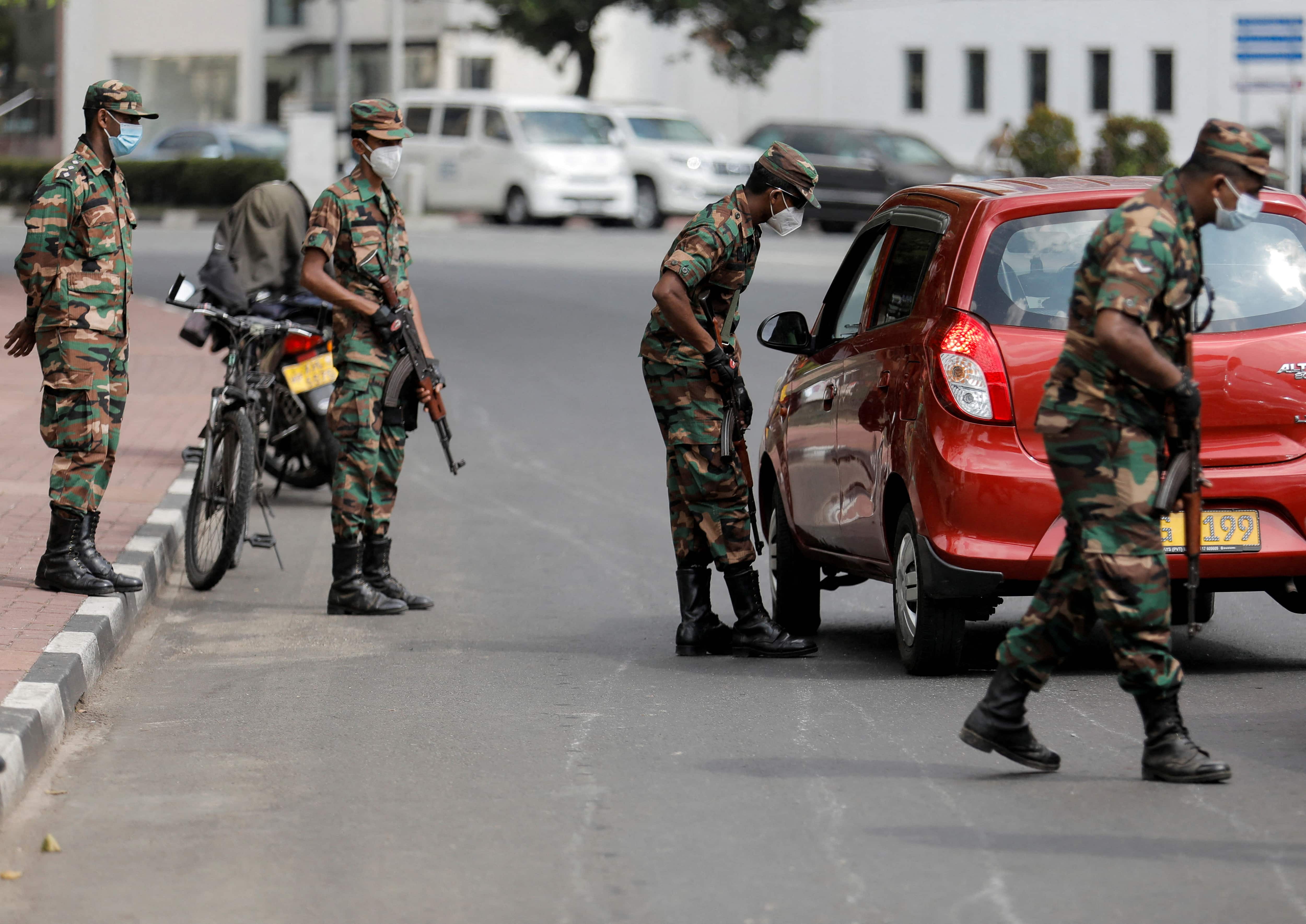
Sri Lankan army soldiers stand guard at a checkpoint amid curfew
After facing flak, Sri Lanka on Sunday lifted all restrictions placed on social media platforms ahead of a planned anti-government protest against the worsening economic crisis that is marked by rising inflation and scarcity of essential items.
Facebook, Twitter, YouTube, Instagram, Snapchat, WhatsApp, Viber, Telegram, and Facebook Messenger were restored after 15 hours, according to PTI news agency which quoted a government official.
The 15-hour social media gag, which was aimed at preventing protests in Colombo, failed to deter the agitators as the users switched to VPN to voice displeasure over the move.

Within hours after the ban, the suers started trending anti-government hashtags in Facebook and Twitter.
Notably, Sri Lanka’s sports minister and President Gotabaya Rajapaksa’s nephew, Namal Rajapaksa slammed the move, saying that the availability of VPN makes such bans completely useless.
In a tweet, the minister also urged the government to think more progressively and reconsider this decision.
&imwidth=180&imheight=135&format=webp&quality=medium)
'Hell of a beautiful a**': Trump compliments Nicki Minaj as rapper joins him in Michigan rally
&imwidth=180&imheight=135&format=webp&quality=medium)
'Hire the robot, fire the human': Bill Gates's words hint at a bleak future
&imwidth=180&imheight=135&format=webp&quality=medium)
'Lousy president': Trump hits back at Obama over 'cheesecake factory' White House jibe
&imwidth=180&imheight=135&format=webp&quality=medium)
Jordan strikes 'terrorist organisations' in Syria after deadly church attack as Damascus shuts main border crossing
&imwidth=180&imheight=135&format=webp&quality=medium)
Microsoft offers voluntary exit packages to 60,000 employees in India, US, UK and Canada
&imwidth=180&imheight=135&format=webp&quality=medium)
WATCH | Virat Kohli returns to training ahead of New Zealand ODI series
&imwidth=180&imheight=135&format=webp&quality=medium)
'He is a red flag': Ex-India strength and conditioning coach on Rohit's fitness regime
&imwidth=180&imheight=135&format=webp&quality=medium)
One dead, six injured in Elizabeth, New Jersey mass shooting; suspect flees
&imwidth=180&imheight=135&format=webp&quality=medium)
Maurene Comey, daughter of ex-FBI director James Comey, was unlawfully fired as federal prosecutor, judge rules
&imwidth=180&imheight=135&format=webp&quality=medium)
Hijack scare unfolds on United flight over suspicious text message. Here is what happened
&imwidth=180&imheight=135&format=webp&quality=medium)
‘That is a miss’: Ravi Ashwin questions Sooryavanshi’s demotion to No. 3 in 2nd T20I vs NZ
&imwidth=180&imheight=135&format=webp&quality=medium)
Pakistan airline PIA unveils new crew uniforms, faces online criticism
&imwidth=180&imheight=135&format=webp&quality=medium)
Police called after 3-year-old scores 10 goals in 12 minutes at Florida youth soccer game
&imwidth=180&imheight=135&format=webp&quality=medium)
Trick or Treat -Anthropic's IPO sales pitch is the perfect Halloween scare for AI enthusiasts
&im=FitAndFill=(700,400)&imwidth=180&imheight=135&format=webp&quality=medium)
New OTT releases this week (October 26-November 1, 2026): Baththa, Akka, The One About Matthew Perry- 7 titles coming on Netflix, Prime Video and more
&imwidth=180&imheight=135&format=webp&quality=medium)
Mohra re-release in 4K: Akshay Kumar, Raveena Tandon’s film to clash with Ranbir Kapoor’s Ramayana
&imwidth=180&imheight=135&format=webp&quality=medium)
US Midterms 2026: Last leg polls and forecasts indicate Democratic momentum, but Senate control remains uncertain
&imwidth=180&imheight=135&format=webp&quality=medium)
'Already tired of his 9-to-5': Baby born with a moustache becomes internet sensation, video goes viral | Watch
&imwidth=180&imheight=135&format=webp&quality=medium)
Zimbabwe slips four places to 14th out of 29 in Africa’s Digital Rights and Inclusion ranking
&imwidth=180&imheight=135&format=webp&quality=medium)
Storm Boelo’s fierce winds push passenger plane onto grass in UK, terrifying landing caught on cam
&imwidth=180&imheight=135&format=webp&quality=medium)
Democrats allege 'desperate efforts to cover up' Trump's involvement in Jeffrey Epstein sex crimes, release 50-page report
&imwidth=180&imheight=135&format=webp&quality=medium)
'She is a beautiful woman': Trump mocks Mexican President Sheinbaum, mimics her voice at US Midterms rally
&imwidth=180&imheight=135&format=webp&quality=medium)
Uttarakhand innovator Ravi Tamta builds flying car without any formal engineering degree
&imwidth=180&imheight=135&format=webp&quality=medium)
US midterms 2026: Democrat Annie Andrews gains bipartisan backing against Trump's pick Darline Graham in South Carolina Senate race
&imwidth=180&imheight=135&format=webp&quality=medium)
Chris Brown given suspended eight-month jail term for London nightclub attack
&imwidth=180&imheight=135&format=webp&quality=medium)
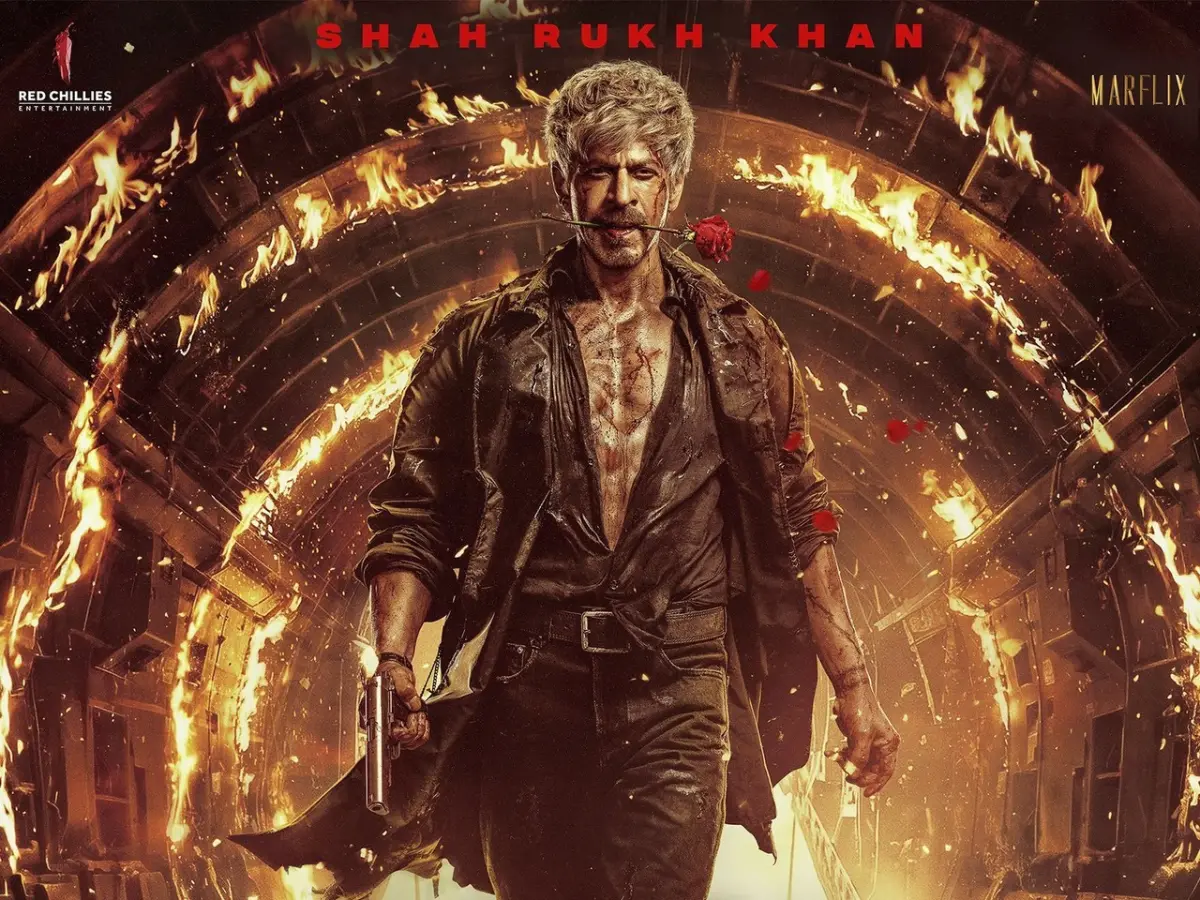
Shah Rukh Khan unveils new poster of King, Internet reacts
&imwidth=180&imheight=135&format=webp&quality=medium)
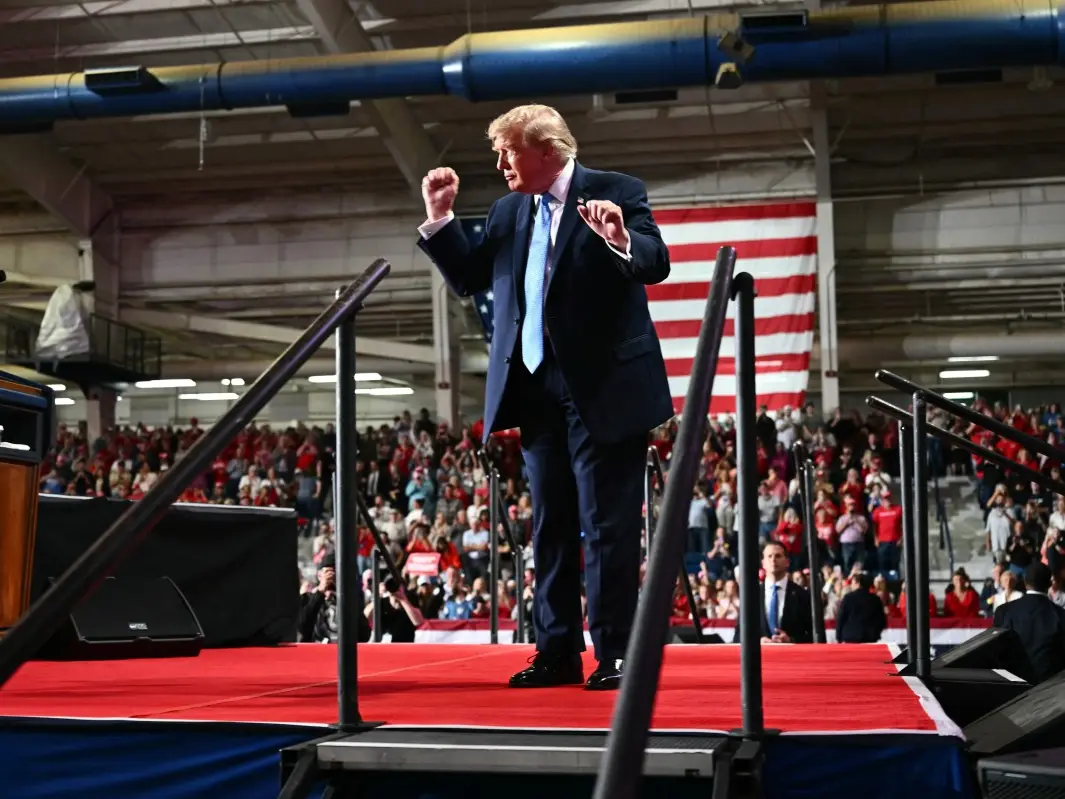
'Shove that ballroom up your a**': Trump heckled at Mississippi rally over White House ballroom renovations | WATCH
&imwidth=180&imheight=135&format=webp&quality=medium)
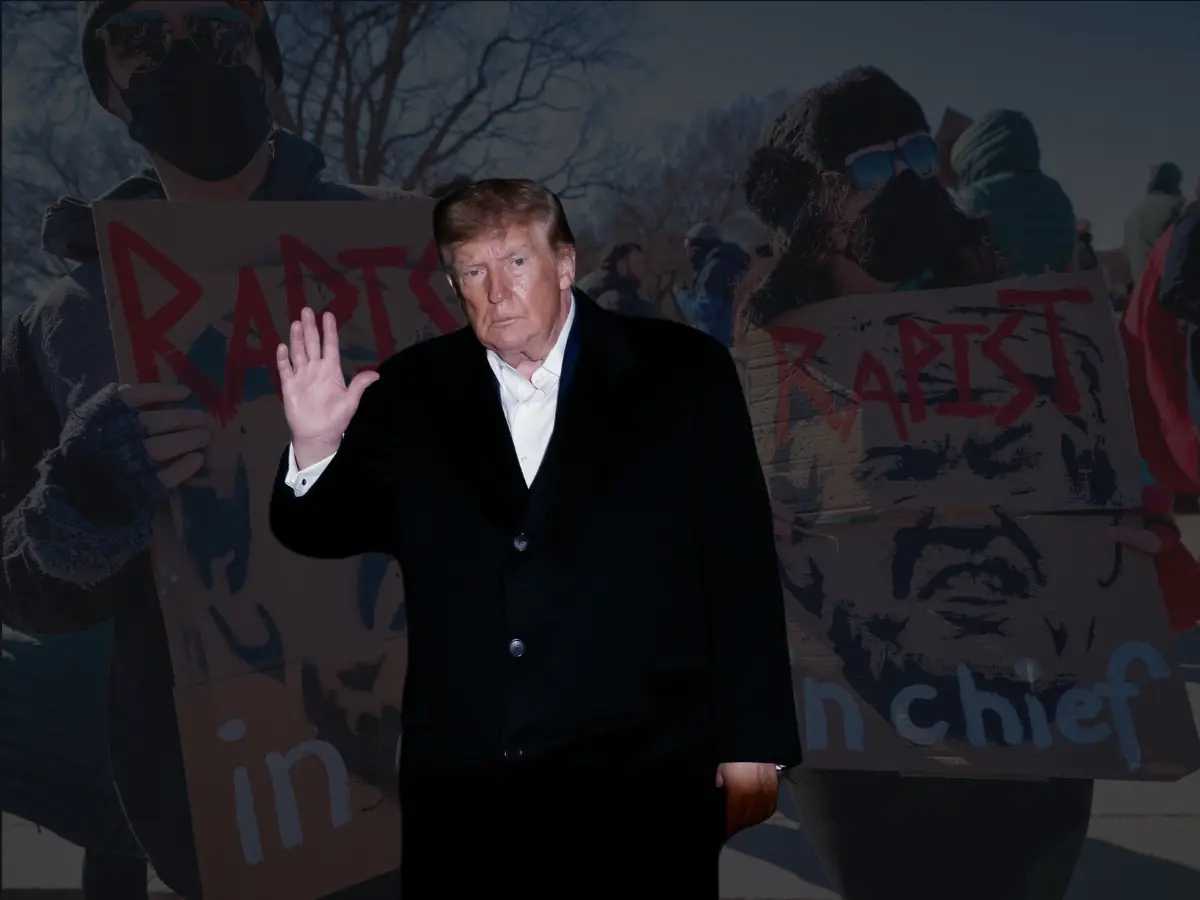
Trump accused of 'brutal' rape by ex-Miss Switzerland; Beatrice Keul alleges 'Don's best friend' Epstein facilitated assault in 1993
&imwidth=180&imheight=135&format=webp&quality=medium)
Meta’s AI bet is getting more expensive: What its $95 billion share plan means
&imwidth=180&imheight=135&format=webp&quality=medium)
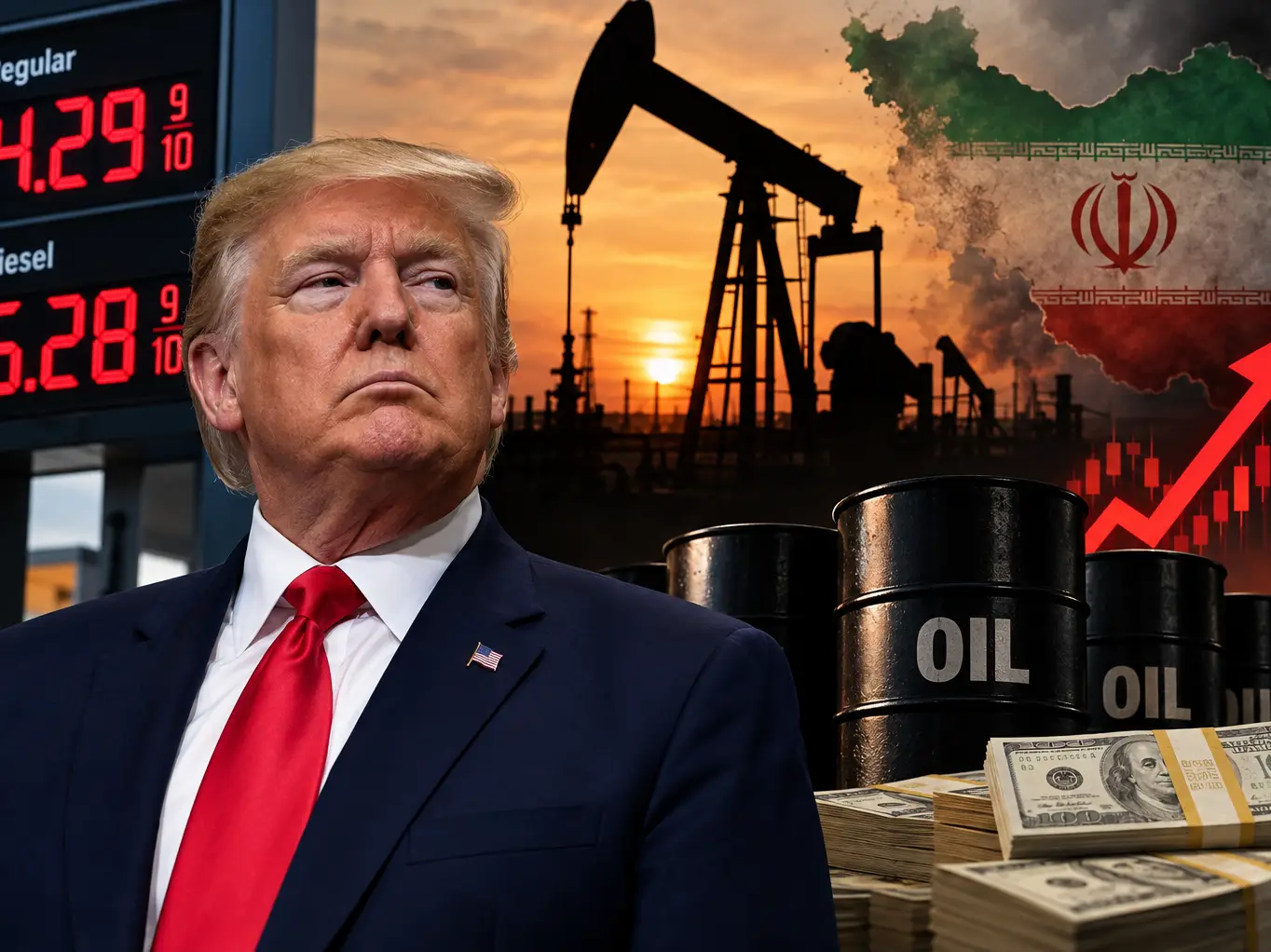
Trump’s oil and gas holdings surge to $81.6 million amid Iran war as Americans face rising fuel costs
&imwidth=180&imheight=135&format=webp&quality=medium)
'I've done my work sincerely': AR Rahman on facing backlash over Ramayana soundtrack
“I will never condone the blocking of social media. The availability of VPN, just like I’m using now, makes such bans completely useless,” tweeted Namal.
However, despite the social media gagging and 36-hour-curfew, hundreds of people, especially the students, turned to the streets to protest against the Rajapaksa government.
Armed soldiers were called in to thwart an attempt by a crowd of hundreds of protesters to march to Independence Square in the capital Colombo.
Lakshman Kiriella, MP from the second-largest city, Kandy, accused the police of using tear gas to disperse the protesting students near the University of Peradeniya, reports Reuters news agency.
"These students have come out in defiance of the curfew and police have fired tear gas to disperse them," Kiriella, from the opposition Samagi Jana Balawegaya party, was quoted as saying.
The university is on the outskirts of Kandy, where the students had been held back by police, he said.
On Friday, President Gotabaya Rajapaksa declared a state of emergency in the wake of acute shortage of essential items, rising prising and power cuts.
The curfew exists till Monday morning.
The island nation is grappling with its worst economic crisis since independence in 1948.
The current crisis is the result of economic mismanagement by successive governments and has been accentuated by the COVID-19 pandemic, which has hit tourism and remittances.
The government has said it is seeking a bailout from the International Monetary Fund and loans from India and China.
New Delhirecently announced that it will extend a USD 1 billion line of credit to Colomboas part of its financial assistance to the country to deal with the economic crisis following a previous $500 billion line of credit (LoC) in February to help it purchase petroleum products.