
&imwidth=800&imheight=600&format=webp&quality=medium "'Parliament burned, Oli out': What’s next for Nepal after deadly protests force PM to resign? Who’s calling the shots now?")
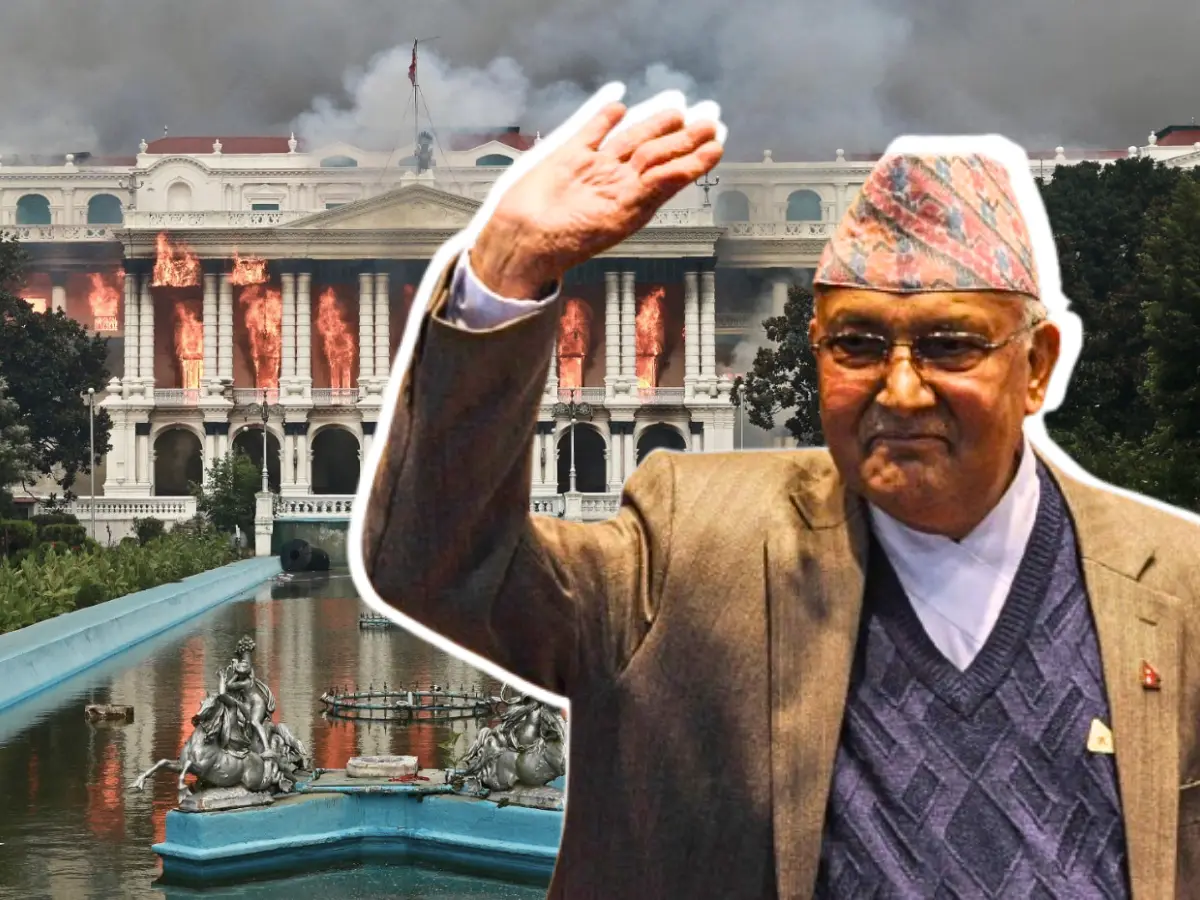
Protests in Nepal have spiralled into the country’s worst unrest in decades, even after Prime Minister KP Sharma Oli resigned on Tuesday (September 09). His departure followed three days of violent demonstrations triggered by a short-lived social media ban and fuelled by anger over corruption. At least 22 people have been killed in clashes with police. But instead of easing tensions, Oli’s exit has left a leadership vacuum and raised fresh questions over who is in charge.
Protesters torch parliament and prisons breached

On Tuesday, crowds stormed and set fire to parliament in Kathmandu, with thick smoke rising across the capital. Government buildings and homes of senior politicians were also attacked. Officials confirmed that 900 inmates escaped from two prisons in western Nepal. Inside parliament, jubilant demonstrators smashed windows, spray-painted anti-government slogans and danced around bonfires while waving the national flag.
Who is leading Nepal now?
Oli’s resignation has left no clear successor, while some ministers have reportedly sought refuge with security forces. Nepalese President Ram Chandra Poudel has accepted Prime Minister K P Sharma Oli’s resignation but said his cabinet will “continue to run the government until a new Council of Ministers is formed.”
Trending Stories
“As Prime Minister K P Sharma Oli’s resignation has already been accepted, there is a need for cooperation of all sides who love the country, people and democracy, to find a solution to the current stalemate,” the president said. The president added that the current cabinet will function under Article 77 (3) of the Constitution until a new one takes charge.
Nepal’s army chief, General Ashok Raj Sigdel, warned protesters against looting and arson, saying, “All security institutions, including the Nepal Army, are committed to taking control of the situation.” Troops are now patrolling the streets, though the army has also invited protesters to enter dialogue. It remains uncertain who the protesters’ representatives would be, since the movement has no clear leadership and grew out of online calls to action. The only mainstream political figure openly backing the protesters so far is Kathmandu’s mayor, Balen Shah.
What are the protesters demanding?
The demonstrations began as a backlash to the government’s sudden ban on social media, which was lifted on Monday. However, the anger has since evolved into a broader anti-corruption movement. Protesters, many of them students, argue the ban was an attack on free speech and accuse politicians of corruption. Their chants now focus on demanding accountability and an end to what they call “corrupt practices”.
One of the defining features of the unrest has been the viral slogans #NepoBaby and #NepoKids, which have flooded TikTok and Instagram.
Videos comparing the lavish lifestyles of politicians’ families, luxury cars, foreign trips and designer clothes, with the struggles of ordinary Nepalis. Protesters say these families thrive on privilege and public money, while many young people face unemployment and migration abroad.
