Would you eat a 3D printed cookie made from plastic waste? NASA astronauts might have to

&imwidth=600&imheight=450&format=webp&quality=medium "Would you eat a 3D printed cookie made from plastic waste? NASA astronauts might have to")
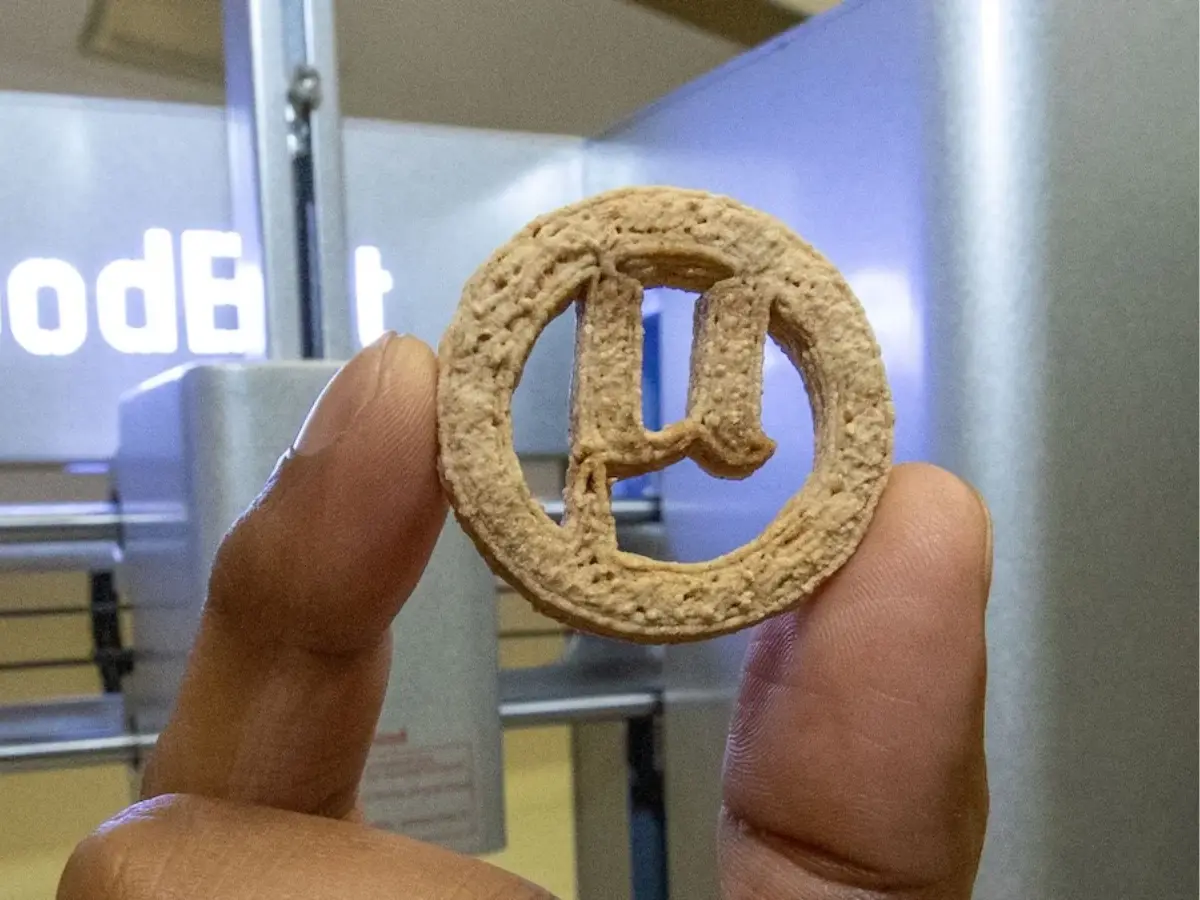
The 3D printed cookie in the shape of Greek letter µ. Photograph: (Southern Illinois University Carbondale)
A cookie made out of plastic waste is the next breakthrough in addressing pollution and may be food crisis. However, it might not be feasible given the mounds of plastic pollution. Meanwhile, it could be an option for astronauts.
A team of researchers at Southern Illinois University Carbondale have come up with a strange way to end plastic pollution - turn it into edible and tasty cookies. They used specially engineered yeast for it and 3D printed the cookies out of plastic waste. The yeast breaks down components of plastic compounds and agricultural material, such as plant stalks, into proteins, fats, acids, and flavourings. Everything is combined together and fed into a 3D printer to make cookies of any shape. The project was funded by NASA’s Deep Space Food Challenge.
The cookies were made in the shape of the Greek letter µ, lending it the name "µBites", or micro bites. The researchers are yet to taste the cookies as they are waiting for university approval. However, they are confident that the cookies are fine and tasty. “I think it has a pleasant, appealing aroma. And it will taste good, too,” Lahiru Jayakody, a microbiologist at SIU who led the research, told New Scientist.
How was plastic turned into a cookie?
The process depends heavily on the yeast. They used CRISPR gene-editing technology to reprogram yeast strains to eat polyethene terephthalate (PET). This is the most widely found form of plastic, present in water bottles, food packaging and clothes. First, the plastic is broken down into smaller bits through a process called oxidative hydrothermal dissolution. This makes it easier for the microbes to digest it, turning it into a slurry of proteins, fats, and acids. Fibre, starch, and sweetener are added to bring taste and body to the mixture. The 3D printer then turns it into cookies.
Challenges and problems with the plastic-to-cookie method
While the revolutionary invention could address not only the problem of plastic waste, but also food shortages, the costs attached to it make it unviable for now. According to a report by The Guardian, it will cost around $60 to produce a kilogram of cookies. Besides, there is so much plastic waste in the world, with more of it continuously adding to the current load, that 3D printing might never be a solution. "We produce 400 million tons a year of plastic waste. You’re not going to turn it all into cookies. So it’s not a solution to the plastic-waste crisis," Jason Hallett at Imperial College London told New Scientist.
Trending Stories
&imwidth=280&imheight=210&format=webp&quality=medium)
&im=FitAndFill=(700,400)&imwidth=280&imheight=210&format=webp&quality=medium)
&imwidth=280&imheight=210&format=webp&quality=medium)
&imwidth=280&imheight=210&format=webp&quality=medium)
&imwidth=280&imheight=210&format=webp&quality=medium)
&im=FitAndFill=(700,400)&imwidth=280&imheight=210&format=webp&quality=medium)
&imwidth=280&imheight=210&format=webp&quality=medium)
&imwidth=280&imheight=210&format=webp&quality=medium)
&imwidth=280&imheight=210&format=webp&quality=medium)
&imwidth=280&imheight=210&format=webp&quality=medium)
&imwidth=280&imheight=210&format=webp&quality=medium)
&imwidth=280&imheight=210&format=webp&quality=medium)
&imwidth=280&imheight=210&format=webp&quality=medium)
&imwidth=280&imheight=210&format=webp&quality=medium)
&imwidth=280&imheight=210&format=webp&quality=medium)
&imwidth=280&imheight=210&format=webp&quality=medium)
&imwidth=280&imheight=210&format=webp&quality=medium)
&imwidth=280&imheight=210&format=webp&quality=medium)
&imwidth=280&imheight=210&format=webp&quality=medium)
&imwidth=280&imheight=210&format=webp&quality=medium)
&imwidth=280&imheight=210&format=webp&quality=medium)
&imwidth=280&imheight=210&format=webp&quality=medium)
&imwidth=280&imheight=210&format=webp&quality=medium)
&imwidth=280&imheight=210&format=webp&quality=medium)
&im=FitAndFill=(700,400)&imwidth=280&imheight=210&format=webp&quality=medium)
&imwidth=280&imheight=210&format=webp&quality=medium)
&imwidth=280&imheight=210&format=webp&quality=medium)
&imwidth=280&imheight=210&format=webp&quality=medium)
&imwidth=280&imheight=210&format=webp&quality=medium)
&imwidth=280&imheight=210&format=webp&quality=medium)
&imwidth=280&imheight=210&format=webp&quality=medium)
&imwidth=280&imheight=210&format=webp&quality=medium)
&imwidth=280&imheight=210&format=webp&quality=medium)
&imwidth=280&imheight=210&format=webp&quality=medium)
&imwidth=280&imheight=210&format=webp&quality=medium)
However, since NASA is involved in the project, the cookies might become a culinary option for astronauts who could one day visit distant planets like Mars.

