Epilepsy device implanted in UK boy’s skull reduces daytime seizures by 80 per cent

Epilepsy Awareness Month
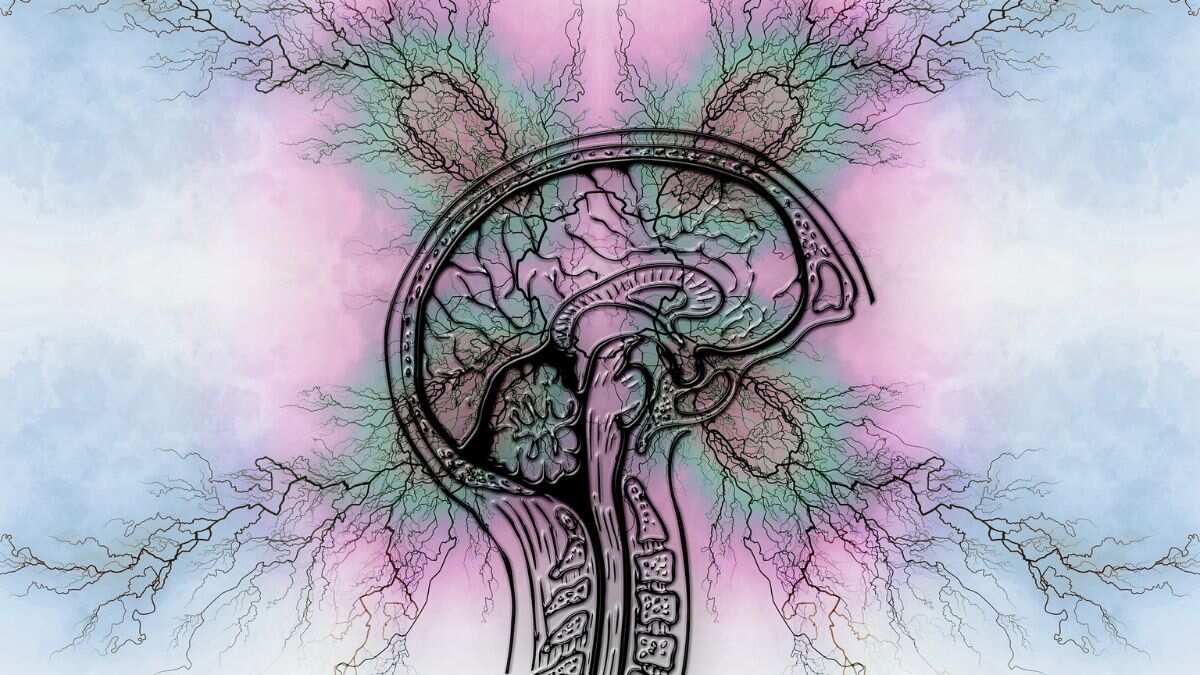
Epilepsy, an incurable neurological condition, affects over 50 million people worldwide. Although 70 per cent of people with epilepsy manage to get by with medication and surgeries, the disease prevails as a great neurological tribulation for others with severe symptoms. But a recent trial offers new hope.
In world first, a 13-year-old British boy with severe epilepsy trialled a new brain implant fitted in the skull aimed at bringing seizures under control.
Sending electrical signals deep into his brain, the neurotransmitter has reduced Oran Knowlson’s daytime seizures by 80 per cent, as per a BBC report.

Oran had developed Lennox-Gastaut syndrome, a treatment-resistant form of epilepsy, at the tender age of three years, anguishing with dozens to hundreds of seizures each day throughout his life.
Sometimes, the seizures would take an appalling turn, where he fell to the ground, shook violently, and lost consciousness. At times, he would cease to breathe and require emergency medication to resuscitate him.
After an eight-hour-long surgery to implant the neurotransmitter in Oran’s skull in October 2023 as part of a trial at Great Ormond Street Hospital in London, the boy’s life began to change for the better.
&imwidth=180&imheight=135&format=webp&quality=medium)
‘This is just the start’: Maaya Rajeshwaran on historic ITF title, confidence boost and future goals
&imwidth=180&imheight=135&format=webp&quality=medium)
'Turn approver, resign, we'll forgive you': Rahul Gandhi claims receiving messages from CEC Gyanesh Kumar
&imwidth=180&imheight=135&format=webp&quality=medium)
Anti-SIR protest in Mumbai: Protestors wear black masks & ribbons in Mumbai
&imwidth=180&imheight=135&format=webp&quality=medium)
Congress demands action against chief election commissioner
&imwidth=180&imheight=135&format=webp&quality=medium)
Trump says he 'may' meet North Korean leader Kim Jong Un during upcoming Asia trip
&imwidth=180&imheight=135&format=webp&quality=medium)
Apple HomeView smart home hub may launch soon with A18 chip, display and Siri controls: What to expect
&imwidth=180&imheight=135&format=webp&quality=medium)
Rahul Gandhi's plea against Election Commission delayed as Supreme Court registry flags 14 ‘defects’
&imwidth=180&imheight=135&format=webp&quality=medium)
'Ouch!!! That must hurt': Kangana Ranaut hails Kamal Haasan's sharp reply to Elon Musk over Starlink row
&im=FitAndFill=(700,400)&imwidth=180&imheight=135&format=webp&quality=medium)
New OTT releases this week (October 12-18, 2026): Sacrifice, Koffee with Karan S9, Roadies Rebirth- 6 titles coming on Netflix, JioHotstar and more
&imwidth=180&imheight=135&format=webp&quality=medium)
'Almost certainly': UK Prime Minister Andy Burnham says Iran's IRGC behind RAF Fairford threat
&imwidth=180&imheight=135&format=webp&quality=medium)
UK school ditches technology, shifts from screen to pen and paper for learning
&im=FitAndFill=(700,400)&imwidth=180&imheight=135&format=webp&quality=medium)
Navratri 2026: 9 days, 9 forms of Goddess Durga and 9 colours- Check the complete list
&imwidth=180&imheight=135&format=webp&quality=medium)
Robotic surgery, advanced treatment: What is coming to this small Gujarat town?
&imwidth=180&imheight=135&format=webp&quality=medium)
Korean peninsula tensions escalate as North Korea launches multiple ballistic missiles, PACOM says 'no threat to US personnel'
&imwidth=180&imheight=135&format=webp&quality=medium)
UK PM Andy Birnham renews claims of Russian meddling in Brexit vote
&imwidth=180&imheight=135&format=webp&quality=medium)
Opposition’s 10 demands in Supreme Court petition range from stay on SIR to audit of voter rolls
&imwidth=180&imheight=135&format=webp&quality=medium)
BCCI rejects venue shift reports, India vs Sri Lanka 1st ODI to remain in Delhi
&imwidth=180&imheight=135&format=webp&quality=medium)
'I am thoroughly unamused': Judge slams Trump administration after 400 trees cut at Washington golf course
&imwidth=180&imheight=135&format=webp&quality=medium)
Houthis warns US of 'painful response' if Washington joins Saudi war in Yemen as airlines suspend flights to Saudi Arabia
&imwidth=180&imheight=135&format=webp&quality=medium)
Girl 'dead' for 8 hours wakes up at her own funeral, dad insists she wasn't breathing
&imwidth=180&imheight=135&format=webp&quality=medium)
'I will not be silenced': Ilhan Omar alleges political intimidation after federal officers search her Washington home
&imwidth=180&imheight=135&format=webp&quality=medium)
Sidhu Moose Wala’s younger brother wins hearts by recreating late singer’s signature move at Toronto Hologram Show
&imwidth=180&imheight=135&format=webp&quality=medium)
1,500 drones illuminate Mumbai sky as Cordelia Cruises unveils second ship, Cordelia Sky
&imwidth=180&imheight=135&format=webp&quality=medium)
India's Ajit Doval, Iran's Mohsen Rezaei hold talks amid escalating West Asia tensions, discuss 'issues of mutual interest'
&imwidth=180&imheight=135&format=webp&quality=medium)
Pakistan's government blames PTI for rise of terrorism in Khyber Pakhtunkhwa
&imwidth=180&imheight=135&format=webp&quality=medium)
Trump weighs firing Kimberly Guilfoyle as US ambassador to Greece amid misconduct allegations: Report
&im=FitAndFill=(700,400)&imwidth=180&imheight=135&format=webp&quality=medium)
How does a robot decide what to do next?
&imwidth=180&imheight=135&format=webp&quality=medium)
Delhi protest: CJI Surya Kant declines to meet India Bloc leaders
&imwidth=180&imheight=135&format=webp&quality=medium)
Elon Musk pumps $276 million into Republican campaigns ahead of US midterm elections
&imwidth=180&imheight=135&format=webp&quality=medium)
'Absolutely disgusting': Australia slams US plan to livestream Nidal Hasan's execution; Mike Johnson raises concerns, warns of terrorist propaganda
&imwidth=180&imheight=135&format=webp&quality=medium)
Portugal Federation confirms Cristiano Ronaldo’s return to national team despite suspension
How the skull-fitted neurotransmitter works
Epilepsy seizures are triggered by abnormal bursts of electrical activity in the brain.
By emitting a constant pulse of current, the device aims to block or disrupt the abnormal signals.
After two electrodes were inserted deep into Oran’s brain, the 3.5cm square and 0.6cm thick neurotransmitter was placed in a gap in Oran’s skull where the bone had been removed and was anchored into place.
After a month of recovering from the operation, the neurotransmitter was turned on.
Oran cannot feel the device when turned on, and can recharge it every day via wireless headphones, while enjoying activities he likes to do, such as watching TV.
‘Dramatical improvement in his seizures, quality of life…’
Seven months after the surgery, his mother, Justine told the BBC that there had been a massive improvement in Oran’s epilepsy: he was happier, “more alert” with “no drop seizures during the day”, and had a “much better quality of life”. His night-time seizures were also "shorter and less severe".
As part of the trial, three more children with Lennox-Gastaut syndrome will be fitted with the deep brain neurostimulator.
Although deep brain stimulation has been tried before for childhood epilepsy, the procedure was fraught with the risks of infections after the surgery and the device failing, as neurotransmitters were placed in the chest with wires running up to the brain.
In the future, the trial team plans to make the neurotransmitter respond in real-time to brain activity, in order to block seizures before they happen.
(With inputs from agencies)
