WATCH: NASA shares stunning 3D view of Orion Nebula to mark Chinese New Year


Orion Nebula
The National Aeronautics and Space Administration (NASA) on Saturday (Feb 10) shared a stunning three-dimensional view of the Orion Nebula, which is one of the brightest nebulae, to mark the occasion of Chinese New Year, a festival that celebrates the beginning of a new year on the traditional lunisolar Chinese calendar.
Orion Nebula is visible to the naked eye in the night sky with an apparent magnitude of 4.0 and the 3-D view was created using data from the Stratospheric Observatory for Infrared Astronomy (SOFIA) mission, which is a joint programme between NASA and the German Aerospace Center (DLR). SOFIA is a telescope capable of making observations from onboard an aeroplane.
In the media posted by NASA, the Orion Nebula appears to be in the shape of a dragon. The nebula has a blue centre, with red wispy fragments on the outer detail.

The current year, that is 2024 is the year of dragon, also known as Loong. It is the fifth of the 12-year cycle of animals which appear in the Chinese zodiac related to the Chinese calendar.
In an Instagram post, NASA wrote, "Welcome to the year of the Dragon. In this three-dimensional view of the Orion Nebula – Earth's closest star-formation nursery – was created using data from the SOFIA mission."
)
Why dehydration is the hidden cause of travel fatigue on long flights
)
BRICS Summit: China resumes Guangzhou-New Delhi flight, issues 'good-neighbourliness' remark ahead of Xi-Modi meet
)
Reacher actor Alan Ritchson, wife Catherine part ways after 20 years of marriage
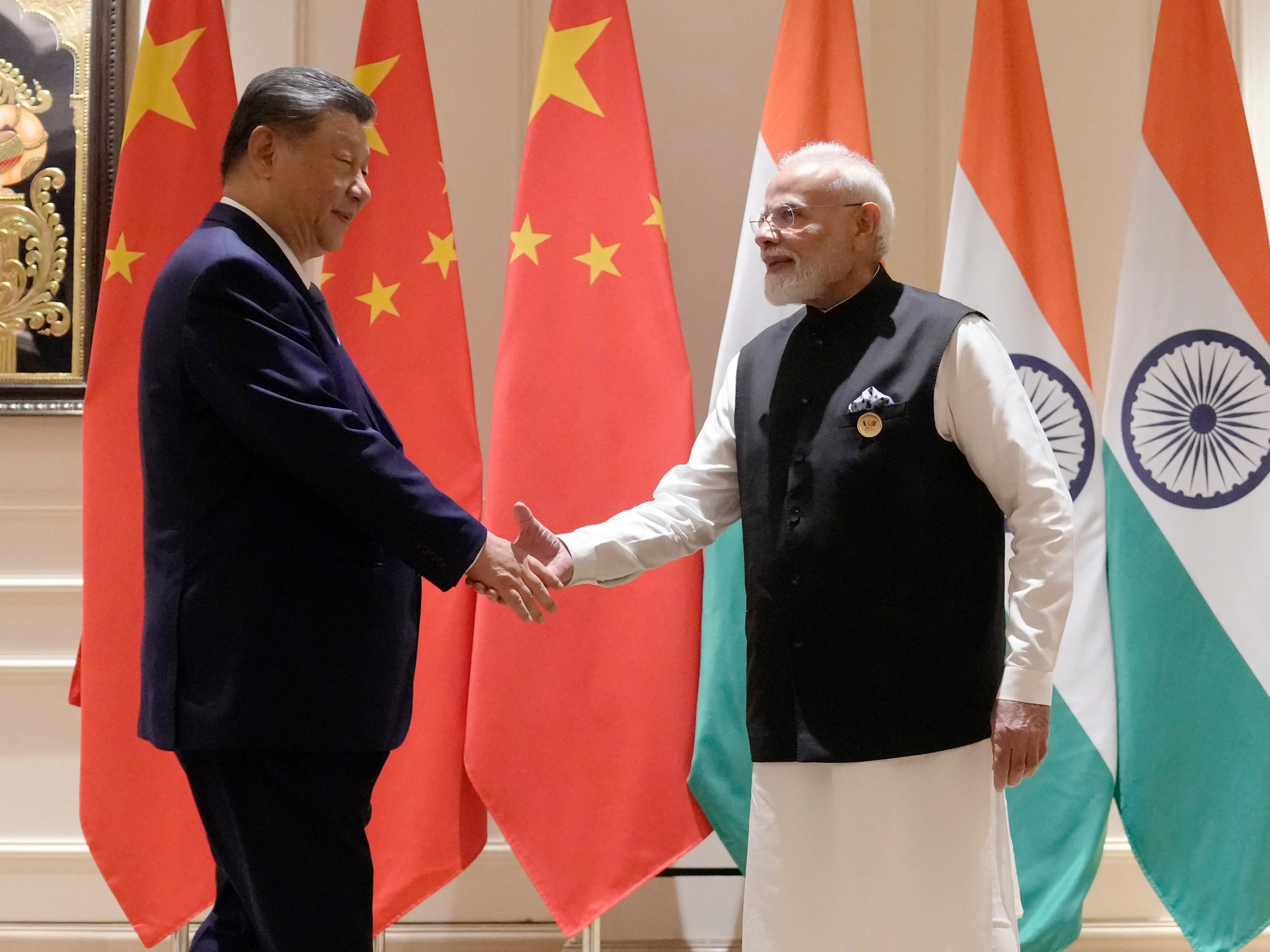)
‘Partners, not rivals’: Xi outlines four point plan for stronger India-China ties
)
Why does your skin need protection from UV rays?
)
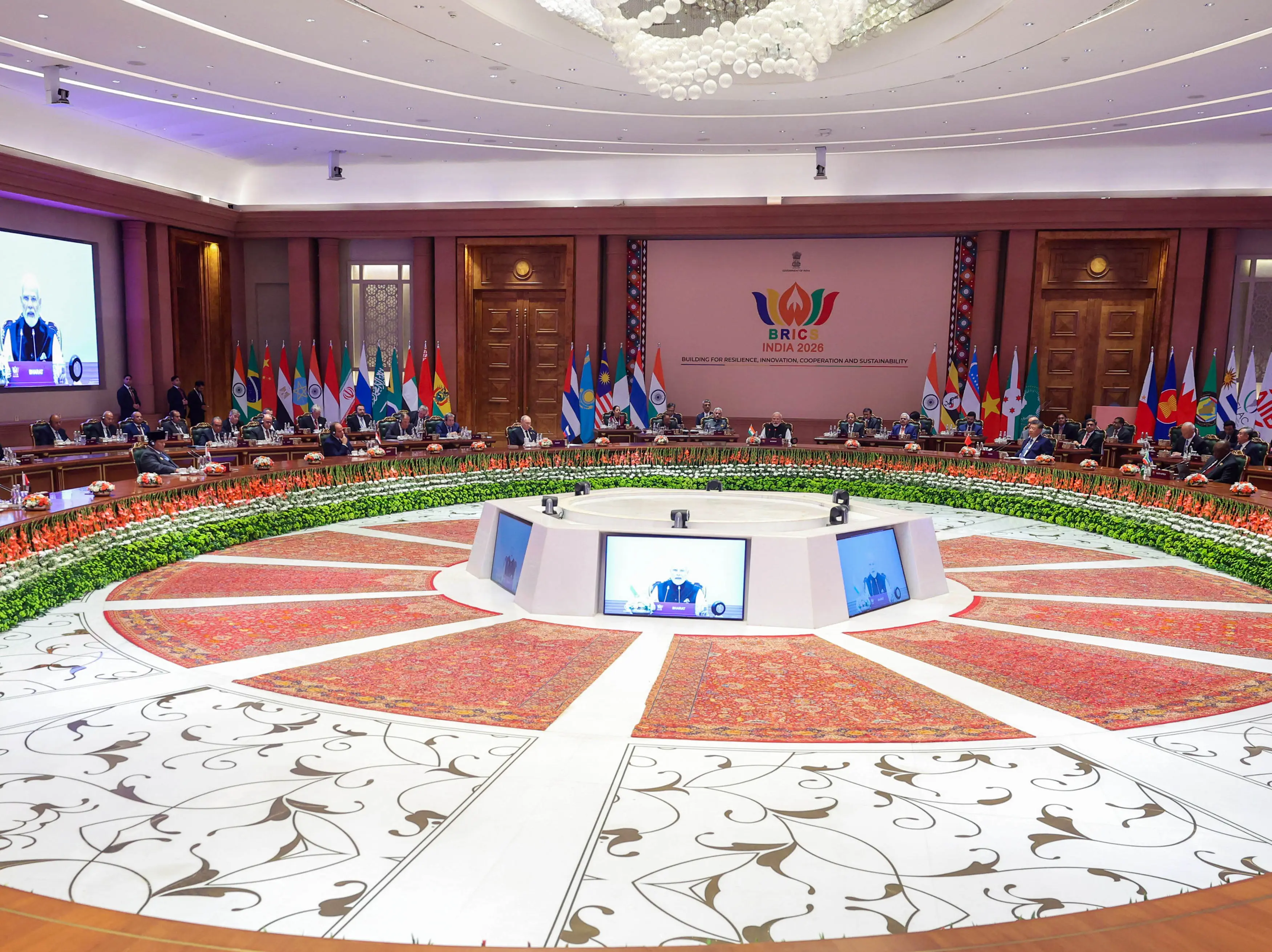
BRICS Summit 2026: 30+ countries seek BRICS membership
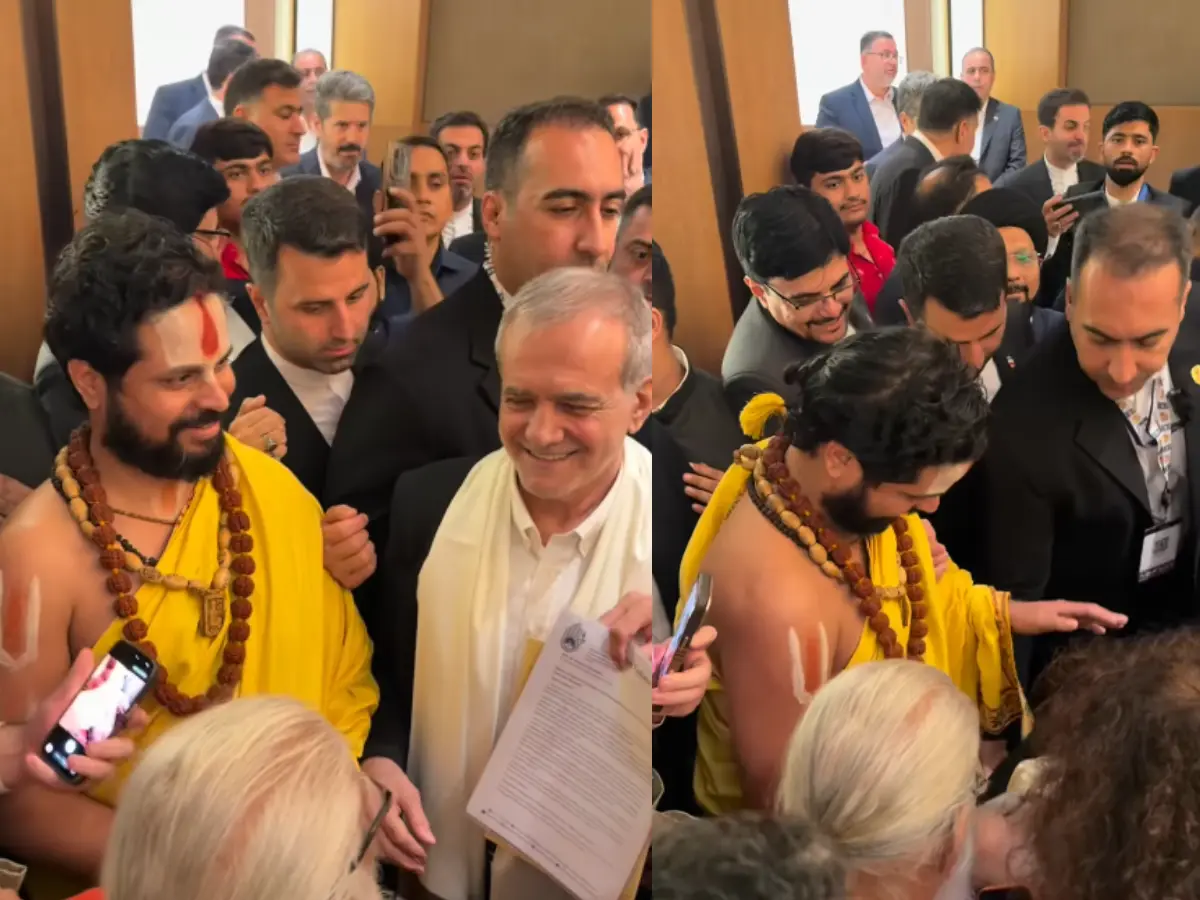)
Did Iran President Pezeshkian touch feet of Hindu spiritual leader at Delhi event as shown in viral video?
)
Humans may lose control of AI: Anthropic CEO calls for slowdown, Altman, Musk back him
)
BRICS stitches climate into its trade and growth agenda, experts say
)
BRICS Summit 2026: Iran's Pezeshkian praises PM Modi at BRICS
)
Israel spent nearly $470,000 on PM's hair, makeup since 2019, data shows
)
Why do wild animals need quiet places to survive?
)
BRICS rejects EU carbon tax as ‘punitive’, ‘discriminatory’; warns of burden on Global South
)
Anthropic is giving Claude to schools free, and the reason is not philanthropy
)
Trump says Canada eager to reach a deal, it could come ‘fairly soon’ if Ottawa treats US farmers better
)
From India, Putin warns Europe against sending troops to Ukraine, Zelensky expresses willingness to meet him at G20 Summit
)
How does the loss of forests affect the way wildlife lives and moves?
)
From severe mobility problems to recovery: Madhuri the elephant’s journey of wildlife care
)
800 million years old - Scientists discover 'fingerprints' of supercontinent Gondwana in ancient rocks
)
BRICS Summit 2026: PM Modi, Xi reach key consensus on ties, China to assume BRICS chairmanship in 2027
)
Why does your body need time to adjust after a long journey?
)
Why asking questions could be more important than memorising answers
)
Could staying indoors all day affect your health?
)
Frustrated man demolishes his kitchen after thousands flock to see Mother Mary his wife spotted on the wall
)
'He is popular...': Malaysian PM Anwar Ibrahim's praise for PM Modi during bilateral meeting | WATCH
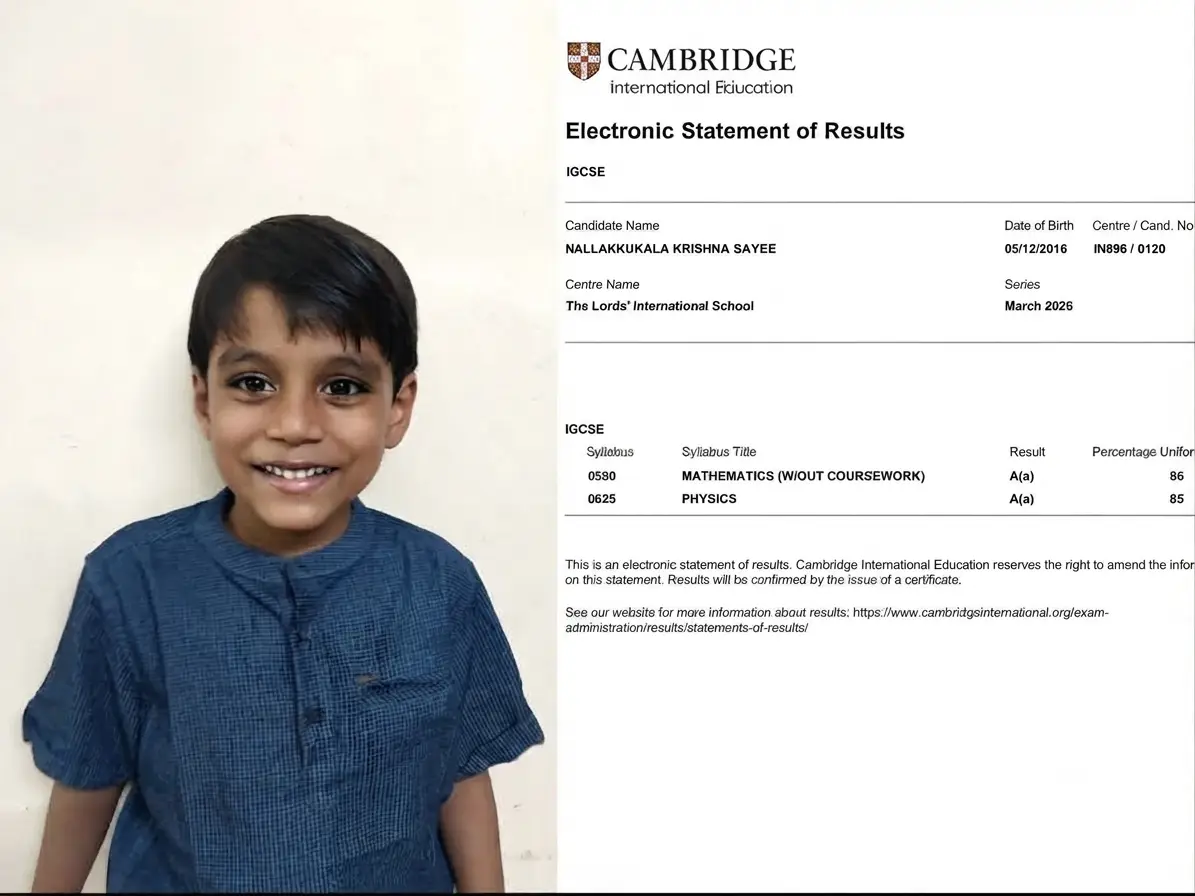)
9-year-old Chennai prodigy clears Cambridge IGCSE grade 10 exams
)
Baba Vanga's first prophecy for 2027 is out, and straight out of science fiction
)
From drones to KAAN fighters: Turkey outlines 229% surge in defence spending amid regional shifts
)
Top 5 places to visit in Goa beyond its famous beaches
)
BRICS Summit day 1: New Delhi declaration adopted with full consensus, big diplomatic win for India
)
Why going digital does not always mean becoming more efficient
)
IND vs AFG, 1st T20I: When and where to watch live streaming in India?
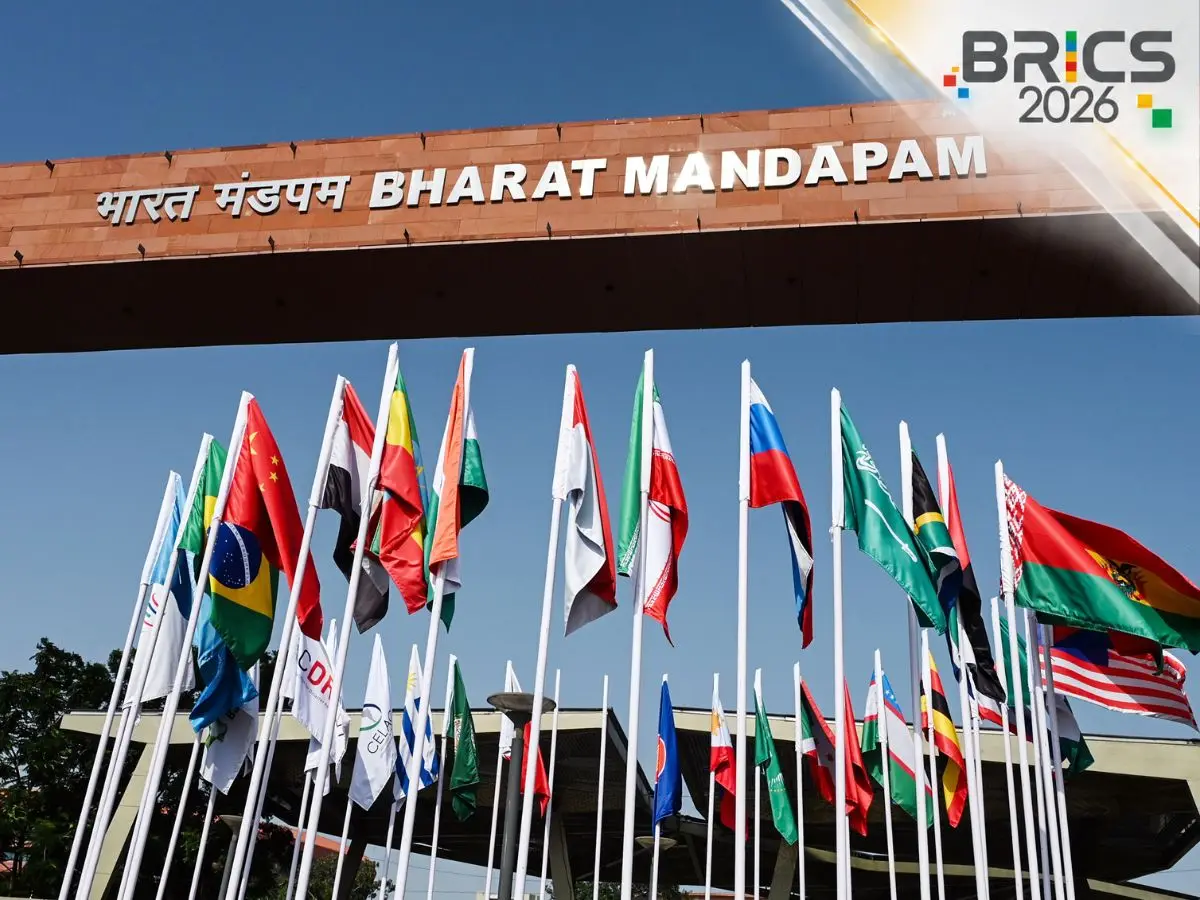)
BRICS Summit 2026 full schedule: Day-wise agenda, timings and key issues - All you need to know
&im=FitAndFill=(700,400))
Why Chinese PL-15 air-to-air missiles use dual-pulse motors compared to European interceptors
Here's is the 3-D view:
NASA said that the 3-D view reveals the detailed structure of the nebula, including a "bubble" that has been blown clear of gas and dust by a powerful stellar wind.
The US-based space agency said that massive stars can regulate star formation around them, and the SOFIA mission helped astronomers better understand this effect.
According to NASA, SOFIA was a mission of discovery, revealing "unseen – and sometimes unseeable – parts of our universe".
While science flights have ended, SOFIA's data from a total of 732 nights observing over the course of the mission are publicly available for scientists to study and conduct further research in the future," NASA added.
(With inputs from agencies)