Smoked like meat? Scientists reveal shocking 12,000-year-old truth about the world's first mummies

&imwidth=600&imheight=450&format=webp&quality=medium "Smoked like meat? Scientists reveal shocking 12,000-year-old truth about the world's first mummies")
ot Egypt? Study reveals chilling origin of the world’s first mummies Photograph: (Proceedings of the National Academy of Sciences)
New research suggests that the practice of mummification originated in southern China and Southeast Asia nearly 12,000 years ago, thousands of years before the famous mummies of Ancient Egypt.
When most people think of mummies, they think of the Ancient Egyptians and the many, many movies about the bandage-wrapped ancient dead. However, new research shows that the Egyptians may not be the first to preserve their dead this way. The practice of preserving the dead actually began much earlier — and far from the Nile, suggests new research. Archaeologists have uncovered evidence that communities in southern China were mummifying their dead nearly 12,000 years ago, making it the earliest known example of the practice.
Scientists discover shocking truth about mummification
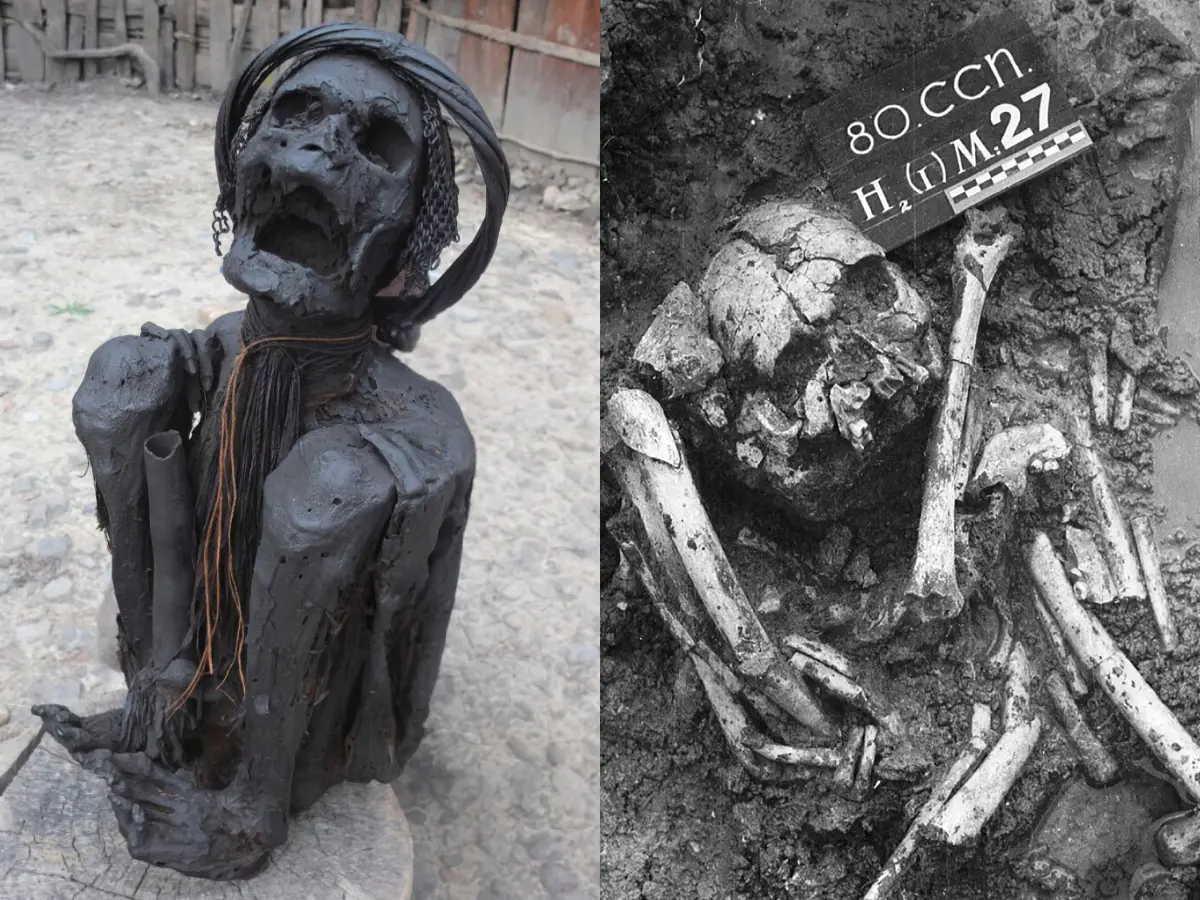
A study, led by researchers at the Australian National University, analysed skeletal remains from 95 pre-Neolithic sites. They found that many of the bodies had been deliberately smoke-dried before burial.
What they found was very different from what we know about how Egyptians made mummies. The bones found in China bore signs of exposure to low heat. These mummies were found in tightly crouched burial positions, which suggested corpses had been bound and desiccated rather than interred fresh. In several cases, there was even a little separation of bones, a tell-tale sign the bodies were preserved before decomposition.
Here's what the process may have looked like:

Trending Stories
&imwidth=280&imheight=210&format=webp&quality=medium)
&im=FitAndFill=(700,400)&imwidth=280&imheight=210&format=webp&quality=medium)
&imwidth=280&imheight=210&format=webp&quality=medium)
&imwidth=280&imheight=210&format=webp&quality=medium)
&imwidth=280&imheight=210&format=webp&quality=medium)
&im=FitAndFill=(700,400)&imwidth=280&imheight=210&format=webp&quality=medium)
&imwidth=280&imheight=210&format=webp&quality=medium)
&imwidth=280&imheight=210&format=webp&quality=medium)
&imwidth=280&imheight=210&format=webp&quality=medium)
&imwidth=280&imheight=210&format=webp&quality=medium)
&imwidth=280&imheight=210&format=webp&quality=medium)
&imwidth=280&imheight=210&format=webp&quality=medium)
&imwidth=280&imheight=210&format=webp&quality=medium)
&imwidth=280&imheight=210&format=webp&quality=medium)
&imwidth=280&imheight=210&format=webp&quality=medium)
&imwidth=280&imheight=210&format=webp&quality=medium)
&imwidth=280&imheight=210&format=webp&quality=medium)
&imwidth=280&imheight=210&format=webp&quality=medium)
&imwidth=280&imheight=210&format=webp&quality=medium)
&imwidth=280&imheight=210&format=webp&quality=medium)
&imwidth=280&imheight=210&format=webp&quality=medium)
&imwidth=280&imheight=210&format=webp&quality=medium)
&imwidth=280&imheight=210&format=webp&quality=medium)
&imwidth=280&imheight=210&format=webp&quality=medium)
&im=FitAndFill=(700,400)&imwidth=280&imheight=210&format=webp&quality=medium)
&imwidth=280&imheight=210&format=webp&quality=medium)
&imwidth=280&imheight=210&format=webp&quality=medium)
&imwidth=280&imheight=210&format=webp&quality=medium)
&imwidth=280&imheight=210&format=webp&quality=medium)
&imwidth=280&imheight=210&format=webp&quality=medium)
&imwidth=280&imheight=210&format=webp&quality=medium)
&imwidth=280&imheight=210&format=webp&quality=medium)
&imwidth=280&imheight=210&format=webp&quality=medium)
&imwidth=280&imheight=210&format=webp&quality=medium)
&imwidth=280&imheight=210&format=webp&quality=medium)
The process, researchers say, was strikingly similar to traditions recorded in Indigenous Australian and Highland New Guinea societies. Corpses were bound in hyper-flexed postures, suspended above smouldering fires for extended periods, then kept in homes, huts, or caves before eventual burial.
Why were corpses smoked?
According to scientists, the technique was not only practical — it slowed the decay in tropical climates where heat and humidity destroy soft tissue quickly — but also deeply symbolic. Communities believed the spirit of the dead could move freely during the day and return to the preserved body at night, while others linked the practice to hopes of immortality.
The findings, published in Proceedings of the National Academy of Sciences, push back the origins of mummification by thousands of years, predating both Ancient Egypt and the Chinchorro culture of Chile.
What this really shows, the authors say, is that the desire to preserve the dead — and the belief that the body still mattered long after death — is one of humanity's oldest and most enduring cultural traditions.

