New hope for Sickle Cell Anaemia patients as FDA gives nod to Casgevy, Lyfgenia gene therapies


Sickle cell disease
The US Food and Drug Administration (FDA) has given the green light to two new gene therapies for sickle cell disease.One of them, called Casgevy, is a treatment that uses the CRISPR gene editing technology, which won the Nobel Prize. The other approved therapy is Lyfgenia, developed by bluebird bio. Both treatments are meant for individuals aged 12 and above.
Casgevy is developed by Vertex Pharmaceuticals and CRISPR Therapeutics and comes with a price tag of $2.2 million, while bluebird's Lyfgenia is priced at $3.1 million. These are considered one-time treatments and are expected to be available in early 2024, media reports said.
Sickle Cell Disease (SCD) is an inherited blood disorder that causes pain and complications due to the production of flawed, sickle-shaped hemoglobin. This impairs the proper transport of oxygen by red blood cells to the body's tissues. It affects around 100,000 people in the United States, primarily among the Black population.

Also Read |Researchers develop VR goggles for mice to create immersive scenarios for brain research
The approval is a crucial advancement for the sickle cell disease community, which according to Robert Brodsky, President of the American Society of Hematology, has historically faced neglect and underfunding.
Also Read |Penguins sleep for few seconds at a time over 24 hours to protect eggs: Study
)
The Early Spring is proof not everyone can talk about their real feelings, and it is perfectly OK
)
UN votes to ‘correct the map’ as India backs fairer world view
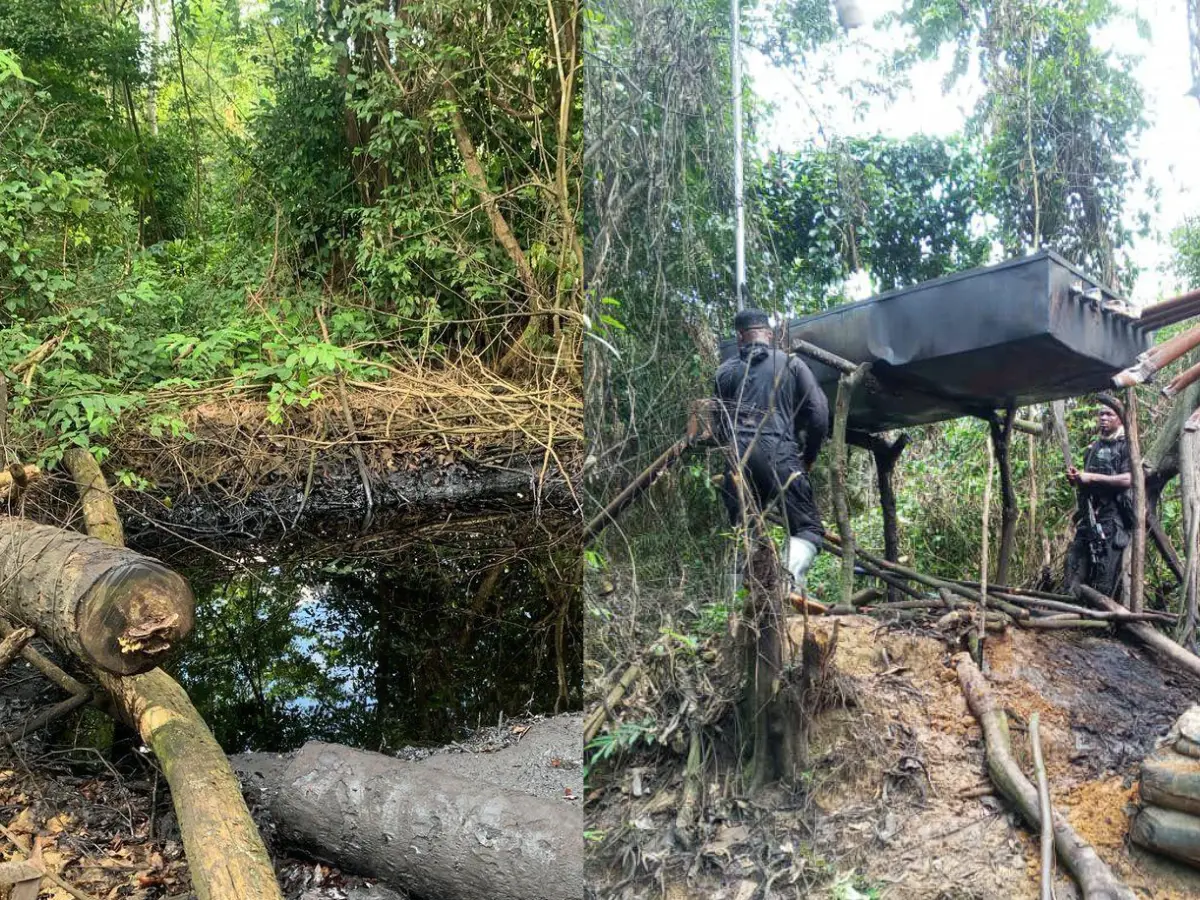)
Nigerian Navy discovers 99,000 litres of suspected stolen, illegally refined products as it intensifies anti-crude oil theft operations
)
Who is Aditi Paudel? 17-year-old becomes Japan's first literacy ambassador
)
Bengaluru: Officials find 40 kg expired chilli at chairman's club
)
Jaishankar rejects trade link to ending Ukraine war
)
Israeli strikes on Lebanon kill three, injure 23 despite truce
)
Alpine glacier was covered with sheep wool sheets to prevent melting. It worked
)
South Korea mulls deploying military assets to Strait of Hormuz
)
World's fifth-largest economy, British army can't afford to train
)
Breaking | Vance takes the podium: First White House briefing since Leavitt's exit
)
Taiwan raises 'concerns' over China's missile test
)
BRICS 2026: $1 trillion sovereign capital set to converge in Delhi for first iBRICS Summit
)
What is Iran's Pickaxe Mountain that Trump has again threatened to bomb?
)
UN votes to correct world map that visually shrank Africa for 450 years
)
Former NewJeans member Danielle launches YouTube channel, hints at new solo journey
)
Bangladesh batter Towhid Hridoy creates history with 350 not out in South Africa
)
Brendan Fraser’s transformation fuels The Mummy 4 excitement as fans welcome back Rick O’Connell
&im=FitAndFill=(700,400))
Krishna Janmashtami 2026: From Dhaniya Panjiri to Makhana Kheer- 5 best sweet dishes perfect for celebrating Lord Krishna’s birth
)
Donald Trump plans to travel to Ireland on Qatari-donated jet amid security concerns
)
Nazi-looted art to return to Jewish heirs
)
Eight killed in Kerala’s Thrissur after car rams into lorry parked on highway
&im=FitAndFill=(700,400))
Why Russian fighter jets use bulky, low-pressure tyres compared to US jets
)
FBI-wanted fraud accused arrested in Jalandhar over $600,000 scam
&im=FitAndFill=(700,400))
Why US tanks weigh over 20 tons more than Russian tanks
&im=FitAndFill=(700,400))
New Friday OTT releases (September 4, 2026): GDN, Dhamaal 4, Jagamae Sangeetham- Watch 6 new movies and TV shows on Netflix, Prime Video and more
)
Killing the Himalayas slowly: Human urine is melting a glacier on Mount Everest
In clinical trials, both gene therapies demonstrated effectiveness in reducing painful episodes in patients with sickle cell disease. Casgevy, based on CRISPR technology, uses molecular "scissors" to correct faulty genes. On the other hand, Lyfgenia works by introducing modified genes into the body through disabled viruses.
Cancer risks?
The FDA has issued a warning on Lyfgenia's label regarding the risk of blood cancer after two patients in bluebird's trial developed acute myeloid leukemia. The FDA will closely monitor potential side effects.
Watch |COP28: Indigenous activists dance to deliver message in Dubai
While both therapies show promise, data on their long-term effects is limited. The companies plan to assess potential long-term safety risks through a 15-year follow-up study after approval. Patients will be monitored throughout their lives for cancer malignancies.
(With inputs from agencies)