ESA's Ariane 6 launch delayed again due to ground system anomaly

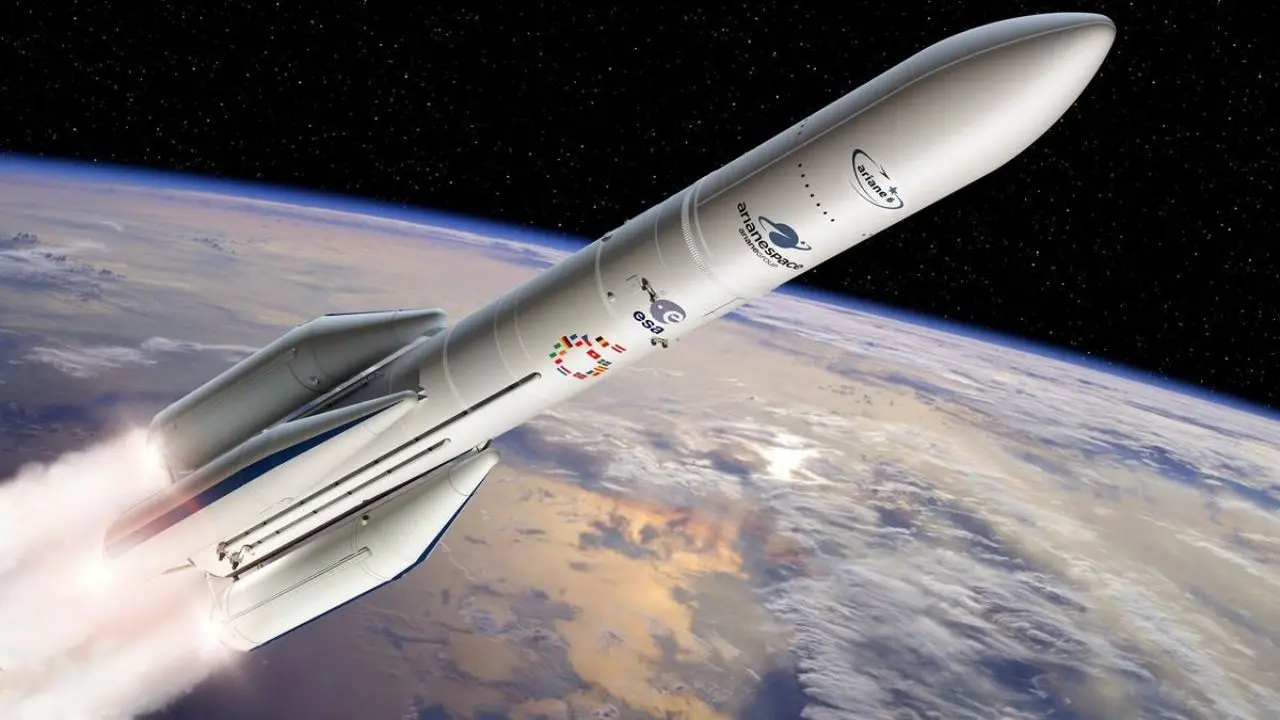
Science: ESA's Ariane 6 mission was set to take off from the Kourou spaceport in French Guiana but was called off minutes before launch due to a ground system anomaly.
Europe’s Ariane 6 commercial launch has been postponed for the second time due to an anomaly detected on the ground, French aerospace company Arianespace announced on Monday. The mission was set to take off from the Kourou spaceport in French Guiana but was called off minutes before launch. Arianespace CEO David Cavailloles confirmed that the decision to delay the launch was necessary and that it would not take place on the scheduled day.
The first commercial flight of Ariane 6 was initially scheduled for 26 February but was delayed due to a previous anomaly. Arianespace has not provided a revised launch date.
Also read: 'Thermonuclear blast': A star is about to explode in deep space and it will be visible from Earth

CSO-3 Satellite
The mission aims to deploy the CSO-3 satellite, developed for the French Defence Procurement and Technology Agency (DGA) and the French space agency CNES, on behalf of the French Air and Space Force’s Space Command (CDE). The satellite is part of the Optical Space Component (CSO) programme, which enhances France’s defence and reconnaissance capabilities.
Ariane 6 is Europe’s next-generation heavy-lift launcher, designed to succeed the Ariane 5 rocket. It comes in two configurations: Ariane 62, equipped with two boosters, and Ariane 64, with four boosters for higher payload capacity.
)
The Early Spring is proof not everyone can talk about their real feelings, and it is perfectly OK
)
UN votes to ‘correct the map’ as India backs fairer world view
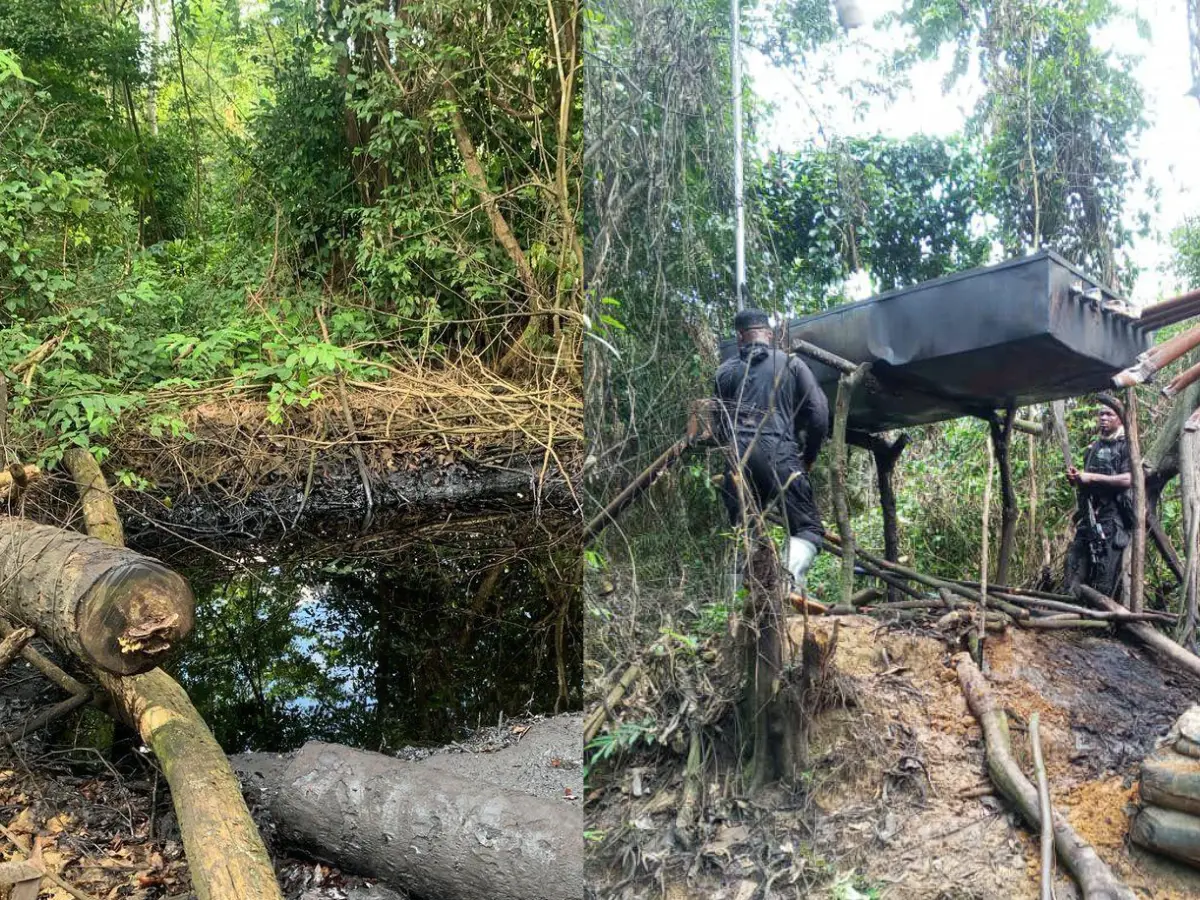)
Nigerian Navy discovers 99,000 litres of suspected stolen, illegally refined products as it intensifies anti-crude oil theft operations
)
Who is Aditi Paudel? 17-year-old becomes Japan's first literacy ambassador
)
Bengaluru: Officials find 40 kg expired chilli at chairman's club
)
Jaishankar rejects trade link to ending Ukraine war
)
Israeli strikes on Lebanon kill three, injure 23 despite truce
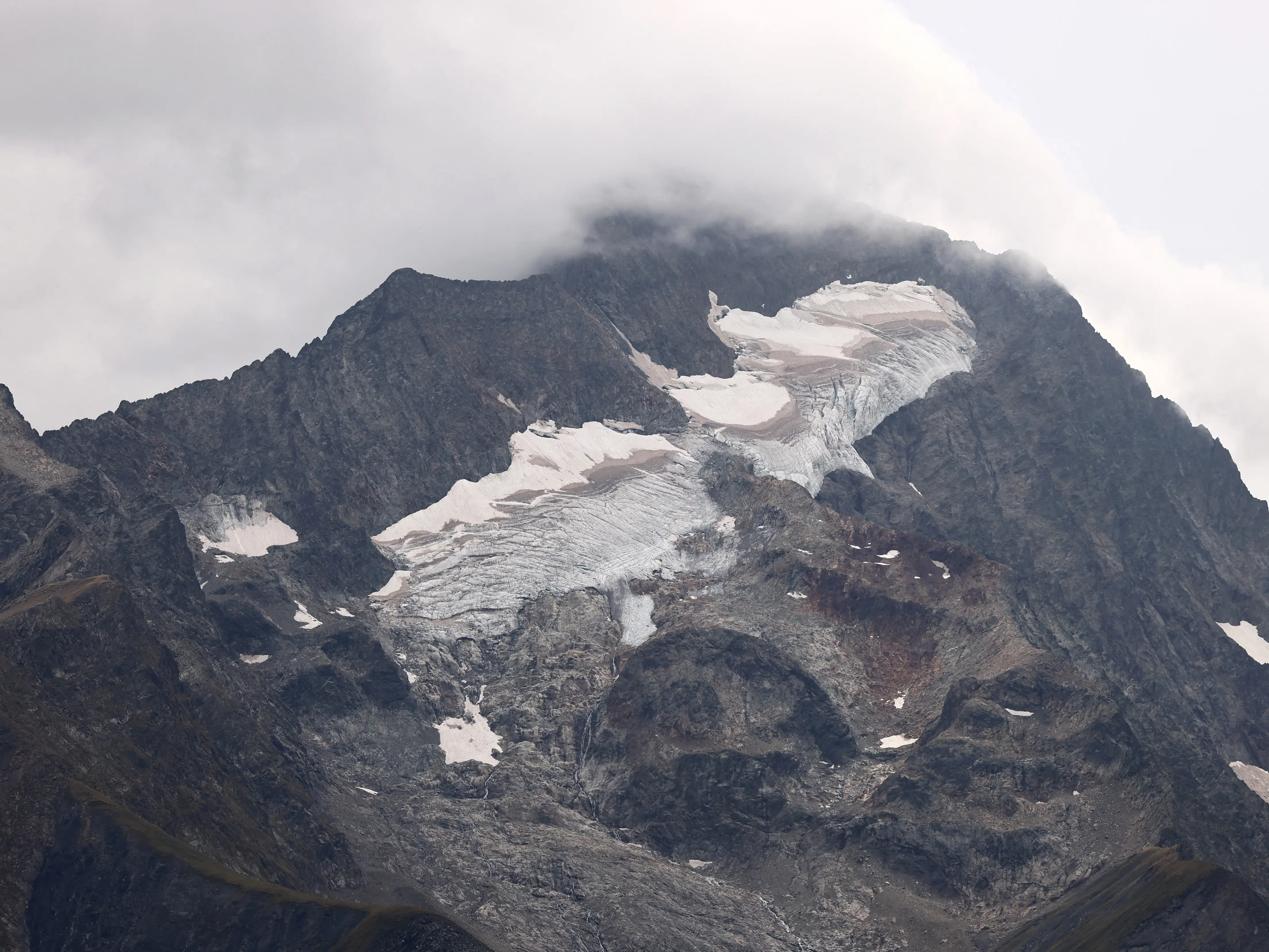)
Alpine glacier was covered with sheep wool sheets to prevent melting. It worked
)
South Korea mulls deploying military assets to Strait of Hormuz
)
World's fifth-largest economy, British army can't afford to train
)
Breaking | Vance takes the podium: First White House briefing since Leavitt's exit
)
Taiwan raises 'concerns' over China's missile test
)
BRICS 2026: $1 trillion sovereign capital set to converge in Delhi for first iBRICS Summit
)
What is Iran's Pickaxe Mountain that Trump has again threatened to bomb?
)
UN votes to correct world map that visually shrank Africa for 450 years
)
Former NewJeans member Danielle launches YouTube channel, hints at new solo journey
)
Bangladesh batter Towhid Hridoy creates history with 350 not out in South Africa
)
Brendan Fraser’s transformation fuels The Mummy 4 excitement as fans welcome back Rick O’Connell
&im=FitAndFill=(700,400))
Krishna Janmashtami 2026: From Dhaniya Panjiri to Makhana Kheer- 5 best sweet dishes perfect for celebrating Lord Krishna’s birth
)
Donald Trump plans to travel to Ireland on Qatari-donated jet amid security concerns
)
Nazi-looted art to return to Jewish heirs
)
Eight killed in Kerala’s Thrissur after car rams into lorry parked on highway
&im=FitAndFill=(700,400))
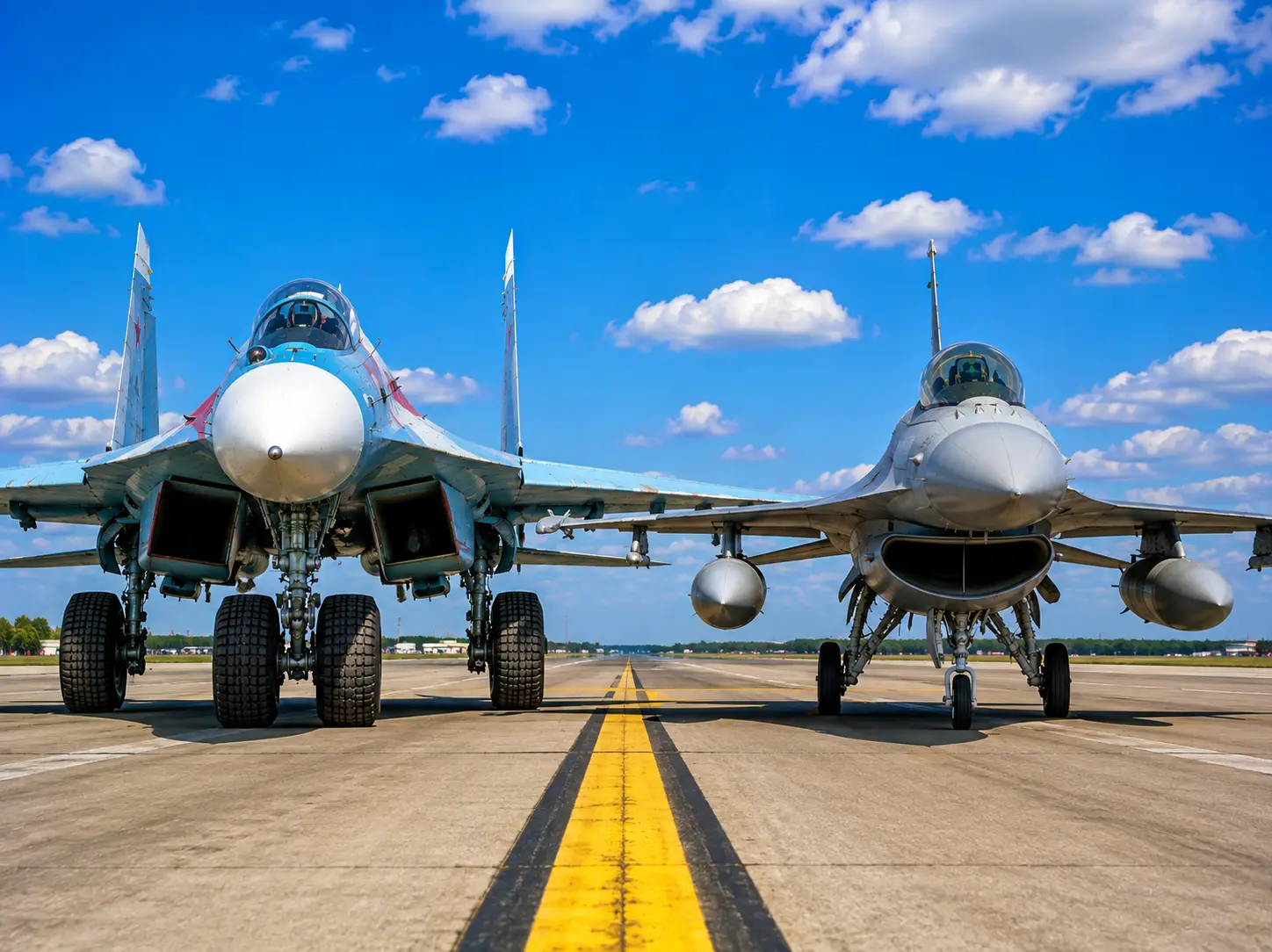
Why Russian fighter jets use bulky, low-pressure tyres compared to US jets
)
FBI-wanted fraud accused arrested in Jalandhar over $600,000 scam
&im=FitAndFill=(700,400))
Why US tanks weigh over 20 tons more than Russian tanks
&im=FitAndFill=(700,400))
New Friday OTT releases (September 4, 2026): GDN, Dhamaal 4, Jagamae Sangeetham- Watch 6 new movies and TV shows on Netflix, Prime Video and more
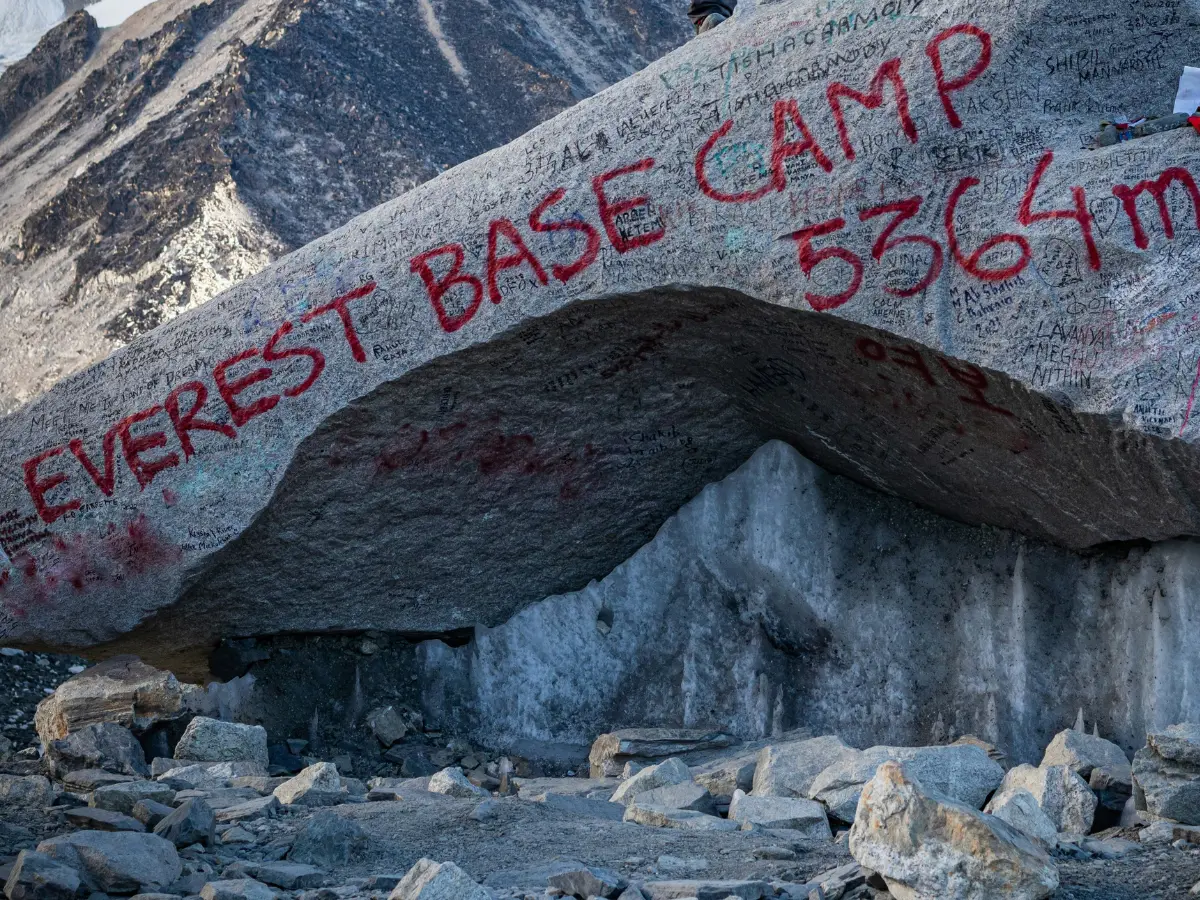)
Killing the Himalayas slowly: Human urine is melting a glacier on Mount Everest
The Ariane 62 version was set to carry the CSO-3 satellite into a sun-synchronous orbit at an altitude of approximately 800 km. The satellite was expected to separate from the rocket around an hour and six minutes after launch. The CSO-3 satellite is the third and final component of the CSO constellation, joining CSO-1, launched in December 2018, and CSO-2, launched in December 2020.
The satellites are supposed to be positioned in different sun-synchronous orbits to perform distinct roles: CSO-1 and CSO-3 focus on reconnaissance, covering operational theatres, and providing revisit capability, while CSO-2 is dedicated to high-resolution imaging and analysis. The constellation is designed to support the Multinational Space-based Imaging System (MUSIS), an initiative led by the DGA.
The CSO satellites are built by Airbus Defence and Space, with Thales Alenia Space supplying the very high-resolution optical imaging instrument. Each satellite has an expected operational lifespan of ten years. Arianespace has been working closely with CNES and the French military to ensure the successful deployment of the CSO-3 satellite, but further technical evaluations will now be required before a new launch date is confirmed.