Closer than ever: Parker Solar Probe captures stunning images deep within the Sun’s atmosphere

&imwidth=600&imheight=450&format=webp&quality=medium "Closer than ever: Parker Solar Probe captures stunning images deep within the Sun’s atmosphere")
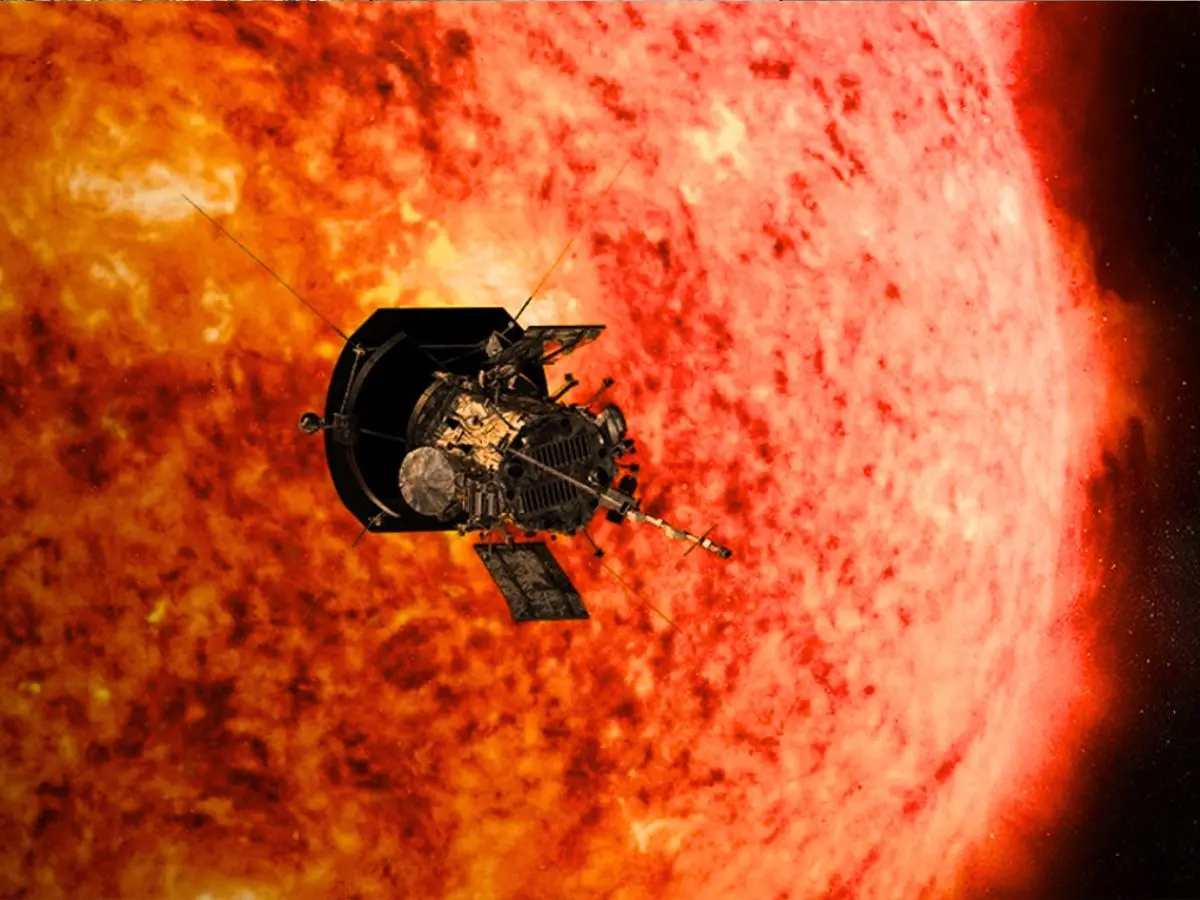
Parker Solar Probe captures stunning images Photograph: (NASA)
These extraordinary visuals have offered scientists their closest‑ever look at where space weather originates, helping to refine predictions vital to protecting astronauts, satellites, and power grids on Earth.
In a remarkable feat of engineering and scientific ambition, NASA’s Parker Solar Probe has flown closer to the Sun than any spacecraft before. In December 2024, the probe skimmed just 3.8 million miles from the solar surface, venturing deep into the corona, the Sun’s superheated outer atmosphere. Using its Wide‑Field Imager for Solar Probe (WISPR), Parker captured unprecedented high‑resolution images revealing dynamic structures within the solar wind: the steady stream of charged particles hurtling through space at over a million miles per hour. These extraordinary visuals have offered scientists their closest‑ever look at where space weather originates, helping to refine predictions vital to protecting astronauts, satellites, and power grids on Earth.
Unveiling the secrets of solar wind and CMEs
One of Parker’s key achievements has been to witness, up close, the heliospheric current sheet, the vast boundary where the Sun’s magnetic field reverses polarity from north to south. For the first time, scientists observed multiple coronal mass ejections (CMEs), immense eruptions of charged particles, colliding and merging, a process that can significantly intensify space weather impacts. Angelos Vourlidas, WISPR instrument scientist, described seeing CMEs 'piling up on top of one another', which could change their trajectory and increase the danger they pose to technology both in space and on the ground.
The probe’s findings help explain how CMEs interact and how solar wind turbulence develops, providing insights into the magnetic forces shaping our space environment.
Magnetic switchbacks and the slow solar wind mystery
Since its launch in 2018, Parker Solar Probe has transformed scientists’ understanding of the solar wind first theorised by physicist Eugene Parker in 1958. Earlier passes revealed that the fast solar wind is partly driven by magnetic 'switchbacks', sudden zig‑zag bends in magnetic field lines emerging from coronal holes. These switchbacks, once considered rare, turned out to be far more common and clustered, playing a key role in accelerating the fast solar wind.
Trending Stories
)
)
)
)
)
)
)
)
)
)
)
)
)
)
)
)
)
)
&im=FitAndFill=(700,400))
)
)
)
&im=FitAndFill=(700,400))
)
&im=FitAndFill=(700,400))
&im=FitAndFill=(700,400))
)
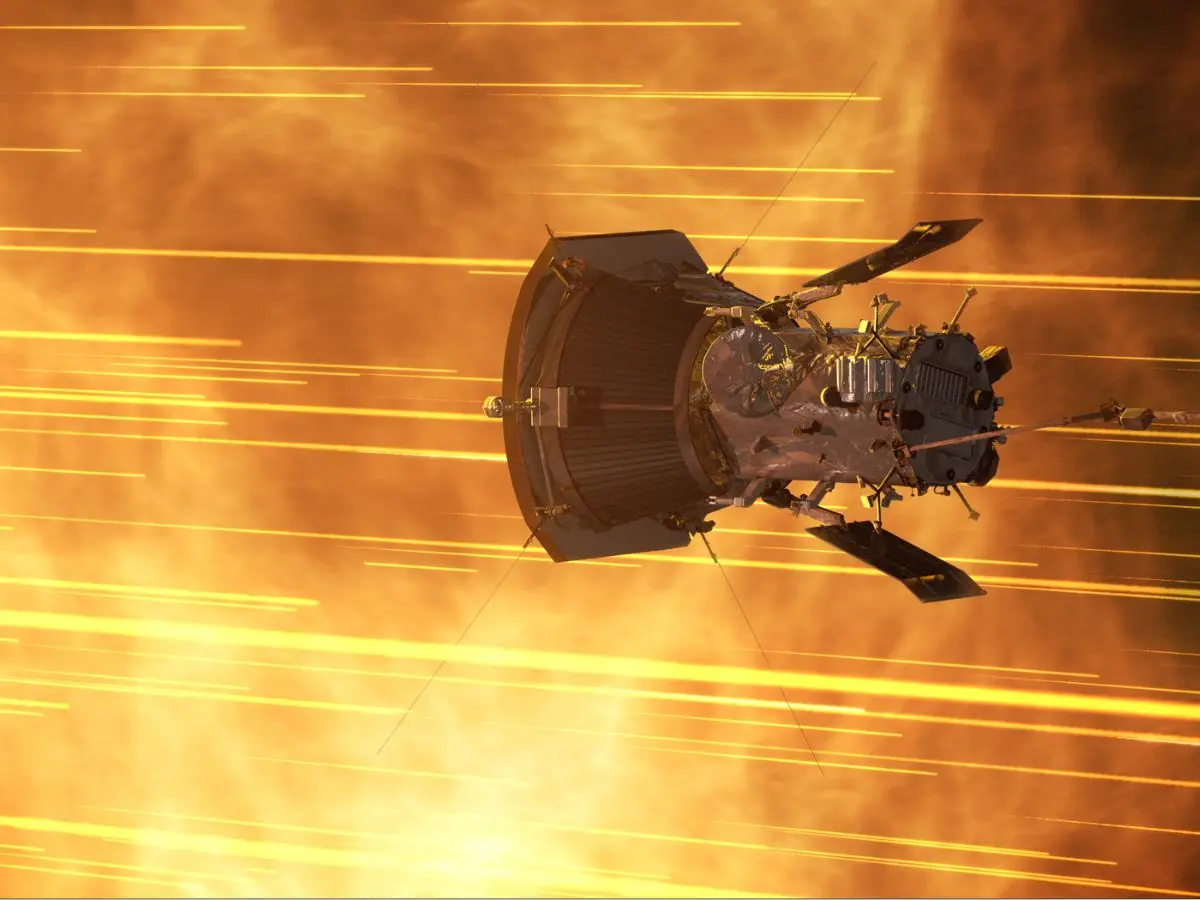)
Parker Solar Probe captures stunning images Photograph: (NASA)
Yet the slow solar wind, which moves at roughly half the speed and is denser and more variable, remains less understood. Parker’s close observations suggest that this slower stream may originate from helmet streamers, large magnetic loops near the solar equator, but further study is needed to confirm this. Understanding both streams is critical, as interactions between them can create turbulent conditions near Earth, sometimes rivaling the effects of direct CME impacts.
Looking ahead: towards deeper understanding
The probe’s next close approach, set for September 2025, promises even richer data as it dives deeper into the corona. These groundbreaking discoveries are not merely academic: they have profound implications for predicting space weather, safeguarding astronauts and spacecraft, and ensuring the stability of power and communications systems on Earth, a reminder of how our daily lives remain deeply connected to our star.

