50-foot fossil predator from dinosaur age found beneath US shopping centre

&imwidth=600&imheight=450&format=webp&quality=medium "50-foot fossil predator from dinosaur age found beneath US shopping centre")
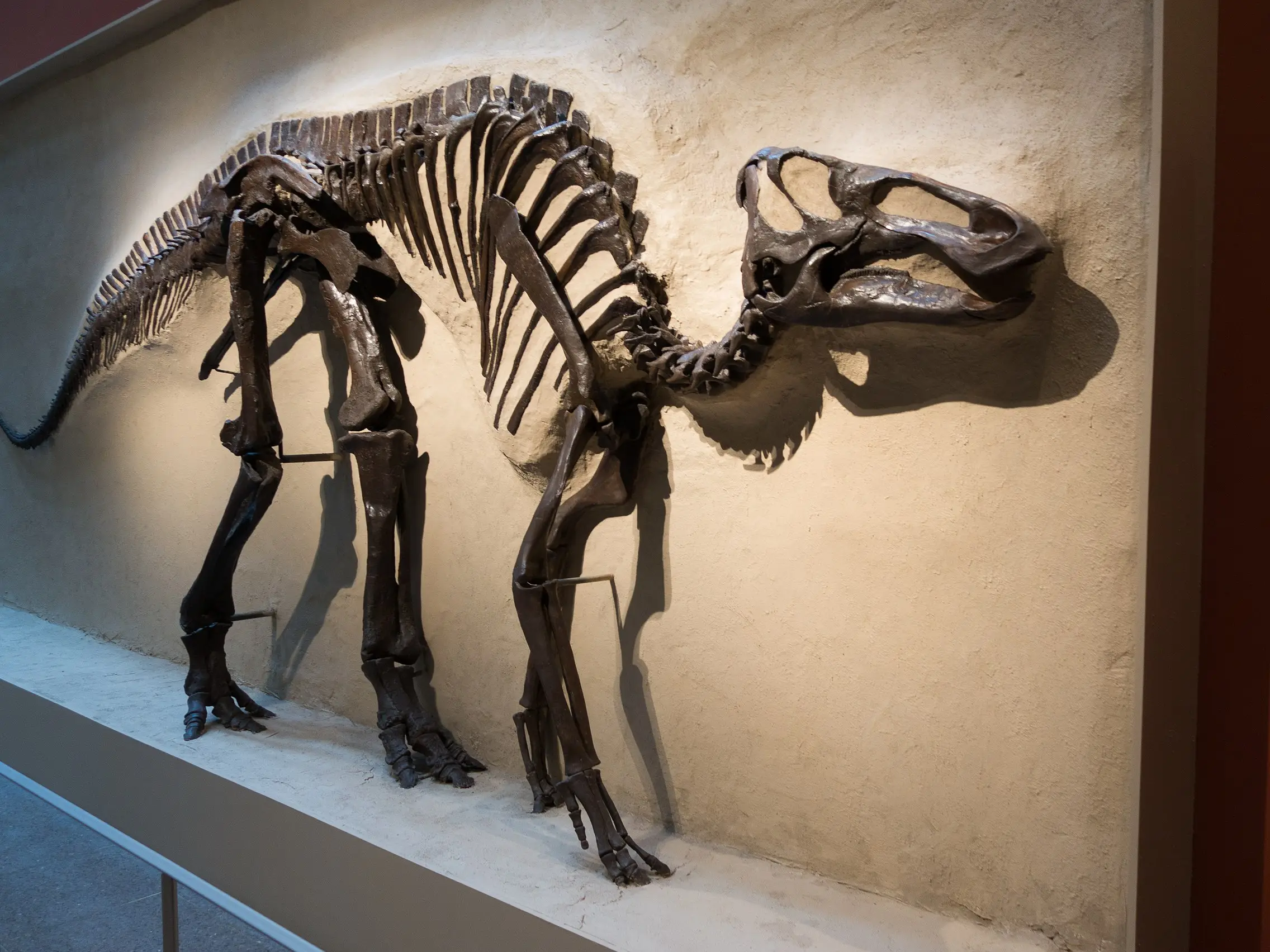
(Representational Image) Photograph: (Wikimedia Commons)
Geologists and palaeontologists have uncovered more than 1,00,000 fossils to date, representing over 100 species, including marine reptiles, fish, turtles, and sharks. The quarry beneath the future museum provides a preserved ecosystem capturing the final moments of Cretaceous marine life.
Beneath what is now a Lowe’s parking lot just off Route 55 in Mantua Township, New Jersey, lies a remarkable fossil site, soon to be the Edelman Fossil Park & Museum. The site sits atop a layer of sediment known as the extinction layer, marking the boundary between the Cretaceous and Paleogene periods some 66 million years ago. This layer is evidence of the asteroid impact that ended the age of dinosaurs. Geologists and palaeontologists have uncovered more than 1,00,000 fossils to date, representing over 100 species, including marine reptiles, fish, turtles, and sharks. The quarry beneath the future museum provides a preserved ecosystem capturing the final moments of Cretaceous marine life.
The Mosasaur and Ancient Seas
Among the most striking finds are mosasaur bones, large marine predators that once ruled the shallow seas covering what is now southern New Jersey. These creatures could reach lengths of up to 50 feet, and their remains give scientists insight into marine biodiversity just before the end-Cretaceous mass extinction. The sediments around the fossils show that this region was submerged under the Atlantic Seaway, a warm shallow sea teeming with life. The fossil-rich marl layers include not just mosasaurs, but also marine crocodiles, sea turtles, and many invertebrates. A recent feature by Energy Reporters highlights that the fossils uncovered at Edelman Fossil Park are changing our understanding of the last days of the dinosaurs.
The site had long been known for its fossil potential before becoming an official museum. Dr Kenneth Lacovara, founding executive director of Edelman Fossil Park & Museum, led efforts to transform the former quarry into a public science and education facility. The museum officially opened in March 2025. It is located on ‘66 Million Mosasaur Way’ in Mantua, New Jersey. Visitors can take part in fossil digs, guided tours, and interactive programmes. The public aspect is central: this is one of the few places in the eastern United States with an open quarry where amateurs and school groups can help uncover fossils.
Why It Matters
This discovery reshapes our understanding of the end-Cretaceous marine world. The density and diversity of fossils in the extinction layer help fill in details about which species survived until the very end, which perished, and how ecosystems collapsed and rebounded in the wake of global catastrophe. The site also emphasises how fossil evidence can lie hidden under modern development, only to be revealed by careful geological and palaeontological study.
&imwidth=280&imheight=210&format=webp&quality=medium)
&im=FitAndFill=(700,400)&imwidth=280&imheight=210&format=webp&quality=medium)
&imwidth=280&imheight=210&format=webp&quality=medium)
&imwidth=280&imheight=210&format=webp&quality=medium)
&imwidth=280&imheight=210&format=webp&quality=medium)
&im=FitAndFill=(700,400)&imwidth=280&imheight=210&format=webp&quality=medium)
&imwidth=280&imheight=210&format=webp&quality=medium)
&imwidth=280&imheight=210&format=webp&quality=medium)
&imwidth=280&imheight=210&format=webp&quality=medium)
&imwidth=280&imheight=210&format=webp&quality=medium)
&imwidth=280&imheight=210&format=webp&quality=medium)
&imwidth=280&imheight=210&format=webp&quality=medium)
&imwidth=280&imheight=210&format=webp&quality=medium)
&imwidth=280&imheight=210&format=webp&quality=medium)
&imwidth=280&imheight=210&format=webp&quality=medium)
&imwidth=280&imheight=210&format=webp&quality=medium)
&imwidth=280&imheight=210&format=webp&quality=medium)
&imwidth=280&imheight=210&format=webp&quality=medium)
&imwidth=280&imheight=210&format=webp&quality=medium)
&imwidth=280&imheight=210&format=webp&quality=medium)
&imwidth=280&imheight=210&format=webp&quality=medium)
&imwidth=280&imheight=210&format=webp&quality=medium)
&imwidth=280&imheight=210&format=webp&quality=medium)
&imwidth=280&imheight=210&format=webp&quality=medium)
&im=FitAndFill=(700,400)&imwidth=280&imheight=210&format=webp&quality=medium)
&imwidth=280&imheight=210&format=webp&quality=medium)
&imwidth=280&imheight=210&format=webp&quality=medium)
&imwidth=280&imheight=210&format=webp&quality=medium)
&imwidth=280&imheight=210&format=webp&quality=medium)
&imwidth=280&imheight=210&format=webp&quality=medium)
&imwidth=280&imheight=210&format=webp&quality=medium)
&imwidth=280&imheight=210&format=webp&quality=medium)
&imwidth=280&imheight=210&format=webp&quality=medium)
&imwidth=280&imheight=210&format=webp&quality=medium)
&imwidth=280&imheight=210&format=webp&quality=medium)

