2023: The year when India lit up dark side of the Moon with Chandrayaan-3

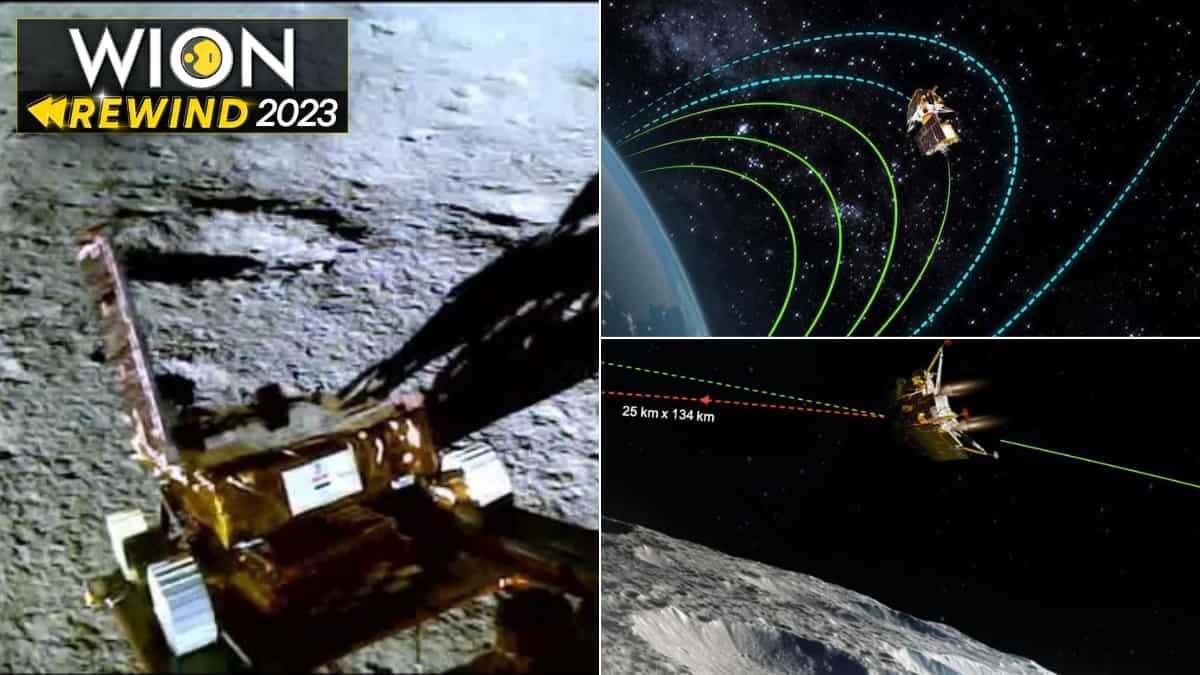
Chandrayaan-3
The space race heated up in 2023. One of the most significant moments in the history of space exploration was when an astronaut from the United States, Neil Armstrong, became the first man to walk on the Moon.
But it happened over half a century ago, after such a massive gap, the race to reach the Moon has gained momentum, in the year 2023 will be remembered for India's massive contribution in this sector - the Chandrayaan-3 mission.
The landing on the dark side of the Moon was special as it came four years after the Chandrayaan-2 crash-landed.

India became the only fourth country to successfully land on the moon, after the former USSR, the United States and China.
The lunar south pole is believed to be a region with water ice, or frozen water, that could be a source of oxygen, fuel and water for future moon missions.
From north to south, from east to west, the entire nation took great interest in the project and followed each and every update by following the Indian Space Research Organisation (ISRO).
)
Did India risk its US trade deal despite softer stance at BRICS?
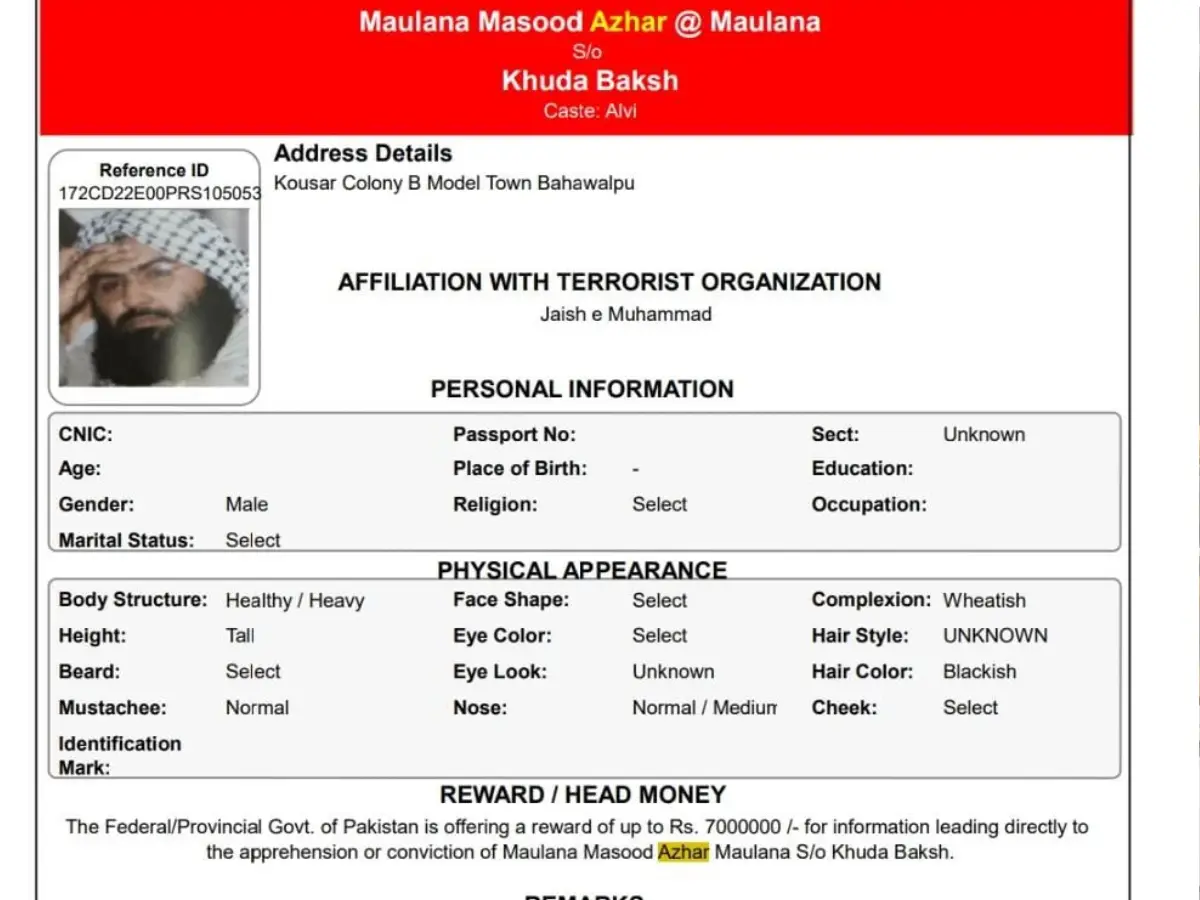)
Pakistan puts Pak Rs 70 lakh bounty on UN terrorist Masood Azhar; move draws skepticism in Delhi
)
‘US ensuring global energy supplies’: Trump demands reimbursement for securing Strait of Hormuz
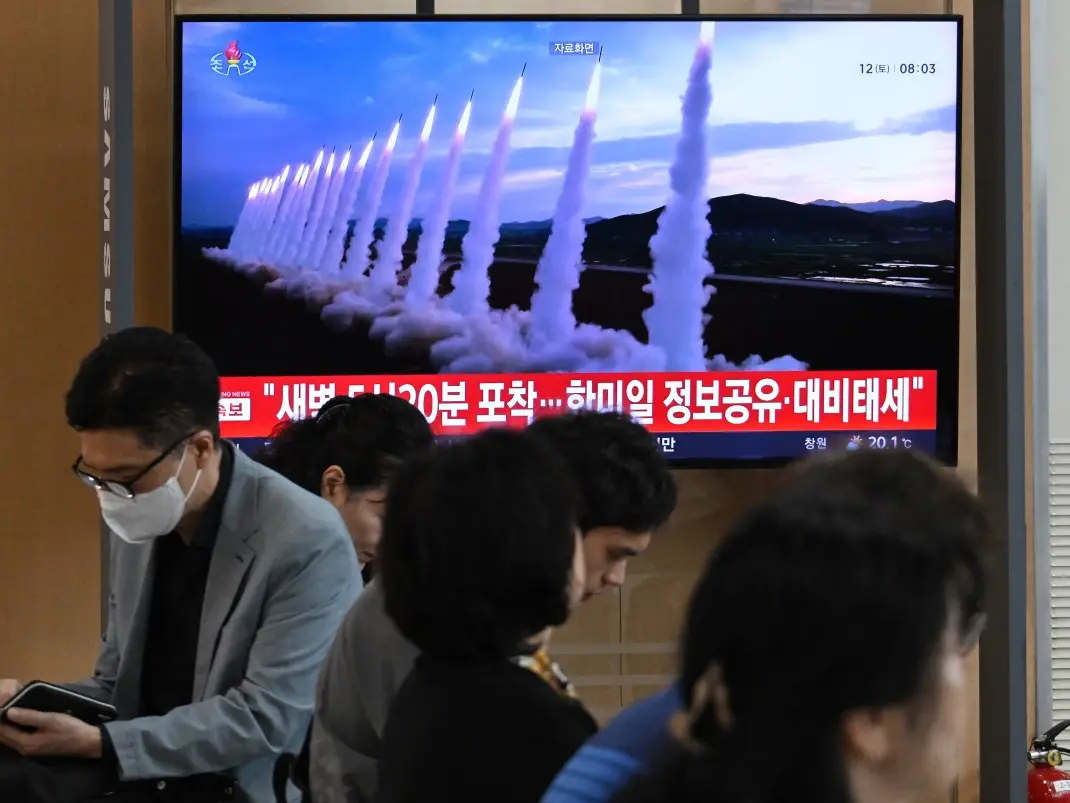)
'Huge destructive power': North Korea calls its latest missile launches 'live-fire drill' even as US dismisses 'immediate threat'
)
Historic first: ‘Ganga aarti’ performed on River Thames in London
)
‘Let’s go’: Newly declassified videos show dramatic rescue of US Air Force officers downed in Iran
&im=FitAndFill=(700,400))
Why European Meteor missiles use ramjet engines compared to standard US solid rockets
)
Iran, India agree to deepen humanitarian and political ties, President Pezeshkian says
)
‘Want to reset ties with India, have engagement based on mutual interests,’ says Bangladesh minister
)
Turkish Airlines plane flies through a storm three times, triggering severe turbulence
&im=FitAndFill=(700,400))
Why Chinese PL-15 air-to-air missiles use dual-pulse motors compared to European interceptors
)
BRICS set of guidelines for disaster management
)
800 million years old - Scientists discover 'fingerprints' of supercontinent Gondwana in ancient rocks
)
Russia proposes to build 360 kmph Ivolga FG trains in India: What happened on sidelines of BRICS
)
China discovers vast gold and silver 'mine' in the Pacific with unheard-of deposits
)
Who really benefits from the BRICS bank? Inside the New Development Bank's $43 billion portfolio
)
Plane carrying prominent figure crashes at Libya’s Misrata airport: Report
)
Woman removes all her clothes on American Airlines flight, performs 'indecent acts'; arrested
&im=FitAndFill=(700,400))
New OTT releases this week (September 14-20, 2026): Lust Stories 3, Waiting Hai, Irumudi- 5 new titles coming on Netflix, Prime Video and more
)
Liam Neeson sparks romance rumours after holding hands with Stella Stocker at TIFF 2026
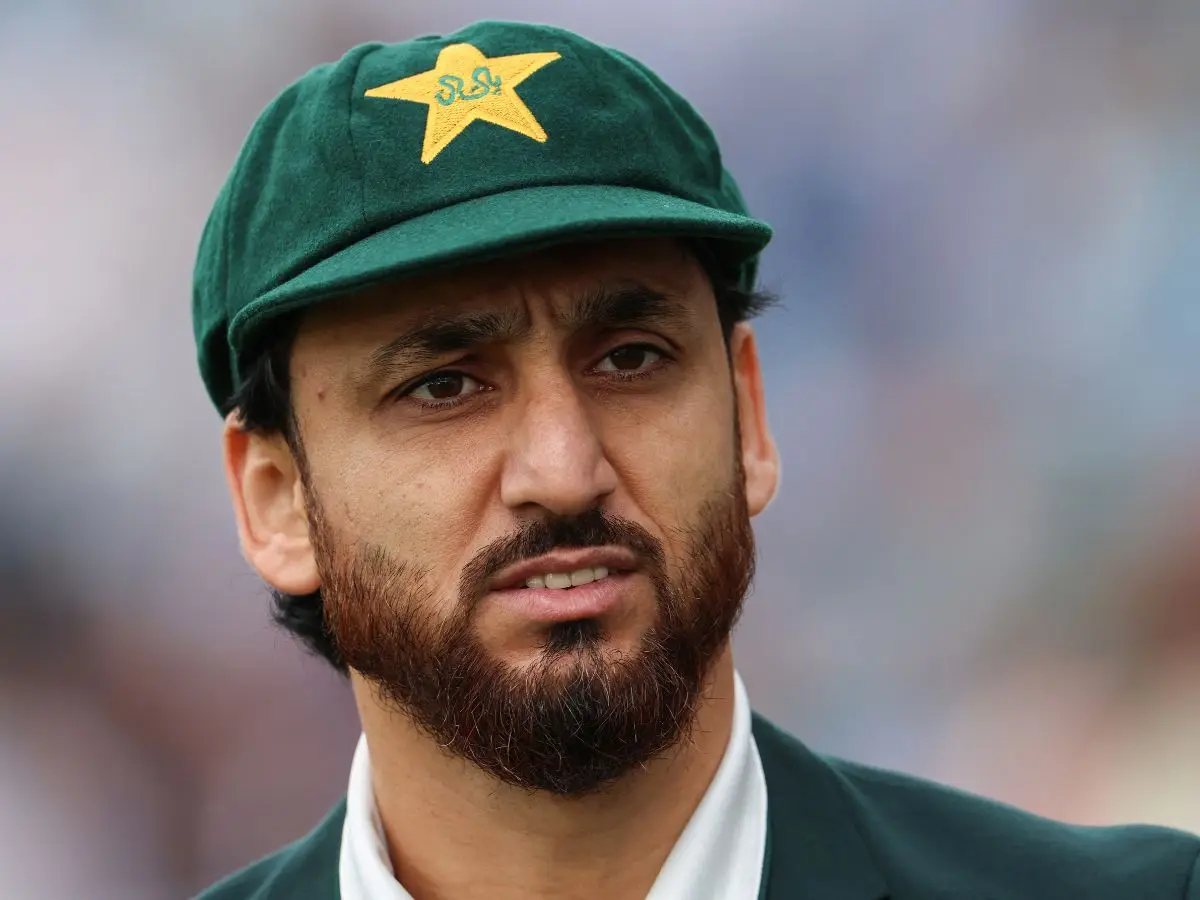)
Sent home midway from UK tour, Pakistan's Salman Agha hits 300* in domestic return
)
Nigerian Navy seizes 10,000 litres of suspected illegal fuel in Rivers State crackdown
)
Saudi Arabia discovers 110 million tonnes of Uranium-rich ore in Madinah region
)
Ecstasy tablets are rage in 'drug haven' Libya | Gravitas
)
'Now Trump is copying us': Shivakumar links US $5,000 plan to Congress guarantees
)
Video of Pakistani lawmaker struggling to read English tribute to Jinnah goes viral - WATCH
)
Trump downplays China's alleged 'help' to Iran in strike on Jordan base | Gravitas
)
Meghan Markle shares first glimpse of family life with Prince Harry and children in UK
)
Baba Vanga's first prophecy for 2027 is out, and straight out of science fiction
)
Photographs, LeT labels vanish from two 2008 Mumbai attack entries in Pakistan’s most wanted list
)
US court blocks Trump administration move ending automatic H-4 EAD extensions for seven spouses
)
Indian Americans, fellow Republicans react sharply to Bo French’s post targeting 'foreigner' students in Texas
)
UK man admits drugging, raping wife for 20 years in shocking abuse case
)
Extreme warming in Indian Ocean added 695 billion tons of ice to Antarctica ice sheet
)
Scotland, Wales & Northern Ireland push for exit from UK | Race To Power
Chandrayaan-3 put India's flag on Moon
Chandrayaan-3 consisted of an indigenous Lander module (LM), a Propulsion module (PM) and a Rover. The rover aimed to develop and demonstrate new technologies required for Inter planetary missions.
The Lander was capable of soft landing at a pre-specified lunar site. It deployed the Rover which carried out in-situ chemical analysis of the lunar surface till the time it was mobile.
The spacecraft July 14, 2023, departed from the Satish Dhawan Space Centre - a barrier island in the southern state of Andhra Pradesh.
It entered lunar orbit in a few days, by August 5. One of the biggest days in the history of Indian space research was August 23, 2023, when the lander touched down near the lunar south pole.
The objectives were: (1) To demonstrate a Safe and Soft Landing on Lunar Surface. (2) To demonstrate Rover roving on the moon, and (3)To conduct in-situ scientific experiments.
The Vikram lander and Pragyan rover did not wake up during the lunar day, which equals 14 Earth days which could have been due to the extremely cold lunar nights. Scientists believe that the batteries might have been affected. But if collected precious data when they were awake.
ISRO said that the Chandrayaan 3 mission confirmed the presence of sulphur, aluminium, calcium, iron, chromium, titanium, manganese, oxygen and silicon near the south pole of the Moon.
An instrument named Chandra's Surface Thermophysical Experiment (ChaSTE) on board the lander module measured temperature variation between the Moon's surface and a point around 8 cm below.
Data recorded by ChaSTE showed that where the lander is located, the temperature is 40-50 degrees C. However, it plunges to around -10 degrees C under 80 mm. The temperature variation shows that the topsoil of the moon is an excellent thermal insulator.
India's future in space exploration
Prime Minister Narendra Modi's government is also focusing on increasing investment in private space launches and related satellite-based businesses.
The nation also wants its private space companies to increase their share of the global launch market in the coming years.
India is taking slow and steady steps in space exploration, history tells us that slow and steady wins the race.
(With inputs fromagencies)