

&imwidth=800&imheight=600&format=webp&quality=medium "‘Biggest and most powerful Starship ever’: SpaceX targets new launch date for V3 debut ahead of IPO")
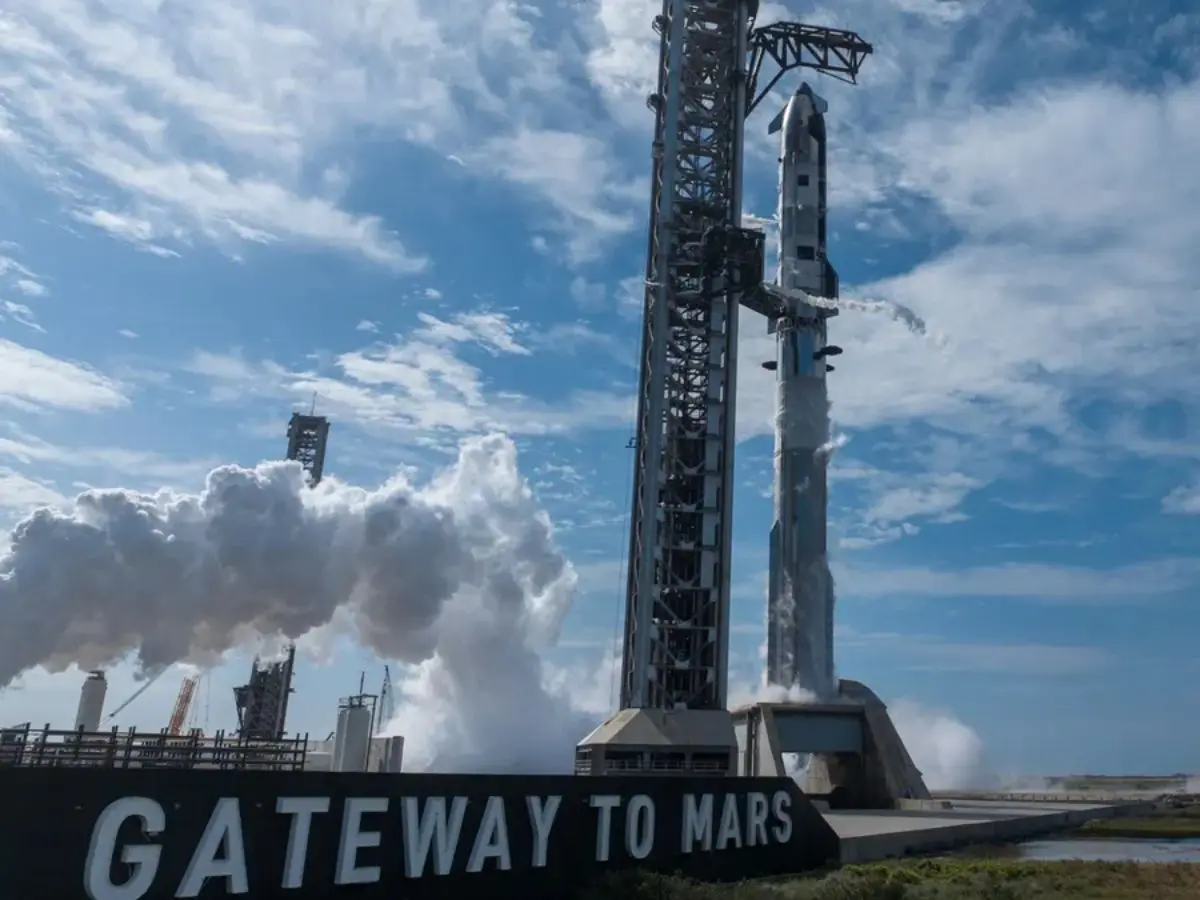
SpaceX is preparing to launch Starship Version 3, the latest and most advanced version of the world’s largest rocket, in what could become one of the company’s most closely watched test flights yet. The mission, known as Flight 12, is now targeted for Wednesday evening after multiple delays earlier this week pushed back the original launch schedule from May 19 to now May 20, according to USA Today. The updated launch window for Flight 12 is scheduled to open at 6:30 pm Eastern Time (2230 GMT), from the company’s Starbase facility in Texas during a 90-minute launch window. If weather and technical conditions remain favourable, liftoff could take place shortly after the window opens, though SpaceX typically maintains flexibility in its final countdown timeline before launch.
The launch also comes at a significant moment for Elon Musk’s company, with investors closely monitoring SpaceX ahead of a widely anticipated initial public offering expected next month.
What makes Starship V3 different?
According to Space.com, Starship V3 is described as the ‘biggest and most powerful iteration’ of the rocket so far. The fully reusable system consists of the upper-stage Starship spacecraft mounted atop the Super Heavy booster, powered by 33 upgraded Raptor engines designed to generate more thrust while reducing weight. The new version also includes major upgrades aimed at supporting future lunar and Mars missions. According to Reuters, the spacecraft has been fitted with systems for orbital refuelling, ship-to-ship docking and improved manoeuvrability for long-duration space travel.
Flight 12 will also be the first mission launched from a newly constructed pad built specifically for the more powerful V3 rocket.
Trending Stories
&imwidth=180&imheight=135&format=webp&quality=medium)
Blasts heard in Sanaa as Saudi-led coalition warns civilians to evacuate; Houthis vow retaliation
&imwidth=180&imheight=135&format=webp&quality=medium)
China's counter-surveillance industry booms amid heightened espionage fears | Gravitas
&imwidth=180&imheight=135&format=webp&quality=medium)
Saudi Arabia strikes Yemen oil sites as Houthi missiles target Riyadh; 'limited fire' breaks out at Aramco
&im=FitAndFill=(700,400)&imwidth=180&imheight=135&format=webp&quality=medium)
Navratri 2026: 9 days, 9 forms of Goddess Durga and 9 colours- Check the complete list
&imwidth=180&imheight=135&format=webp&quality=medium)
Trump accuses Houthis of driving up oil prices before US midterms, warns of consequences
&imwidth=180&imheight=135&format=webp&quality=medium)
New Delhi rejects Beijing’s claims and remarks on Ladakh location naming exercise
&imwidth=180&imheight=135&format=webp&quality=medium)
Russian woman and Bihar boy's love story goes viral after she reaches India to marry him
&imwidth=180&imheight=135&format=webp&quality=medium)
US Midterms 2026: In Alaska, cost-of-living anxiety meets strangest ballot in high-stakes Senate race
&imwidth=180&imheight=135&format=webp&quality=medium)
CMs Vijay-Naidu meet in Vijayawada, discuss water sharing, river-linking
&imwidth=180&imheight=135&format=webp&quality=medium)
'Don't ever mess with nature!': Trump’s tiger attack post triggers social media backlash as victim's family issues heartbreaking tribute
&imwidth=180&imheight=135&format=webp&quality=medium)
OpenAI employee arrested by FBI after allegedly hiding recording device in office
&imwidth=180&imheight=135&format=webp&quality=medium)
1,500 drones illuminate Mumbai sky as Cordelia Cruises unveils second ship, Cordelia Sky
&imwidth=180&imheight=135&format=webp&quality=medium)
Ranabaali: Vijay Deverakonda, Rashmika Mandanna film gets U/A certificate with zero cuts
&imwidth=180&imheight=135&format=webp&quality=medium)
Delhi Police arrest Cockroach Janta Party's Saurav Das, Ashutosh Ranka, Ajinkya Shinde in Jantar Mantar case, to be produced before court
&imwidth=180&imheight=135&format=webp&quality=medium)
Pope Leo XIV diagnosed with lung cancer after surgery, Vatican says 'successful surgery and recovering'
&imwidth=180&imheight=135&format=webp&quality=medium)
Pakistan to chair UN-backed global Borrowers’ Platform as its own debt burden mounts, triggers sarcastic reactions on social media
&imwidth=180&imheight=135&format=webp&quality=medium)
Robot gropes girl, makes thrusting movements in bizarre crime in Germany
&imwidth=180&imheight=135&format=webp&quality=medium)
France accuses Musk of ‘online harassment’ of European leaders, warns of poll interference
&imwidth=180&imheight=135&format=webp&quality=medium)
MI5 chief warns Russia is UK’s ‘aggressor number one’ as Iran and AI threats grow
&imwidth=180&imheight=135&format=webp&quality=medium)
'Turn approver, resign, we'll forgive you': Rahul Gandhi claims receiving messages from CEC Gyanesh Kumar
&imwidth=180&imheight=135&format=webp&quality=medium)
Trump reconsidering calling off Nidal Hasan's execution livestream. Here's why
&imwidth=180&imheight=135&format=webp&quality=medium)
‘My president, I mean my husband’: Trump's new press secretary Katie Zacharia's first briefing goes off the rails in 14 minutes
&imwidth=180&imheight=135&format=webp&quality=medium)
‘How many people did she illegally bring from Somalia?’ Trump targets Ilhan Omar, questions her net worth
&imwidth=180&imheight=135&format=webp&quality=medium)
Marco Rubio to visit India next week, focus on energy cooperation and strategic ties
&imwidth=180&imheight=135&format=webp&quality=medium)
Is the AI chip boom already over? Global semiconductor stocks slide as investors question unbridled spending
&imwidth=180&imheight=135&format=webp&quality=medium)
L Murugan resigns as Union Minister, expresses wish to return to grassroots
&imwidth=180&imheight=135&format=webp&quality=medium)
'Ouch!!! That must hurt': Kangana Ranaut hails Kamal Haasan's sharp reply to Elon Musk over Starlink row
&imwidth=180&imheight=135&format=webp&quality=medium)
Girl 'dead' for 8 hours wakes up at her own funeral, dad insists she wasn't breathing
&imwidth=180&imheight=135&format=webp&quality=medium)
Sidhu Moose Wala’s younger brother wins hearts by recreating late singer’s signature move at Toronto Hologram Show
&imwidth=180&imheight=135&format=webp&quality=medium)
UK school ditches technology, shifts from screen to pen and paper for learning
&im=FitAndFill=(700,400)&imwidth=180&imheight=135&format=webp&quality=medium)
New OTT releases this week (October 12-18, 2026): Sacrifice, Koffee with Karan S9, Roadies Rebirth- 6 titles coming on Netflix, JioHotstar and more
&imwidth=180&imheight=135&format=webp&quality=medium)
Anupam Kher joins Ranbir Kapoor's Ramayana as Jatayu, new poster unveiled
&imwidth=180&imheight=135&format=webp&quality=medium)
Measles kills again: 6 dead in Pennsylvania as America faces its worst outbreak in decades | Gravitas
&imwidth=180&imheight=135&format=webp&quality=medium)
Ken Paxton's Dubai night out with two US fugitives sparks political storm as Texas Senate race tightens
&imwidth=180&imheight=135&format=webp&quality=medium)
Cornell University suspends fraternity parties over 2024 gang rape allegations
Investors and NASA watching closely
“For an IPO that is leaning so heavily into narrative and symbolism, we believe this flight is the single most important pre-IPO catalyst remaining on SpaceX’s calendar,” PitchBook analyst Franco Granda told Reuters. The mission will send Starship on a suborbital trajectory before splashdown in the Indian Ocean roughly 65 minutes after launch. The Super Heavy booster is expected to perform a controlled descent into the Gulf of Mexico around seven minutes after liftoff.
Before re-entry, Starship is expected to deploy 20 Starlink simulators along with two modified satellites designed to inspect the vehicle’s heat shield during descent.
Why the launch matters beyond SpaceX
SpaceX’s test-and-fail engineering approach has long set it apart from traditional aerospace firms, with the company repeatedly pushing spacecraft to their limits before refining designs through successive launches. That strategy is now under sharper scrutiny as investors assess SpaceX ahead of its IPO. Elon Musk, who founded the company in 2002, has said Starship could make its first uncrewed journey to Mars by the end of 2026. The rocket is also central to NASA’s Artemis programme, under which SpaceX secured a contract worth more than $3 billion to help return astronauts to the Moon later this decade amid growing competition with China’s lunar ambitions.

