From JF17 deals to US deals, big ticket announcements by Pakistan make limited success

&imwidth=600&imheight=450&format=webp&quality=medium "From JF17 deals to US deals, big ticket announcements by Pakistan make limited success")
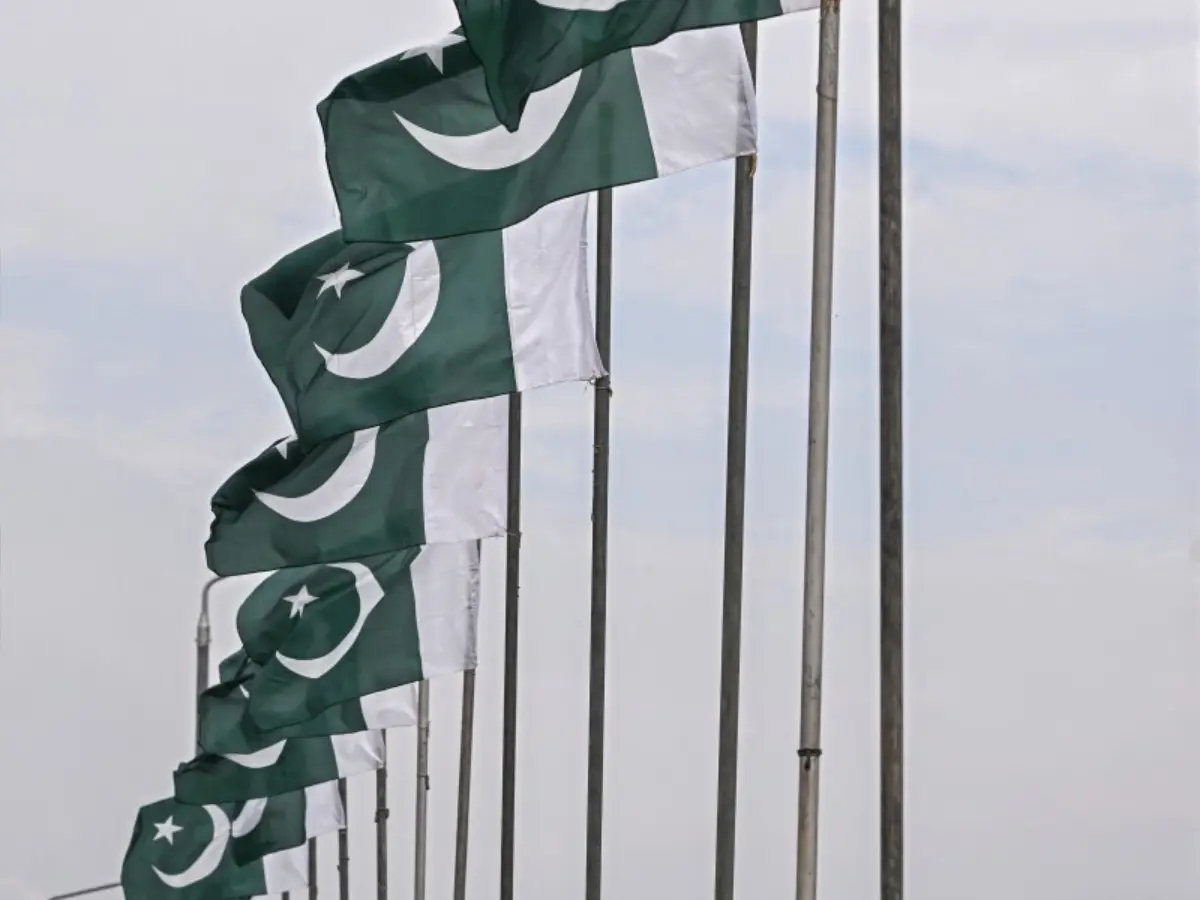
Pakistan's national flag flutters along a bridge in Islamabad, March 28, 2026 image Photograph: (AFP)
Pakistan's diplomatic and economic initiatives, including US property deals, cryptocurrency ventures, defence exports, and Strait of Hormuz access, have yielded limited results. Despite high-profile announcements, Islamabad struggles with debt repayment, stalled deals, and regional influence.
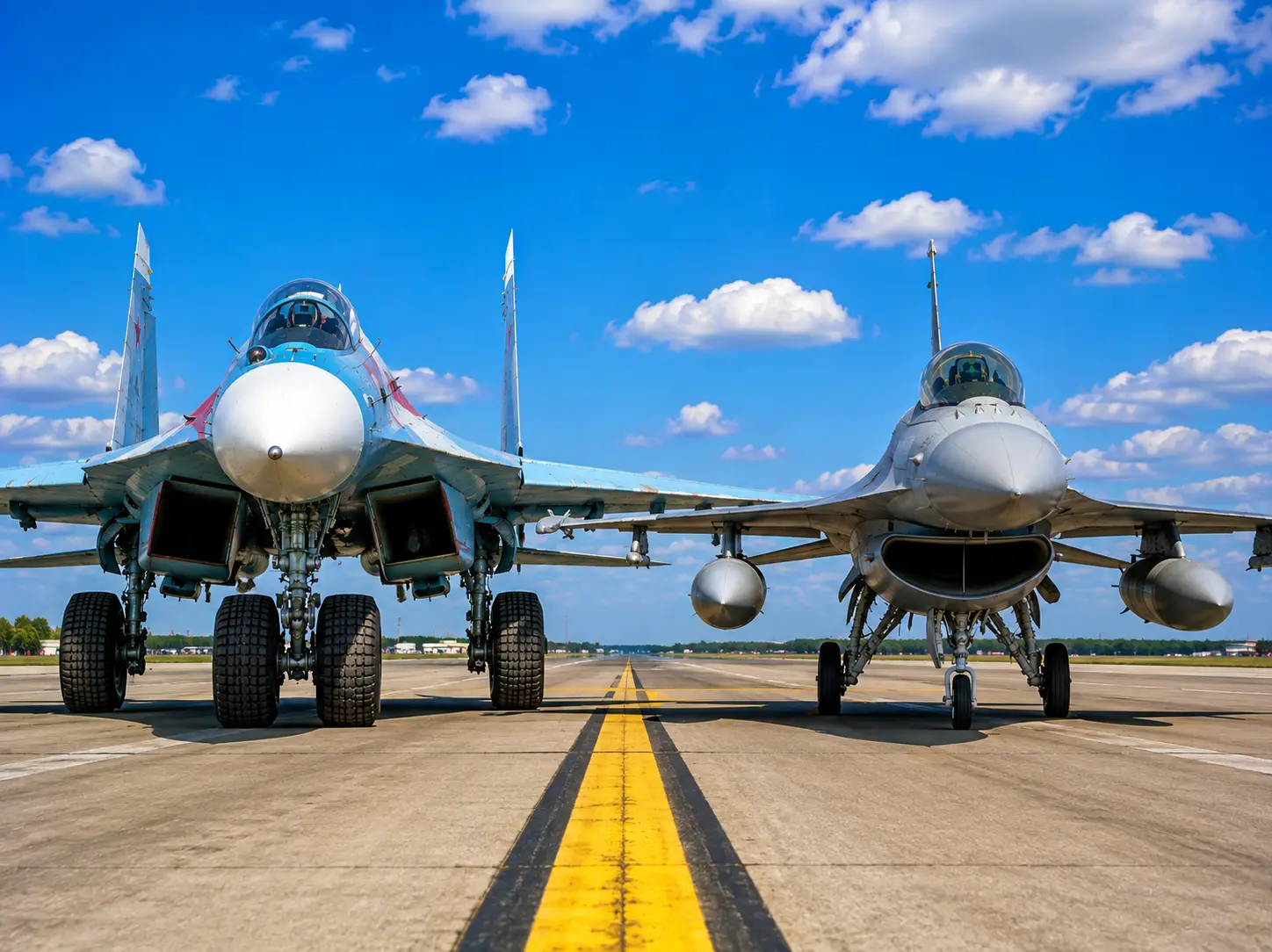
Pakistan's diplomatic and economic outreach efforts have largely stalled, yielding few tangible results despite high-profile announcements and attempts to leverage ties with the Trump administration. Mega defence-related talks have generated headlines in Pakistani media but lack confirmation from the other parties. Pakistani media reports or reports by Pakistani Journalists for international agencies suggested Pakistan was close to finalising deals for jets and drones with Indonesia, discussions with Saudi Arabia over JF-17 fighter jets in exchange for loans, and potential sales to Bangladesh. None of these have been independently verified or resulted in signed contracts so far.
In recent months, Islamabad has pursued a series of deals and initiatives aimed at easing its economic pressures and positioning itself as a regional player. However, many of these efforts have failed to materialise or have encountered significant setbacks.
A key example is the agreement with the United States over the Roosevelt Hotel in New York. In February, Pakistan signed a Memorandum of Understanding with the US General Services Administration for the potential redevelopment of the property, which Pakistan owns. The deal was framed as a boost to bilateral economic ties under President Donald Trump, with involvement from US Special Envoy Steve Witkoff. Pakistani officials described it as a structured framework for evaluation. Yet months later, there has been no visible progress.
Similarly, Pakistani media announced a partnership with SC Financial Technologies, an affiliate of World Liberty Financial, the cryptocurrency venture linked to the Trump family. The agreement was intended to explore the use of the USD1 stablecoin for cross-border payments. Again, details remain sparse and the initiative appears to have made little headway.
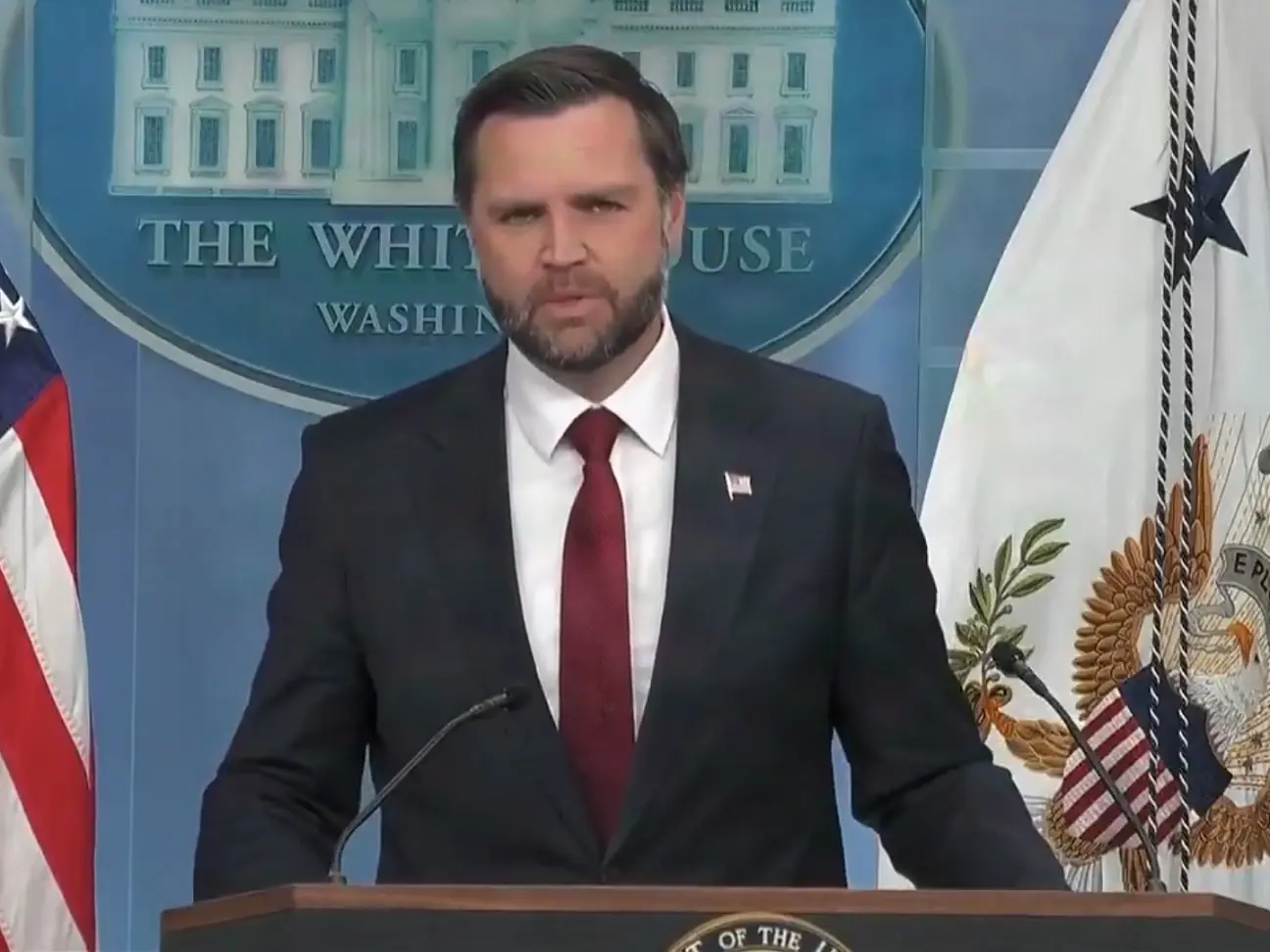
On the diplomatic front, Pakistan attempted to act as an intermediary between the United States and Iran amid regional tensions. Claims circulated in Pakistani and international media that US Vice President JD Vance might visit Islamabad for talks related to Iran. However, no such visit has materialised, and Iran has rejected US proposals while offering its own counter-terms, according to reports. These episodes illustrate a pattern: ambitious announcements from Islamabad often fail to translate into delivered outcomes.
Trending Stories
&im=FitAndFill=(700,400))
)
)
)
&im=FitAndFill=(700,400))
)
)
)
)
)
)
)
)
)
)
)
&im=FitAndFill=(700,400))
)
)
)
)
)
)
)
)
)
&im=FitAndFill=(700,400))
&im=FitAndFill=(700,400))
)
)
&im=FitAndFill=(700,400))
)
)
Pakistan also highlighted a supposed breakthrough on maritime access when Foreign Minister Ishaq Dar announced that Iran had agreed to allow 20 additional Pakistani-flagged ships to pass through the Strait of Hormuz, with two crossings per day. Bloomberg later reported that Pakistan, facing a shortage of its own vessels, approached global commodity traders to reflag large tankers, including supertankers, under the Pakistani flag. Marine Traffic data, however, shows only a handful of Pakistani-flagged tankers active in the area, casting doubt on the scale of any practical success.
Economically, Pakistan continues to struggle. The United Arab Emirates has demanded the repayment of $3.5 billion in debt by the end of the month. While Islamabad has agreed to return the funds, the request has triggered domestic criticism. Senator Mushahid Hussain responded by mockingly suggesting that the "poor" UAE needed money and that Pakistan, as a "big brother", would help, a remark that highlighted underlying tensions rather than resolution.
Whether in property redevelopment, cryptocurrency ventures, defence exports or regional mediation, Pakistan's patchwork diplomacy has so far produced more buzz than breakthroughs.
