Maduro in handcuffs, Flavio in Florida: The US duplicity in Latin America on a president and a wannabe president


Maduro in chains, Flavio with Trump at Oval Office: A story of contrasts Photograph: (Others)
Nicholas Maduro’s capture by the US and Flavio Bolsonaro’s flight to Florida expose a sharp reality of US interventions in Latin America. America wants Venezuela’s oil, and seeks to help Brazil’s right-wing political camp.
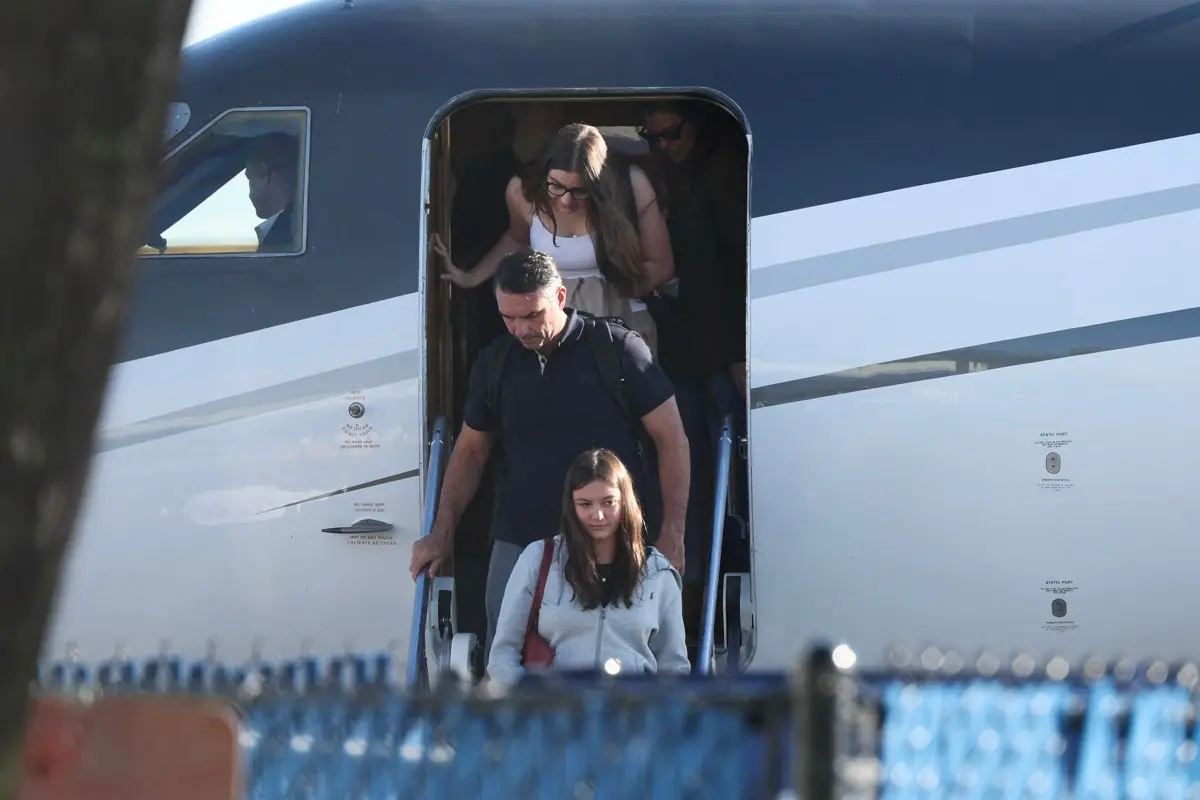
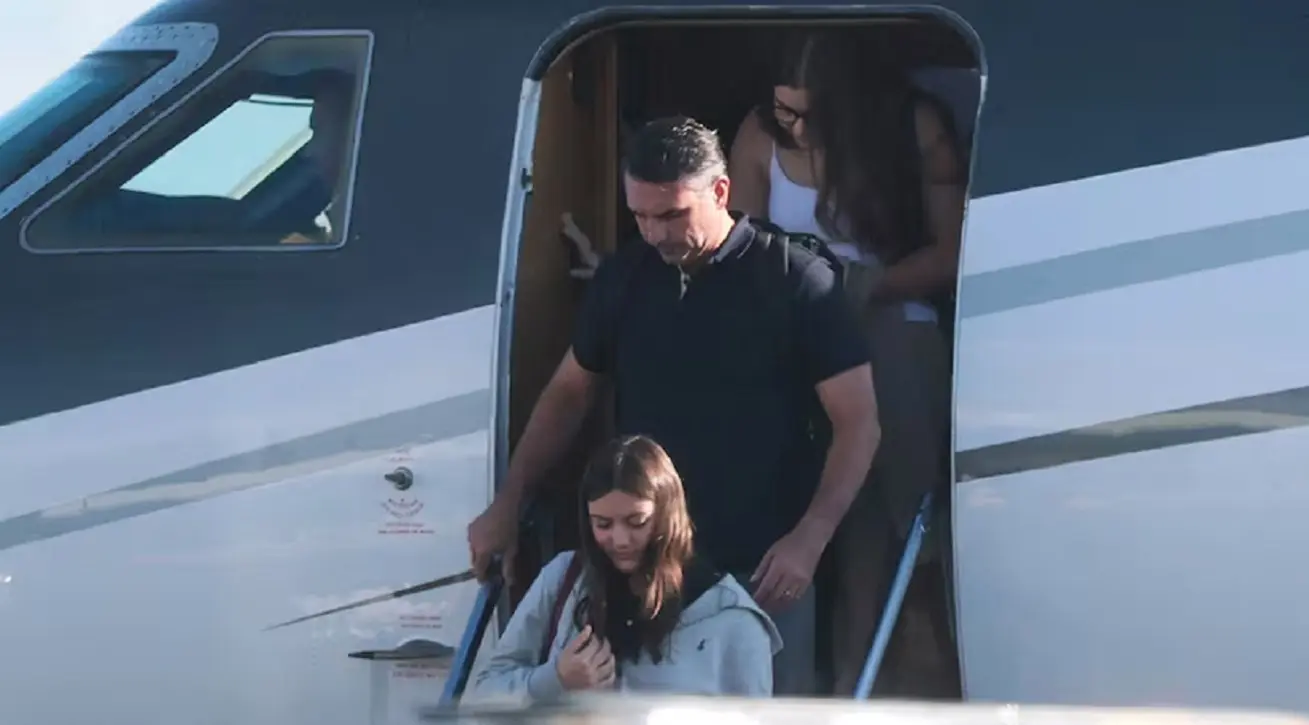
In a span of 10 months, US duplicity towards Latin America came into full display. A president was captured in a military raid in the Venezuelan capital of Caracas and taken to New York in January to face narcotics charges. In October, a defeated presidential candidate facing a money-laundering investigation back home in Brazil was welcomed into the US along with his family, despite a court order requiring him to surrender his passports. The stark contrasts in the fates of Nicolas Maduro and Flavio Bolsonaro are the latest in a long series of US interventions in Latin America, where Washington has repeatedly tried to influence the region’s political direction.
Maduro: 'The kingpin of a narcotics organisation’
First, the facts. Nicholas Maduro was portrayed as the kingpin of a narcotics organisation that, in the American telling, operated as a cartel. The Cartel of the Suns is a term used for years to describe alleged drug-trafficking networks involving Venezuelan military and government officials. But it doesn't necessarily represent a coherent, hierarchical cartel comparable to Mexico’s Sinaloa cartel or Colombia’s Cali cartel. At best, it is a loose network of officials and criminal interests. That distinction matters, particularly when the label is used as a broad stroke to justify extraordinary military action.
After the US military raid on Venezuela's presidential complex on the night of January 3, President Donald Trump made clear that control over the country’s oil was central to his administration’s plans. Washington has since secured an agreement giving US interests significant influence over Venezuelan oil production. So it's not just about bringing a president to justice: it is also about gaining access to one of the world’s largest oil reserves, in a country where the oil industry was nationalised in the 1970s and the state oil company, Petróleos de Venezuela (PDVSA), became central to the socialist government's budget.
Flavio: The boy with a silver spoon
Cut to Brazil. Flavio is the son of former president Jair Bolsonaro, a Trump admirer whose right-wing populism, hostility towards the Left and emphasis on law and order echoed the politics of the first Trump administration. The former army captain came to power in 2019 after a campaign marked by an anti-establishment message. A stabbing attack during the campaign turned him into a symbol of political victimhood among his supporters.
Trending Stories


There were major changes to Brazil’s economy under Bolsonaro. His administration introduced privatisation of Eletrobras in 2022, the sale of Petrobras's fuel-distribution subsidiary BR Distribuidora in 2019, and concessions covering airports, ports, railways and roads. These opened further opportunities for private and foreign investment.
Bolsonaro also clashed with Brazil’s cultural establishment. He attacked what he described as the excessive sexualisation of Carnival - the most important festive season of Brazil - and criticised cultural funding. His politics combined social conservatism, hostility towards progressive causes and a militarised approach to public security.
He promised to clean up Brazil, from raids in the country’s favelas to a supposedly uncompromising war on crime. He militarised the police, which showed excessive brutality during his term in power.
Cracking down on political opponents didn't help Bolsonaro
During Bolsanaro's term in office, the cases against his predecessor, Luiz Inácio Lula da Silva, continued. The former president had been convicted in cases like the Operation Car Wash, a triplex apartment in Guarujá and a ranch in Atibaia, amid allegations of benefits connected to corruption involving Petrobras. But in 2021, Brazil’s Supreme Federal Court annulled the convictions because the court in Curitiba that had handled the cases lacked jurisdiction. The ruling restored Lula’s eligibility to contest elections, which he won.
Jair Bolsonaro’s own legal troubles mounted in the past few years. In 2023, Brazil’s Superior Electoral Court ruled him ineligible to stand for office until 2030 over his abuse of political power and misuse of the media in attacking Brazil’s electoral system during his term in power. In 2025, the Supreme Federal Court convicted him of participating in a coup plot intended to prevent Lula from taking office after the 2022 election, and sentenced him to 27 years in prison.
Flavio's rise was allegedly helped from outside
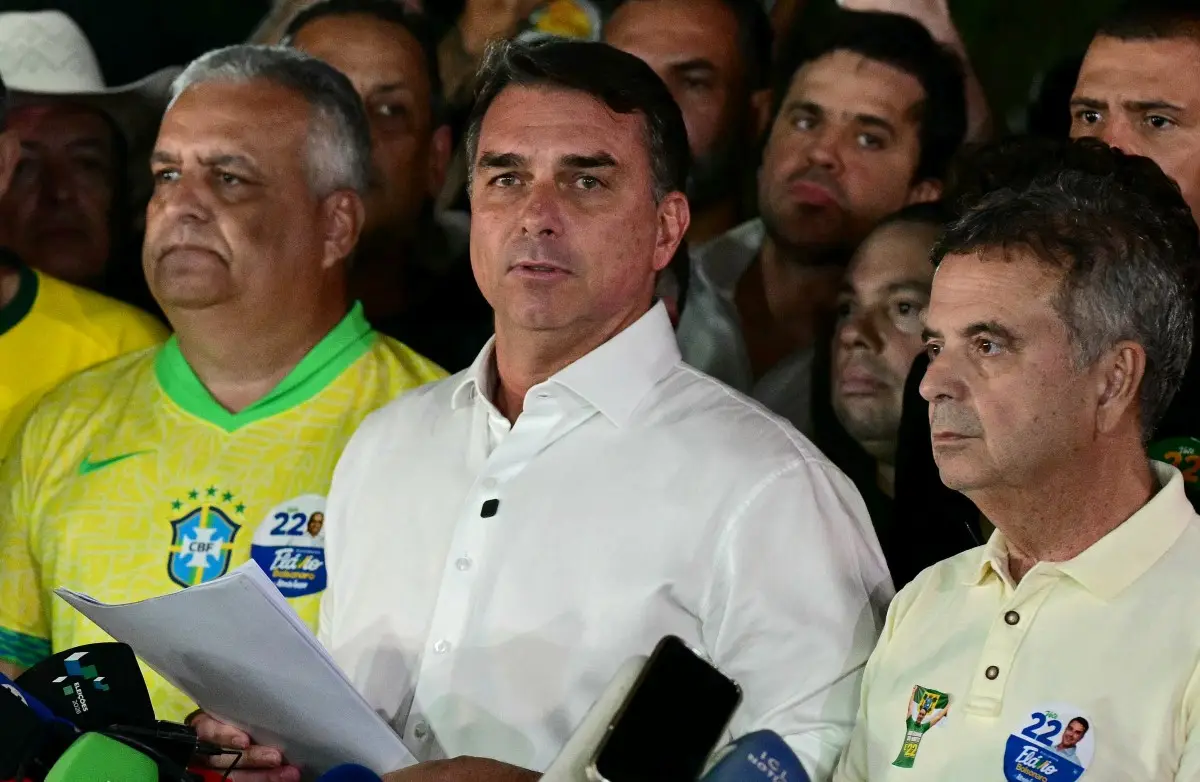
By 2026, Bolsonaro's son Flavio emerged as the principal presidential candidate for the Bolsonaro camp. The long-serving senator became the standard-bearer for the Brazilian right. There have been allegations of American support for the Bolsonaro political camp, including claims about money, intelligence and the power of US technology companies to influence social-media algorithms. Washington’s political sympathies towards the Bolsonaro camp were made clear when Flavio met Trump at the Oval Office.
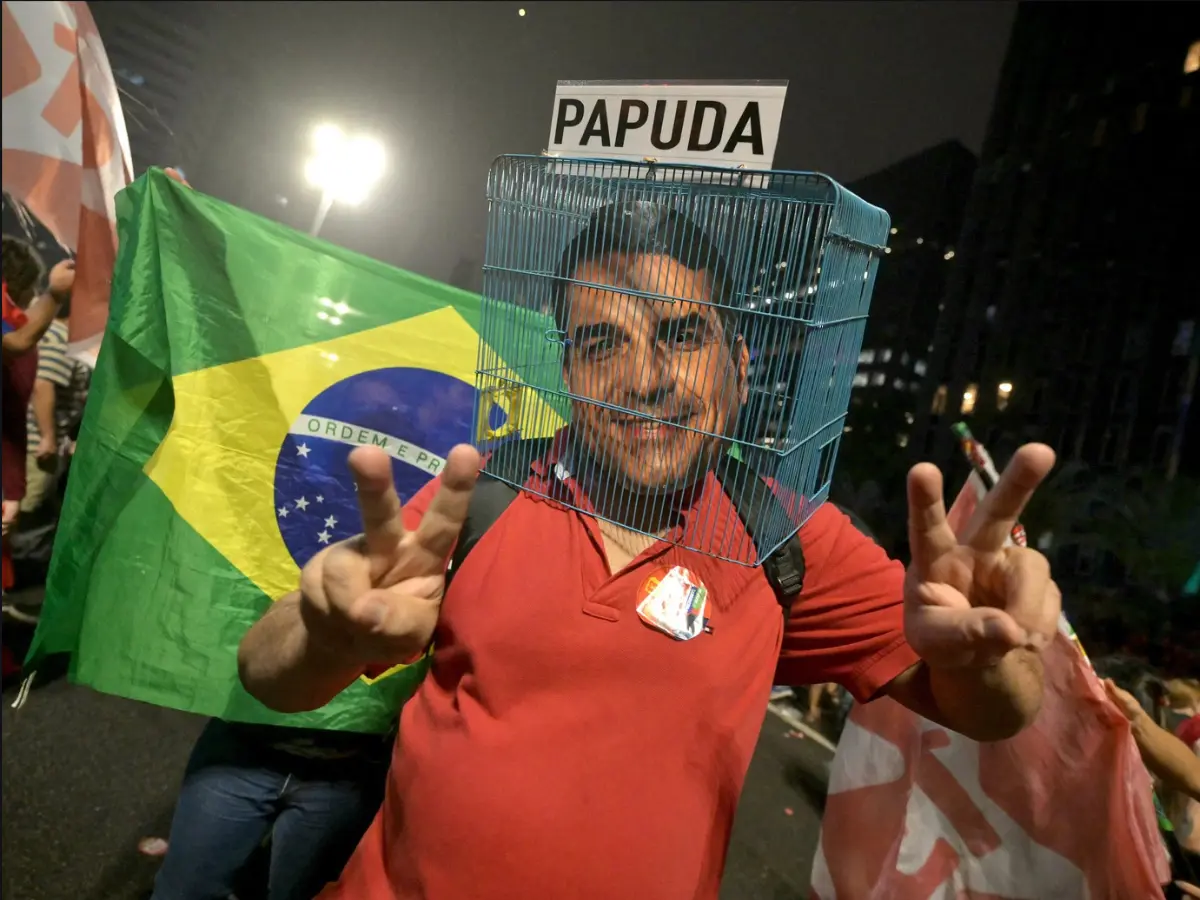
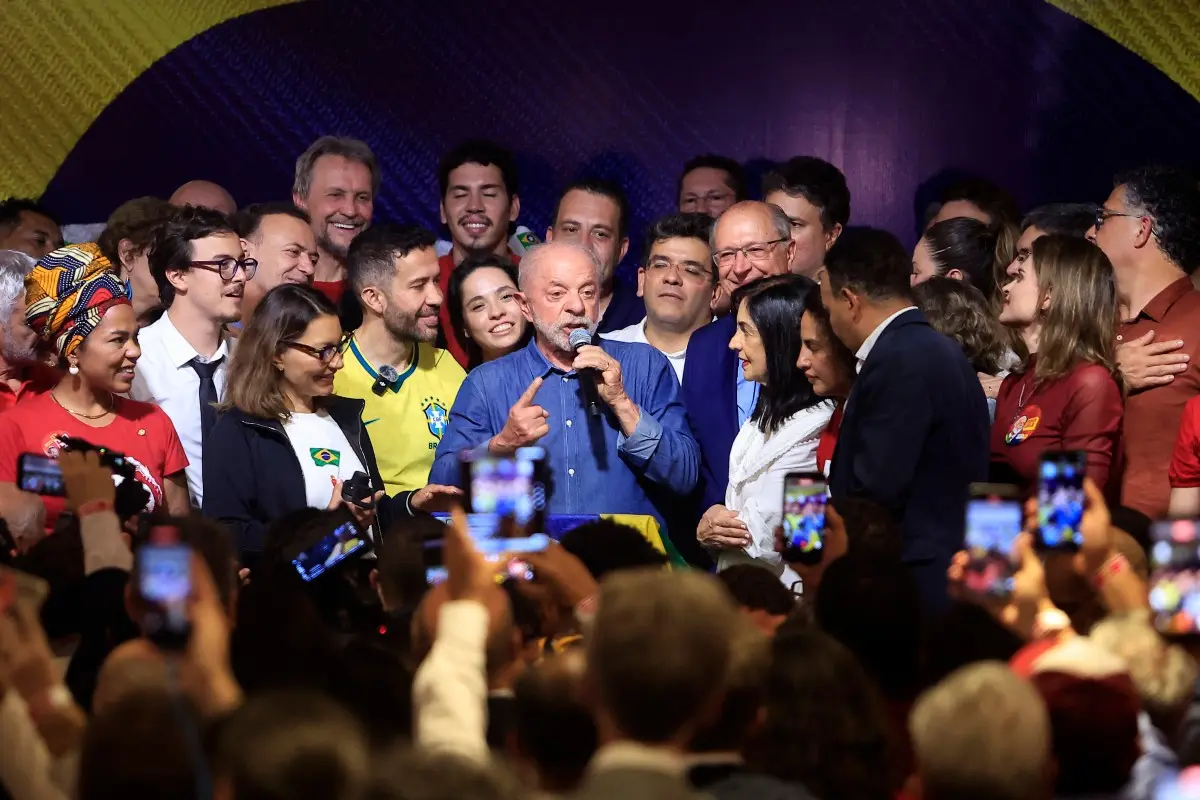
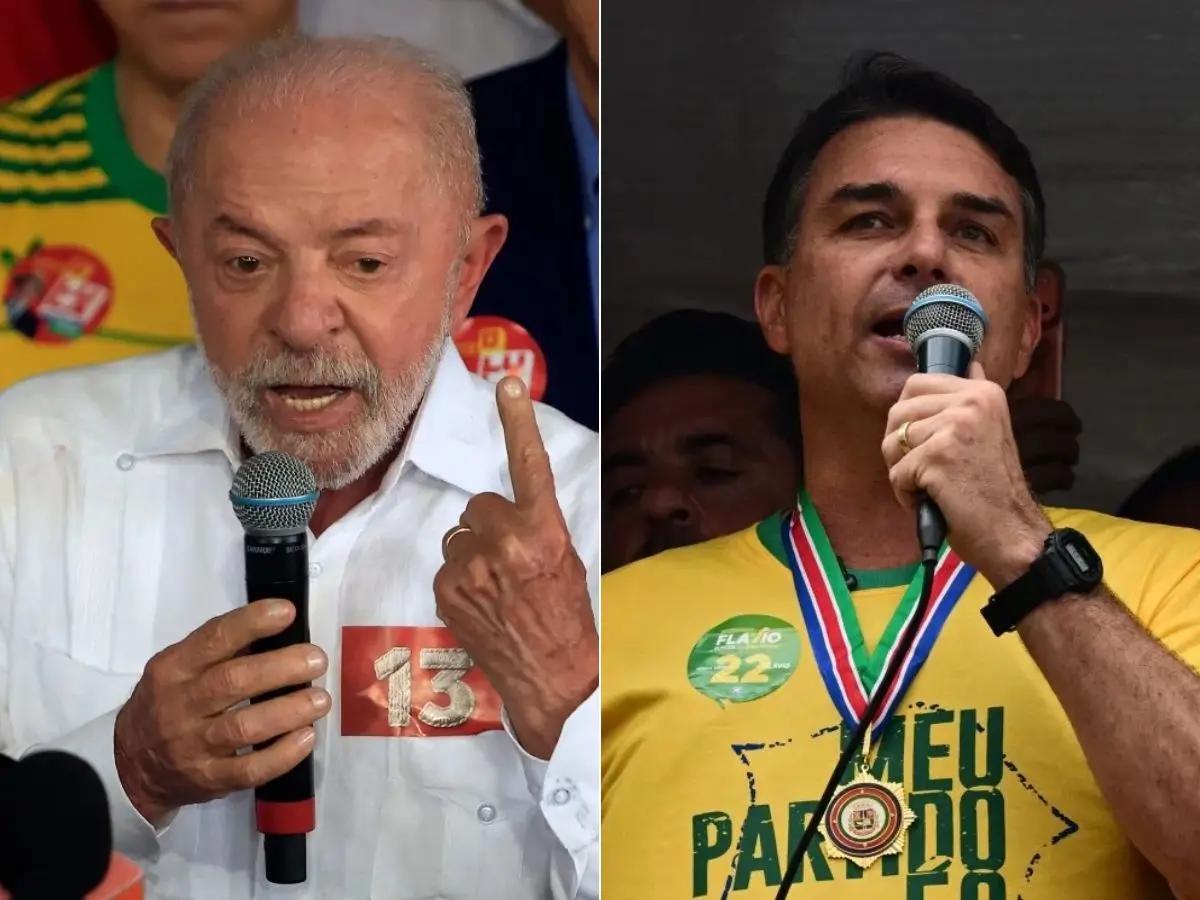
Aided by his political base and a polarised electorate, Flavio came remarkably close to the presidency. In the first round on 4 October, he secured 47.03 per cent of valid votes against Lula’s 45.16 per cent, forcing a run-off on October 25. Lula’s supporters mobilised at the grassroots level, including through street demonstrations and online campaigning, ending in a remarkable reversal. Lula won 51.79 per cent of the valid vote against Flavio’s 48.21 per cent in the run-off.
Venezuela: Ruled from Washington when all else failed
Venezuela had been governed by the socialist movement founded by Hugo Chávez since 1999. Maduro’s removal has not dismantled that political system, but placed it under extraordinary American pressure and influene. Maduro’s former vice-president, Delcy Rodríguez, became interim president after the US captured him. She is now working with Washington on economic and political arrangements. The Trump administration has recognised her government, restored diplomatic relations and negotiated greater American access to Venezuelan oil. The irony is striking: Washington removed Maduro but chose to work with his former allies rather than immediately transfer power to the opposition. Nobel Peace Prize winner María Corina Machado has now returned to Venezuela after spending months in hiding before escaping abroad in December 2025.
What post-election developments for Flavio tell us about American approach to Latin America
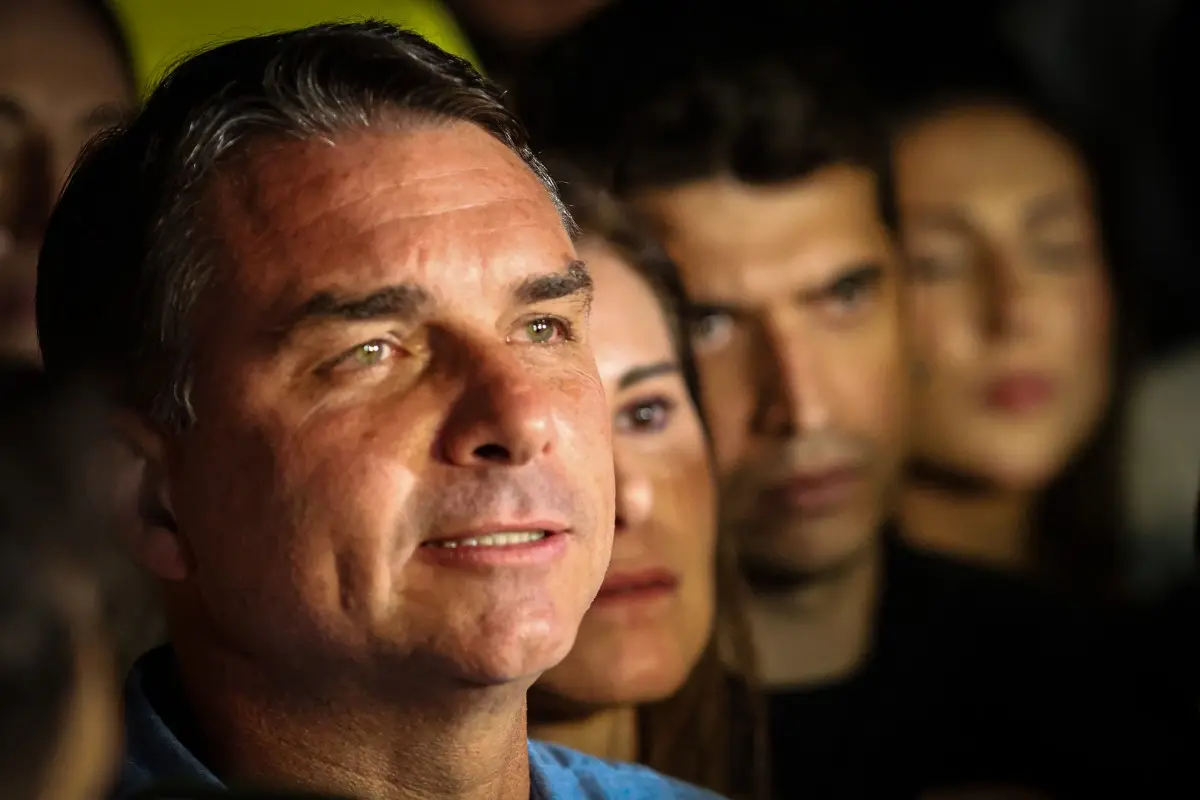
Following his defeat on 25 October, Flavio Bolsonaro was ordered by Brazil Supreme Federal Court to surrender his passports as part of an investigation into suspected money laundering and foreign-exchange offences. The inquiry involves lawyer and businessman Willer Tomaz. Flavio was ordered not to communicate with Tomaz. There's also a probe into financial links involving banker Daniel Vorcaro, and funding associated with a film about Jair Bolsonaro.
Despite all this, Flavio and members of his family obtained US visas and travelled to Florida after the election. He left Brazil in defiance of the order to surrender his passports.
How was he able to travel without passport?
That is the power of American “democracy”.
That is the power of regime-change attempts.
And that is why the question of US duplicity towards Latin America won't go away.
Disclaimer: The writer's views do not represent those of WION or ZMCL. Nor does WION or ZMCL endorse the views of the writer.