

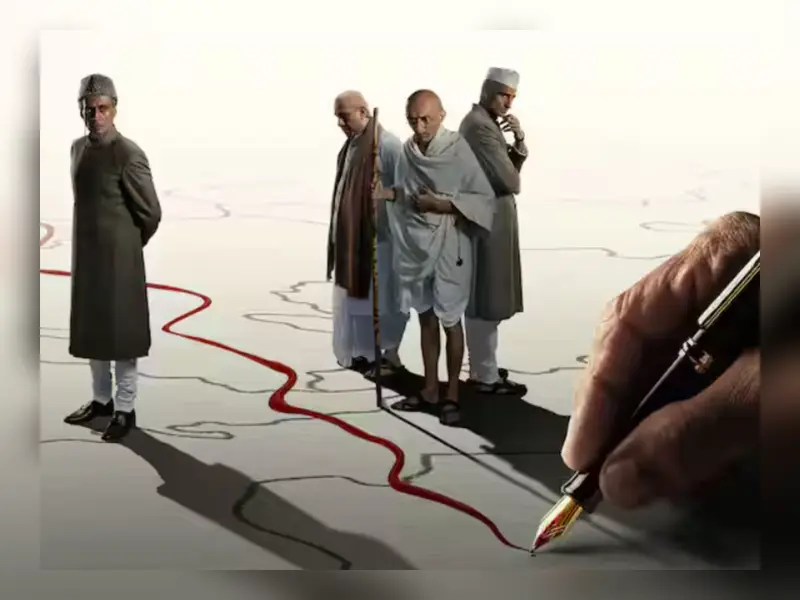
Nikkhil Advani’s latest web series, Freedom At Midnight Season 2, which was released last week, is a must-watch for the times we live in. In an era of war, where bigotry has become an intrinsic part of everyday life, the series urges us to look back in order to understand what truly holds a diverse country like India together.
Without sermonising or softening the truth, it highlights the social fabric on which India was founded—one woven with ideals of peace, harmony, and secularism.
The show, based on Larry Collins and Dominique Lapierre's expansive novel by the same name, talks of the incidents and decisions that paved the way for India’s independence and the formation of Pakistan. Brilliantly adapted by writer Abhinandan Gupta, the show beautifully highlights the pain and the anguish of not just the people but also our leaders during the partition of India- a decision which was taken by a handful of men but defined the future of millions of people.
Humanising our leaders
Partition has been a subject of interest for many writers and filmmakers over the years. It has been 78 years since India got its freedom, but Partition remains one of the most harrowing incidents in history- scars of that moment have left deep wounds on families for generations.
Season 2 begins with Mountbatten ordering Sir Radcliffe to do the needful and draw the lines that would divide the Hindu and Muslim populations into two countries. While Mountbatten seemed nonchalant, it is Sir Radcliffe who seemed reluctant (or so says the show). How to divide people who have lived together in harmony for generations? How to remove people from their origin? A task that seemed monumental and heavy on Radcliffe’s shoulders despite years of experience.
Trending Stories
&im=FitAndFill=(700,400)&imwidth=180&imheight=135&format=webp&quality=medium)
What is the real meaning behind Pete Hegseth's tattoos?
&imwidth=180&imheight=135&format=webp&quality=medium)
Asian Para Games 2026: India adds 24 medals on Day 2, remains sixth in standings
&imwidth=180&imheight=135&format=webp&quality=medium)
India calls for formal migration agreement with Cyprus to protect Indian workers, students
&imwidth=180&imheight=135&format=webp&quality=medium)
Man marries off wife of 17 years to her lover in Uttar Pradesh
&imwidth=180&imheight=135&format=webp&quality=medium)
Boeing 737 MAX10 gets FAA certification, deliveries expected to begin in 2027
&imwidth=180&imheight=135&format=webp&quality=medium)
Shastri backs Shami comeback; lauds Bhuvi and warns Bumrah on format workload ahead of World Cup
&imwidth=180&imheight=135&format=webp&quality=medium)
US midterms 2026: Red seats once deemed safe now appear shaky as Republicans spend big on ads
&imwidth=180&imheight=135&format=webp&quality=medium)
WATCH | Albania protesters set Supreme Court on fire as anti-Rama riots escalate
&imwidth=180&imheight=135&format=webp&quality=medium)
Dandiya Nite ’26: Indian High Commissioner hails diaspora as bridge between India and Nigeria
&imwidth=180&imheight=135&format=webp&quality=medium)
Punjab CM Bhagwant Mann allegedly detained for three hours at Delhi airport, fined ₹50,000: AAP
&imwidth=180&imheight=135&format=webp&quality=medium)
Iranian woman, 23, handed death sentence for ‘blasphemy’ in social media post; appeals for help
&imwidth=180&imheight=135&format=webp&quality=medium)
Rubio asks India to raise purchases of US energy, tech for security, prosperity
&imwidth=180&imheight=135&format=webp&quality=medium)
Far-left parties, global networks among 54 groups linked to France protests, only 16 are youth outfits: Report
&imwidth=180&imheight=135&format=webp&quality=medium)
Musk ordered Starlink restrictions that caught Ukraine off guard amid escalating tensions: Report
&imwidth=180&imheight=135&format=webp&quality=medium)
Tiger Shroff firing incident: Four arrested in arms supply probe, two women allegedly sent weapons to Mumbai
&imwidth=180&imheight=135&format=webp&quality=medium)
RAF Fairford security scare: UK re-arrests two men over suspected Iran links
&im=FitAndFill=(700,400)&imwidth=180&imheight=135&format=webp&quality=medium)
Priyanka Chopra to Shilpa Shetty: 6 Bollywood actresses and their fitness secrets
&imwidth=180&imheight=135&format=webp&quality=medium)
'US will never part with niche technology' former IAF assistant chief on India's fighter jet ambitions
&imwidth=180&imheight=135&format=webp&quality=medium)
Pujara says 'Samson and Vaibhav cannot be in Playing XI' for India on NZ tour
&imwidth=180&imheight=135&format=webp&quality=medium)
'What's wrong with you? Are you a sick person?': Trump at it again as he snaps at reporters, faces backlash
&imwidth=180&imheight=135&format=webp&quality=medium)
Over 100 US lawmakers urge FBI to probe foiled Hindu temple shooting as hate crime
&imwidth=180&imheight=135&format=webp&quality=medium)
US midterms 2026: Trump pledges $400 million for Republican candidates as election day nears
&imwidth=180&imheight=135&format=webp&quality=medium)
Google Cloud outage disrupts UK banks, Revolut, Lloyds and HSBC affected
&im=FitAndFill=(700,400)&imwidth=180&imheight=135&format=webp&quality=medium)
New OTT releases this week (October 19-25, 2026): Gajab Raat to Chaar Yaar-8 titles to watch during Dussehra week on Netflix, Prime Video and more
&imwidth=180&imheight=135&format=webp&quality=medium)
Trump says he wants Zelensky to 'make a deal' with Russia, asks Putin to release American prisoner Stephen Hubbard
&imwidth=180&imheight=135&format=webp&quality=medium)
The Verdict | Trump, Putin and Xi: A superpower triangle that could reshape global diplomacy
&imwidth=180&imheight=135&format=webp&quality=medium)
India moves to buy 10,000 more AI chips for a national compute pool open to startups
&imwidth=180&imheight=135&format=webp&quality=medium)
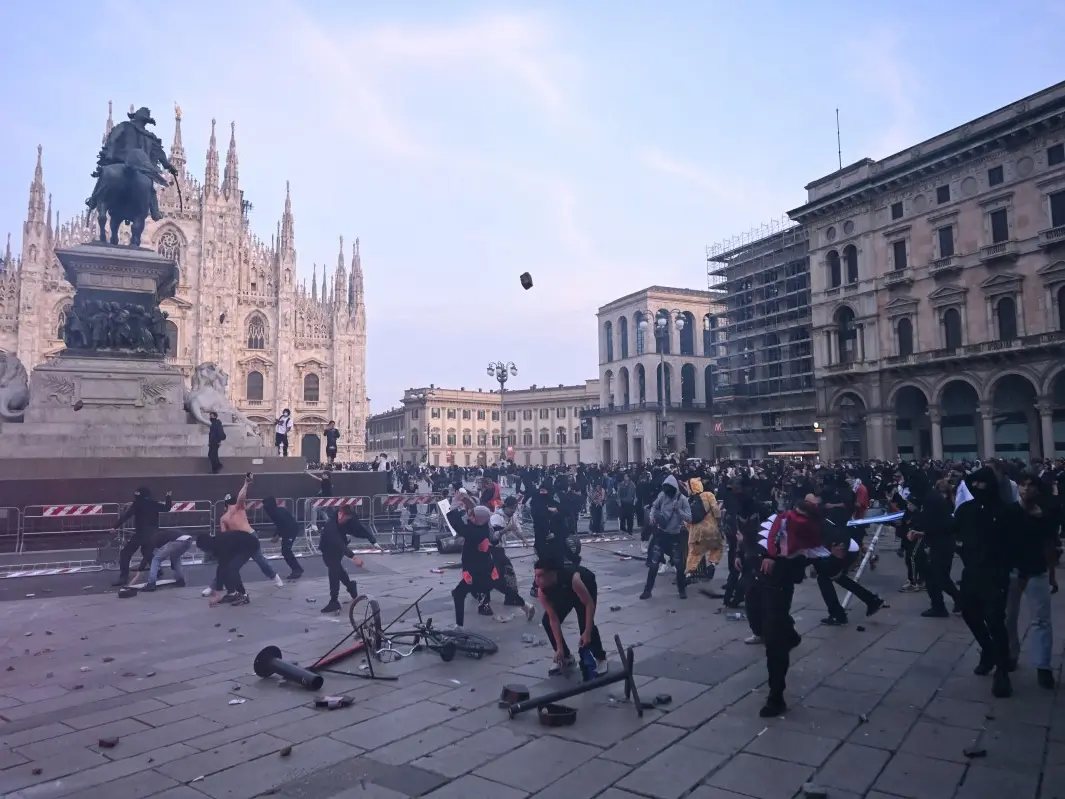
After France unrest, Italy tightens security amid violent protests in Milan
&imwidth=180&imheight=135&format=webp&quality=medium)
'They are not even telling us' - Mysterious metallic object discovered in Minnesota field
&imwidth=180&imheight=135&format=webp&quality=medium)
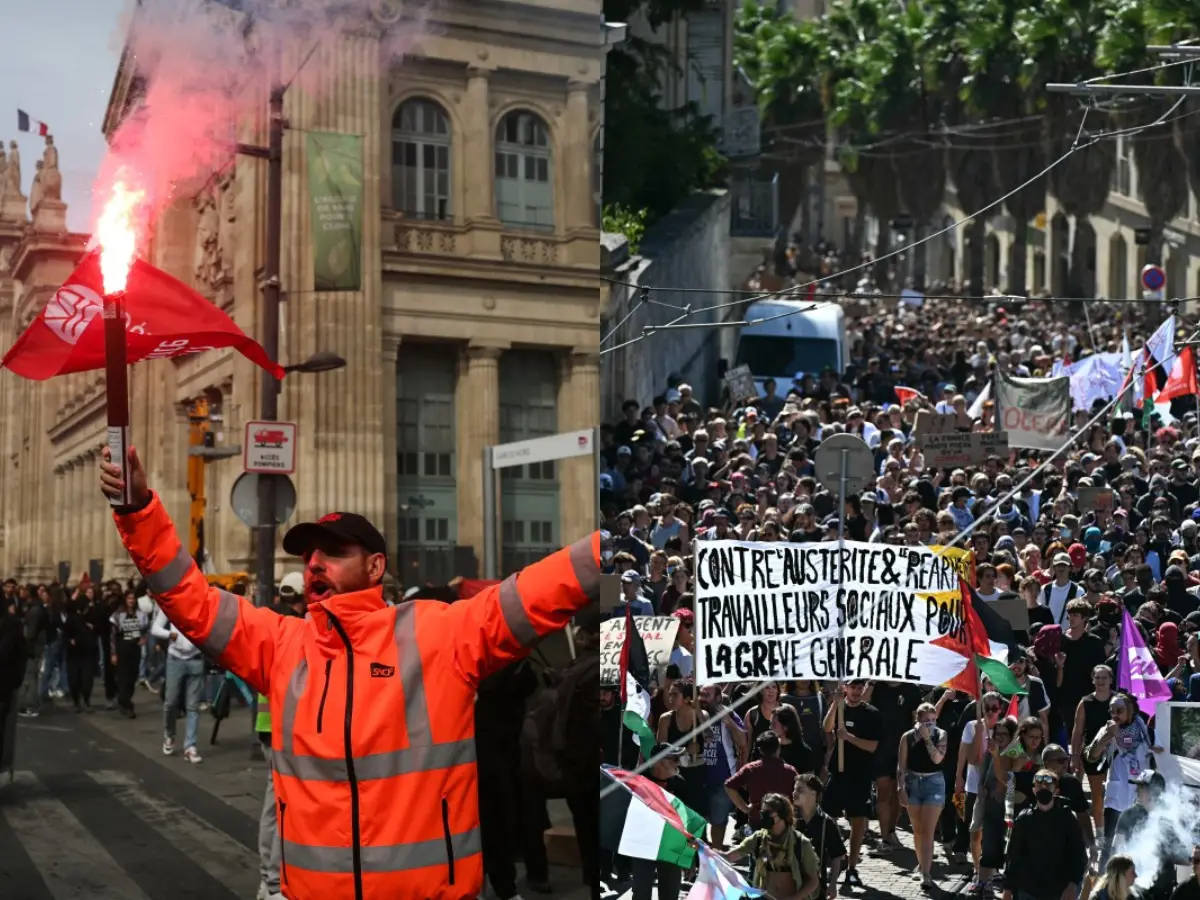
France protests: 'Block everything' movement escalates as public fury over austerity grows; over 200 arrested. Here's all you to need to know
&imwidth=180&imheight=135&format=webp&quality=medium)
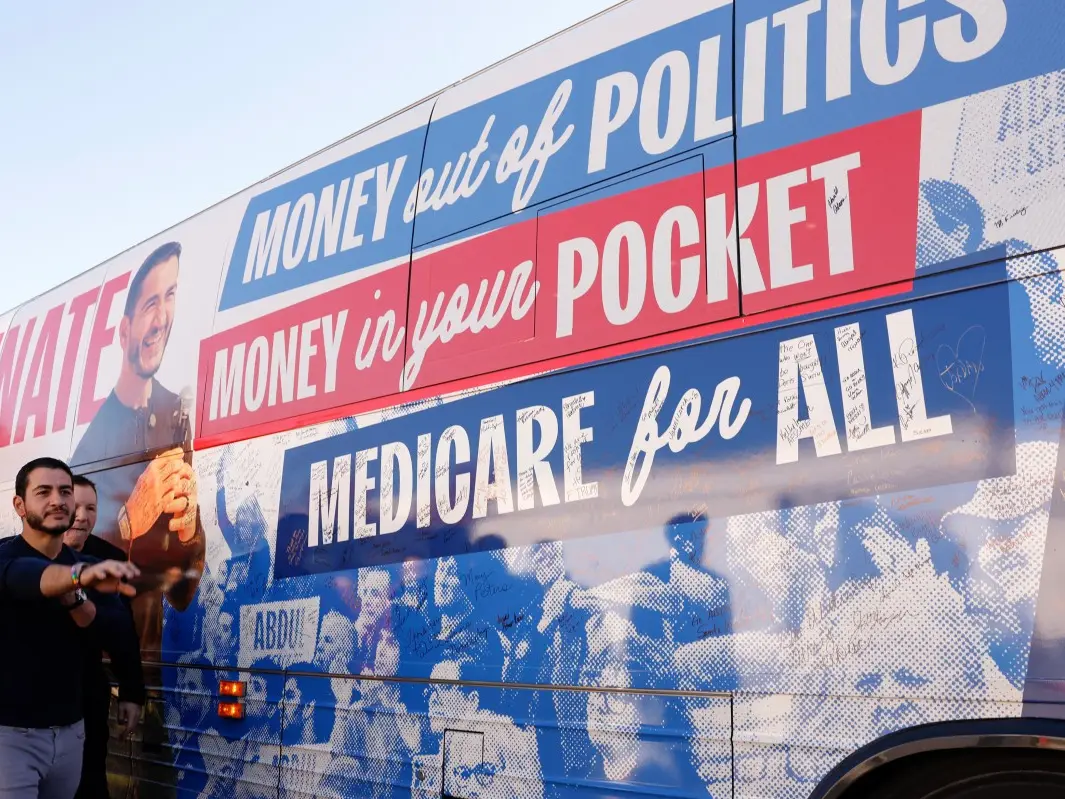
US midterms 2026: With Republicans spending big, Bloomberg opens his wallet for Democrats. Here's how much he is pouring
&imwidth=180&imheight=135&format=webp&quality=medium)
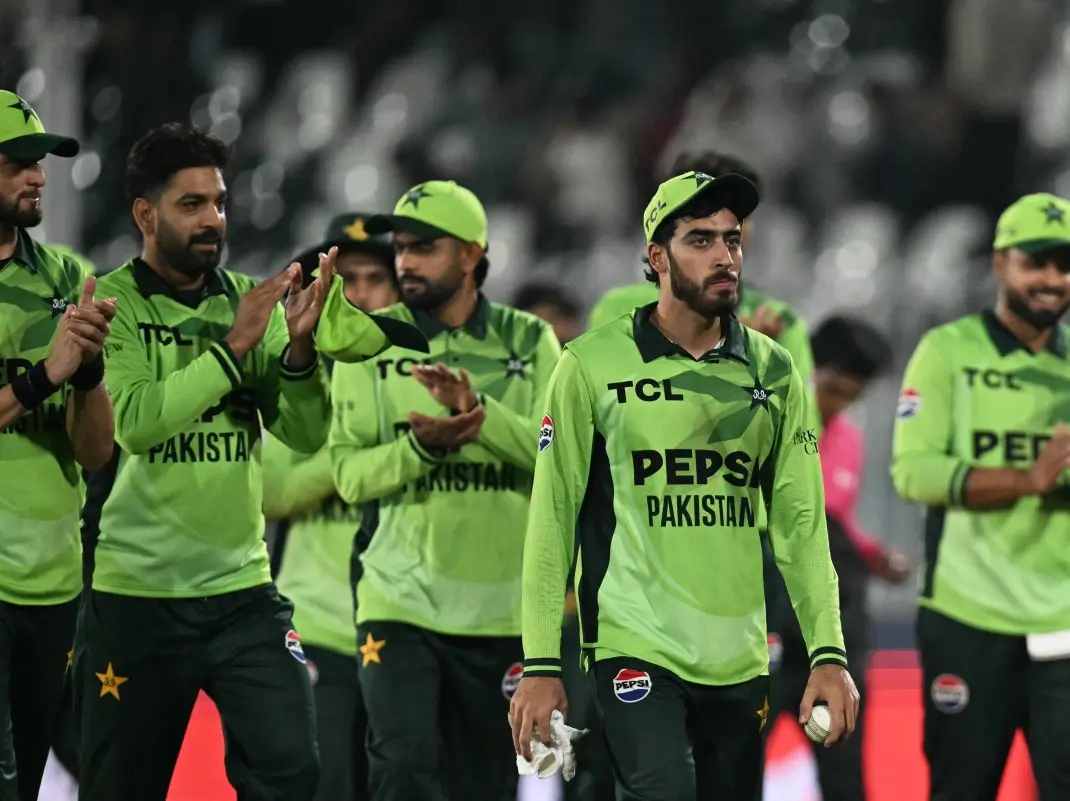
PAK vs ENG: Arafat Minhas, Hasan Nawaz shine as Pakistan beat England by 87 runs
&imwidth=180&imheight=135&format=webp&quality=medium)
Iran rejects US talks until demands are met, rules out moving enriched uranium out of the country
&imwidth=180&imheight=135&format=webp&quality=medium)
Feds obtain DNA evidence that could prove Ilhan Omar married her brother: Report
&imwidth=180&imheight=135&format=webp&quality=medium)
Ramayana advance booking: Ranbir Kapoor, Yash's film cross $500K ahead of Diwali release
While the first season concentrated on the incidents and moments that led to the Independence, season two shows Independent India grappling with a multitude of problems. The partition that has torn apart the country, the accession of princely states into the newly formed union, and the Hindu-Muslim riots that ravaged the streets of Calcutta and Lahore. It is a time when both India and Pakistan are taking the first steps as independent nations. While there are celebrations on the streets, the series shows the leaders in anguish- especially Nehru- conscious of how they have had to lose out on a huge chunk of the population and land to satisfy Jinnah’s wishes and carve out Pakistan.
Jinnah, for obvious reasons, is shown as this mad egotistical man, who was adamant to have a Muslim state- the writers also add a human side to the maglanomaniac. A poignant scene shows Jinnah looking lonely at his home in India, one last time as he leaves for Pakistan. No words are spoken, but actor Arif Zakaria, who plays Jinnah in the show, emotes through sheer expressions, delivering how even the toughest of men had a softer side- especially when it came to one’s home and motherland.
Freedom, but at what cost?
Freedom at Midnight, in fact, has some of the most poignant moments, which constantly make you realise that the decision of Partition was not an easy one- and one that never let the leaders rest easy. As Nehru (Sidhant Gupta) delivers the historic ‘At The Stroke of Midnight’ speech at the parliament, celebrations erupt across the nation. Men and women take to the streets to celebrate, and Gandhi(Chirag Vohra) is shown lying in an empty room, facing the wall, unwilling to celebrate the moment that would define Indian history and a moment that he had yearned and strived for decades. The beauty lies in the detailed screenplay, which shows Gandhi tearing up at the stroke of midnight as India makes its tryst with destiny. The emotions are perhaps due to a sense of failure, for he is conscious of how the much yearned-for independence has come at a cost.
The problematic neighbour
Freedom at Midnight was released a month after the country was treated to a blitzkrieg called Dhurandhar. Most of us have watched Aditya Dhar’s detailed, somewhat gory and very long spy thriller. Dhar’s film and Advani’s series both show the complexities that come with having Pakistan as a neighbour. But the treatment is starkly different. Dhar’s film pumps the adrenaline, making you feel aggressively angry towards the neighbour. Freedom of Midnight instead makes you question the divisive politics that the leaders sought in order to get freedom in the first place. A moment in the series has Nehru and Jinnah standing in their respective homes, perhaps reflecting on what has led to the decision of partition, while Gandhi’s voice looms over in the background, foretelling how a decision of a handful of men will cost the future of billions in both countries. The poignant moment makes you think hard. Was the two-nation theory really worth it? For over seven decades, the two countries have been warring, and there have been more losses than gains for both countries. Back then, people lost their homes, their childhood, and their wealth due to partition; now, people lose their lives and homes due to war and cross-border terrorism.
It's a choice that one must make- which costs us more, to live peacefully or constantly wanting to be at war.
Before anyone jumps in to question whether the show is pro-Pakistan, it must be reiterated that the show is actually pro-peace, pro-secularism, where a PM Nehru is shown constantly pushing for the secular fabric of the newly formed democratic country. Sure, it shies away from naming Nathuram Godse as Gandhi’s murderer instead resorting to a show figure, and instead concentrates on a certain Pahwa- a man anguished at Gandhi’s empathy towards the Muslim brothers in post- partition India, but the show constantly reiterates how the leaders could never fully be free from the burden that Partition bore. It came with a cost, and as Gandhi points out, its impact continues to dominate the politics of the subcontinent, decades later.
Freedom at Midnight, Season 1 and 2, are streaming on Sony Liv.

