

&imwidth=800&imheight=600&format=webp&quality=medium "Donald Trump suffers first major blow to his economic and diplomatic policy")
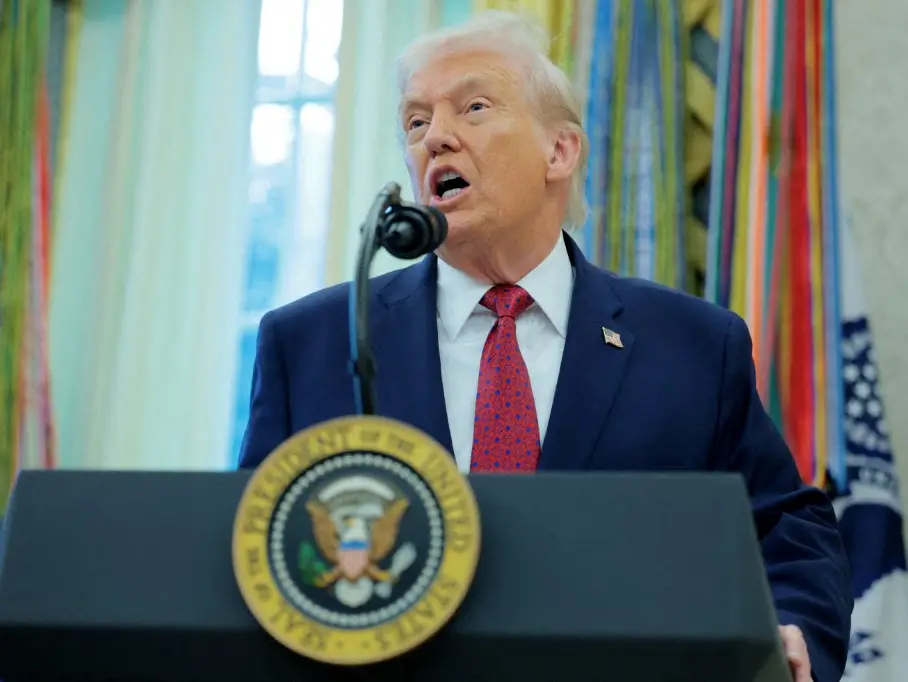
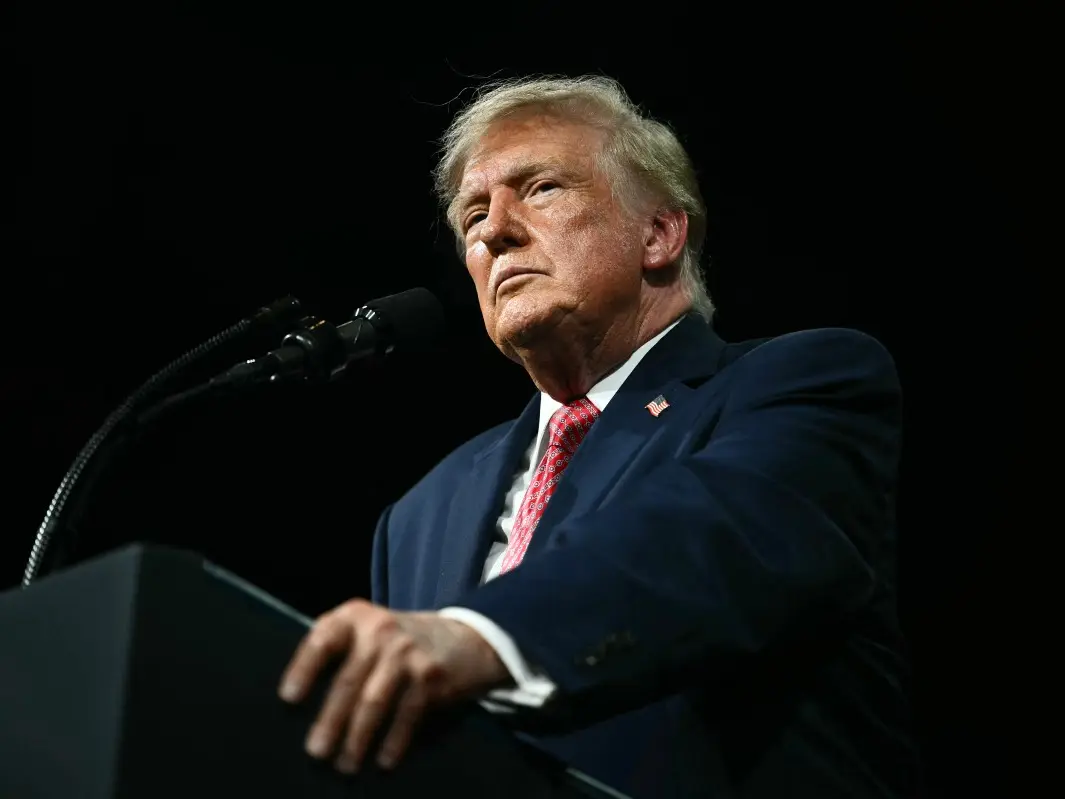
The US Supreme Court on Friday struck down Donald Trump’s sweeping tariffs in a 6-3 decision that translates to a clear message: your executive powers have limits.
The ruling was Trump’s first major defeat in his second term. It removes a tool he has aggressively used to remake US trade deals, collect billions of dollars from American companies importing foreign goods, and interfere in the domestic affairs of countries whose leaders fail to bend to his will.
The most glaring example of tariffs as a political punishment came in July when Trump slapped a 50 percent on most Brazilian goods in response to what he called a “witch hunt” against former president Jair Bolsonaro, who was on trial for an attempted coup.
The Brazilian government ignored the apparent attempt to stop the trial and Bolsonaro was sentenced to 27 years in prison.
India was another example of Trump tariffs as a geopolitical weapon. Last August, tariffs on goods from India were doubled to 50 per cent as punishment for continued purchases of discounted Russian oil.
Trending Stories
&imwidth=180&imheight=135&format=webp&quality=medium)
'Vivek should keep it up': Trump defends Ramaswamy's controversial campaign ad targeting Amy Acton
&imwidth=180&imheight=135&format=webp&quality=medium)
Christa Pike's failed execution: Tennessee team struggled to insert IV lines, lawyer says
&imwidth=180&imheight=135&format=webp&quality=medium)
450 villagers in UP rush to take anti-rabies shots after consuming 'charnamrit'
&imwidth=180&imheight=135&format=webp&quality=medium)
Two BrahMos missiles on Tejas, triple the range and 100% indigenisation, says former BrahMos CEO
&imwidth=180&imheight=135&format=webp&quality=medium)
Trump ordered to answer questions under oath in BBC defamation lawsuit by December 11
&imwidth=180&imheight=135&format=webp&quality=medium)
AI slop or smart strategy? South African author Coral Hart defends Her 370 AI- assisted books in 20 months
&imwidth=180&imheight=135&format=webp&quality=medium)
Watch: India rejects ‘imprecise and unsupported’ references in UN migrant rights report
&imwidth=180&imheight=135&format=webp&quality=medium)
Jenna Ortega plans TV break after Wednesday: ‘I want to leave time for new things’
&imwidth=180&imheight=135&format=webp&quality=medium)
'This is despicable': Amy Acton hits back at Vivek Ramaswamy over Ohio campaign ad featuring her estranged mother
&imwidth=180&imheight=135&format=webp&quality=medium)
Putin says Russia is ready to resume Ukraine-US peace talks but rejects 'short ceasefire' amid deadly attacks
&imwidth=180&imheight=135&format=webp&quality=medium)
WATCH: Trump demands Ilhan Omar removal from Congress for 'using fake name to be sworn in'. So what is her real name?
&im=FitAndFill=(700,400)&imwidth=180&imheight=135&format=webp&quality=medium)
Serbia elections: Nearly 150,000 people take to streets in massive rally against Aleksandar Vucic | In pics
&imwidth=180&imheight=135&format=webp&quality=medium)
Meghan Markle’s father Thomas under investigation over alleged child abuse images: Report
&imwidth=180&imheight=135&format=webp&quality=medium)
Did Neha Bora call for Bangladesh-like GenZ protest, 'anarchy' in India? WION Fact-checks viral claim
&imwidth=180&imheight=135&format=webp&quality=medium)
China's dancing robot turns violent bodyguard, lifts cars and fights intruders - Watch
&imwidth=180&imheight=135&format=webp&quality=medium)
What is the ‘heat ray’ weapon? Pete Hegseth reportedly authorises DHS to test it at US-Mexico border
&imwidth=180&imheight=135&format=webp&quality=medium)
SA vs AUS 2nd Test: Temba Bavuma reveals 'Tendulkar inspiration' behind career-best 179
&imwidth=180&imheight=135&format=webp&quality=medium)
'Completely insane, never happened': Trump's son-in-law denies allegations of secret dealings with Saudi, UAE
&imwidth=180&imheight=135&format=webp&quality=medium)
From Agni-V to Project Kusha: How are India’s indigenous missile systems and defence shield reshaping modern warfare
&im=FitAndFill=(700,400)&imwidth=180&imheight=135&format=webp&quality=medium)
New Friday OTT releases (October 23, 2026): Gajab Raat, Dorothy, Chaar Yaar- Watch these 6 new movies and TV shows on Netflix, Prime Video and more
&imwidth=180&imheight=135&format=webp&quality=medium)
US midterms 2026: US Supreme Court allows New Hampshire to restrict student IDs for voting
&imwidth=180&imheight=135&format=webp&quality=medium)
Ilhan Omar breaks silence over alleged marriage to her brother; Trump thinks it's 'really good answer'
&imwidth=180&imheight=135&format=webp&quality=medium)
BCCI’s CoE cautious over Hardik Pandya’s fitness, sets expected comeback timeline
&imwidth=180&imheight=135&format=webp&quality=medium)
'It's a crime not to see this scene': Tehran puts Trump 'behind bars'
&imwidth=180&imheight=135&format=webp&quality=medium)
Netanyahu dials PM Modi, invites him and Capt Smit Machchhar to light torch on Israel’s Independence Day
&imwidth=180&imheight=135&format=webp&quality=medium)
Viral video shows cross falling on Colombia priest, no official confirmation | WATCH
&imwidth=180&imheight=135&format=webp&quality=medium)
Shikhar Mohan earns maiden India A call-up, replaces KL Rahul
&imwidth=180&imheight=135&format=webp&quality=medium)
GRAVITAS | Putin fires nuclear-capable hypersonic missiles, Zelensky ready to surrender 25% territory
&imwidth=180&imheight=135&format=webp&quality=medium)
Finance influencer dies by suicide in Chennai; father accuses tech CEO, who denies charge
&imwidth=180&imheight=135&format=webp&quality=medium)
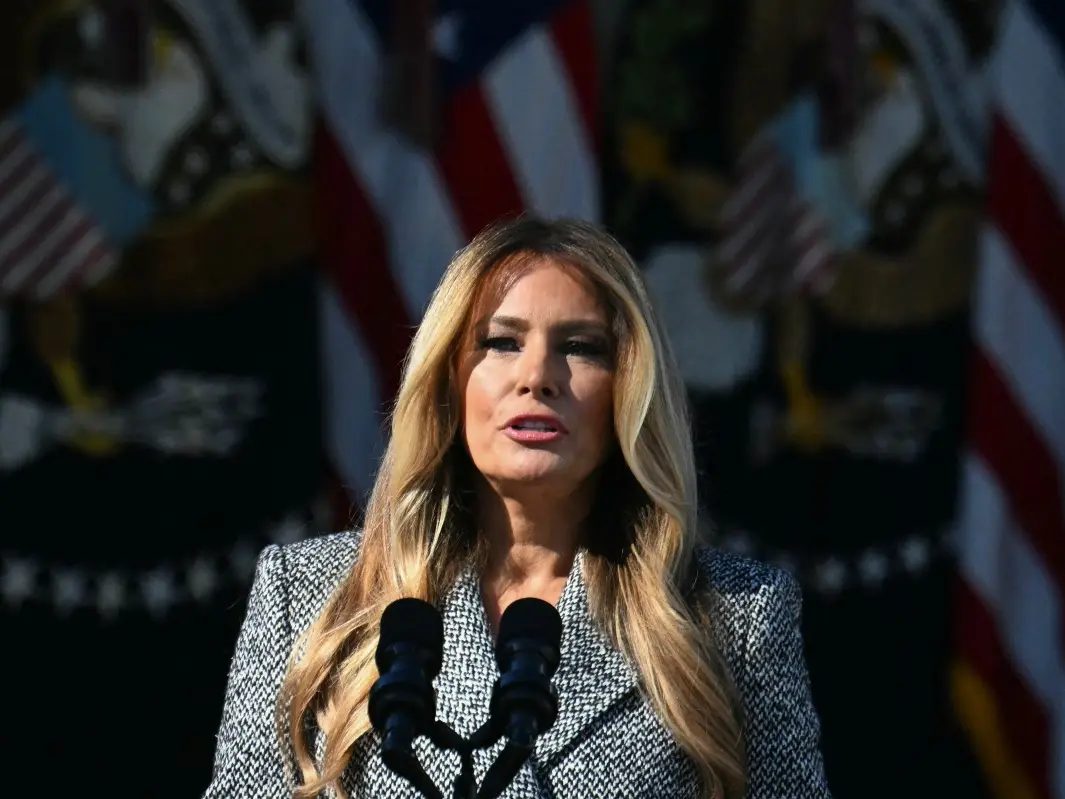
First Lady Melania Trump secures ceasefire between Russia, Ukraine in Oleshky: White House
&imwidth=180&imheight=135&format=webp&quality=medium)
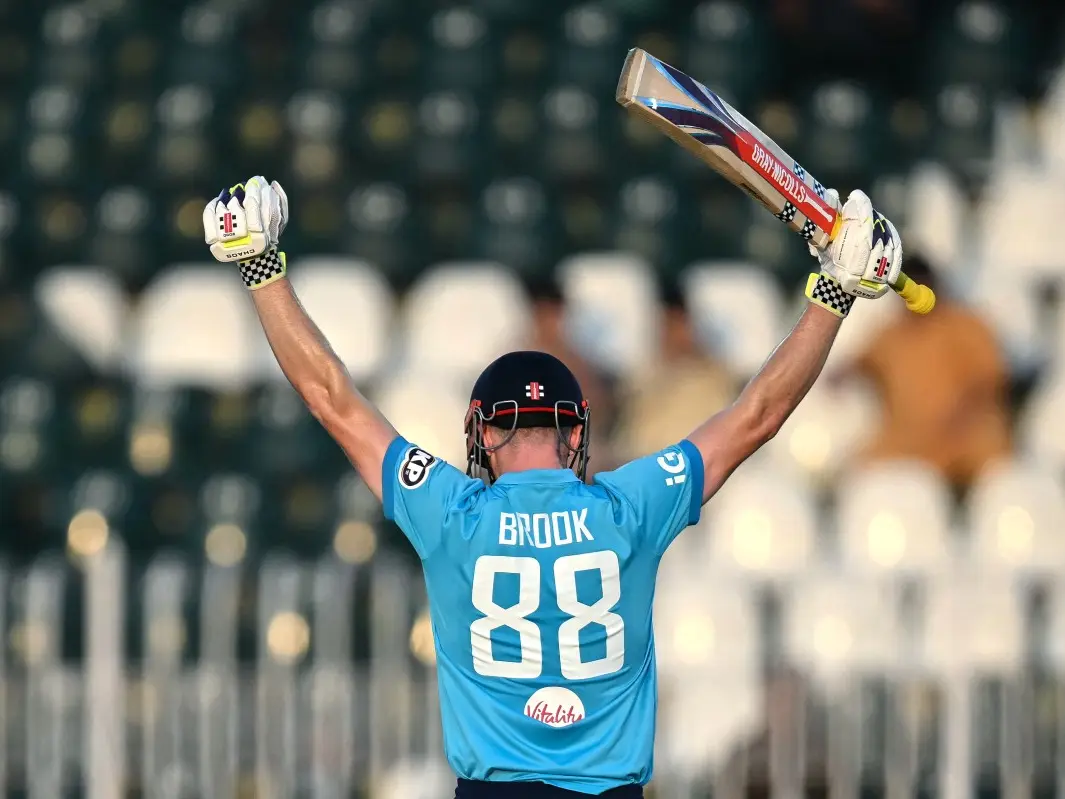
ENG vs SL: Harry Brook breaks Shubman Gill’s record for fastest ODI double century
&imwidth=180&imheight=135&format=webp&quality=medium)
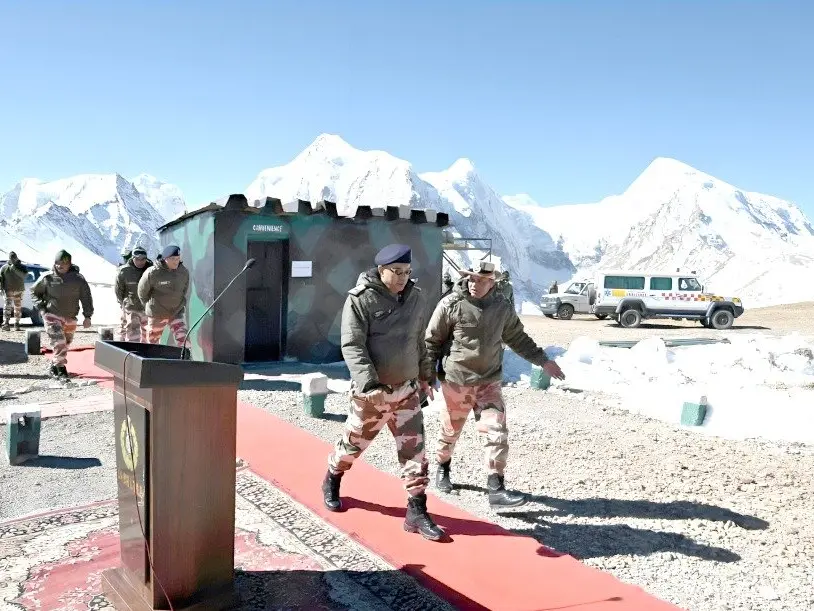
India-China face-off continues near Arunachal’s Taksing, reveals ITBP chief in first official confirmation of tensions
&imwidth=180&imheight=135&format=webp&quality=medium)
One man, 8 months of work, and a river dirty again: Why Bittu Tabahi may quit
&imwidth=180&imheight=135&format=webp&quality=medium)
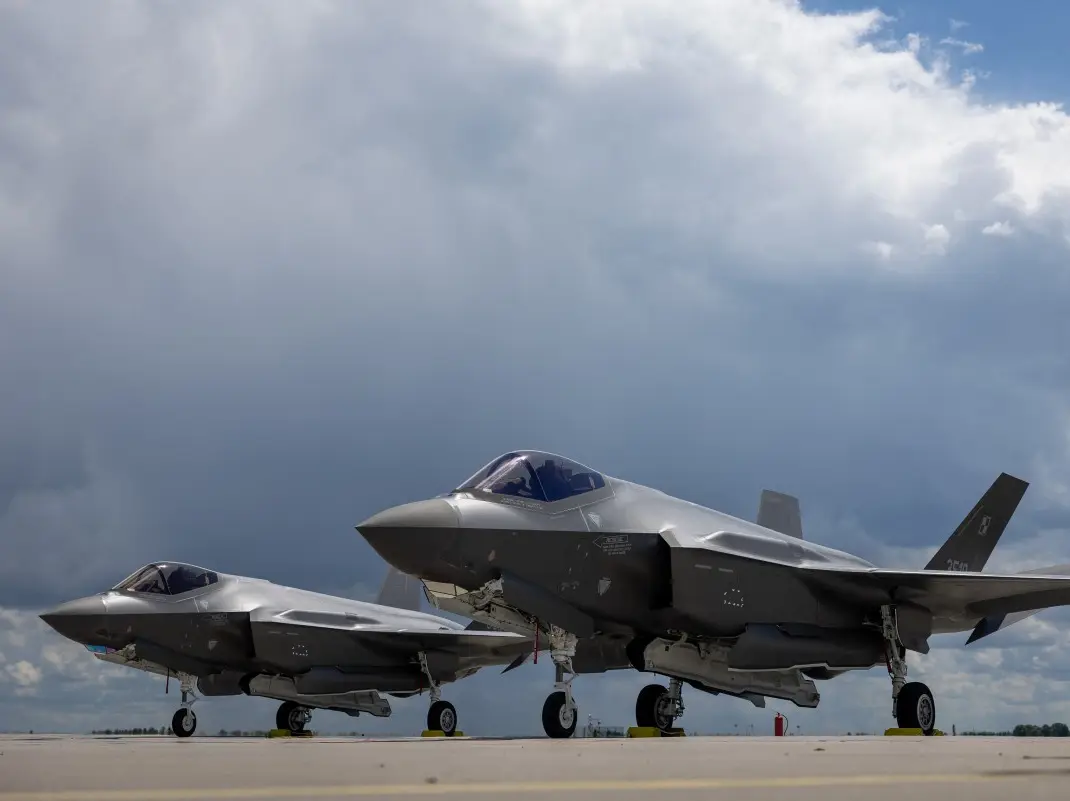
US to get 850 F-35 stealth fighter jets under 10-year Pentagon-Lockheed deal
&imwidth=180&imheight=135&format=webp&quality=medium)
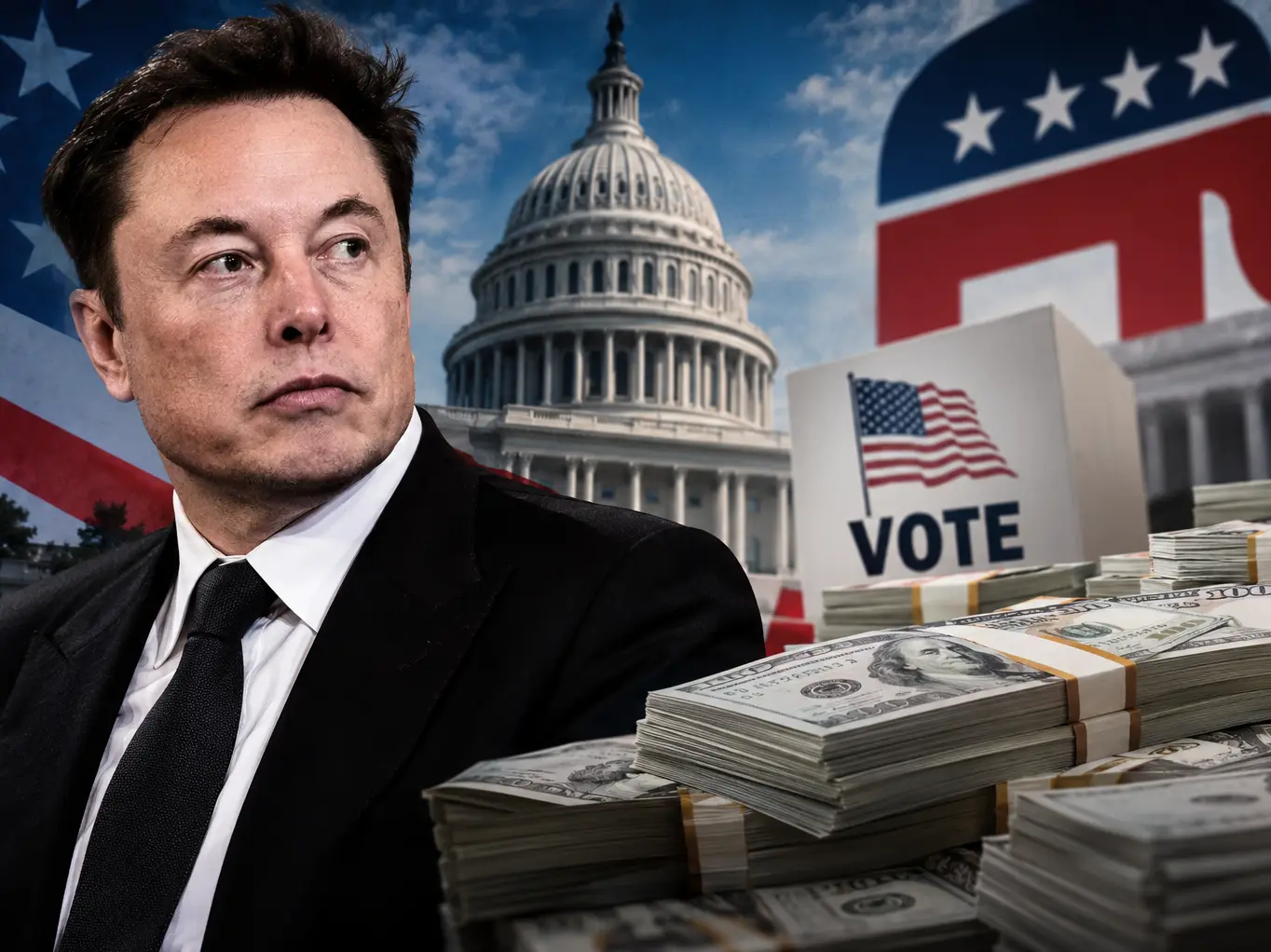
US midterms 2026: Elon Musk’s political spending hits $445 million as Republicans battle to retain Senate control
&imwidth=180&imheight=135&format=webp&quality=medium)
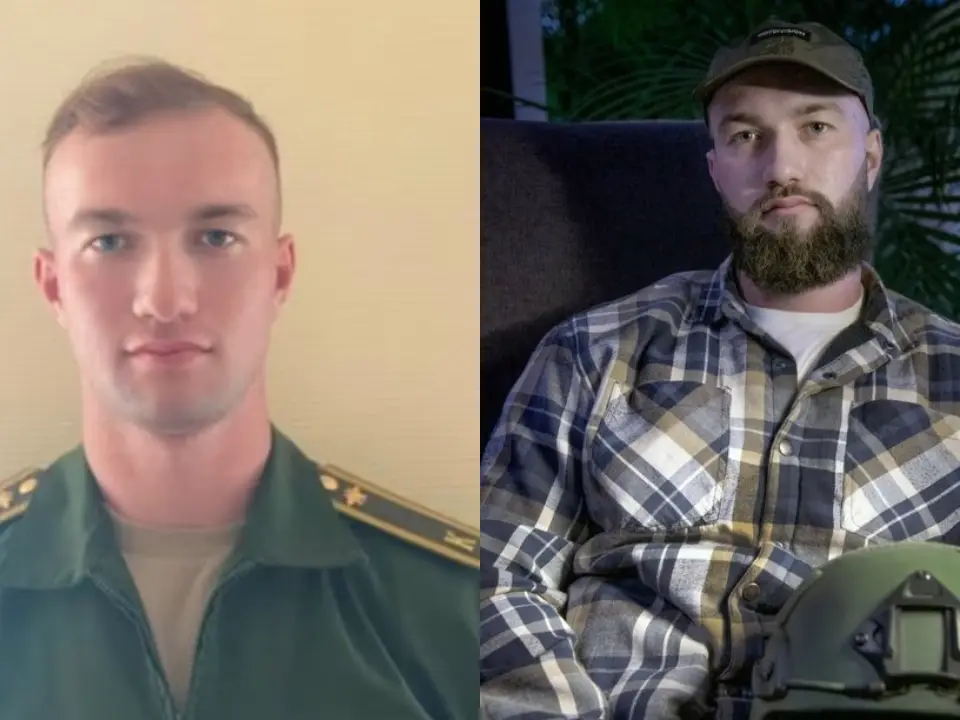
A secret code, a midnight escape and 300 deaths: The Russian officer who turned on Putin
&imwidth=180&imheight=135&format=webp&quality=medium)
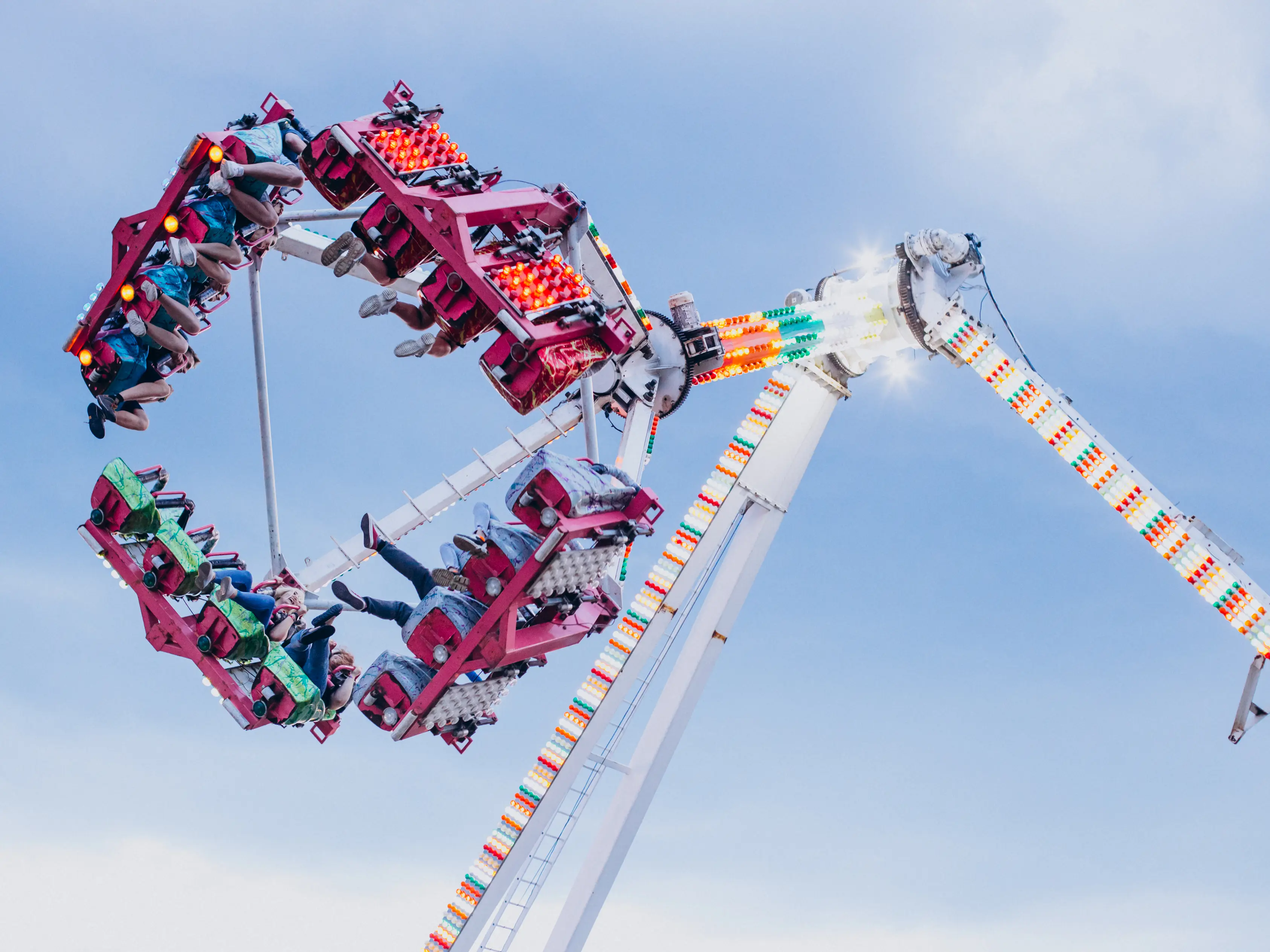
Horrific video shows the moment 18-year-old fell to her death from Mexico amusement park ride
The row was settled in February with an agreement to roll back tariffs from 50 to 18 per cent in exchange forthe Indian agreement to eliminate tariffs and non-tariff barriers on US goods with the stated goal to bring all barriers to zero.
In an angry press conference denouncing the Supreme Court judges, Trump singled out Indian Prime Minister Narendra Modi as “a great man” and stressed that under the US.-Indian trade agreement, the US is no longer paying tariffs to India.
The court on Friday rued that Trump had overstepped his legal authority by imposing broad tariffs on countries around the world without clear approval from Congress.
Chief Justice John Roberts wrote the majority opinion, saying that if the Trump administration was allowed to pursue its tax agenda, “it would replace the long-standing executive-legislative collaboration over trade policy with unchecked Presidential policy-making. Accordingly, the President must point to clear congressional authorisation to justify his extraordinary assertion of the power to impose tariffs. He cannot,”
The ruling applies to tariffs Trump announced on what he called “Liberation Day” on April 2, when he invoked the International Emergency Economic Powers Act (IEEPA) to address trade imbalances. Ostensibly, part of the “emergency” was rooted in the flow of drugs from Mexico and Canada.
Friday’s ruling could be something of a turning point in Trump’s relentless pursuit of more executive power, which has stirred mass protests on several occasions by demonstrators lofting signs saying “No Kings.”
The Supreme Court’s 6-3 majority has blessed Trump’s expansive exertion of presidential powers in a series of other rulings issued on an emergency basis. Friday’s decision enraged Trump in particular because two of the six judges who ruled against him were appointed by him in his first term.
What was left unclear was whether the estimated $175 billion collected since “liberation day” would be returned to the importers who paid them. Much of the money was passed on to consumers and essentially amounted to taxes. That stood in contrast to Trump's campaign pledges that he would reduce taxes.
Importers have already filed more than 1,000 lawsuits in the Court of International Trade, and a flood of new cases is likely. Treasury Secretary Scott Bessent said the logistics of refunds could drag on for “weeks, months, years.”
Opposition to the reciprocal tariffs the Supreme Court ruled on had come from both sides of America’s division, even from Trump’s Vice President during his first term, Mike Pence, founder of Advancing American Freedom, a group that has lobbied against the levies.
“American families and American businesses pay American tariffs – not foreign countries. With this decision, American families can sigh a breath of relief,” he said.
Perhaps. Trump has already made clear that he will re-impose tariffs using other laws on presidential authority. He has not spelt out details but announced a new global tariff of 10 per cent.
Even for a White House which excels in creating alternative realities, it will be difficult to portray the Supreme Court ruling as anything but an embarrassing defeat. Democrats will no doubt use it in the campaign for mid-term elections in November, a contest for the House of Representatives Republicans are predicted to lose.
That would turn Donald Trump into a very lame duck and change the Washington political scene.
