Congress culture: Dynasty glue that won’t let go

Rahul gandhi
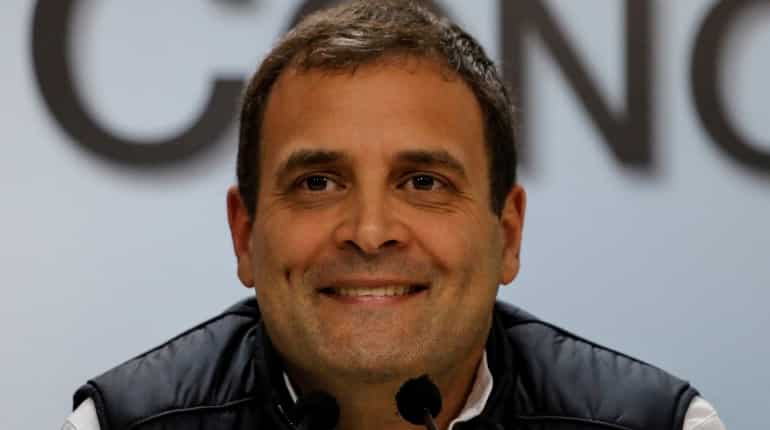
Those writing the political epitaph of the Gandhi family, particularly that of Rahul, would be well advised to hold their horses. Sure, at the moment, the situation looks grim for the Congress, particularly for its first family that has led India’s 134-year-old party up the garden path, potentially up to a point of no-return.
But the obvious weakness of the Congress — mainly its discredited leadership, or joint family leadership — is also its asset. The rest of the party, with its multi-faceted talents, even if somewhat short on mass appeal, may not be able to stick around for too long without a member of the Gandhi family at the helm.
Those suggesting that the Congress may break after a heavy second Lok Sabha drubbing, are daydreaming. A party that did not split with a rock-bottom 43 Lok Sabha seats in 2014 is unlikely to splinter at an improved 52 Lok Sabha seats in 2019.

Please note that not a single discordant note has been sounded in the Congress, despite another pathetic electoral performance. In any other party, including the BJP, such heavy reverses would have caused sufficient ripples within the leadership, party rank and file.
The reasons are not far to seek. Old timers in the party remember the PV Narasimha Rao era with some trepidation. The Congress suffered a series of splits during the 1990s. Rao faced difficulties right after taking over, in running the government as well as the party. There was mistrust between him and veterans such as Arjun Singh and ND Tiwari. At the Tirupati AICC session in April 1992, Singh won the Congress Working Committee (CWC) polls with the highest margin; Sharad Pawar too was victorious. Rao asked the entire newly-elected CWC to resign on the pretext that there was not enough representation of women and Dalits. He then reconstituted the CWC and included Singh in the nominated category.
But the trouble was far from over. After the demolition of Babri Masjid, Singh started spreading the view that Rao was not secular enough. A power struggle ensued in which Rao lost Sonia Gandhi’s support because he was not seen as active enough on the question of Rajiv’s assassination.
&imwidth=180&imheight=135&format=webp&quality=medium)
Sidhu Moose Wala’s younger brother wins hearts by recreating late singer’s signature move at Toronto Hologram Show
&im=FitAndFill=(700,400)&imwidth=180&imheight=135&format=webp&quality=medium)
Navratri 2026: 9 days, 9 forms of Goddess Durga and 9 colours- Check the complete list
&imwidth=180&imheight=135&format=webp&quality=medium)
Anti-SIR protest in Mumbai: Protestors wear black masks & ribbons in Mumbai
&imwidth=180&imheight=135&format=webp&quality=medium)
Korean peninsula tensions escalate as North Korea launches multiple ballistic missiles, PACOM says 'no threat to US personnel'
&imwidth=180&imheight=135&format=webp&quality=medium)
Congress demands action against chief election commissioner
&imwidth=180&imheight=135&format=webp&quality=medium)
India's Ajit Doval, Iran's Mohsen Rezaei hold talks amid escalating West Asia tensions, discuss 'issues of mutual interest'
&imwidth=180&imheight=135&format=webp&quality=medium)
1,500 drones illuminate Mumbai sky as Cordelia Cruises unveils second ship, Cordelia Sky
&imwidth=180&imheight=135&format=webp&quality=medium)
Rahul Gandhi's plea against Election Commission delayed as Supreme Court registry flags 14 ‘defects’
&im=FitAndFill=(700,400)&imwidth=180&imheight=135&format=webp&quality=medium)
The world’s best places to live in 2026: Is your city on the list? Top 7 ranked
&imwidth=180&imheight=135&format=webp&quality=medium)
Robotic surgery, advanced treatment: What is coming to this small Gujarat town?
&imwidth=180&imheight=135&format=webp&quality=medium)
Delhi protest: CJI Surya Kant declines to meet India Bloc leaders
&imwidth=180&imheight=135&format=webp&quality=medium)
Trump says he 'may' meet North Korean leader Kim Jong Un during upcoming Asia trip
&imwidth=180&imheight=135&format=webp&quality=medium)
'Ouch!!! That must hurt': Kangana Ranaut hails Kamal Haasan's sharp reply to Elon Musk over Starlink row
&imwidth=180&imheight=135&format=webp&quality=medium)
BCCI rejects venue shift reports, India vs Sri Lanka 1st ODI to remain in Delhi
&imwidth=180&imheight=135&format=webp&quality=medium)
Trump weighs firing Kimberly Guilfoyle as US ambassador to Greece amid misconduct allegations: Report
&im=FitAndFill=(700,400)&imwidth=180&imheight=135&format=webp&quality=medium)
How does a robot decide what to do next?
&imwidth=180&imheight=135&format=webp&quality=medium)
'I am thoroughly unamused': Judge slams Trump administration after 400 trees cut at Washington golf course
&imwidth=180&imheight=135&format=webp&quality=medium)
'Absolutely disgusting': Australia slams US plan to livestream Nidal Hasan's execution; Mike Johnson raises concerns, warns of terrorist propaganda
&imwidth=180&imheight=135&format=webp&quality=medium)
I.N.D.I.A. Bloc lists 10 requests to Supreme Court
&imwidth=180&imheight=135&format=webp&quality=medium)
New Cold War: Why is China buying more gold? Explained
&imwidth=180&imheight=135&format=webp&quality=medium)
Opposition’s 10 demands in Supreme Court petition range from stay on SIR to audit of voter rolls
&imwidth=180&imheight=135&format=webp&quality=medium)
'I will not be silenced': Ilhan Omar alleges political intimidation after federal officers search her Washington home
&imwidth=180&imheight=135&format=webp&quality=medium)
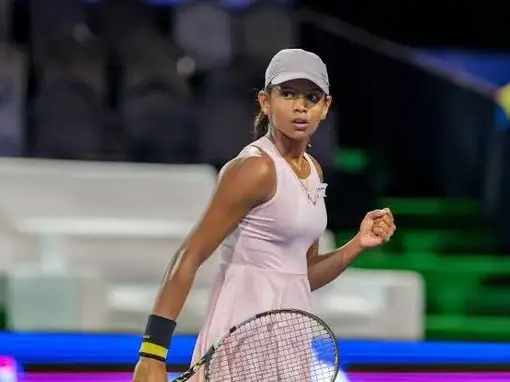
‘This is just the start’: Maaya Rajeshwaran on historic ITF title, confidence boost and future goals
&imwidth=180&imheight=135&format=webp&quality=medium)
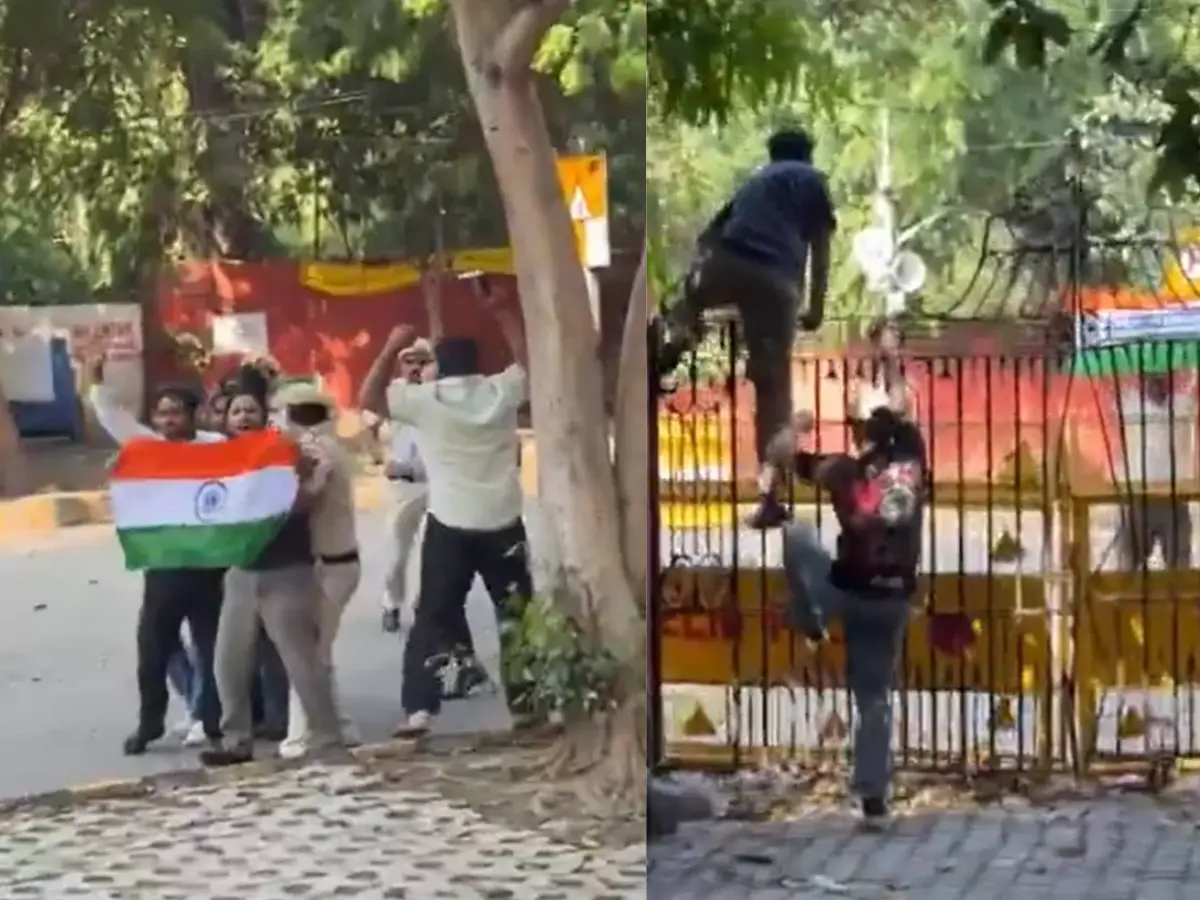
‘Fortress breached, reclaimed’: CJP leaders enter Jantar Mantar a day after loss of protest venue status | WATCH
&imwidth=180&imheight=135&format=webp&quality=medium)
Houthis warns US of 'painful response' if Washington joins Saudi war in Yemen as airlines suspend flights to Saudi Arabia
&imwidth=180&imheight=135&format=webp&quality=medium)
'Turn approver, resign, we'll forgive you': Rahul Gandhi claims receiving messages from CEC Gyanesh Kumar
&imwidth=180&imheight=135&format=webp&quality=medium)
Pakistan's government blames PTI for rise of terrorism in Khyber Pakhtunkhwa
&imwidth=180&imheight=135&format=webp&quality=medium)
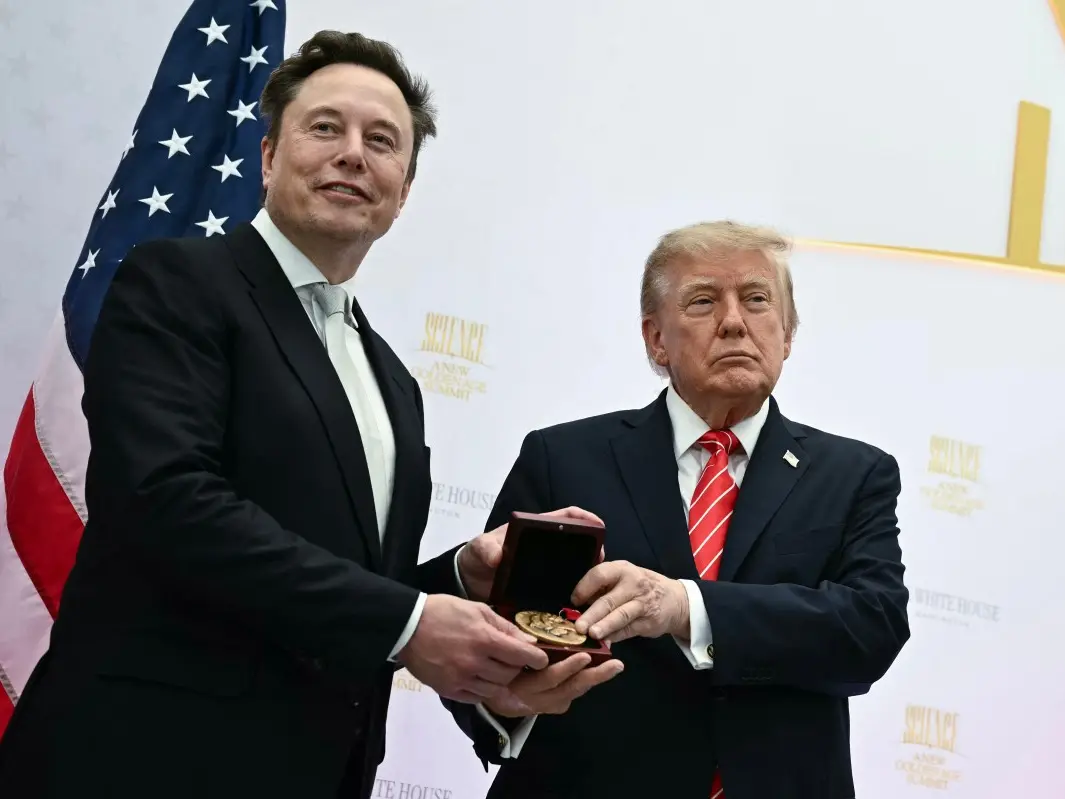
Elon Musk pumps $276 million into Republican campaigns ahead of US midterm elections
&imwidth=180&imheight=135&format=webp&quality=medium)
UK school ditches technology, shifts from screen to pen and paper for learning
&imwidth=180&imheight=135&format=webp&quality=medium)
Girl 'dead' for 8 hours wakes up at her own funeral, dad insists she wasn't breathing
&imwidth=180&imheight=135&format=webp&quality=medium)
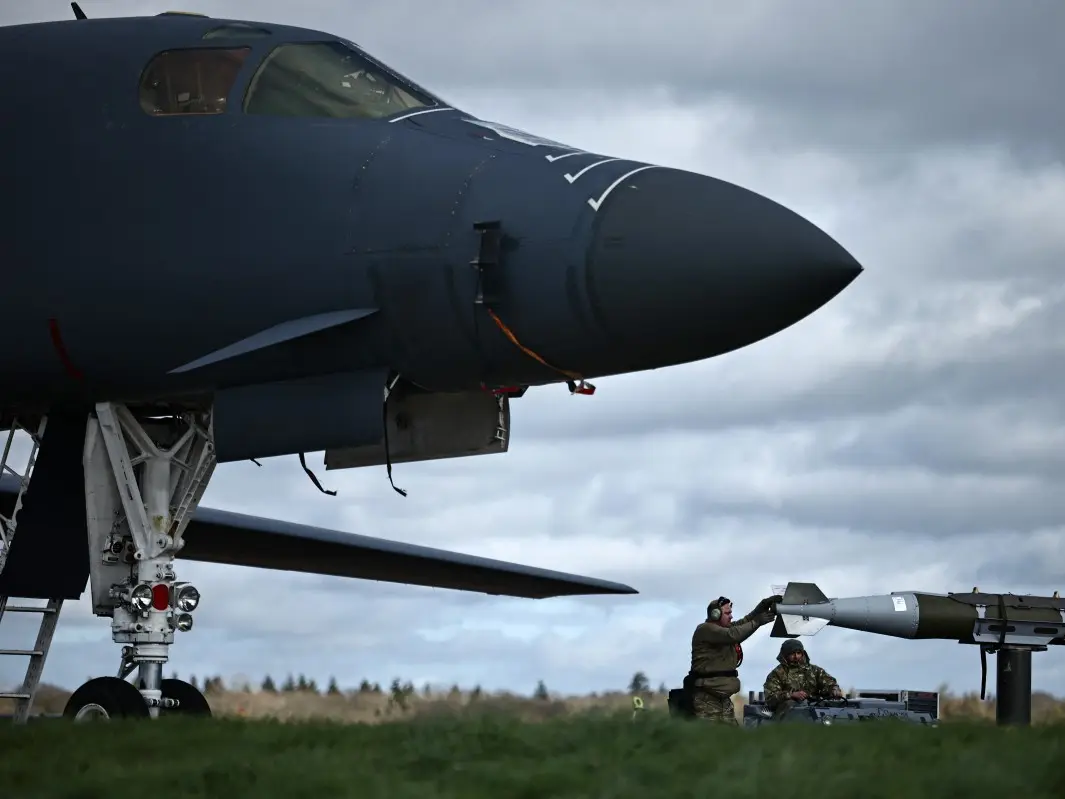
'Almost certainly': UK Prime Minister Andy Burnham says Iran's IRGC behind RAF Fairford threat
&imwidth=180&imheight=135&format=webp&quality=medium)
China’s gold rush puts billion in focus
&im=FitAndFill=(700,400)&imwidth=180&imheight=135&format=webp&quality=medium)
New OTT releases this week (October 12-18, 2026): Sacrifice, Koffee with Karan S9, Roadies Rebirth- 6 titles coming on Netflix, JioHotstar and more
&imwidth=180&imheight=135&format=webp&quality=medium)
UK PM Andy Birnham renews claims of Russian meddling in Brexit vote
In 1994, the Congress lost in Rao’s home state Andhra Pradesh, which emboldened his critics. The feud resulted in Arjun Singh’s ouster from the Cabinet and suspension from the party, resulting in another split. A breakaway faction was formed with ND Tiwari as president and Arjun Singh as working president. After running a minority government for five years, the Congress lost power in 1996. It would take them another eight years to come back. Rao resigned and AICC treasurer Sitaram Kesri took over, but he too was challenged by other senior leaders. The two years following the 1996 defeat saw backroom manoeuvring and intrigue. In the 1997 Congress presidential election, Kesri defeated Pawar and Pilot. Two years later, he was thrown out of the party after Sonia indicated a willingness to take over.
The broader point, however, is that in the absence of a Gandhi family member at the helm of the party, notably Sonia who had decided to lie low for several years after Rajiv’s assassination, the Congress was in a state of flux with periodic exodus of leaders big and small.
For the Congress to be revived from its comatose stage, it took a Sonia to get all factional leaders and party satraps under one roof by the time she took over in 1998. A year later, she had countered a rebellion from senior leader Sharad Pawar. But what had become clear in this turbulent decade was that the party could not survive without a Gandhi at the helm.
Even more stark was the realisation that the perpetually warring Congress leaders and factions, only listen to their first family, as there remains little scope of reconciliation among themselves.
Once again, politics is running true to form. A party that has been vanquished at the hustings, is pleading with the party president — who himself has been humbled in his bailiff Amethi — to kindly assume leadership of the party, indeed salvage the grand old party from distress and demoralisation. One senior leader after the other is making a case as strongly as possible for Rahul to shed his diffidence and take the bull by the horns, with the latter barely willing to demur.
Comically — if the situation was not so tragic — state Congress leaders have been asked to put in their papers and scapegoats are being pulled out of broom closets, without any responsibility being placed at the door of the top leadership.
One of the main reasons for the Congress to have reached this stage is its inability to introspect. There has been no inner-reflection — as a Gandhi or Nehru would have done — on where and how things have gone wrong and the remedies thereof. Instead, there is this touch of arrogance, with the BJP victory being attributed to fudged EVMs, smart marketing and even the devil’s luck. Not a word about the fading appeal of the once-mighty party, pushed further down the drain by a listless Gandhi family, whose stories of political planning for the polls, post the defeat, are too shocking to be true.
There is no candid admission that for a man who made his political debut in 2004, Rahul has not only not influenced any electoral outcome till 2019, but unbelievably, there is no known plan of action ahead. In fact, there appears little clarity on whether Congress even has a party president or not!
(This article was originally published on The DNA. Read the original article)
(Disclaimer: The opinions expressed above are the personal views of the author and do not reflect the views of ZMCL.)