WION Spotlight | Sanctions blowback: For whom the bells toll

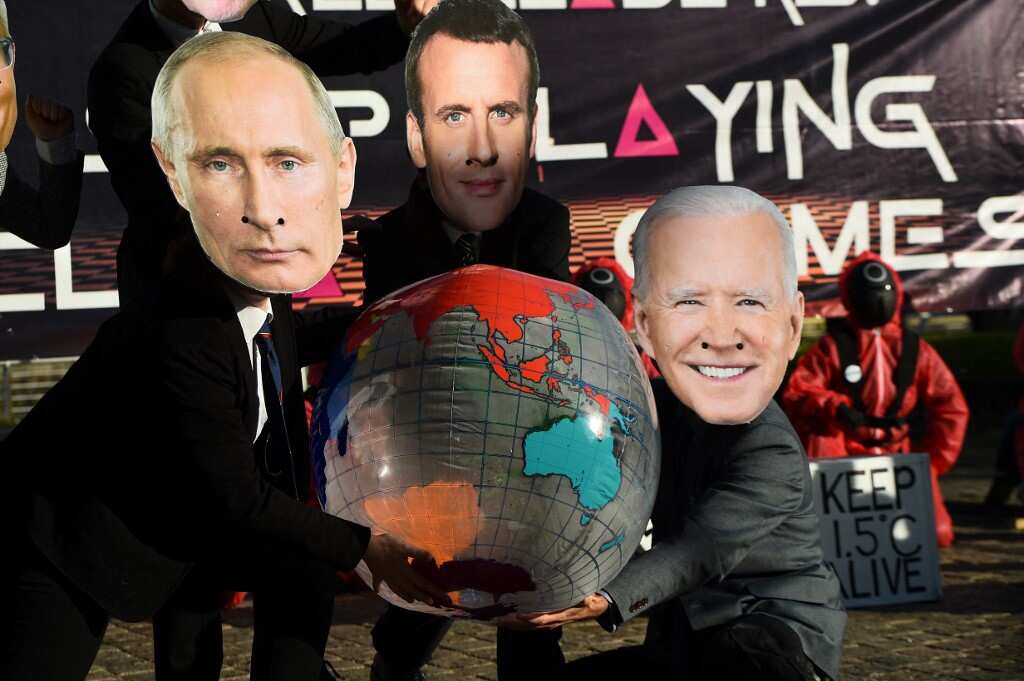
Climate activists wearing masks of Putin, Macron and Biden, take part in demonstration
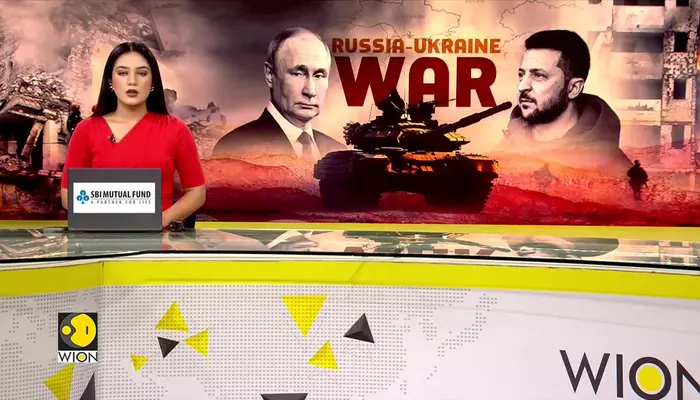
When the USsucceeded in using Ukraine as the bait and battleground to provoke Russia and draw it into a war, the sole superpower and its allies, particularly the UK,sounded supremely confident about the success of Ukraine’s cause. There were dire pronouncements about how Russia would be bled in this war and President Vladimir Putin made to bite the dust.
There were claims of Russia being squeezed by sanctions and isolated; its economy being wrecked and the rouble rendered worthless; and, Putin being cornered to the point, perhaps, of even being forced out of Russia’s presidency.
The so-called “international community” launched a no-holds-barred campaign to punish Russia and hammer its economy. The US, after its debacle in Afghanistan, was in desperate need of a situation for military and economic muscle-flexing to show that it remains a superpower.

However, nothing has panned out as the USand the West expected.
Doubtless, the war has not gone Russia’s way either. Far from being a swift “special operation”, the war is dragging on with Ukraine’s fierce fight back, forcing Russia to retreat at times; and, regroup to rejoin battle in territories where it was worsted.
For all that, Russia is doing better than its US-led foes had foreseen. It is the leaders of the US and its western allies who are in trouble. Europe has taken an economic hit. To make matters worse, the USeconomy is gaining at the expense of Europe, which faces the grim prospect of a dark and cold winter with fuel scarce and food dear. Besides, Europe is forced to buy USgas at exorbitant prices. The worst of the economic crisis fuelled by inflation and food prices is yet to unravel.
)
IND vs JPN one-off T20I: India survive scare from Japan to win five-over a side match by 2 runs
)
Putin's United Russia party wins 355 seats in Duma election; 4 other parties cross threshold to enter parliament
)
AI models chose to harm humans to stop ‘pain,’ alarming study raises fresh safety questions
)
‘0% chance’: Nvidia CEO Jensen Huang dismisses AI extinction fears by 2030
)
Samay Raina-Mukesh Chhabra controversy explained: What happened over girlfriend joke on India's Got Latent?
)
Trump's helipad event overshadowed by audio failure as major TV networks suspend pool coverage
)
'Needs time away from the international scene': England white-ball captain Brook on pacer Brydon Carse's future
)
New Zealand farms shift to carbon forests: Carbon credits fuel a land rush reshaping rural life
)
Anti-AI activists storm summit, say 'incompetent' leaders are leading us into a disaster - 'We need a vote'
)
Samsung raises Galaxy S26 prices by Rs 20,000: Here’s what each model now costs
)
J&K Assembly Session begins amid chaos: BJP, ruling alliance clash as statehood demand dominates
)
Asian Games 2026: India women's cricket team beats Sri Lanka by 147 runs for first gold
)
Key accused in Bihar's Jamui molestation case, arrested after police shoot him in leg
)
Randeep Hooda arrives in Gujarat for his first National Film Award: ‘Very grateful’
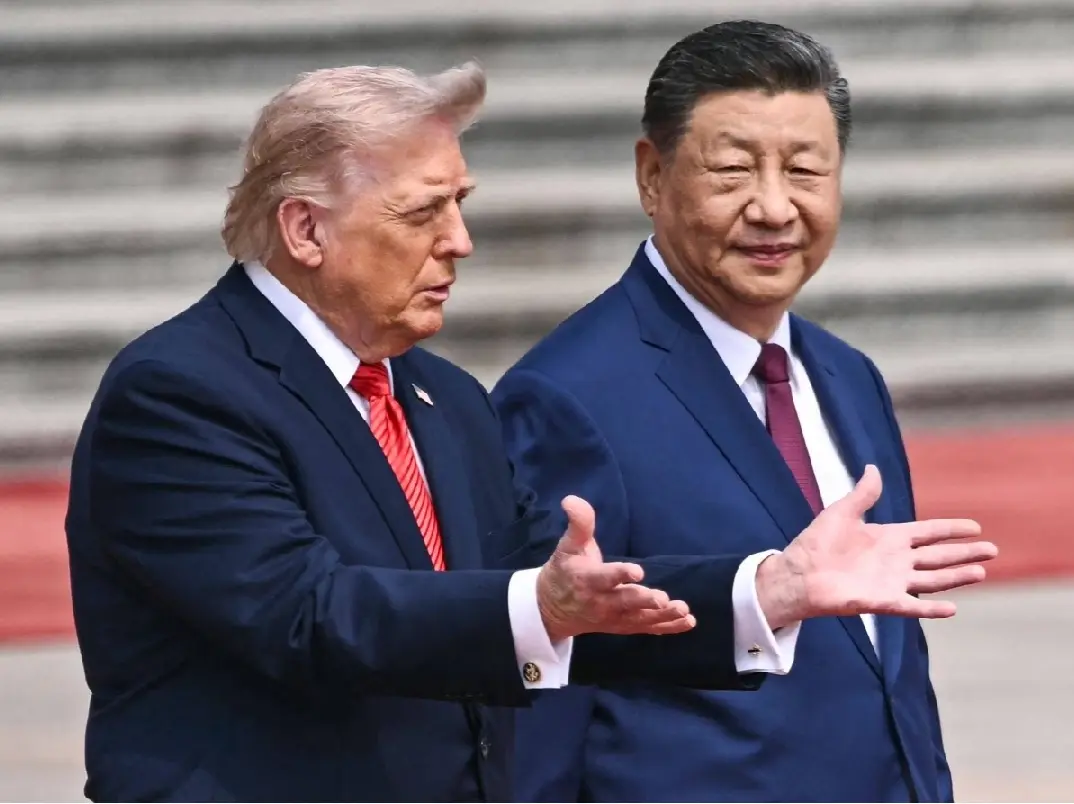)
US and China vie for AI dominance as calls grow for regulation | Gravitas
&im=FitAndFill=(700,400))
Anant Nag to recieve Dadasaheb Phalke Award: From Ankur to Nishant- Revisit his best films and iconic performances on OTT
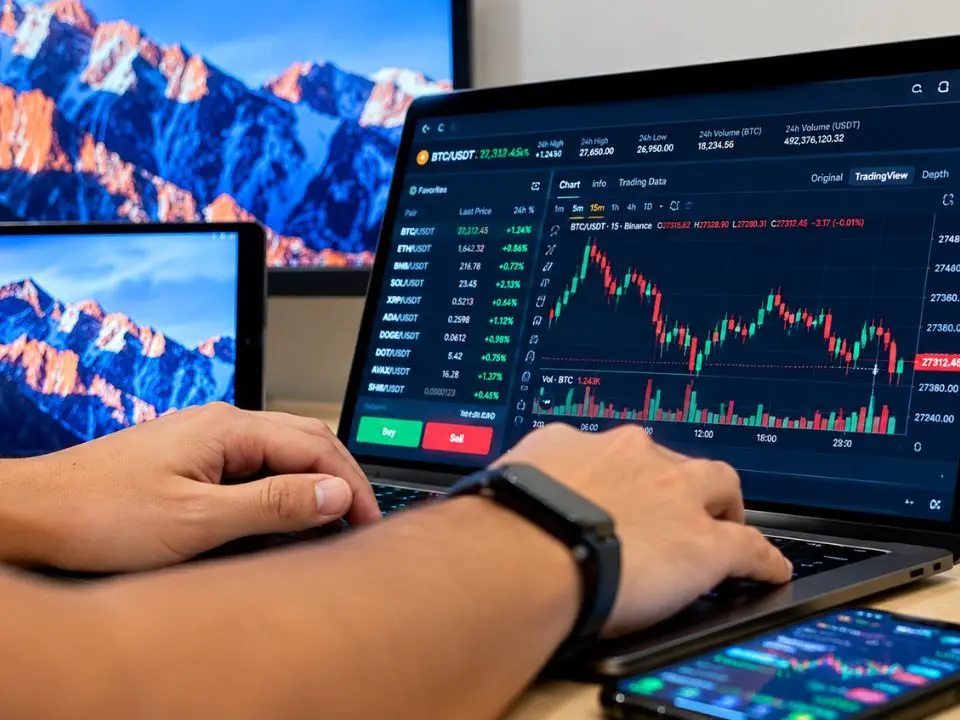)
UK banks are rethinking financial crime detection because of algorithm
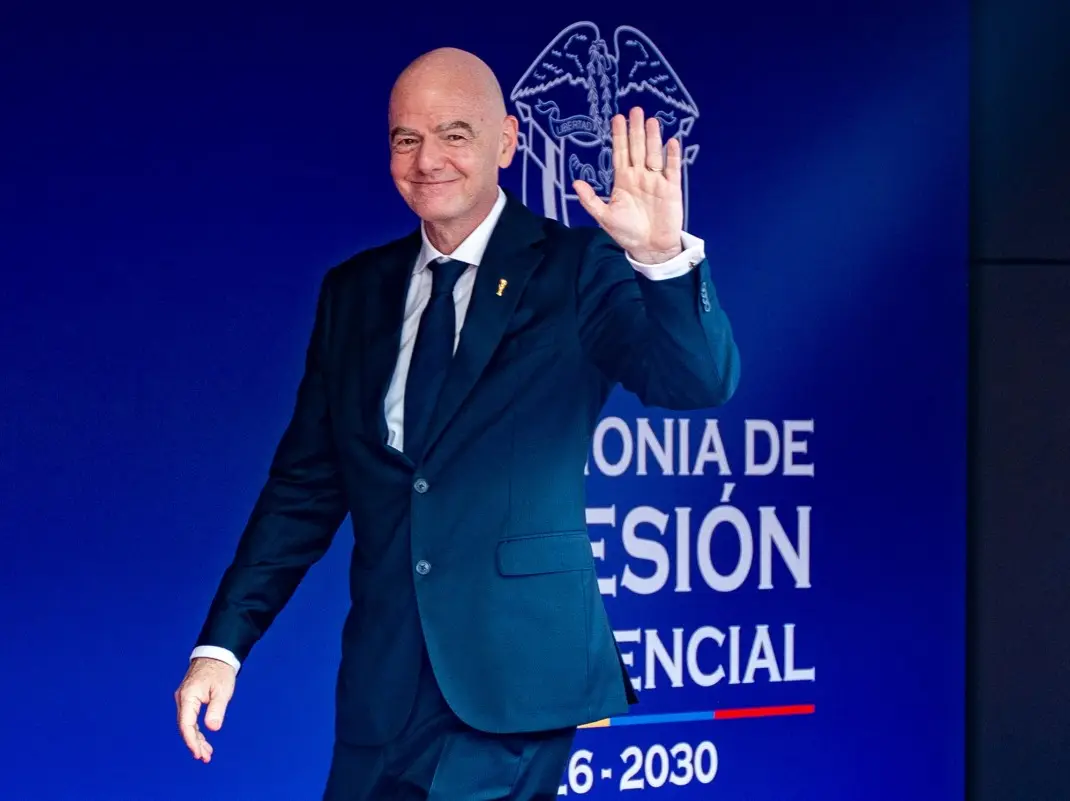)
FIFA chief Infantino wants to reform governing body with consultation from federations
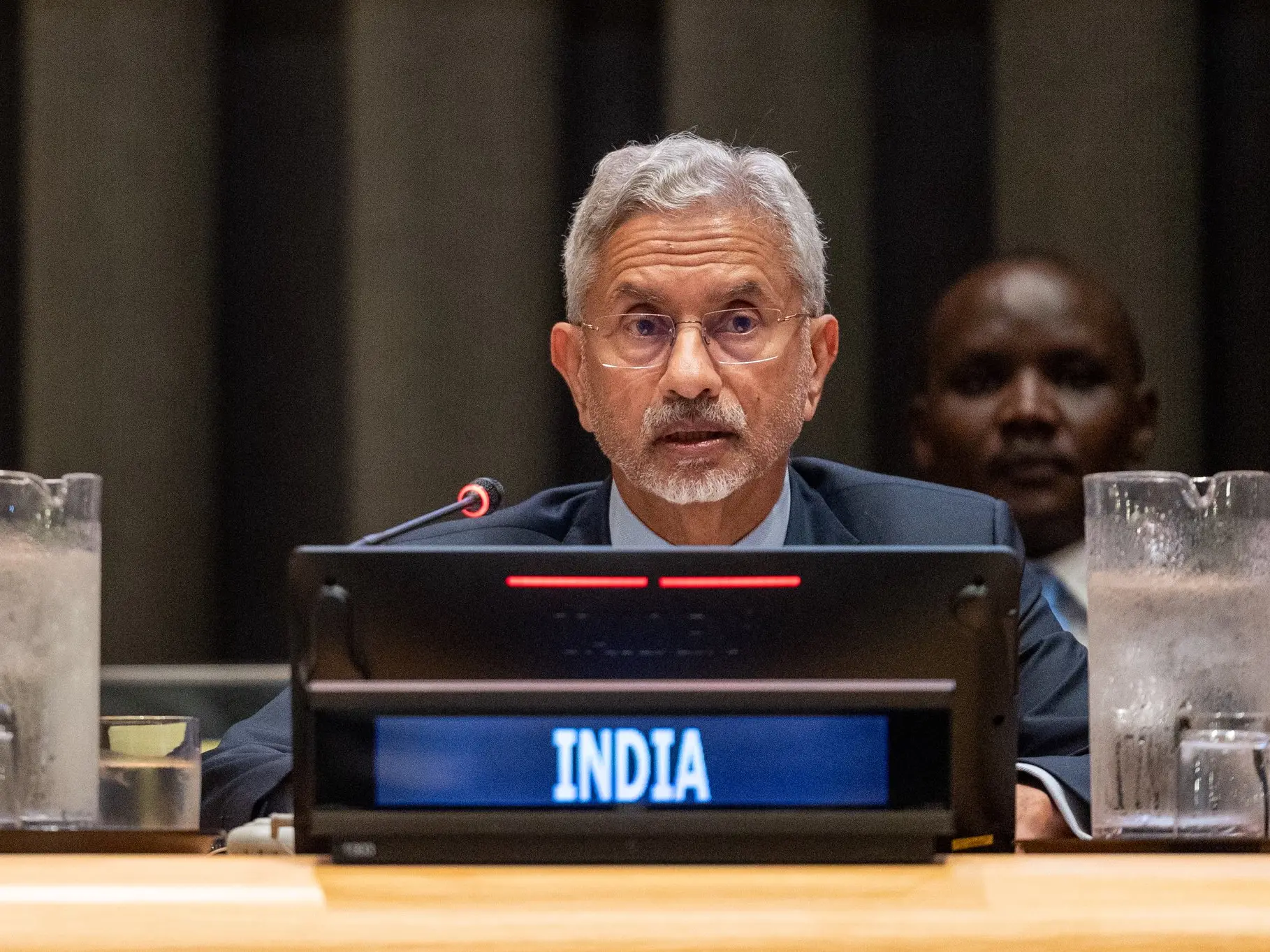)
India at UNGA81: Jaishankar warns global order under 'growing stress', pushes for ‘reformed multilateralism’
)
IND vs JPN, one-off T20I: Japan captain Kendel on pushing India to the brink - ‘It was special’
)
Raaka creates history! Allu Arjun’s film secures Guinness World Record ahead of release
)
Saudi Arabia exits China-led mBridge digital currency platform amid Saudi-Houthi conflict
)
Indonesian groups sue govt over wildfires as haze crosses borders, nearly 900,000 hectares burned
)
'Lot of things to learn from experienced players': Jayasuriya backs Rohit, Virat for 2027 ODI World Cup
)
$110 billion Warner Bros merger: Paramount reaches settlement with 12 US states
&im=FitAndFill=(700,400))
New OTT releases this week (September 21-27, 2026): Shaque: Trust No One, Hunkkaar, Don’t Be Shy- 5 new titles coming to Netflix, Prime Video and more
)
From ‘communist’ to ‘great mayor’: Trump praises Mamdani after New York meeting, discusses immigration and housing
)
Report: Zelensky meets CIA chief Ratcliffe at Shannon airport, weeks after his secret Moscow trip
)
How Zaheer Khan came to be CSK's head coach of IPL 2027
)
Pilot recreates Mona Lisa in sky over Oklahoma and Arkansas in four-hour flight: VIDEO
)
UK PM Burnham agrees to 'defensive' military support for Saudi Arabia against Houthis
)
Jailer 2: Vidya Balan joins Rajinikanth's upcoming film as Kantha | Watch
)
Microsoft executive called AI training the ‘largest theft of labour in human history’
&im=FitAndFill=(700,400))
National Film Awards 2026: Kartik Aaryan, Mammootty, Yami Gautam, Randeep Hooda and other key winners
)
40-foot waves crash into cruise ship in dangerous stretch near Antarctica. Watch
)
US-Iran war, peace deals and more: What to expect from Trump's UNGA 2026 speech
)
Explainer: Why rare-earth export licences and Board of Trade are US priorities ahead of Trump-Xi summit
)
Two infants die after fire breaks out at RIMS newborn care unit in Telangana's Adilabad
)
Rs 1.1 crore flying saucer: Chinese company selling spherical aircraft that can land on water
Britain’s economic woes, too, are rooted in the West’s sanctions against Russia. “The shockwaves from the Russian invasion of Ukraine will cut UK living standards by £2,500 per household, lead to more persistent inflationary pressure and slow the economy to a standstill next year, economists fear,”The Guardianwrote as early as March.
In recent weeks, the pound’s value has plummeted, treasury bonds have crashed and the market is tanking even as Britain is reeling under a public debt burden of about £60 billion.
The political consequences of the war and sanctions have been even more unsettling. The first of the western powers to be plunged into a crisis that is still unfolding is Britain. Two prime ministers have had to resign in quick succession. First to fall was Boris Johnson, who championed sanctions and backed Ukraine. He was succeeded by Liz Truss, who resigned 45 days after taking charge as prime minister. Days before she resigned, two of her ministers, Kwasi Kwarteng (Finance) and Suella Braverman (Home), had quit. There might be worse to come.
Although the US economyits military-industrial complex and the dollarhas benefited from the war in Ukraine, President Joe Biden appears to be in political trouble. The mid-term elections may see the Democrats losing seats, and their majority, in both the Senate and the House of Representatives. That would reduce Biden to a lame-duck president in the remaining two years of his term.
The situation in other G7 nations such as France, Germany and Italy is also worrying, and that has consequences for the cohesion and efficacy of the US-led alliance. As the war drags on, these economies may continue to be dragged down.