SC verdict on election bonds is a vote for informed choice and a bulwark against sophisticated corruption

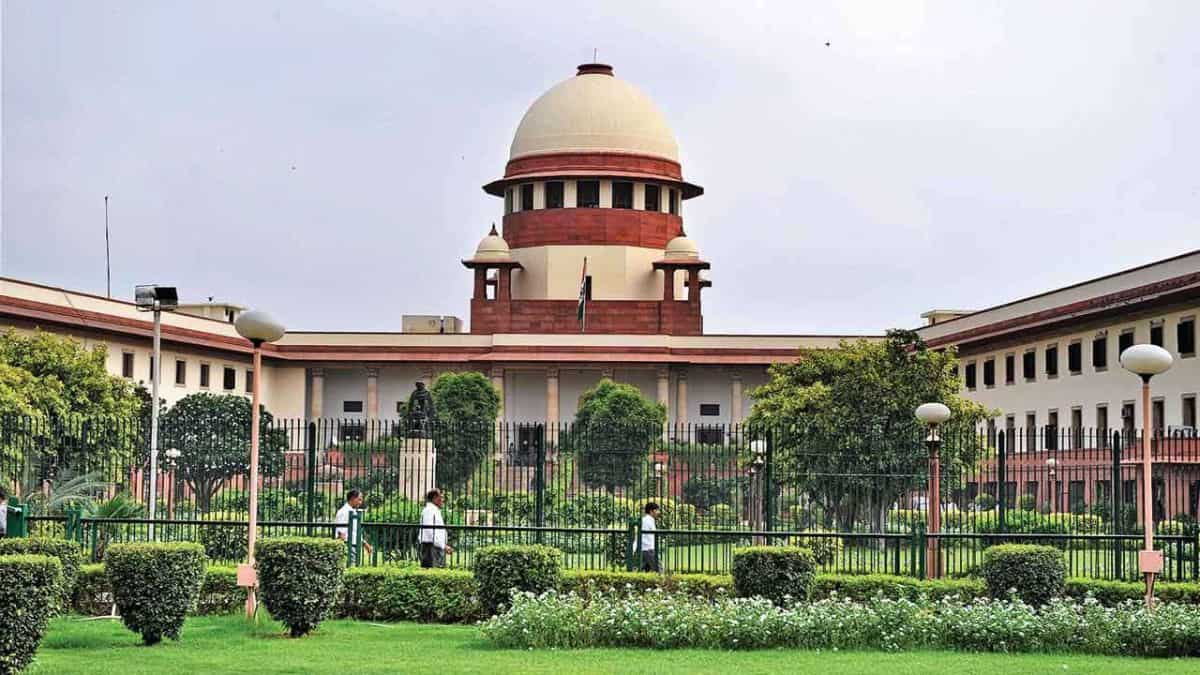
Supreme Court
Imagine you are an investor in a company that issues shares in a public issue. You suddenly realise the company does not report its results to you and instead gives a fat pay hike to its CEO who happens to be the son of the chairman.
Would you be upset? Would you be upset more if you realise that the CEO in question offered big discounts on the company 's products to his school friends and didn't report it in sales statements?
If your answer is yes, the Supreme Court verdict against electoral bonds should not surprise you.

After the Supreme Court of India's ruling that struck down anonymous/confidential electoral bonds as a means to donate to political parties, I am surprised how middle class investors who are aware of corporate conduct when it comes to investing in shares do not extend the same logic to political parties and processes.
The verdict led by Chief Justice DY Chandrachud makes it clear that lack of transparency and denial of appropriate information to the average voter are such that the electoral bond scheme violates the Constitution of India.
Whether you are an investor or a voter, the right you enjoy is based on the principle of conscious, free and informed choice.
&imwidth=180&imheight=135&format=webp&quality=medium)
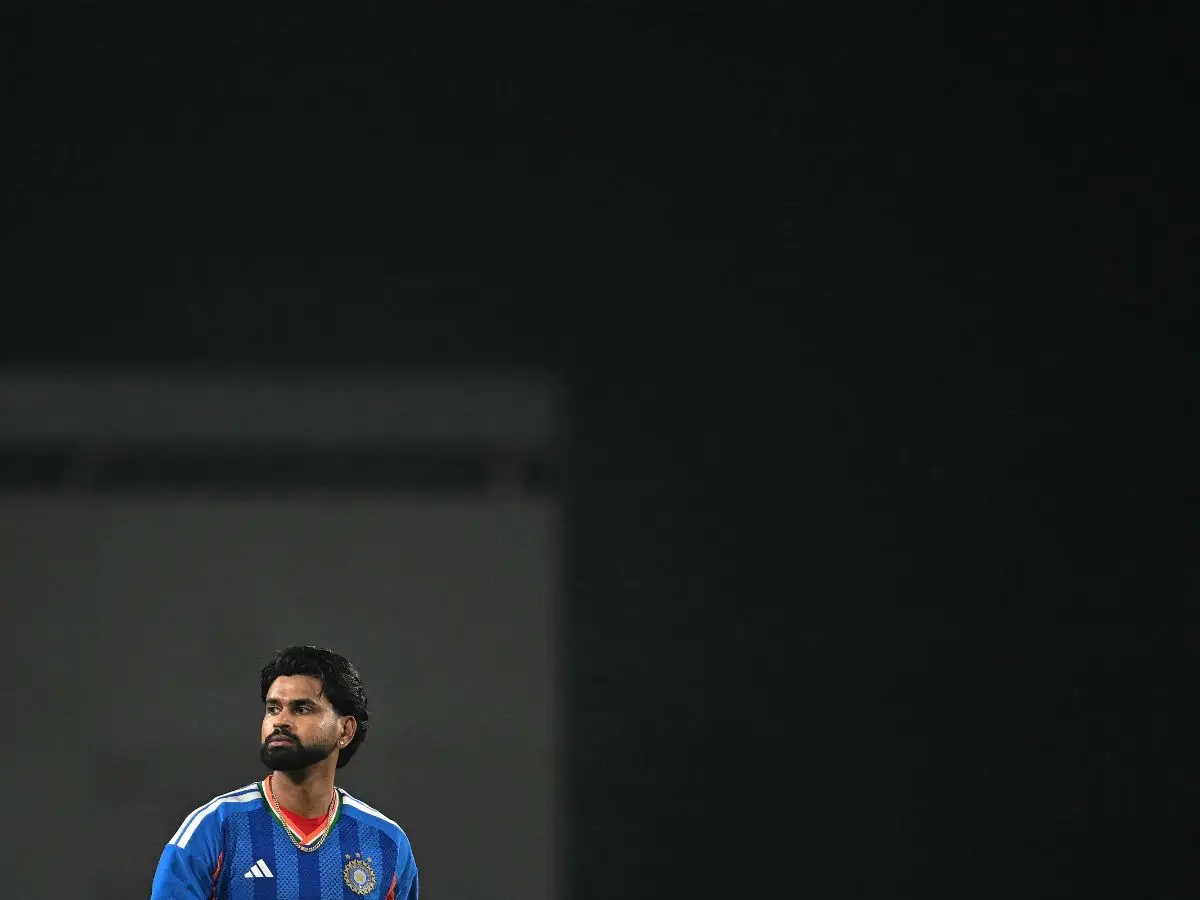
Shreyas Iyer blames dew for West Indies' record run chase in 2nd T20I in Ranchi
&imwidth=180&imheight=135&format=webp&quality=medium)
100,000 strikes in 3 years: How October 7 redefined Israel's war
&im=FitAndFill=(700,400)&imwidth=180&imheight=135&format=webp&quality=medium)
Happy Birthday Rekha: Watch these 7 evergreen Bollywood hits on Netflix, Prime Video and more
&imwidth=180&imheight=135&format=webp&quality=medium)
'I am not going to be watching it': JD Vance on livestream of Nidal Hasan's firing squad execution
&imwidth=180&imheight=135&format=webp&quality=medium)
UK navy hit by espionage scandal: Sailor accused of spying for Russia | Gravitas
&imwidth=180&imheight=135&format=webp&quality=medium)
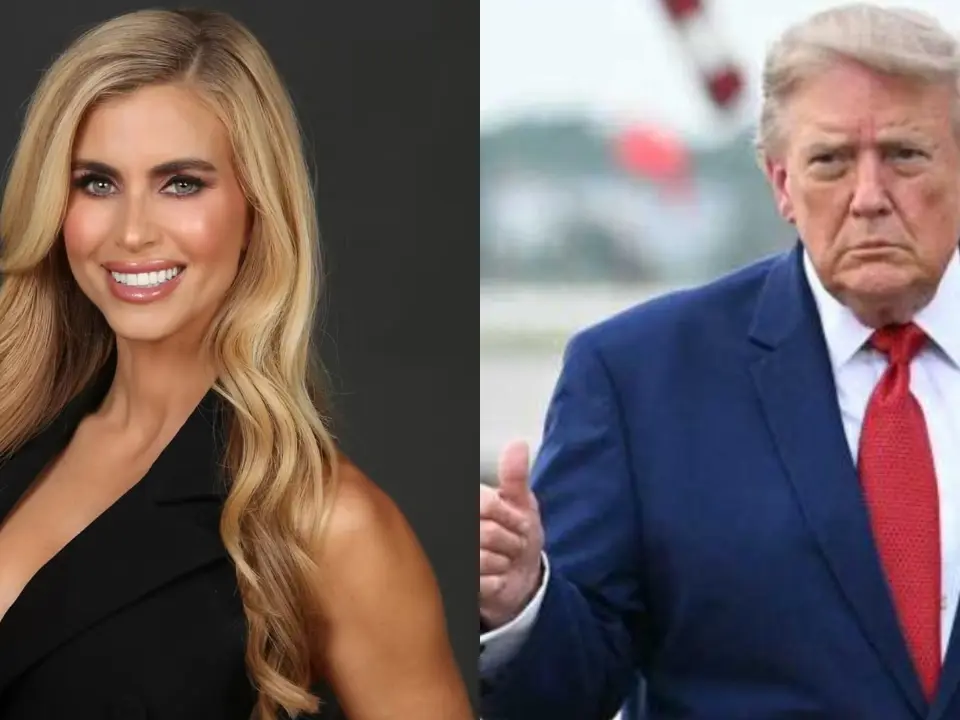
Katie Zacharia likely to succeed Karoline Leavitt as Trump's White House press secretary
&imwidth=180&imheight=135&format=webp&quality=medium)
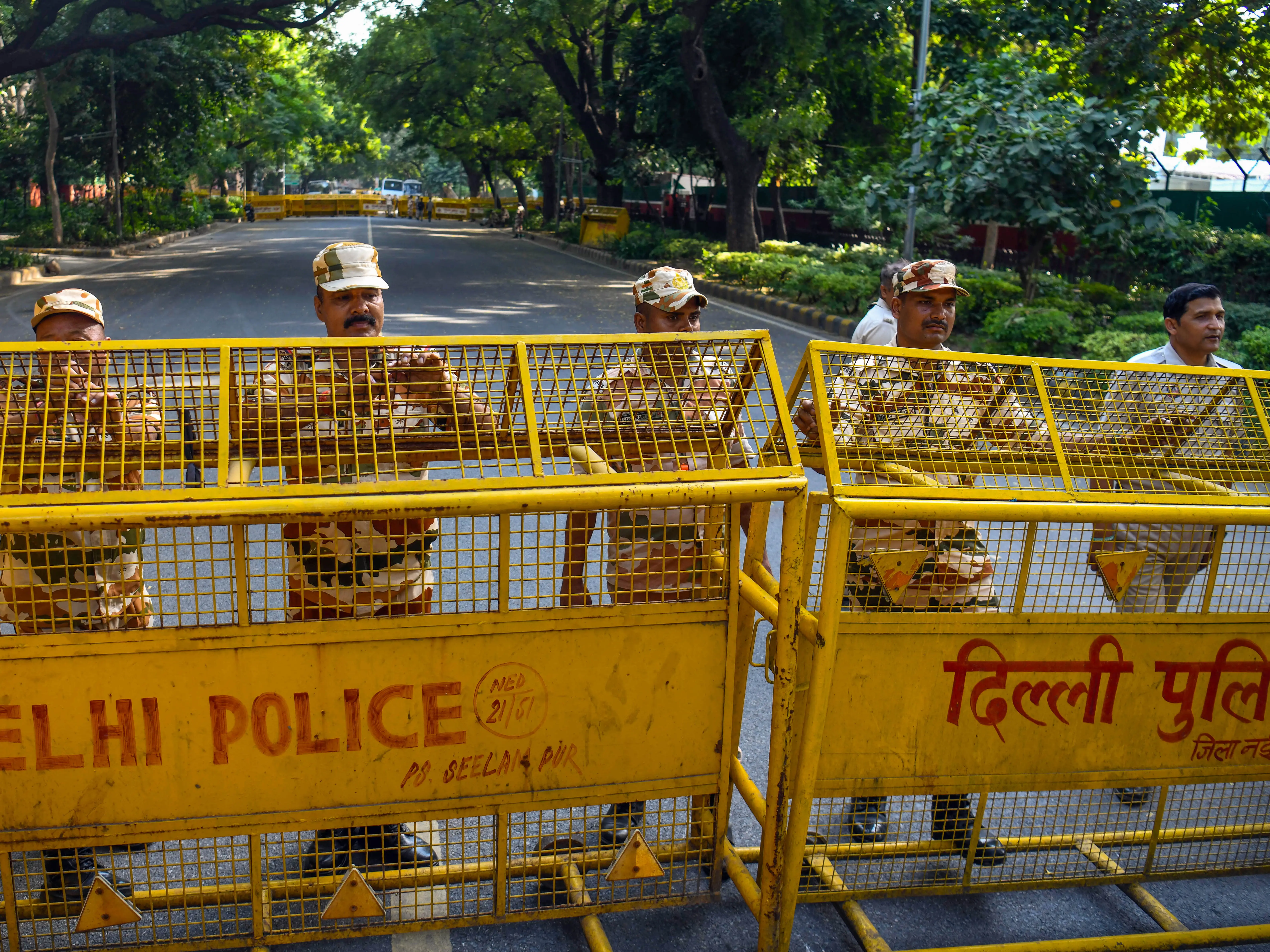
Delhi on high alert for CJP protest: Delhi police to use body cams to 'prove whether we did anything’; Pink Force, RAF, 35,000 personnel deployed
&imwidth=180&imheight=135&format=webp&quality=medium)
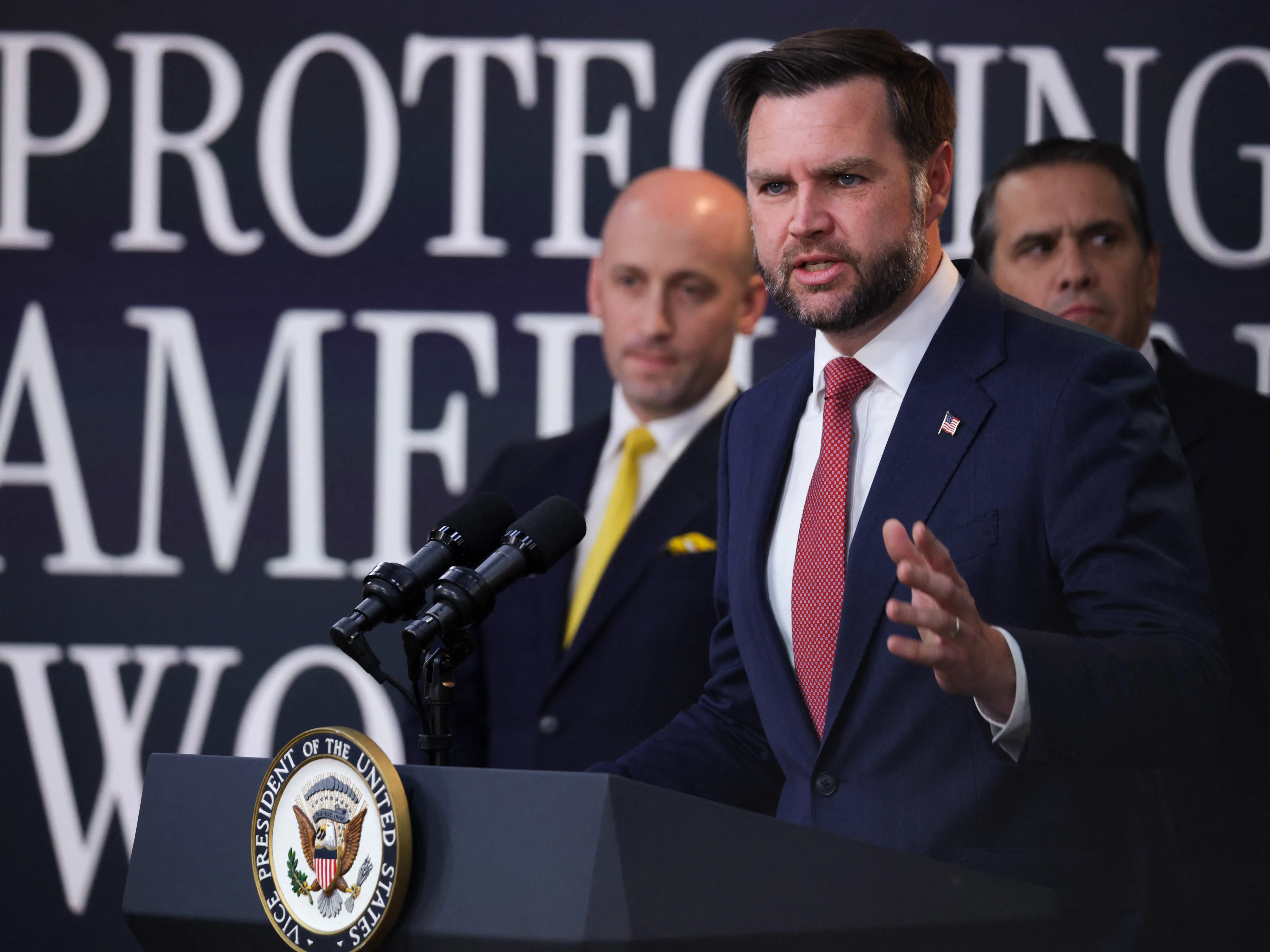
‘Never-ending flow of cheap labour’: JD Vance hits back at Indian-origin Congresswoman over US green card curbs for major tech companies
&imwidth=180&imheight=135&format=webp&quality=medium)
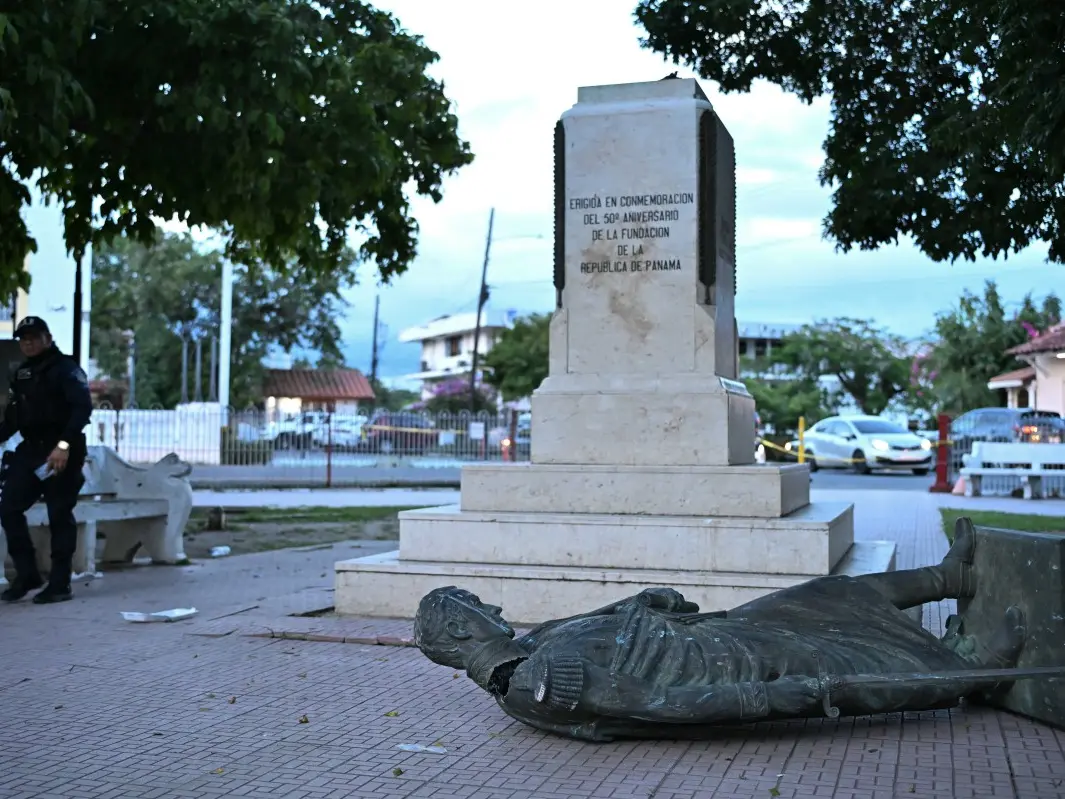
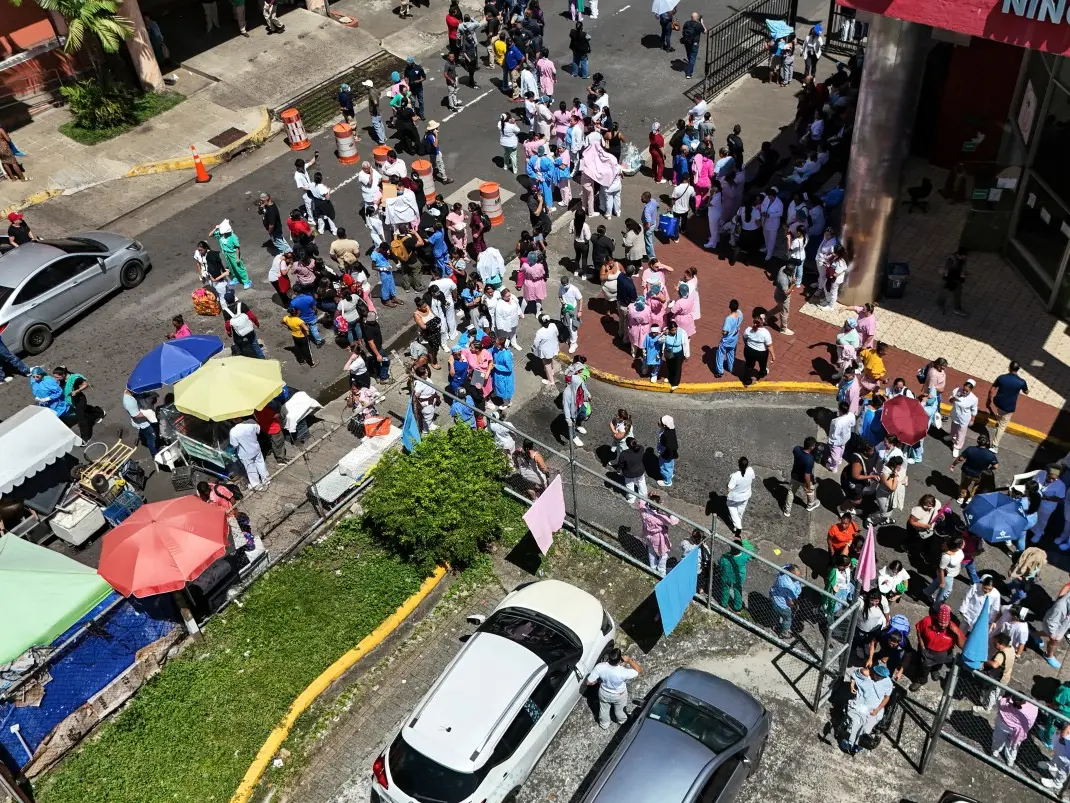
Panama president declares ‘major disaster’ after powerful 7.7-magnitude earthquake; over 80 aftershocks recorded
&imwidth=180&imheight=135&format=webp&quality=medium)
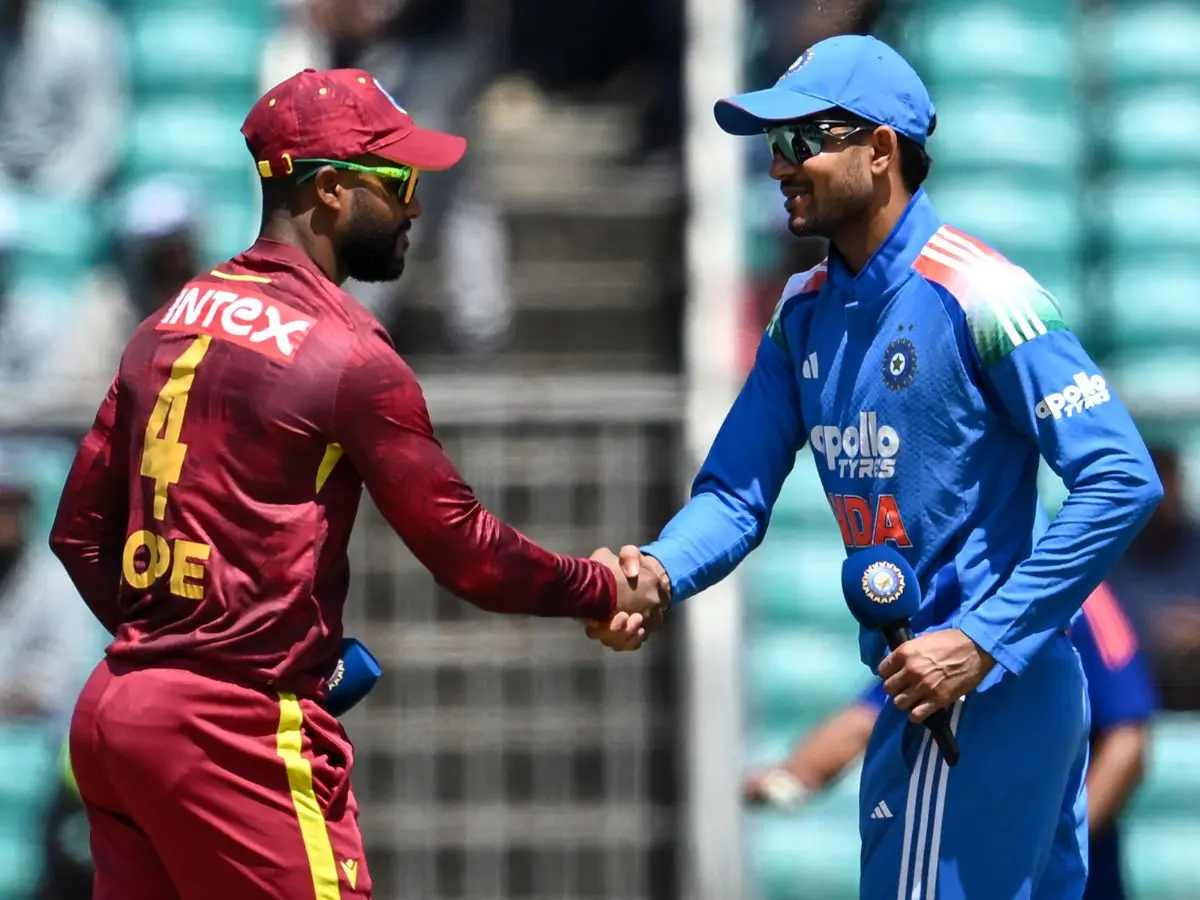
‘250? Cool.’: Shai Hope takes swipe at Shubman Gill’s Instagram caption after Ranchi T20I masterclass
&imwidth=180&imheight=135&format=webp&quality=medium)
'Jantar Mantar not the story of India': BJP's Sambit Patra claims 'anarchists' tried to hold Delhi captive
&imwidth=180&imheight=135&format=webp&quality=medium)
BJP MP Ravi Shankar Prasad slams CJP protests, calls it 'shadow boxing for AAP'
&imwidth=180&imheight=135&format=webp&quality=medium)
'I ended 8 wars': Trump slams Nobel Peace prize decision, claims award was his due
&imwidth=180&imheight=135&format=webp&quality=medium)
Dhurandhar: The Revenge album submitted for Grammy consideration; But what does it mean?
&imwidth=180&imheight=135&format=webp&quality=medium)
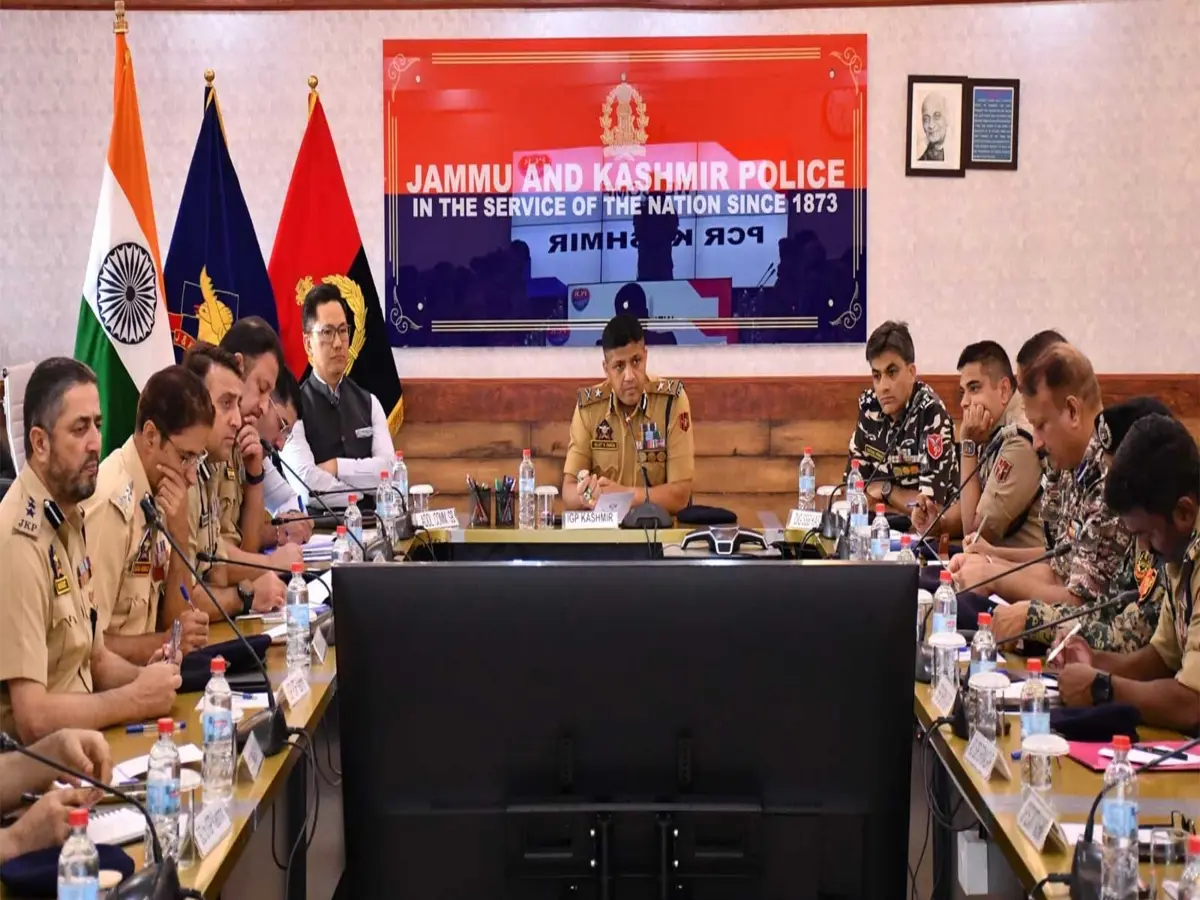
J&K Government orders major police reshuffle, transfers 100 officers across UT
&imwidth=180&imheight=135&format=webp&quality=medium)
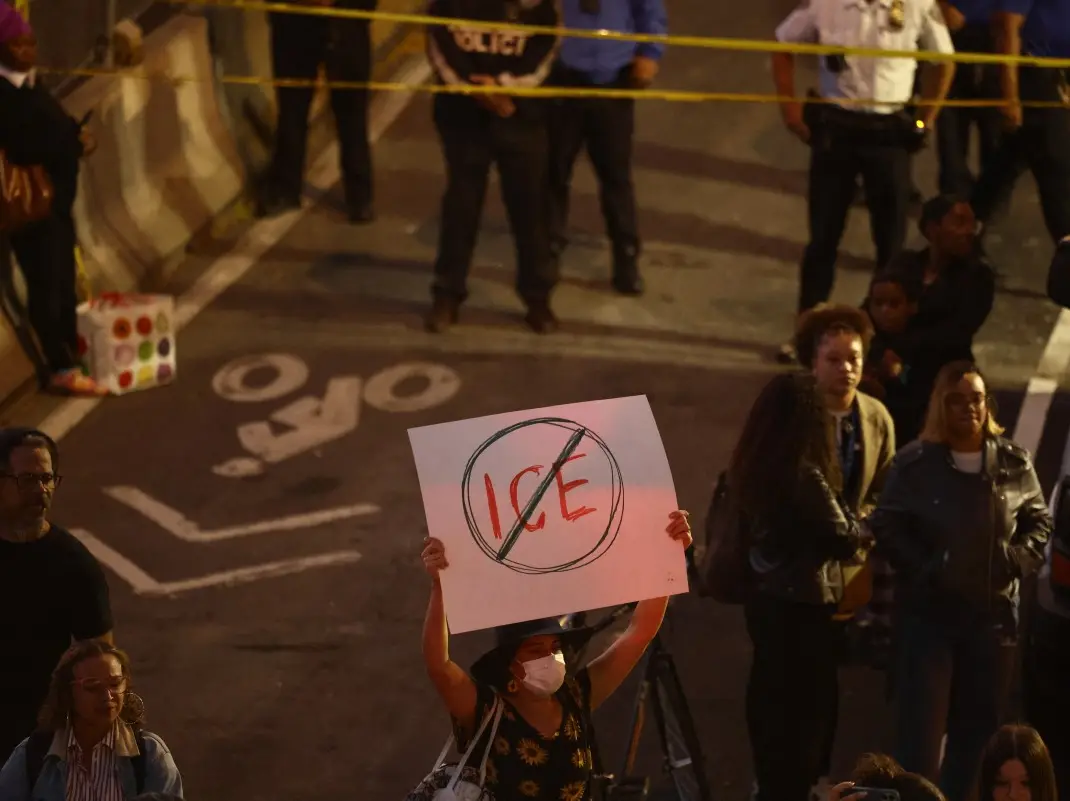
New York protests erupt as Trump administration defends ICE shooting
&imwidth=180&imheight=135&format=webp&quality=medium)
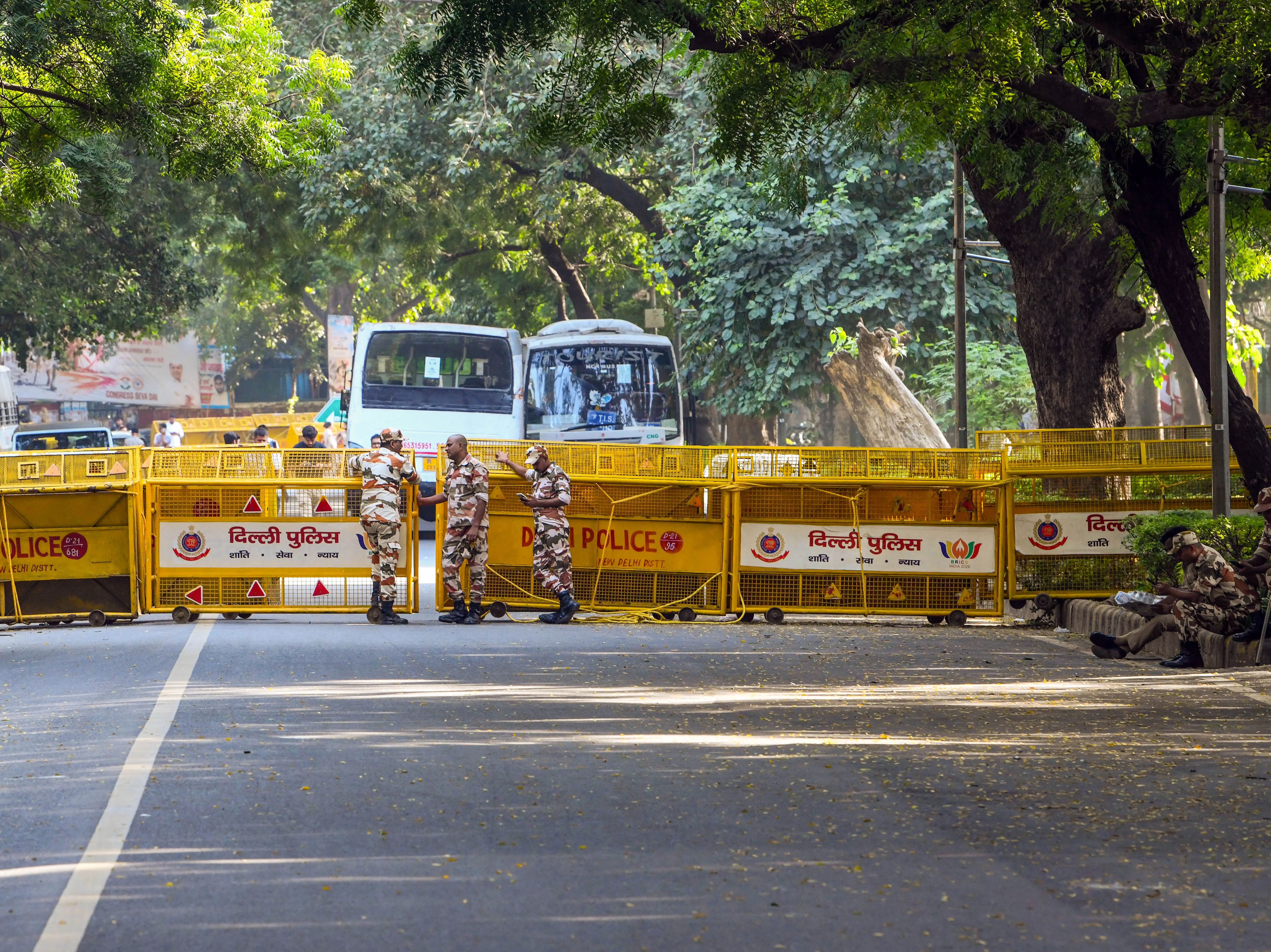
Delhi protest: Metro curbs, train cancellations, traffic diversions as protesters seek CEC Gyanesh Kumar’s resignation
&imwidth=180&imheight=135&format=webp&quality=medium)
'Spent Rs 2,000 cr to elect Trump': Elon Musk bought US President's loyalty by writing the biggest political cheque in human history
&imwidth=180&imheight=135&format=webp&quality=medium)
Powerful 7.7 magnitude earthquake strikes Panama, tsunami warning issued
&imwidth=180&imheight=135&format=webp&quality=medium)
Adéla gives KATSEYE’s Lara Raj and Megan Skendiel a shout-out at Fonda Theatre in LA
&imwidth=180&imheight=135&format=webp&quality=medium)
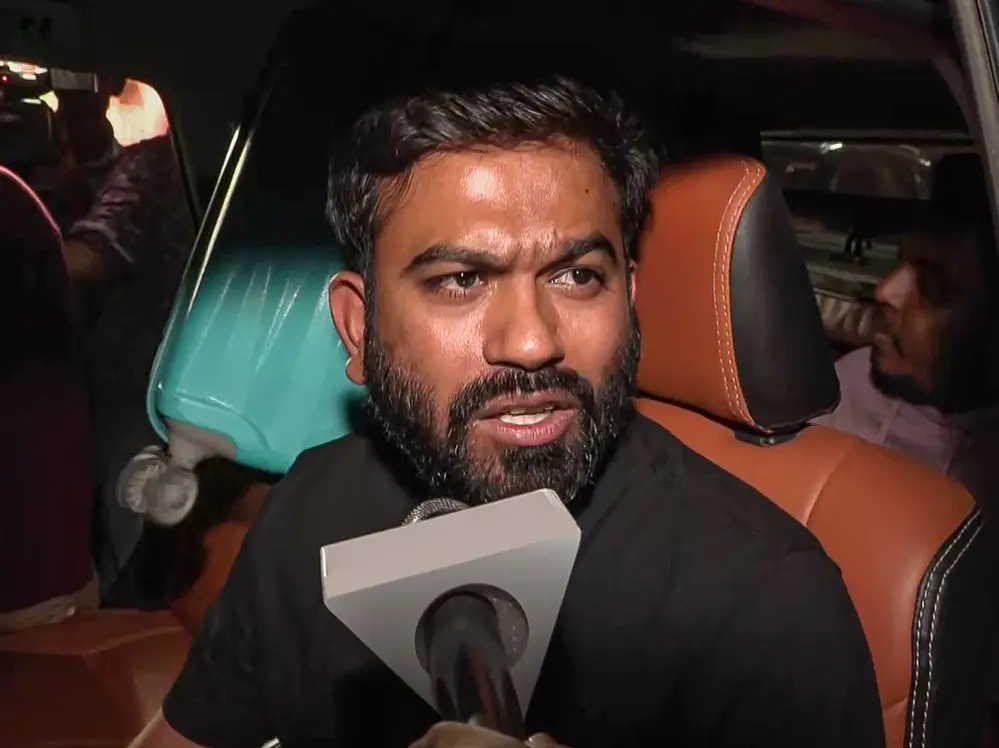
'Modi is a dictator': Abhijeet Dipke claims govt 'scared' of youth, slams stringent measures ahead of CJP Jantar Mantar protest
&im=FitAndFill=(700,400)&imwidth=180&imheight=135&format=webp&quality=medium)
New Friday OTT releases (October 9, 2026): Reporting Live, Animals, Take Charge of My Heart- 6 new titles coming on Netflix, JioHotstar and more
&imwidth=180&imheight=135&format=webp&quality=medium)
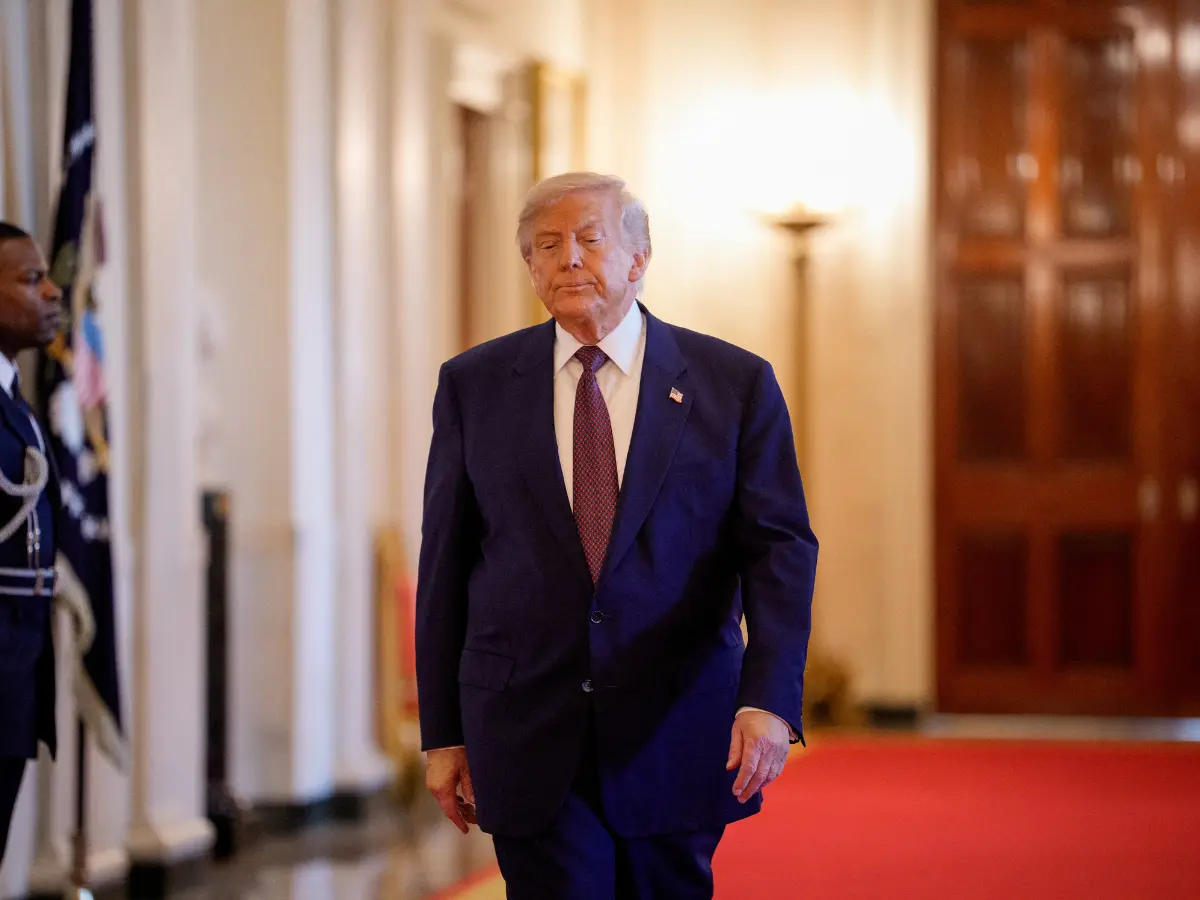
Two-thirds of competitive GOP candidates split with trump ahead of November midterms
&imwidth=180&imheight=135&format=webp&quality=medium)
'Ouch!!! That must hurt': Kangana Ranaut hails Kamal Haasan's sharp reply to Elon Musk over Starlink row
&imwidth=180&imheight=135&format=webp&quality=medium)
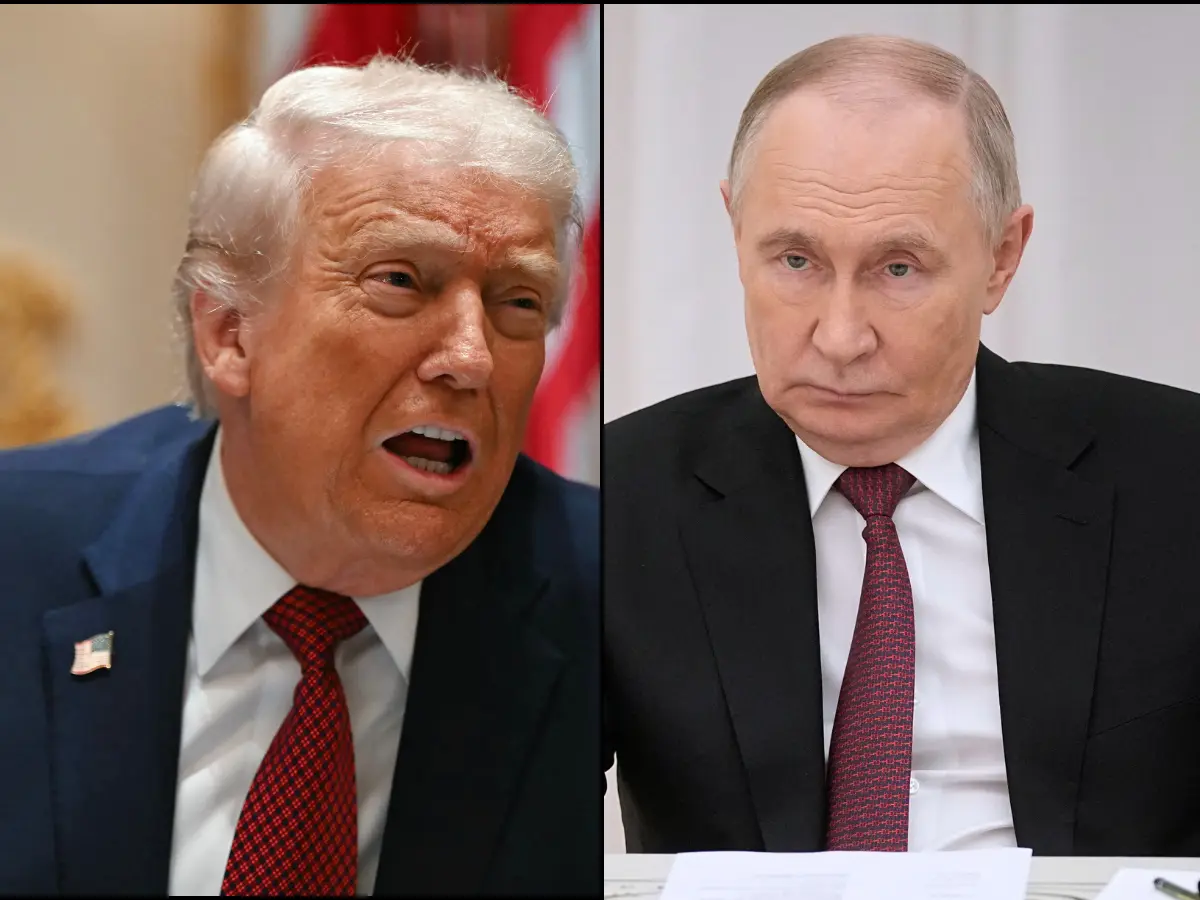
Trump announces Russian diesel deal as Zelensky criticises move
&imwidth=180&imheight=135&format=webp&quality=medium)
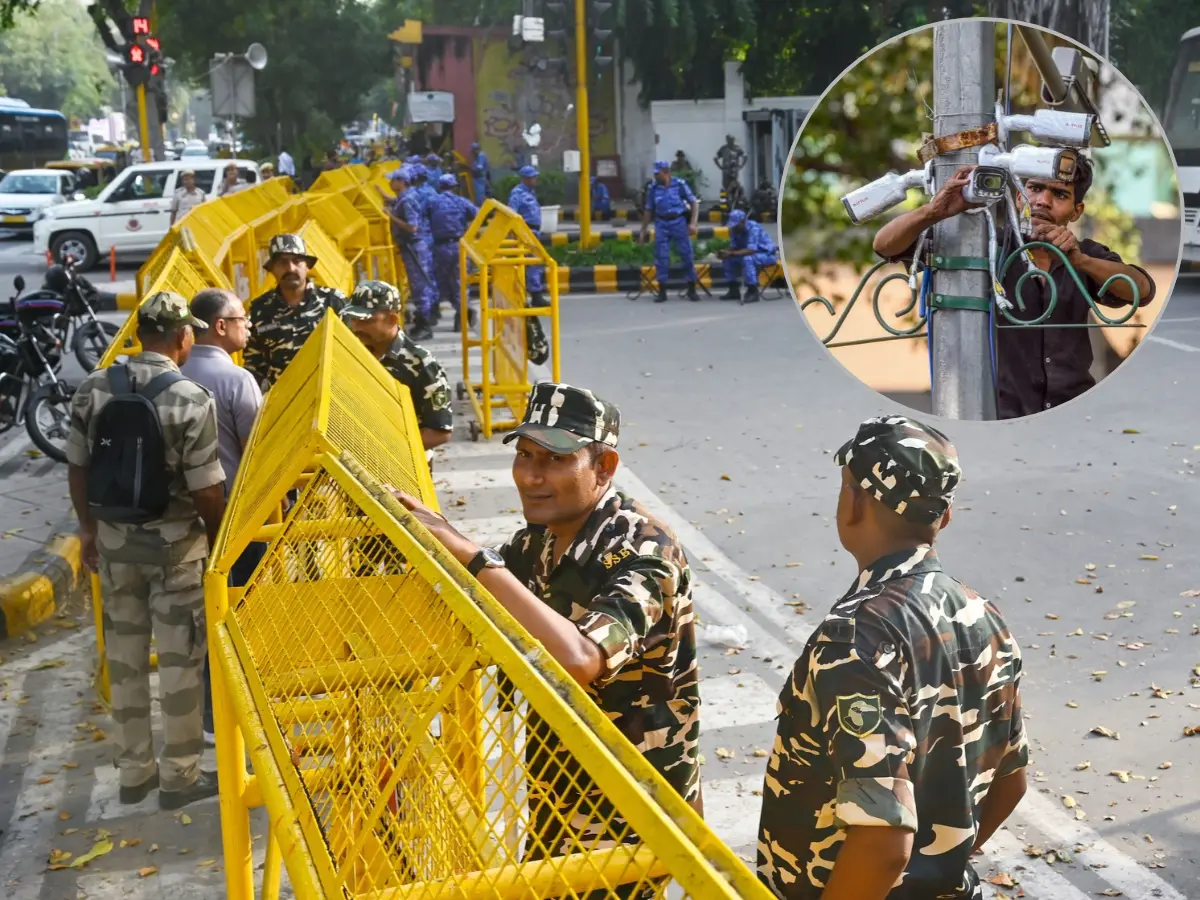
‘Right to protest must be protected, but...’: Delhi Police reveals why it denied CJP permission for October 10 Jantar Mantar protest
&imwidth=180&imheight=135&format=webp&quality=medium)
Pakistan denies reports of PAF jets being used in attacks against Iran-backed Houthis in Yemen
&imwidth=180&imheight=135&format=webp&quality=medium)
Ella Langley’s Oklahoma show abruptly cancelled over safety concerns after threat report
&imwidth=180&imheight=135&format=webp&quality=medium)
All 22 Indian seafarers safe in attack on Panama-flagged tanker off UAE coast
&imwidth=180&imheight=135&format=webp&quality=medium)
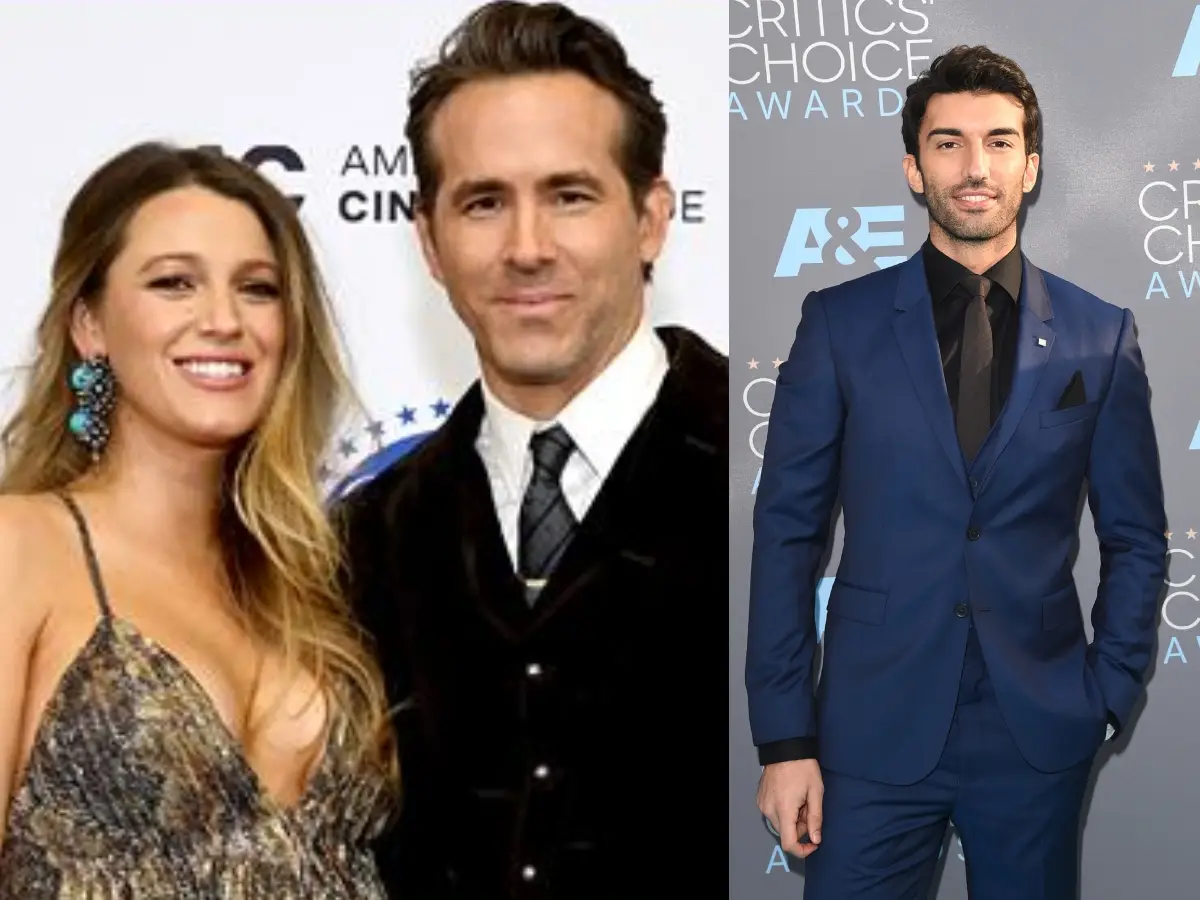
Ryan Reynolds’ private messages reveal his blunt views on Justin Baldoni from Blake Lively’s legal case
&im=FitAndFill=(700,400)&imwidth=180&imheight=135&format=webp&quality=medium)
Rakul Preet Singh birthday special: 7 times the Ramayana actress served glamorous looks
&im=FitAndFill=(700,400)&imwidth=180&imheight=135&format=webp&quality=medium)
Food shortages, suicide attempts and more: USS Abraham Lincoln returns to US after 321 day deployment — What happened aboard the US carrier?
&imwidth=180&imheight=135&format=webp&quality=medium)
Thai queen becomes first reigning monarch to fly jet solothailand #queen #wion
&imwidth=180&imheight=135&format=webp&quality=medium)
SC questions closure of 57 Delhi Metro stations, asks Centre to resume services in regulated manner
&imwidth=180&imheight=135&format=webp&quality=medium)
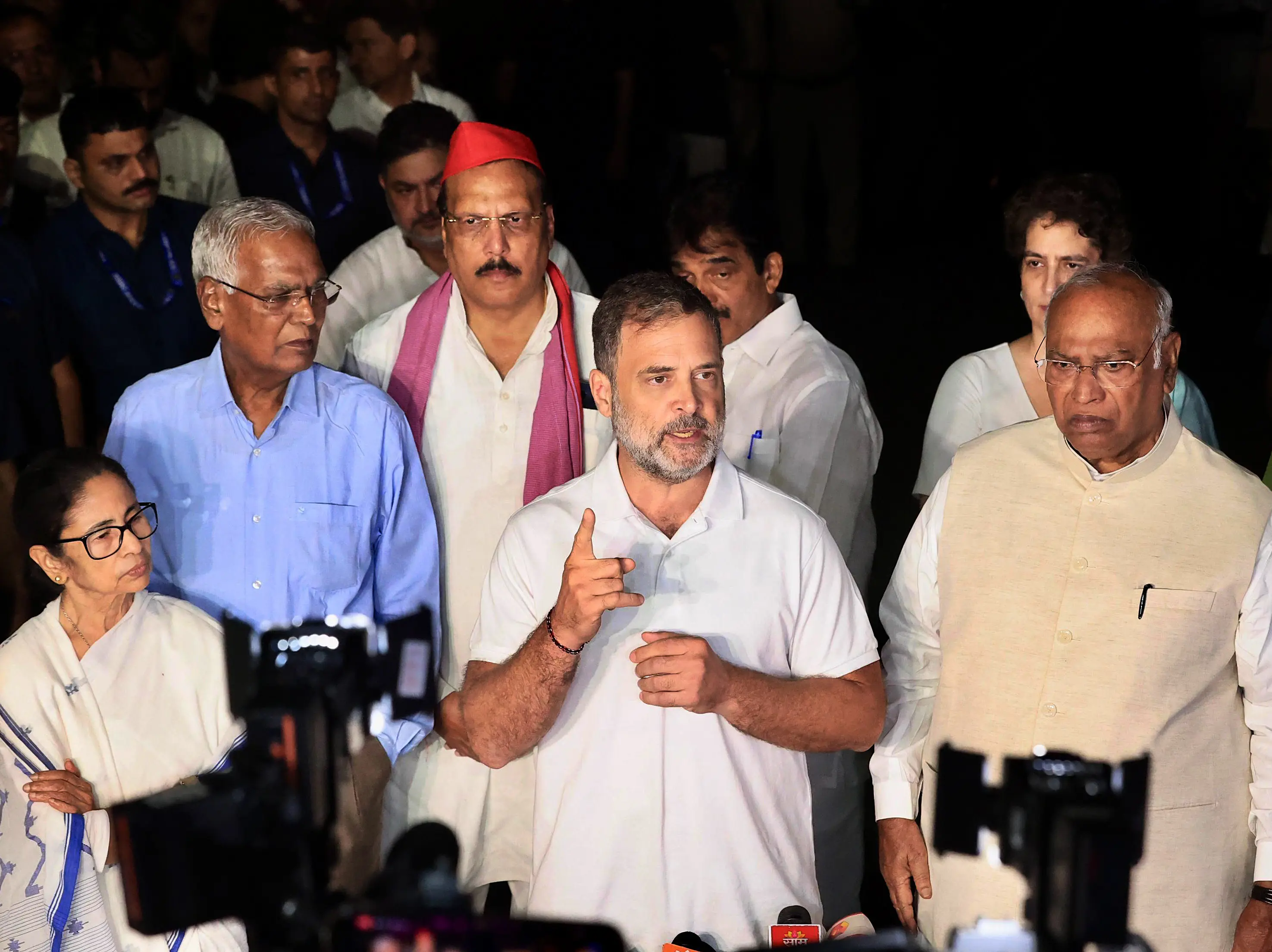
Rahul Gandhi calls Modi, Shah ‘cowards’ amid CJP protest crackdown in Delhi
&imwidth=180&imheight=135&format=webp&quality=medium)
Flydubai co-pilot developed extremist views while studying in Australia: UAE prosecutors
&imwidth=180&imheight=135&format=webp&quality=medium)
'Even Indira Gandhi didn't do this': Abhijeet Dipke, Saurav Das and Ashutosh Ranka detained from inside their flight | Watch video
&imwidth=180&imheight=135&format=webp&quality=medium)
Why was CJP founder Abhijeet Dipke detained? What Delhi Police said
&imwidth=180&imheight=135&format=webp&quality=medium)
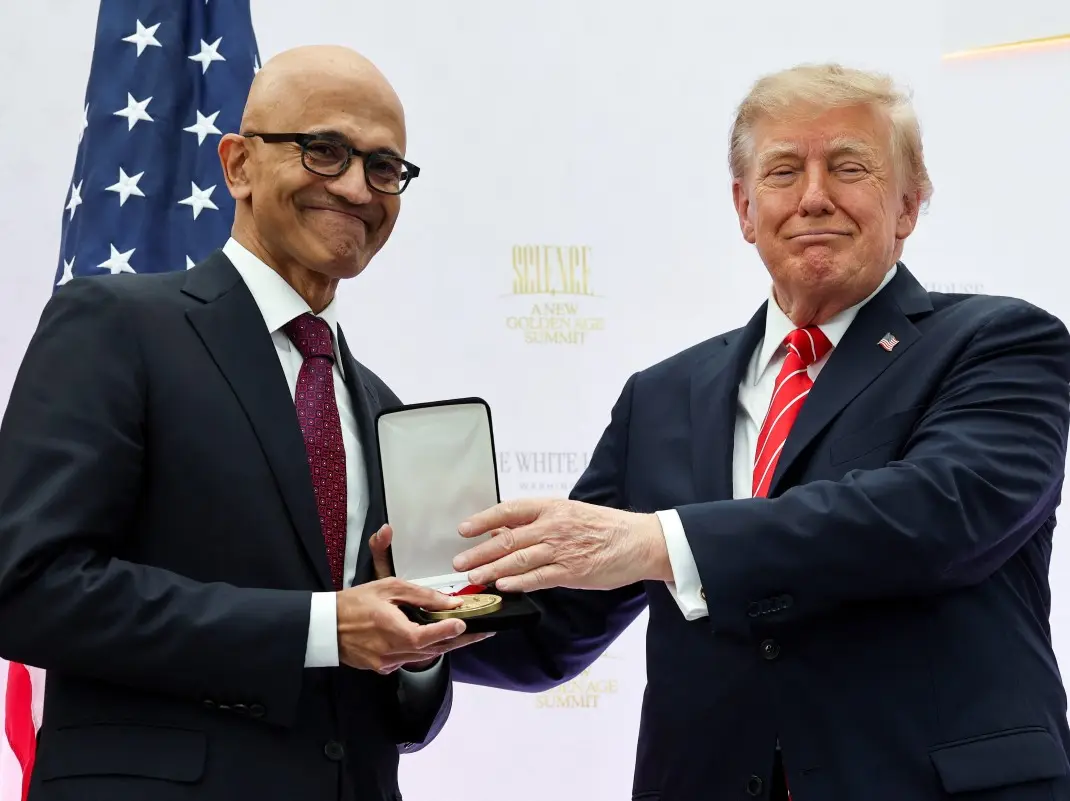
Trump honours Microsoft CEO Satya Nadella with top technology honour amid immigration scrutiny
This is why the Election Commission and it's corporate counterpart Securities and Exchange Board of India insist on appropriate disclosures -- such as antecedents, assets and related party deals involving key candidates and officials.
Electoral bonds were ostensibly meant to end the influence of black money in elections but much in its design smelt of a quid pro quo that could hide a covert sweetheart camaraderie between donors and their political patrons.
As the scheme was cleared by parliament, it was legal but only in a technical sense, much like a board resolution of a private company. It took the might of the country's highest court to call this bluff as it requires a nuanced understanding of the deeper principles of the Constitution.
True, unlike the erstwhile "Licence Permit Quota Raj" of the pre-1991era, post-reform India has less scope for corruption. But it must be remembered that "licence buying ' by stealth is only a clearer version of corruption. Every policy framed by a government even in a liberal economy is potentially one that creates winners and losers. Every allocation made by a government department in the public interest creates business opportunities for private parties.
Thus, even in the best case scenario, electoral bonds can be used as instruments of influence peddling by business lobbies. That is just sophisticated corruption.
Things can get worse where the ruling party or government through state-controlled banks like the State Bank of India has disproportionate access to confidential information on electoral bonds. What is the guarantee that a corporate donation to an opposition party will not lead to adverse outcomes for the donor?
The SC verdict should thus be only a starting point for deep discussions on how transparency as well as truly free choices should be exercised in political behaviour.
Much like minority shareholders receiving protection from regulators of corporate law, special provisions may be required to ensure a fair regime for political funding to support less privileged voters.
State funding of elections is an idea worth discussing. The vote, in any case, must take precedence over the 'note' in a context where poor voters may be empowered by the ballot but are often misguided through smoke-and-mirror techniques that create an asymmetry of relevant information in addition to noisy propaganda.
Until and unless there's a high level of public awareness, institutions like the judiciary, the academia, mass media and civil society organisations need to play a custodial role in strengthening democracy.
The Association for Democratic Reforms that spearheaded the case against electoral bonds deserves a special mention in this instance. No court can help a democracy in which litigant citizens are not smart enough to build a strong case.
(Disclaimer: The views of the writer do not represent the views of WION or ZMCL. Nor does WION or ZMCL endorse the views of the writer.)
