Makar Sankranti 2026: When is Makar Sankranti? Date, time, rituals, history and significance- Everything you need to know

&imwidth=600&imheight=450&format=webp&quality=medium "Makar Sankranti 2026: When is Makar Sankranti? Date, time, rituals, history and significance- Everything you need to know")
Makar Sankranti 2026 Photograph: (Freepik)
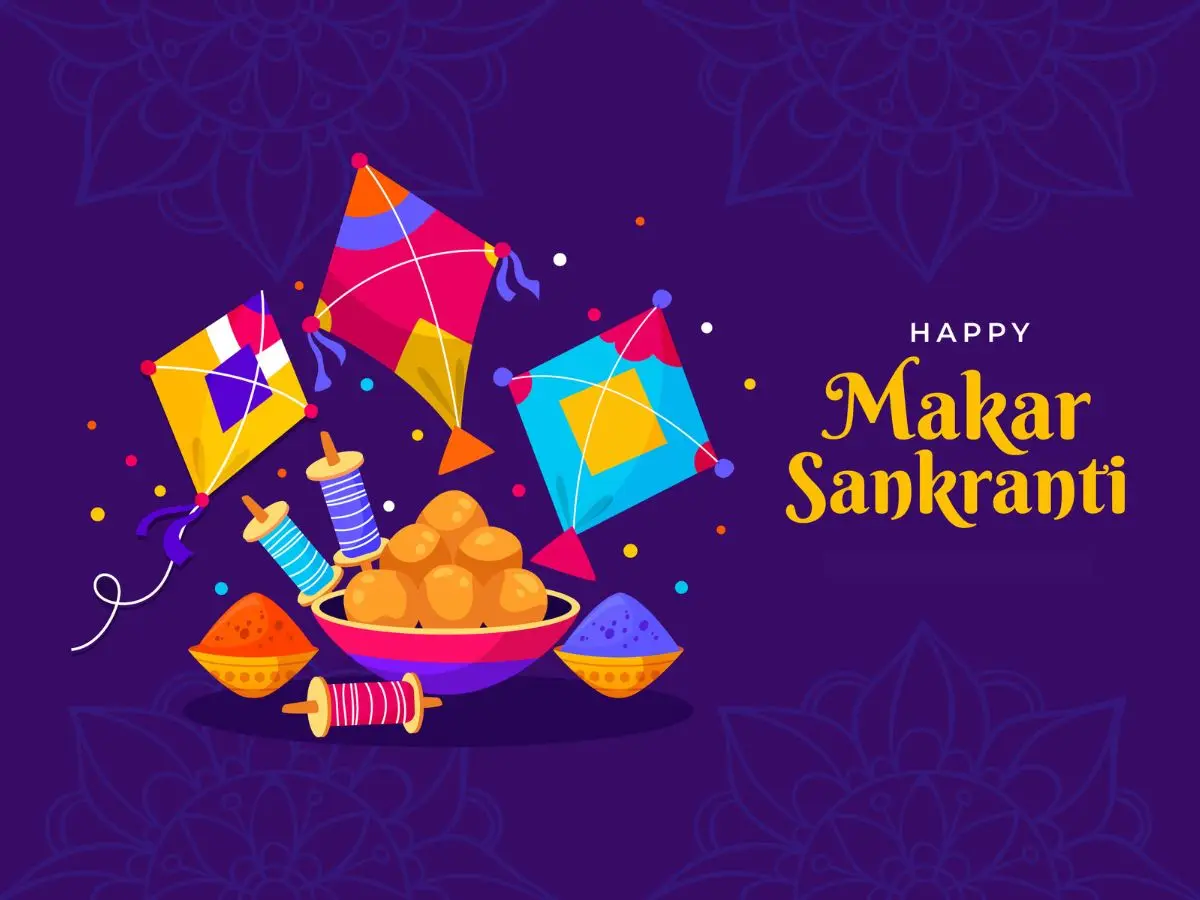
Makar Sankranti 2026 will be celebrated on January 14. Know the auspicious timings, rituals, regional names, history and cultural significance of the harvest festival.
Makar Sankranti is a Hindu harvest festival, celebrated across the country among various ethnic and cultural groups in India and Nepal. The festival is identified with various names across various regions, such as Peddha Panduga in Andhra Pradesh, Lohri in Punjab and North India, Magh Bihu in Assam, Maghi Saaji in Himachal Pradesh, Makaravilakku in Kerala, Uttarayan in Gujarat and Makara Sankranti in Karnataka, to name a few. The religious/cultural festival is based on the movement of the sun from the zodiac of Sagittarius to Capricorn. The festival is celebrated with kite flying, bonfire, fairs, feast, arts, dance and socialisation.
Date and time of Makar Sankranti 2026
Makar Sankranti will be celebrated on January 14, 2026, with the Punya Kala between 03:13 PM IST to 05:45 PM IST.
Rituals of Makar Sankranti 2026
Many people celebrate Makar Sankranti differently. Some do it by taking a dip in a river like, Ganga. After a bath on a cold winter morning, people offer Arghya to Lord Surya (sun worship) and then light a diya (lamp) in front of lord Vishnu. In some places, people fly kites, donate clothes, food to the needy and make beautiful rangolis. While in many places like Andhra Pradesh, Tamil Nadu, Bihar, West Bengal and Assam, people celebrate by lighting a bonfire, cooking various delicacies from granules of sugar-coated till pulses, and feasting together with family.
History and significance of Makar Sankranti
Trending Stories
)
)
)
)
)
)
&im=FitAndFill=(700,400))
)
)
)
)
)
)
)
)
)
)
)
)
)
)
)
)
)
)
)
)
)
)
)
)
)
&im=FitAndFill=(700,400))
)
&im=FitAndFill=(700,400))
)
)
)
)
)
)
At its core, Makar Sankranti is tied to the agrarian roots of Hinduism. It coincides with the harvesting of the Rabi crops and the beginning of abundance. For farmers, it is a moment of gratitude to the sun, soil and the rain. In Hindu mythology, the closest association of Makar Sankranti is with Bheesm Pitamaha, of Hastinapur in Dwapar Yoga. He was blessed with iccha mrithyu (the ability to choose the time of his death). He chose this day of Uttaryan for his death, as the sun starts its celestial journey towards the north, an auspicious period that led to his liberation (moksha). Thus, the day is associated with Hindu mythology and folklore of spiritual elevation, clarity, and divine timing.