World Population Day 2026: The world is ageing, but India is getting younger. Is this its biggest economic weapon?

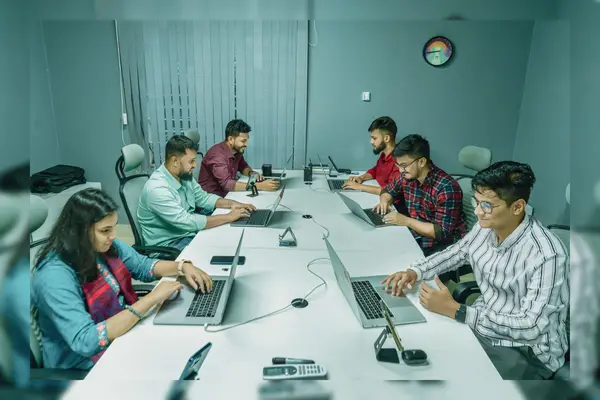
Representative image. Photograph: (Pexels)
India’s young population could become its biggest economic advantage, but creating jobs, building skills and increasing workforce participation will decide whether India turns demographics into long-term growth.
For years, India’s young population has been described as the country’s biggest economic advantage — a workforce that could fuel growth, drive innovation and help power its rise as a global economy. The numbers are compelling: nearly two-thirds of Indians are below the age of 35, giving India a demographic edge at a time when many major economies are ageing and facing worker shortages. But behind the optimism around India’s youth story is a question that will determine the country’s economic future: Can India create enough jobs, build enough skills and provide enough opportunities for the millions entering the workforce every year?
From population numbers to paycheques
The challenge ahead is not finding people willing to work. It is creating enough productive jobs for a workforce that continues to expand.
India’s services sector has produced global success stories, especially in information technology, finance and digital businesses. But a country of India’s scale needs employment opportunities across skill levels. This is where manufacturing becomes critical.
Industries such as electronics, semiconductors, electric vehicles, renewable energy and defence manufacturing are being positioned as future growth drivers. The government’s push to attract global supply chains reflects a larger ambition – to make India not just a market for global companies, but also a production hub.
The difficult part will be ensuring that investment translates into millions of jobs.
Trending Stories
)
)
)
)
)
)
)
&im=FitAndFill=(700,400))
)
)
)
)
)
)
)
&im=FitAndFill=(700,400))
)
)
)
)
)
&im=FitAndFill=(700,400))
)
)
)
)
)
)
)
)
)
)
)
)
)
)
)
)
The skills gap could decide the outcome
The jobs waiting for India’s young workforce will not look the same as the ones their parents entered. Across industries, technology is changing the way work is done, from factories using automation to companies adopting artificial intelligence tools. The shift is creating new opportunities, but it is also raising a difficult question: are India’s young workers being prepared for the jobs that are coming?
For many graduates, the challenge begins after they leave the classroom. While millions earn degrees every year, employers continue to point to a gap between academic qualifications and workplace requirements. The next phase of India’s growth will depend on closing that gap by giving young workers more practical skills, industry exposure and training that matches the demands of a changing economy.
Women hold a key to India’s growth story
Another factor could significantly reshape India’s economic future: greater participation of women in the workforce. Despite improvements in education, many women remain outside formal employment. Creating conditions that make work more accessible, from safer workplaces and better transport to childcare support and flexible jobs, could unlock a major source of economic growth.
India’s demographic advantage has given it a rare opportunity. But the window will not remain open forever. The young population is already here. The next challenge is making sure the economy is ready for it. Because India’s future will not be decided by how many young people it has, but by how many of them can become skilled workers, entrepreneurs and contributors to growth.
Watch | Indian PM Modi visited the iconic Melbourne Cricket Ground

