Why did FSSAI ban the sale of Old Monk, Antiquity Blue and other liquor brands?

&imwidth=600&imheight=450&format=webp&quality=medium "Why did FSSAI ban the sale of Old Monk, Antiquity Blue and other liquor brands?")
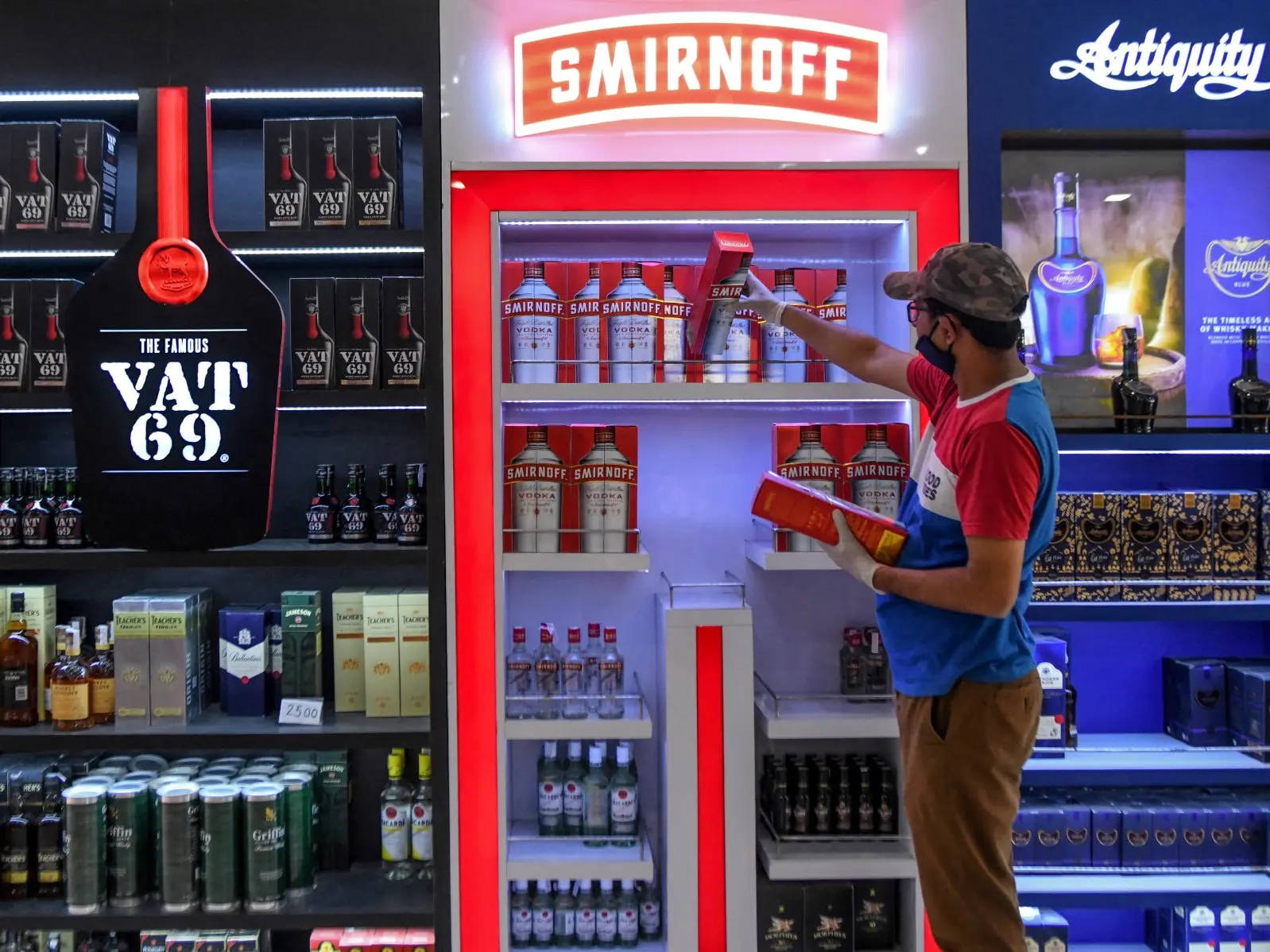
A worker displays alcohol bottles at a liquor shop Photograph: (AFP)
FSSAI has banned the sale of select liquor brands, including Old Monk and Antiquity Blue, after finding artificial flavouring substances that violate manufacturing standards.
Indian food safety regulator FSSAI has prohibited the sale of certain liquor brands, including Old Monk, Antiquity Blue Whisky, Royal Challenger Whisky, Bagpiper Deluxe Whiskey, and Old Cask Deluxe XXX Rum, after finding it contained artificial flavouring substances that violate the prescribed manufacturing standards.
The ban covers companies such as Diageo's Antiquity Blue Whisky and Royal Challenge Whisky manufactured in Madhya Pradesh and McDowell’s No 1 Rum made in western Maharashtra, Bagpiper Deluxe Whisky and Old Cask Deluxe XXX Rum produced by India's Inbrew Beverages in Madhya Pradesh and three variants of Old Monk produced by Mohan Rocky Springwater in Maharashtra.
India is one of the largest alcohol markets, with estimated annual sales of over $40 billion. Diageo's subsidiary United Spirits Limited (USL) is India's largest alcohol company by market share. While Inbrew Beverages is the third-largest alcohol company, just behind French multinational Pernod Ricard India.
Why did FSSAI ban the sale of certain brands?
The FSSAI found that the products investigated were “sub-standard due to the presence of external artificial or nature-identical flavours in the product.” FSSAI said that it allows the use of natural flavouring substances on alcohol, but some Diageo and Inbrew factories were adding the flavour of the alcoholic beverage to the alcohol itself, i.e., adding rum flavour to rum.
Trending Stories
&im=FitAndFill=(700,400))
)
)
)
)
)
)
)
)
&im=FitAndFill=(700,400))
)
)
)
)
)
)
)
)
)
)
)
)
)
)
)
)
&im=FitAndFill=(700,400))
&im=FitAndFill=(700,400))
)
)
)
)
)
)
“There is no internationally recognised manufacturing practice whereby rum flavour is added to rum or whisky flavour is added to whisky,” said FSSAI in a statement as reported by Reuters. The FSSAI raised concern that such practices would bypass the process of maturation and the use of natural ingredients such as molasses, malt, or grapes.
Reuters reported that two anonymous senior industry executives said that they were concerned about the order, as the practices were in line with India's regulations. It is not clear if the ban extends to the same brands produced by other companies or in other states.