When will petrol and diesel get cheaper in India? Modi government's petroleum minister Hardeep Puri drops BIG HINT

&imwidth=600&imheight=450&format=webp&quality=medium "When will petrol and diesel get cheaper in India? Modi government's petroleum minister Hardeep Puri drops BIG HINT")
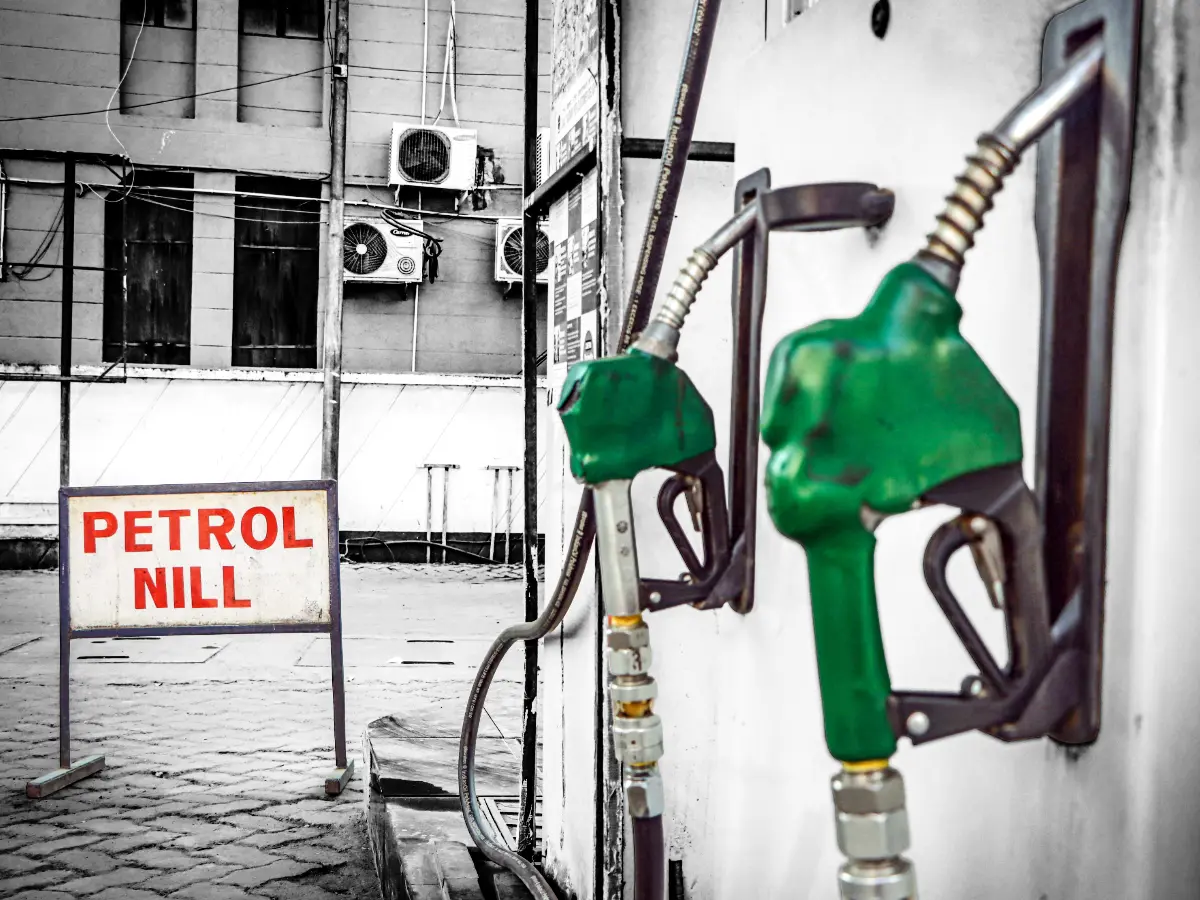
After LPG relief, are cheaper petrol and diesel next? Govt responds Photograph: (WION Web Desk)
Will petrol and diesel prices finally come down after months of pain at the pump? As global crude prices slide towards $71 a barrel, Petroleum Minister Hardeep Singh Puri has dropped a major hint. Scroll down to find out what he said.
With global crude oil prices falling after months of volatility, a question many Indian consumers have been asking: will petrol and diesel prices come down? Union Petroleum and Natural Gas Minister Hardeep Singh Puri on Thursday (Jul 3) suggested that the possibility cannot be ruled out, though he stopped short of promising an immediate reduction. Here's all you need to know.
What did the Modi government say about reducing petrol and diesel prices?
Addressing a press conference on Thursday, Puri said, "If crude prices remain at these levels for the next few weeks, cutting petrol and diesel prices will be a legitimate question that everybody asks."
At the same time, the minister cautioned against reading too much into current market conditions. "What the situation will be then, it is not right for me to speculate," he added.
Why prices may not fall immediately
Trending Stories
&imwidth=280&imheight=210&format=webp&quality=medium)
&imwidth=280&imheight=210&format=webp&quality=medium)
&imwidth=280&imheight=210&format=webp&quality=medium)
&imwidth=280&imheight=210&format=webp&quality=medium)
&imwidth=280&imheight=210&format=webp&quality=medium)
&imwidth=280&imheight=210&format=webp&quality=medium)
&imwidth=280&imheight=210&format=webp&quality=medium)
&imwidth=280&imheight=210&format=webp&quality=medium)
&imwidth=280&imheight=210&format=webp&quality=medium)
&imwidth=280&imheight=210&format=webp&quality=medium)
&imwidth=280&imheight=210&format=webp&quality=medium)
&imwidth=280&imheight=210&format=webp&quality=medium)
&imwidth=280&imheight=210&format=webp&quality=medium)
&imwidth=280&imheight=210&format=webp&quality=medium)
&imwidth=280&imheight=210&format=webp&quality=medium)
&imwidth=280&imheight=210&format=webp&quality=medium)
&imwidth=280&imheight=210&format=webp&quality=medium)
&imwidth=280&imheight=210&format=webp&quality=medium)
&imwidth=280&imheight=210&format=webp&quality=medium)
&im=FitAndFill=(700,400)&imwidth=280&imheight=210&format=webp&quality=medium)
&im=FitAndFill=(700,400)&imwidth=280&imheight=210&format=webp&quality=medium)
&im=FitAndFill=(700,400)&imwidth=280&imheight=210&format=webp&quality=medium)
&imwidth=280&imheight=210&format=webp&quality=medium)
&imwidth=280&imheight=210&format=webp&quality=medium)
&imwidth=280&imheight=210&format=webp&quality=medium)
&imwidth=280&imheight=210&format=webp&quality=medium)
&imwidth=280&imheight=210&format=webp&quality=medium)
&imwidth=280&imheight=210&format=webp&quality=medium)
&imwidth=280&imheight=210&format=webp&quality=medium)
&imwidth=280&imheight=210&format=webp&quality=medium)
&imwidth=280&imheight=210&format=webp&quality=medium)
&imwidth=280&imheight=210&format=webp&quality=medium)
&imwidth=280&imheight=210&format=webp&quality=medium)
&im=FitAndFill=(700,400)&imwidth=280&imheight=210&format=webp&quality=medium)
&imwidth=280&imheight=210&format=webp&quality=medium)
Puri's comments came with an important caveat. According to the minister, India's oil marketing companies have been absorbing massive losses to shield consumers from international energy shocks.
He revealed that state-run fuel retailers had accumulated losses and under-recoveries of Rs 74,781 crore by selling petrol, diesel and LPG below market-linked costs.
"Oil marketing companies had incurred losses and under-recoveries of Rs 74,781 crore by selling petrol, diesel and LPG below cost," Puri said. "So the actual loss and under-recovery are both very high," he added.
Global oil prices fall
On Thursday, Brent crude slipped towards $71 per barrel, extending losses of more than 3 per cent over the previous two trading sessions. This came after Qatar announced that indirect negotiations between Iran and the US had achieved “positive progress”. US benchmark West Texas Intermediate (WTI) crude was trading near $68 per barrel, continuing the downward trend.
The decline marks a significant reversal from the panic seen earlier during the conflict, when fears of supply disruptions in the Strait of Hormuz pushed oil prices sharply higher.

