Watch | India's Chandrayaan-3 makes majestic lift-off from Sriharikota

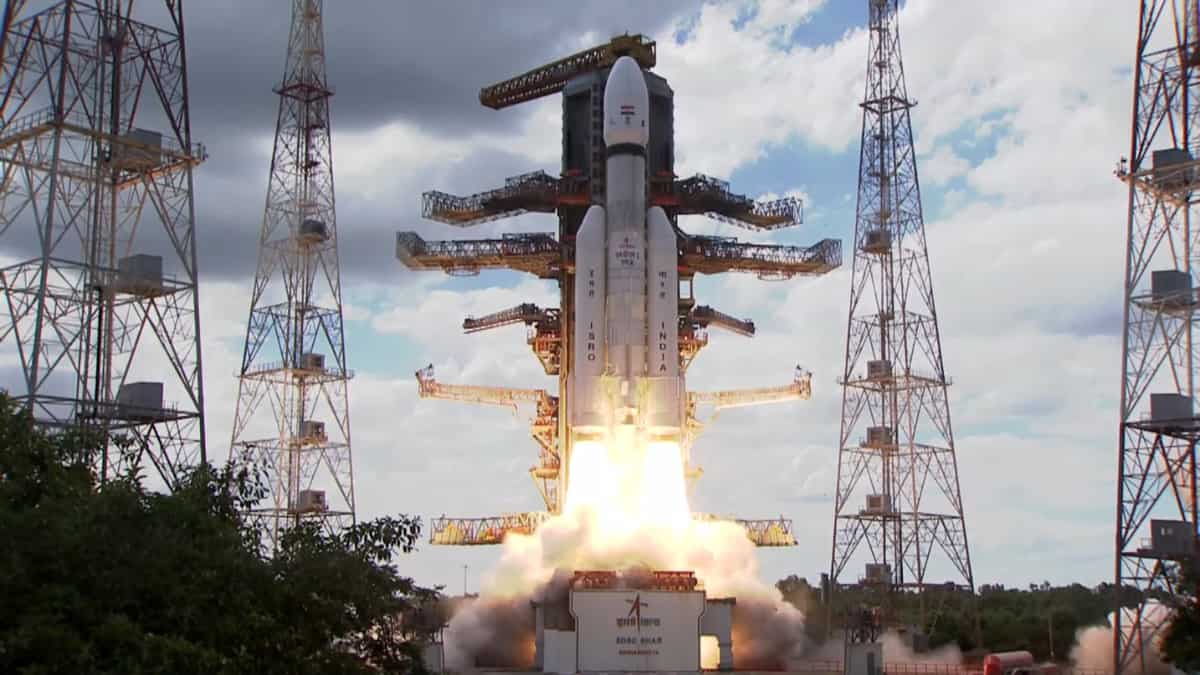
India's Chandrayaan-3 launches from Sriharikota.
The Indian Space Research Organisation (ISRO) successfully launched the Chandrayaan-3 mission from Satish Dhawan Space Centre in Sriharikota at 2:35 pm local time in its second attempt at soft landing on the surface of the moon. The journey to the moon will take around 40 days and the spacecraft is expected to land on the lunar surface byAugust 23.
If ISRO can successfully pull off this mission, India will join the exclusive list that has only three countries, the United States, the Soviet Union and China, which were able to make a soft landing on the Moon. In 2013, China emerged as the only country which succeeded in its first attempt with the Chang’e-3 mission.
The moon lander named 'Vikram' was perched on a GSLV Mark 3 heavy-lift launch vehicle, which is being called the 'Bahubali' rocket. The GSLV, which has been renamed Launch Vehicle Mark 3 (LVM-3), stands 43.5 metres tall, which is half the height of India's Qutb Minar.

ALSO READ |Chandrayaan-3: Ahead of launch, ISRO scientists and chief S Somnath seek blessings at temples
India's ‘Vikram’ to land at South Pole of the moon
For the first time,India's Vikramwill land on the moon's South Pole, where water molecules were earlier found. The world was amazed to see the findings made during the first moon mission of India in 2008.
As per the plan, Vikram should have a safe, soft landing. After that, the rover Pragyan will be released by the lander which will roam on the surface of the moon for a lunar day, which is equal to 14 Earth days, and carry out scientific experiments.
The scientists aim at analysing the lunar soil and study the surface of the moon as well as the moon quakes. The Indian Space Research Organisation (ISRO) has kept its fingers crossed since its last moon mission failed in July 2019.
"The main lacuna in the last Chandrayaan-2 mission was that there were off-nominal conditions that were initiated in the system. Everything was not nominal. And the craft was not able to handle the off-nominal condition for a safe landing," said ISRO Chief S Somnath, while speaking to NDTV.
)
The Early Spring is proof not everyone can talk about their real feelings, and it is perfectly OK
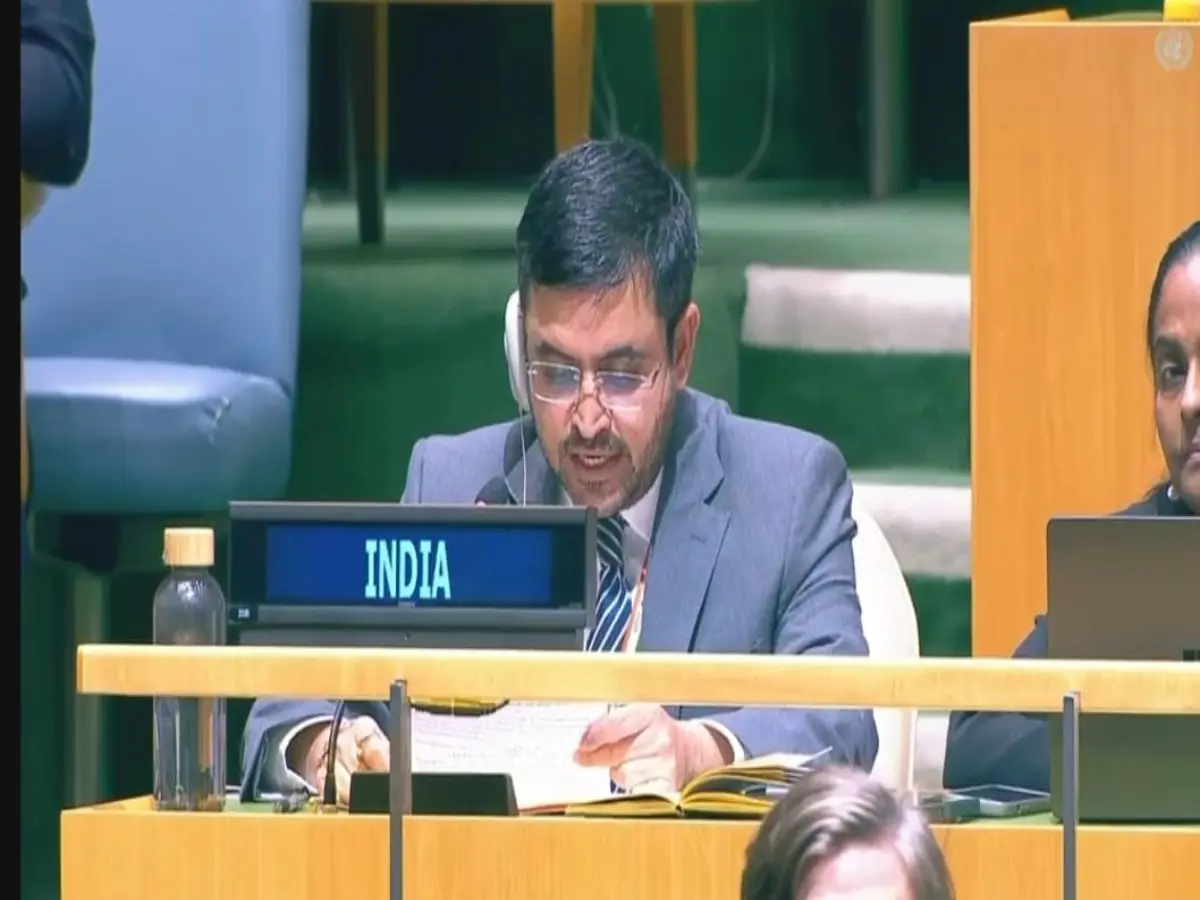)
UN votes to ‘correct the map’ as India backs fairer world view
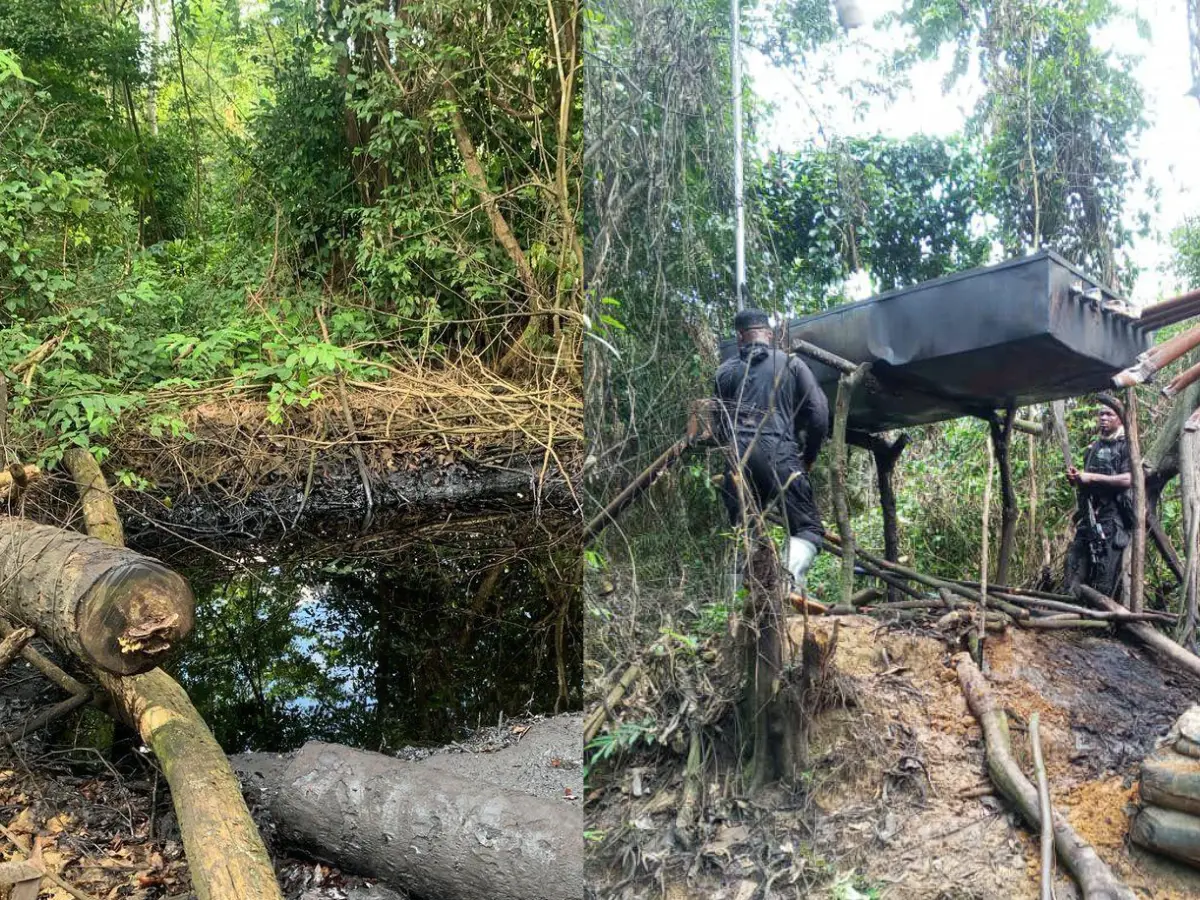)
Nigerian Navy discovers 99,000 litres of suspected stolen, illegally refined products as it intensifies anti-crude oil theft operations
)
Who is Aditi Paudel? 17-year-old becomes Japan's first literacy ambassador
)
Bengaluru: Officials find 40 kg expired chilli at chairman's club
)
Jaishankar rejects trade link to ending Ukraine war
)
Israeli strikes on Lebanon kill three, injure 23 despite truce
)
Alpine glacier was covered with sheep wool sheets to prevent melting. It worked
)
South Korea mulls deploying military assets to Strait of Hormuz
)
World's fifth-largest economy, British army can't afford to train
)
Breaking | Vance takes the podium: First White House briefing since Leavitt's exit
)
Taiwan raises 'concerns' over China's missile test
)
BRICS 2026: $1 trillion sovereign capital set to converge in Delhi for first iBRICS Summit
)
What is Iran's Pickaxe Mountain that Trump has again threatened to bomb?
)
UN votes to correct world map that visually shrank Africa for 450 years
)
Former NewJeans member Danielle launches YouTube channel, hints at new solo journey
)
Bangladesh batter Towhid Hridoy creates history with 350 not out in South Africa
)
Brendan Fraser’s transformation fuels The Mummy 4 excitement as fans welcome back Rick O’Connell
&im=FitAndFill=(700,400))
Krishna Janmashtami 2026: From Dhaniya Panjiri to Makhana Kheer- 5 best sweet dishes perfect for celebrating Lord Krishna’s birth
)
Donald Trump plans to travel to Ireland on Qatari-donated jet amid security concerns
)
Nazi-looted art to return to Jewish heirs
)
Eight killed in Kerala’s Thrissur after car rams into lorry parked on highway
&im=FitAndFill=(700,400))
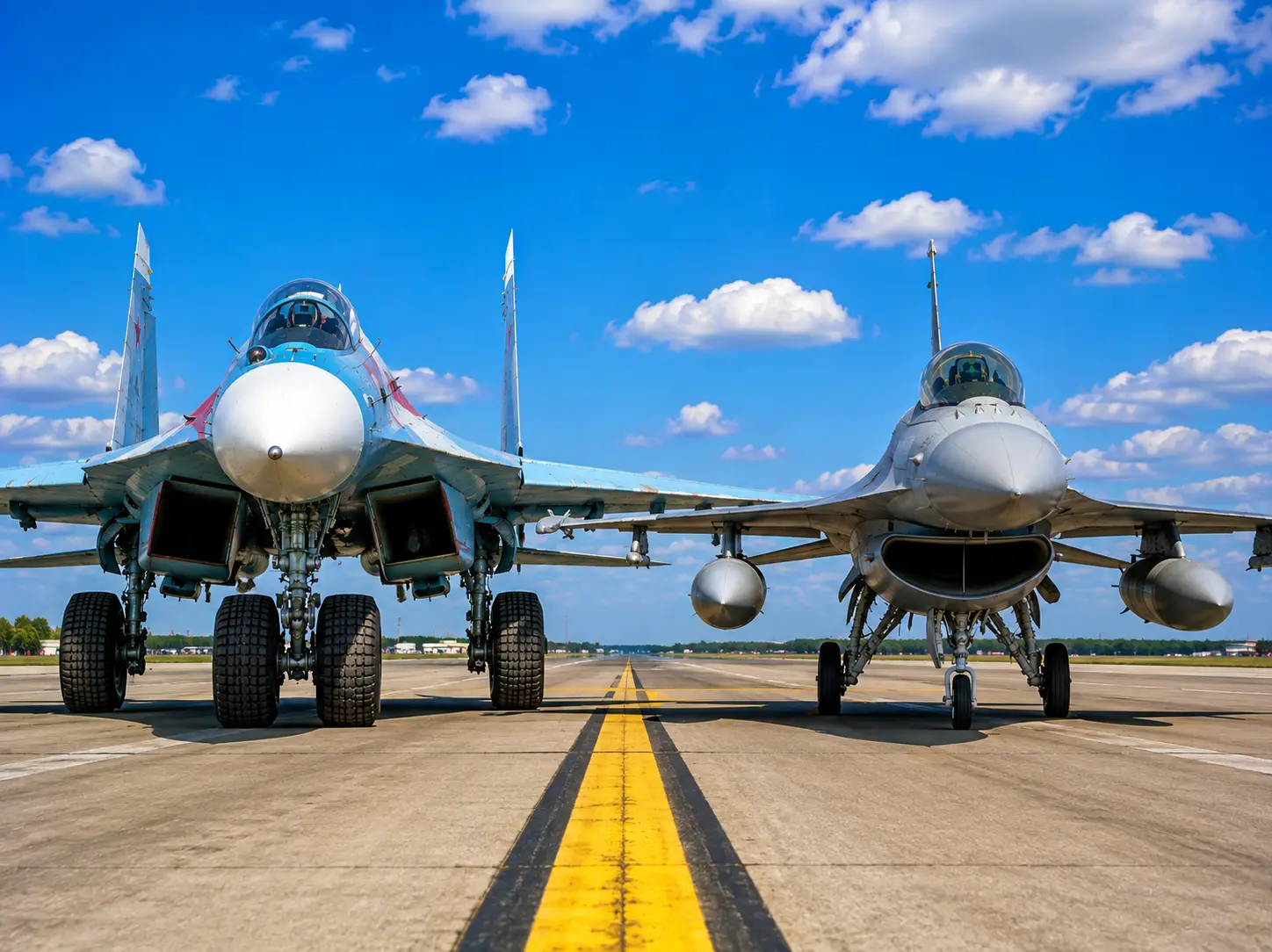
Why Russian fighter jets use bulky, low-pressure tyres compared to US jets
)
FBI-wanted fraud accused arrested in Jalandhar over $600,000 scam
&im=FitAndFill=(700,400))
Why US tanks weigh over 20 tons more than Russian tanks
&im=FitAndFill=(700,400))
New Friday OTT releases (September 4, 2026): GDN, Dhamaal 4, Jagamae Sangeetham- Watch 6 new movies and TV shows on Netflix, Prime Video and more
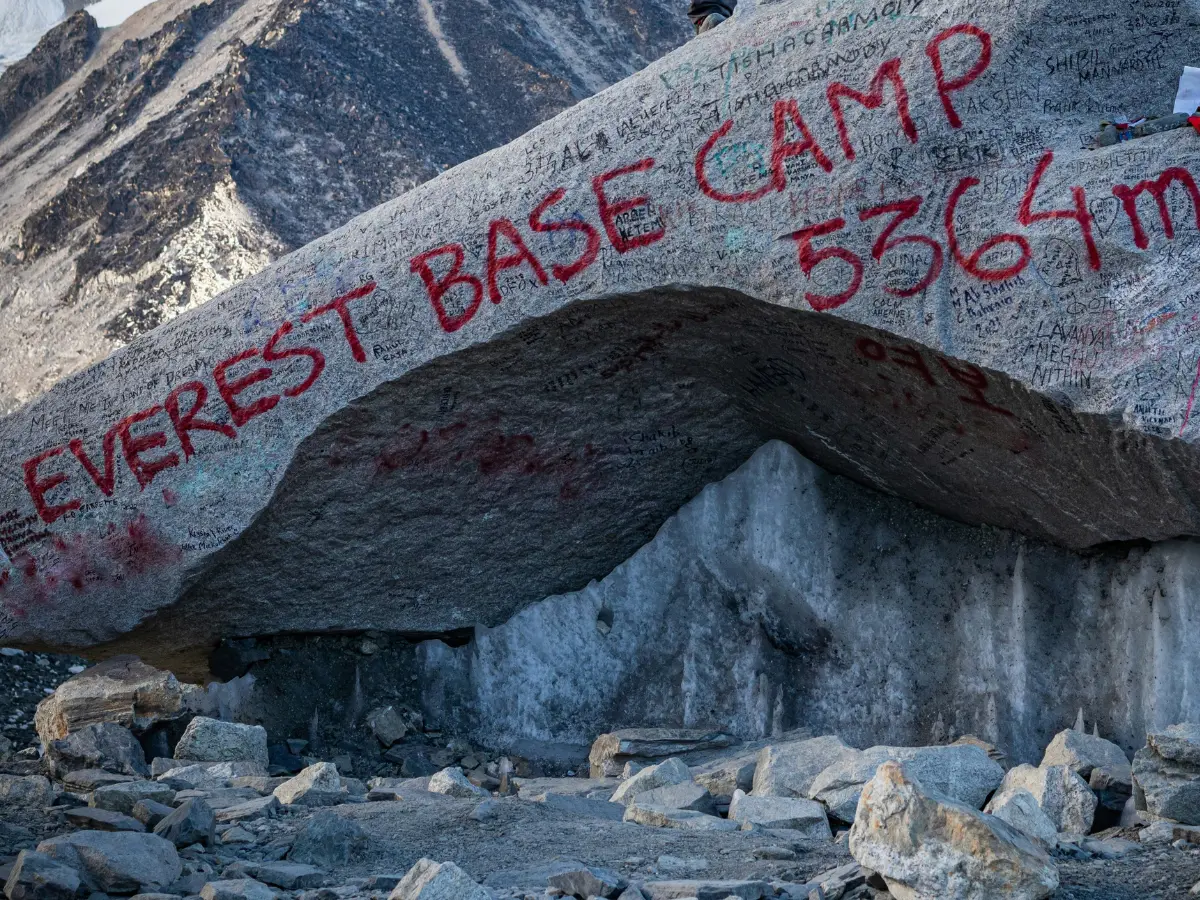)
Killing the Himalayas slowly: Human urine is melting a glacier on Mount Everest
WATCH |Chandrayaan-3 Launch: Countdown to ISRO’s third moon mission begins
ISRO has stated that it has learnt a lot from the last moon mission, updated the software and decreased the number of engines on the lander to four from five. They stated that they have rigorously tested everything.
Somanath stated that they have designed the new mission in a way to ensure it lands successfully even if some of its elements fail. ISRO has examined several scenarios like engine failure, algorithm failure, sensor failure, and calculation failure and has taken measures to counteract them.
You cannow write forwionews.comand be a part of the community. Share your stories and opinions with ushere.
WATCH WION LIVE HERE