'UN still reflects the realities of 1945, not 2025': Jaishankar calls for urgent reform

&imwidth=600&imheight=450&format=webp&quality=medium "'UN still reflects the realities of 1945, not 2025': Jaishankar calls for urgent reform")
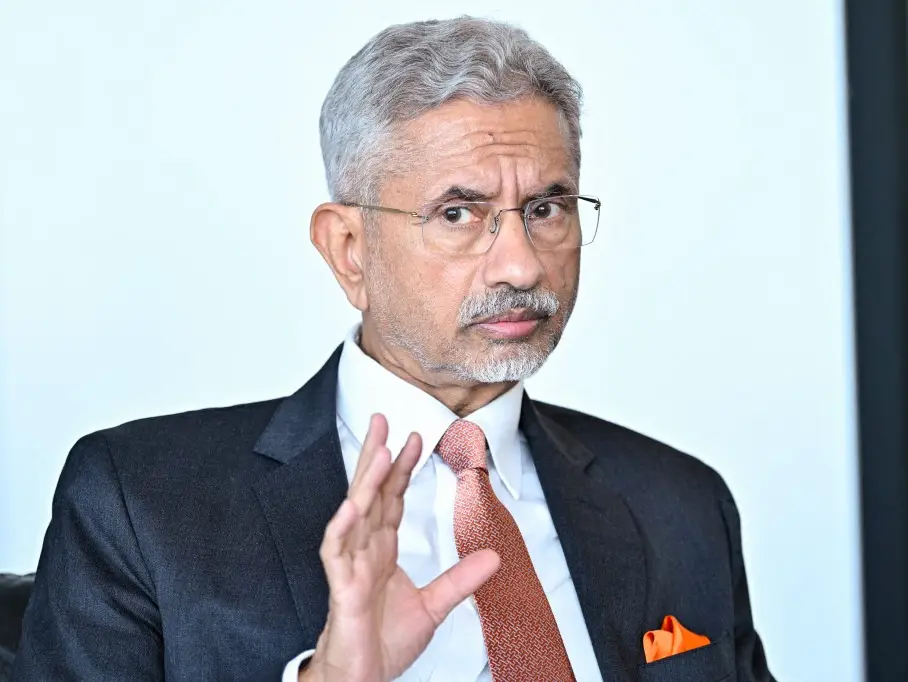
File photo Photograph: (AFP)
India’s External Affairs Minister S. Jaishankar highlights the urgent need for UN reforms, emphasising inclusivity, Global South representation, and the evolving role of peacekeeping at UNTCC 2025 in New Delhi.
Speaking at the United Nations Troop Contributing Countries’ (UNTCC) Chiefs Conclave 2025, India's External Affairs Minister S Jaishankar noted that the United Nations continues to reflect the realities of 1945, rather than those of 2025. The Indian army is hosting senior leaders from 32 troop contributing nations, along with senior United Nations officials, for three days in the Manekshaw Centre in New Delhi.
Elaborating on Indian peacekeeping philosophy, Jaishankar said India's peacekeeping is based on its civilisation ethos. Drawing upon the Indian interpretation of universalism, he said that, “We see the world as one family, a vision enshrined in the timeless phrase 'Vasudhaiva Kutumbakam'. This is not just cultural wisdom, but an outlook that anchors our worldview”.
He also asserted that there is an urgent need for reform. He said that after eight long decades, the institution is lagging behind on adapting to changes and is at risk of becoming obsolete.
"Institutions that fail to adapt risk irrelevance, not just irrelevance, but eroding legitimacy, leaving us without recourse in times of uncertainty," he said.
He also urged that the UN's credibility depends on amplifying the voice of the Global South or the developing world. He highlighted that eventhough many nations support the expansion of the permanent and non-permanent members, the historical injustice continues because 'the process of reform is being used to derail the agenda'.
“Let me honour today the more than 4,000 UN and 182 Indian peacekeepers who have made the ultimate sacrifice in the line of duty” said Jaishankar. He added that peacekeeping forces have become an important instrument of the UN functions, eventhough it was not part of the original UN design.
Trending Stories
&imwidth=280&imheight=210&format=webp&quality=medium)
&im=FitAndFill=(700,400)&imwidth=280&imheight=210&format=webp&quality=medium)
&imwidth=280&imheight=210&format=webp&quality=medium)
&imwidth=280&imheight=210&format=webp&quality=medium)
&imwidth=280&imheight=210&format=webp&quality=medium)
&imwidth=280&imheight=210&format=webp&quality=medium)
&imwidth=280&imheight=210&format=webp&quality=medium)
&imwidth=280&imheight=210&format=webp&quality=medium)
&imwidth=280&imheight=210&format=webp&quality=medium)
&imwidth=280&imheight=210&format=webp&quality=medium)
&imwidth=280&imheight=210&format=webp&quality=medium)
&imwidth=280&imheight=210&format=webp&quality=medium)
&imwidth=280&imheight=210&format=webp&quality=medium)
&im=FitAndFill=(700,400)&imwidth=280&imheight=210&format=webp&quality=medium)
&imwidth=280&imheight=210&format=webp&quality=medium)
&imwidth=280&imheight=210&format=webp&quality=medium)
&imwidth=280&imheight=210&format=webp&quality=medium)
&imwidth=280&imheight=210&format=webp&quality=medium)
&imwidth=280&imheight=210&format=webp&quality=medium)
&imwidth=280&imheight=210&format=webp&quality=medium)
&imwidth=280&imheight=210&format=webp&quality=medium)
&imwidth=280&imheight=210&format=webp&quality=medium)
&imwidth=280&imheight=210&format=webp&quality=medium)
&imwidth=280&imheight=210&format=webp&quality=medium)
&imwidth=280&imheight=210&format=webp&quality=medium)
&im=FitAndFill=(700,400)&imwidth=280&imheight=210&format=webp&quality=medium)
&imwidth=280&imheight=210&format=webp&quality=medium)
&imwidth=280&imheight=210&format=webp&quality=medium)
&imwidth=280&imheight=210&format=webp&quality=medium)
&imwidth=280&imheight=210&format=webp&quality=medium)
&imwidth=280&imheight=210&format=webp&quality=medium)
&imwidth=280&imheight=210&format=webp&quality=medium)
&imwidth=280&imheight=210&format=webp&quality=medium)
&imwidth=280&imheight=210&format=webp&quality=medium)
&imwidth=280&imheight=210&format=webp&quality=medium)
&imwidth=280&imheight=210&format=webp&quality=medium)
"The primary responsibility for the protection of civilians lies with the host state,” he added, underlining that mandates cannot be imposed without local collaboration and without consultation with the host nation.

