Three PMs, one date: The hidden message behind Buddha Purnima in India’s power play

India News: As India celebrated Buddha Purnima in 2025, it did so not just in prayer halls and monasteries, but also through a message echoing from Pokhran to PoK
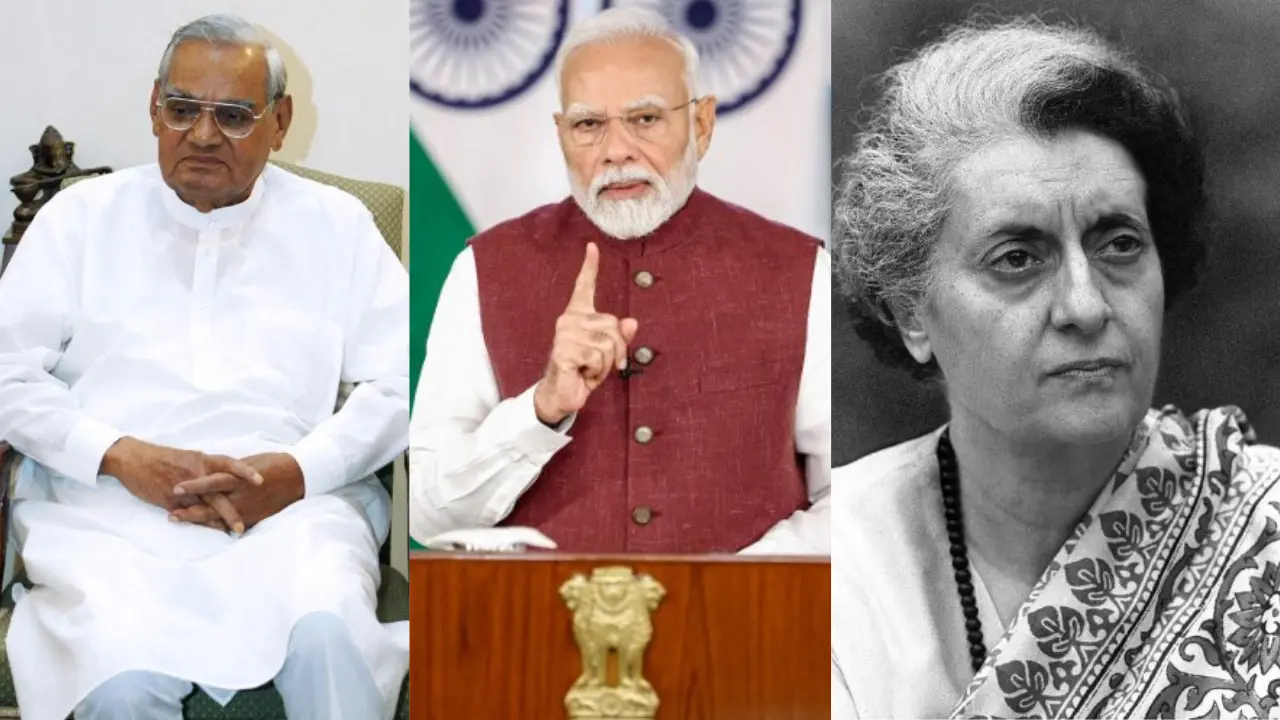
May 12, 2025 — In the long arc of India’s strategic history, few dates carry as much silent symbolism as Buddha Purnima. Traditionally, a day of peace and enlightenment, it has—curiously, deliberately—also become a canvas for India’s boldest assertions of national strength. Three iconic Prime Ministers—Indira Gandhi, Atal Bihari Vajpayee, and now Narendra Modi—have each chosen this sacred day to redefine India's place in the world.
1974: Indira Gandhi’s 'Smiling Buddha'
On May 18, 1974, as the world celebrated Buddha Purnima, India stunned the global order by conducting its first nuclear test under the codename Smiling Buddha in Pokhran, Rajasthan. The Prime Minister behind it: Indira Gandhi.

It wasn’t just a scientific milestone—it was a firm statement by India. The date of Buddha Purnima symbolizes peace to unveil the capacity for destruction was a paradox intended to provoke thought and project balance:India seeks peace, but is prepared for war.
1998: Vajpayee’s Shakti Series
Fast forward 24 years. May 11 and 13, 1998—again around Buddha Purnima—Former Prime MinisterAtal Bihari Vajpayee authorised a series of nuclear tests, famously named Operation Shakti. Once again, the world watched as India reasserted its nuclear doctrine, this time with greater political confidence and technological sophistication.
)
Did India risk its US trade deal despite softer stance at BRICS?
)
First naval drone battle? Ukraine says Sargan 3000 sank Russian unmanned boat
)
Practical Magic 2 breaks Spidey spell over North American box office
)
'Huge destructive power': North Korea calls its latest missile launches 'live-fire drill' even as US dismisses 'immediate threat'
&im=FitAndFill=(700,400))
Meet top 5 batters fastest to 3000 runs in T20Is
)
‘Let’s go’: Newly declassified videos show dramatic rescue of US Air Force officers downed in Iran
)
Delhi’s balancing act: BRICS serves as a stage for West Asia diplomacy
&im=FitAndFill=(700,400))
Why European Meteor missiles use ramjet engines compared to standard US solid rockets
)
‘India did extremely well’: South African President Cyril Ramaphosa praises BRICS leadership
)
Iran, India agree to deepen humanitarian and political ties, President Pezeshkian says
)
‘Want to reset ties with India, have engagement based on mutual interests,’ says Bangladesh minister
)
Trump says Canada eager to reach a deal, it could come ‘fairly soon’ if Ottawa treats US farmers better
)
Turkish Airlines plane flies through a storm three times, triggering severe turbulence
&im=FitAndFill=(700,400))
Why Chinese PL-15 air-to-air missiles use dual-pulse motors compared to European interceptors
)
800 million years old - Scientists discover 'fingerprints' of supercontinent Gondwana in ancient rocks
)
Russia proposes to build 360 kmph Ivolga FG trains in India: What happened on sidelines of BRICS
)
China discovers vast gold and silver 'mine' in the Pacific with unheard-of deposits
)
Russian drone hits Warsaw-bound train near Polish border, Zelensky accuses Moscow of ‘deliberate’ targeting
)
War is making Russia stronger? How Ukraine is shaping Moscow’s next generation of weapons
)
NEET-UG to move to computer-based test soon, NTA DG says ‘CBT is the future’
)
Woman removes all her clothes on American Airlines flight, performs 'indecent acts'; arrested
)
Liam Neeson sparks romance rumours after holding hands with Stella Stocker at TIFF 2026
&im=FitAndFill=(700,400))
New OTT releases this week (September 14-20, 2026): Lust Stories 3, Waiting Hai, Irumudi- 5 new titles coming on Netflix, Prime Video and more
)
Indian importers urge Bangladesh to lift export ban on 'Hilsa' fish ahead of Durga Puja
)
Did China give Iran intel before US base strike that killed 3 troops? Trump says, 'You’re right...'
)
Baba Vanga's first prophecy for 2027 is out, and straight out of science fiction
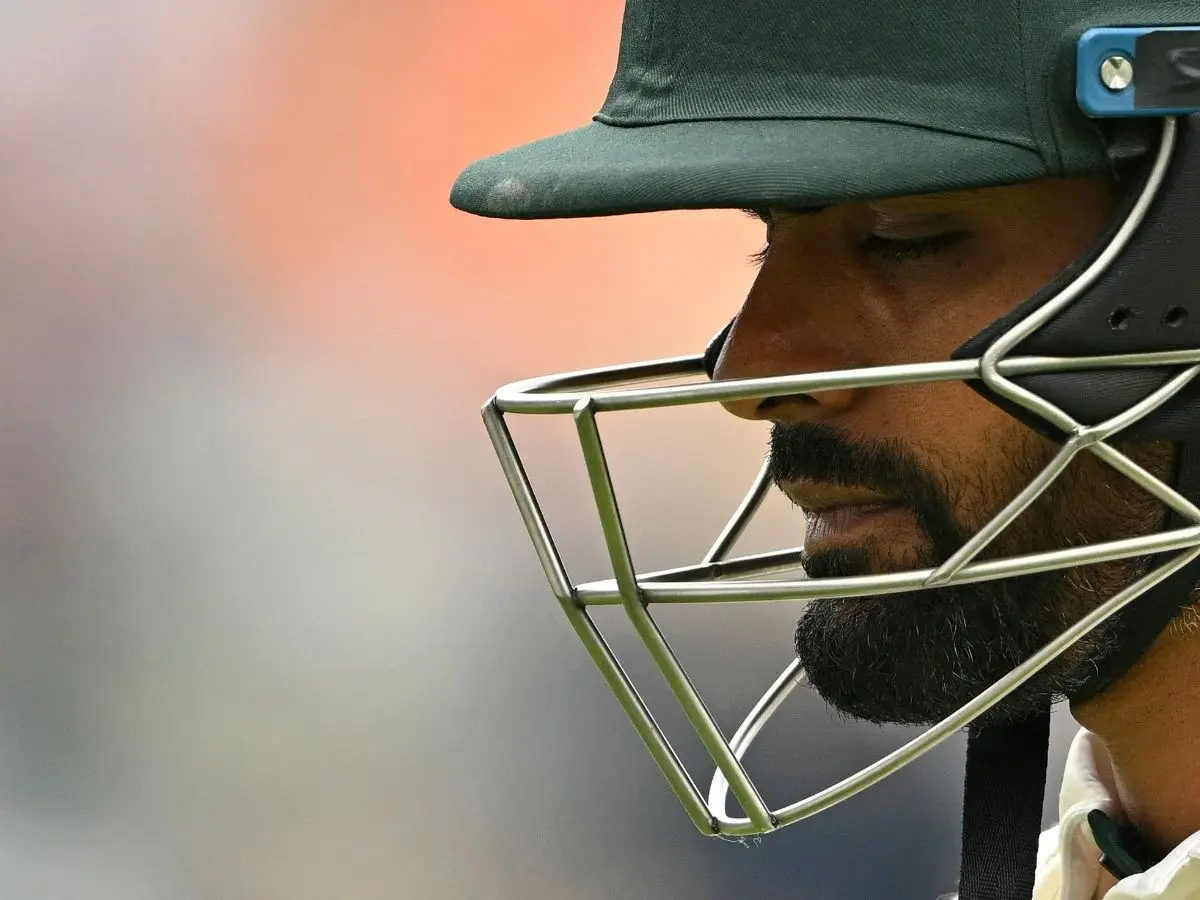)
Akram, Afridi, Mushtaq tear into PCB after Pakistan’s Test series collapse in UK
&im=FitAndFill=(700,400))
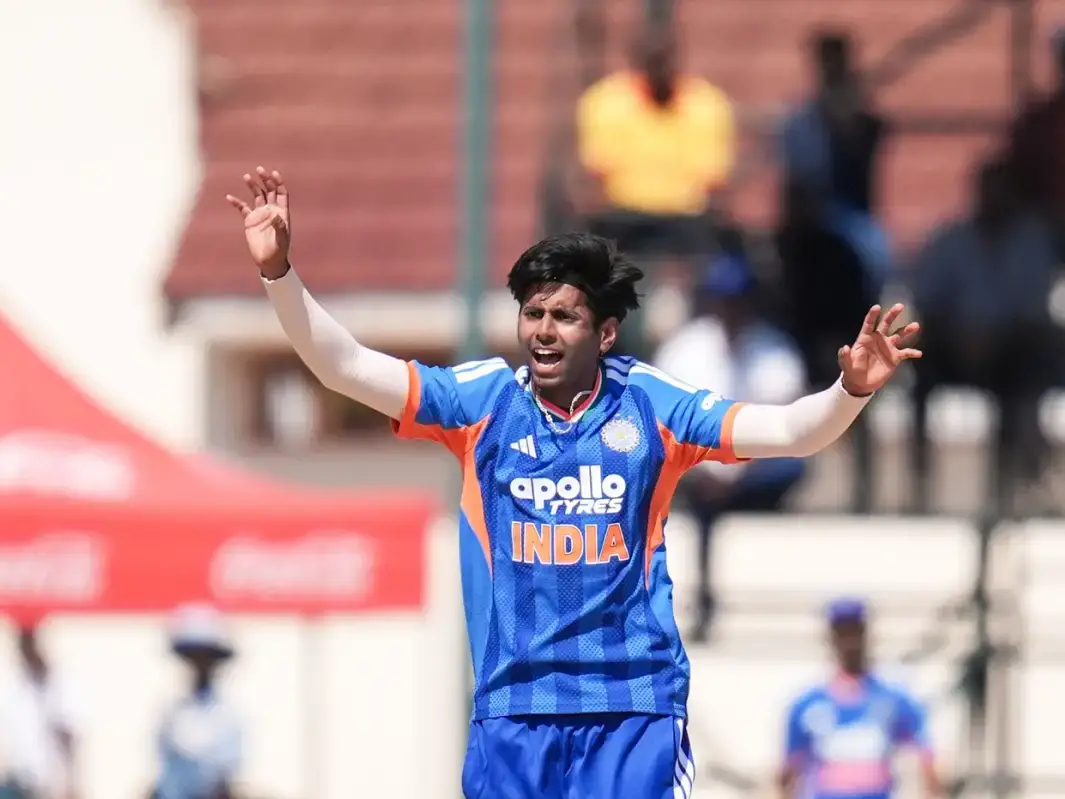
From Rinku Singh to Mayank Yadav, 5 players dropped from India’s squad for Afghanistan T20Is
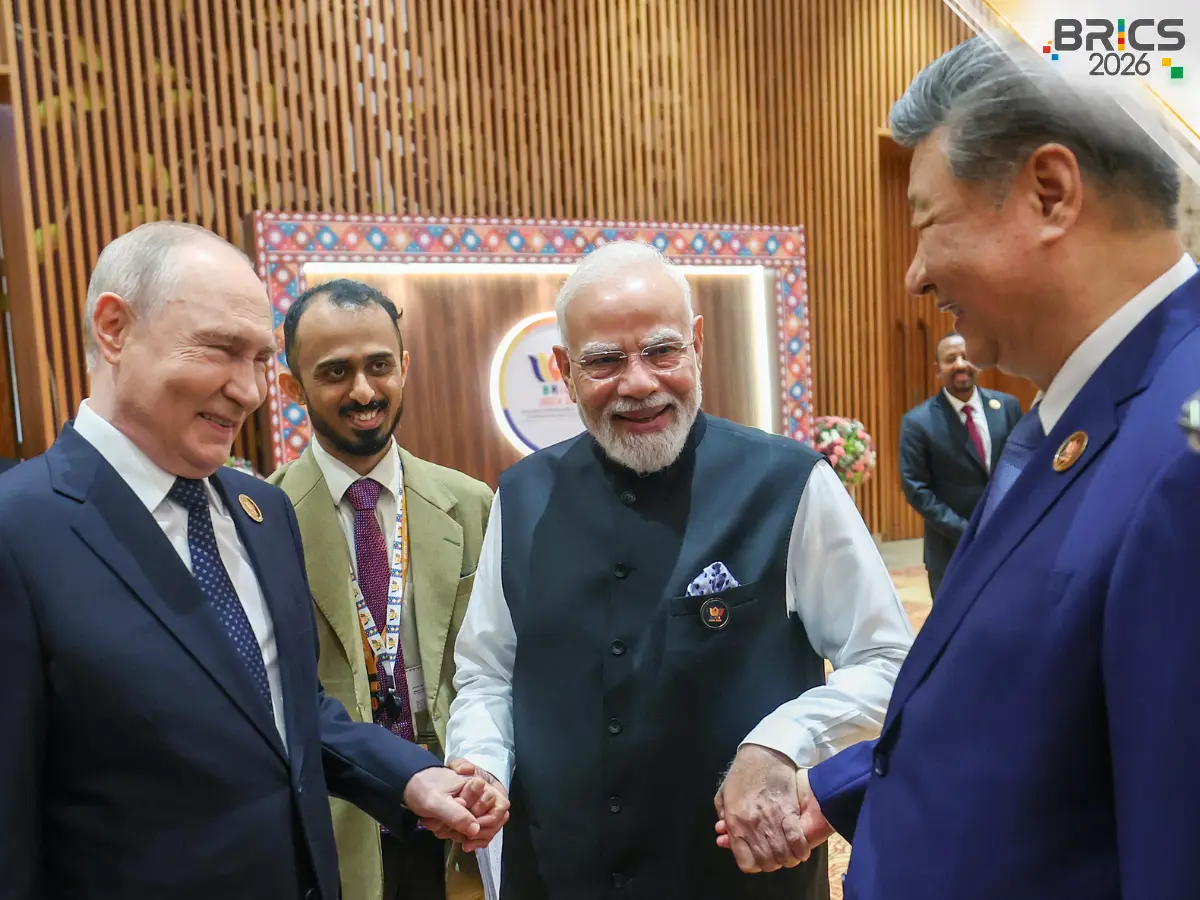)
PM Modi and China's Xi offered to help resolve Russia-Ukraine war: Kremlin
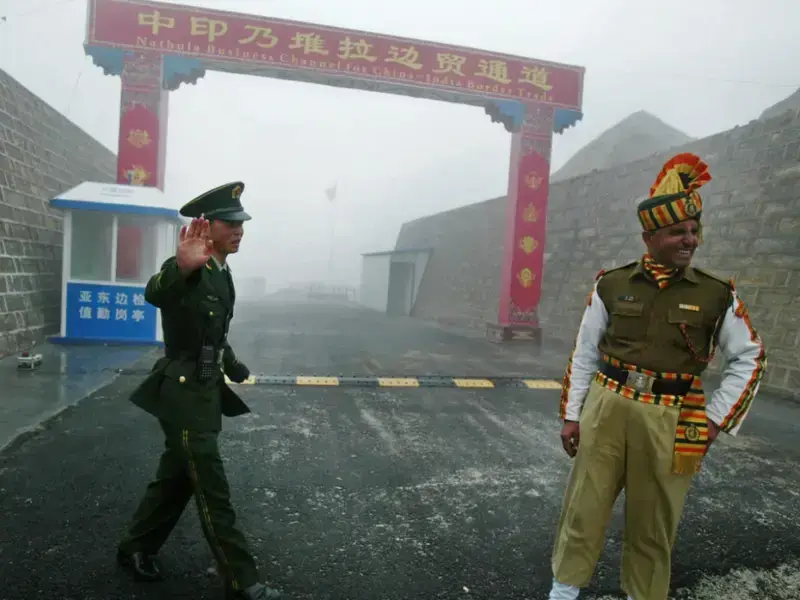)
China thinned Himalayan troop presence in 2025, India defence report says; terms border situation 'stable'
)
Humans may lose control of AI: Anthropic CEO calls for slowdown, Altman, Musk back him
Vajpayee’s choice of date wasn’t just logistical—it was ideological. In a letter to President Clinton, he cited the regional threat from Pakistan and China, but domestically, the tests signaled strength wrapped in restraint. Echoes of Buddha’s teachings were evident in Vajpayee’s message: “We are not aggressors, but we will not be cowed.”
2025: Modi’s Operation Sindoor
Now, in 2025, Prime Minister Narendra Modi adds a third chapter to this tradition. OnBuddha Purnima, he addressed the nation after the successful execution of Operation Sindoor—a precision military strike on terror camps in Pakistan-occupied Kashmir and Pakistan following the Pahalgam terror attack. The operation, launched on May 7, neutralised over 100 militants and sent shockwaves across the region.
In his address, Modi said:“Shanti ka raasta bhi shakti se hokar hi jaata hai.”(“Even the path to peace must go through strength.”)
Like his predecessors, Modi invoked the language of peace while wielding the tools of power. The timing, again, was not coincidence—it was a deliberate continuation of a national tradition: asserting strength on a day that honors peace.
The thread that binds
All three Prime Ministers — Gandhi, Vajpayee, and Modi — represent different eras, and politics. But through Buddha Purnima, they are linked by a strategic instinct: to demonstrate that India’s pursuit of peace is never to be mistaken for weakness.
Three leaders. Three moments. One message.
As India celebrated Buddha Purnima in 2025, it did so not just in prayer halls and monasteries, but also through a message echoing from Pokhran to PoK:
Peace, yes. But peace backed by power.

