Tejas fighter jet crash at Dubai air show: Why the jet entered a negative-G manoeuvre before the crash | Explained

&imwidth=600&imheight=450&format=webp&quality=medium "Tejas fighter jet crash at Dubai air show: Why the jet entered a negative-G manoeuvre before the crash | Explained")
Tejas fighter jet crash at Dubai air show Photograph: (Dubai Media Office)
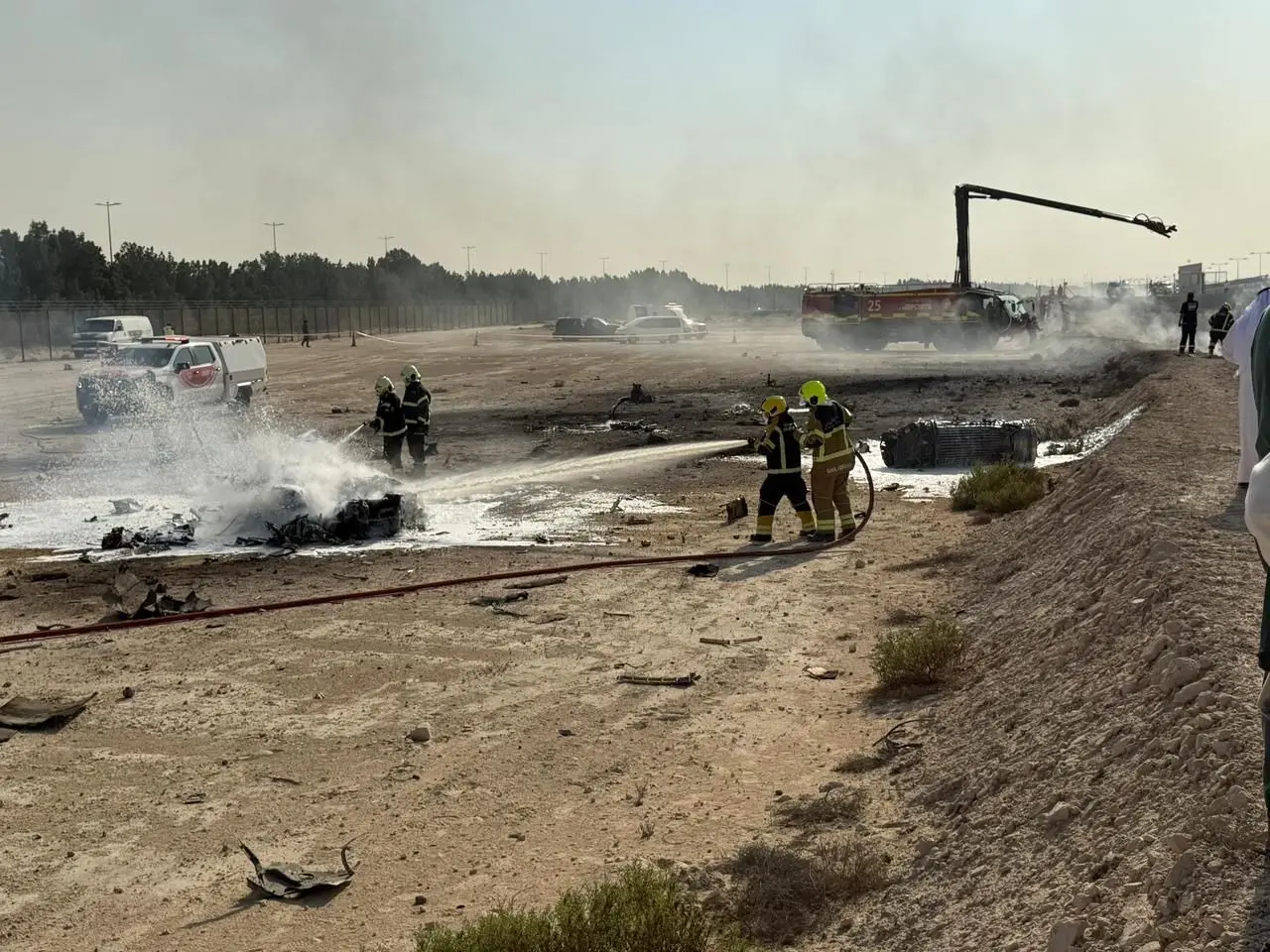
A Tejas fighter jet crashed at Dubai air show during a negative-G manoeuvre on Friday (November 21), which left the pilot dead. Initial footage shows sudden altitude loss during loop recovery
A Light Combat Aircraft (LCA) Tejas taking part in the Dubai air show crashed on Friday (November 21) while performing an aerobatic sequence, with early assessments by aviation analysts pointing to a negative-G turn just before impact. Specialists who reviewed videos of the display said the jet appeared to lose height rapidly as it attempted to stabilise after completing a looping manoeuvre. The Indian Air Force (IAF) later confirmed that the pilot did not survive the crash.
What happened before the Tejas fighter jet went down during Dubai air show?
Video recordings from spectators show the aircraft entering a loop and then trying to transition back to level flight. During this phase, the jet seemed to experience negative-G forces, conditions where the force acting on the aircraft is opposite to normal gravity. Such forces commonly arise during aggressive aerobatics, abrupt descents, or severe turbulence. When sustained, negative-G exposure can disrupt a pilot’s orientation and can push blood toward the head, potentially impairing vision or causing brief loss of consciousness. Fighter pilots are trained extensively to recognise and counter these physiological effects.
The Tejas involved in the Dubai crash belonged to the IAF squadron based in Sulur, Tamil Nadu, and had been operational since 2016. With the recent phasing out of the MiG-21 fleet, long considered the backbone of India’s fighter strength, the Tejas had been positioned as the upcoming mainstay of the force. Despite its expanding role, the aircraft has maintained an excellent safety record. This incident marks only the second loss of a Tejas in over twenty years of development and service. Its first crash took place in March 2024 near Jaisalmer, more than two decades after its inaugural flight in 2001.
Dubai air show crash: Understanding Tejas fighter jets' aerodynamics
Trending Stories
&imwidth=280&imheight=210&format=webp&quality=medium)
&imwidth=280&imheight=210&format=webp&quality=medium)
&imwidth=280&imheight=210&format=webp&quality=medium)
&imwidth=280&imheight=210&format=webp&quality=medium)
&imwidth=280&imheight=210&format=webp&quality=medium)
&im=FitAndFill=(700,400)&imwidth=280&imheight=210&format=webp&quality=medium)
&imwidth=280&imheight=210&format=webp&quality=medium)
&imwidth=280&imheight=210&format=webp&quality=medium)
&imwidth=280&imheight=210&format=webp&quality=medium)
&imwidth=280&imheight=210&format=webp&quality=medium)
&imwidth=280&imheight=210&format=webp&quality=medium)
&imwidth=280&imheight=210&format=webp&quality=medium)
&im=FitAndFill=(700,400)&imwidth=280&imheight=210&format=webp&quality=medium)
&imwidth=280&imheight=210&format=webp&quality=medium)
&imwidth=280&imheight=210&format=webp&quality=medium)
&imwidth=280&imheight=210&format=webp&quality=medium)
&imwidth=280&imheight=210&format=webp&quality=medium)
&im=FitAndFill=(700,400)&imwidth=280&imheight=210&format=webp&quality=medium)
&im=FitAndFill=(700,400)&imwidth=280&imheight=210&format=webp&quality=medium)
&imwidth=280&imheight=210&format=webp&quality=medium)
&imwidth=280&imheight=210&format=webp&quality=medium)
&imwidth=280&imheight=210&format=webp&quality=medium)
&imwidth=280&imheight=210&format=webp&quality=medium)
&imwidth=280&imheight=210&format=webp&quality=medium)
&im=FitAndFill=(700,400)&imwidth=280&imheight=210&format=webp&quality=medium)
&imwidth=280&imheight=210&format=webp&quality=medium)
&imwidth=280&imheight=210&format=webp&quality=medium)
&imwidth=280&imheight=210&format=webp&quality=medium)
&imwidth=280&imheight=210&format=webp&quality=medium)
&imwidth=280&imheight=210&format=webp&quality=medium)
&imwidth=280&imheight=210&format=webp&quality=medium)
&imwidth=280&imheight=210&format=webp&quality=medium)
&imwidth=280&imheight=210&format=webp&quality=medium)
&imwidth=280&imheight=210&format=webp&quality=medium)
An important design aspect of the Tejas is its deliberate aerodynamic instability, which allows it to be highly agile during combat manoeuvres. This characteristic demands a sophisticated fly-by-wire control system that constantly makes micro-adjustments to keep the aircraft stable in flight. Similar design principles are used in advanced fighters such as the American F-16, which also relies on computer-assisted stability to achieve superior manoeuvrability. As investigators probe the Dubai crash, aviation experts emphasise that only a detailed inquiry can confirm the exact chain of events. However, the incident has brought renewed attention to the extreme limits pilots push during air-show performances and the critical role of aircraft control systems in safely executing high-energy manoeuvres.

