Supreme Court to hear matter of firecracker ban in Delhi-NCR on Friday as Diwali nears

&imwidth=600&imheight=450&format=webp&quality=medium "Supreme Court to hear matter of firecracker ban in Delhi-NCR on Friday as Diwali nears")
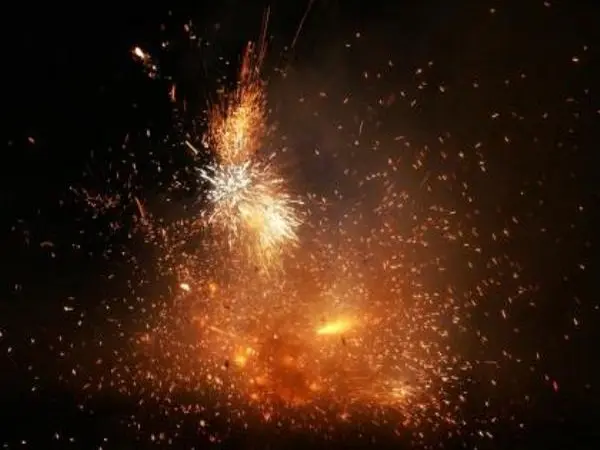
Supreme Court to hear matter of firecracker ban in Delhi-NCR on Friday as Diwali nears Photograph: (Credit: ANI)
The pollution levels rise up sharply in the Delhi-NCR region and nearby areas around the time of Diwali.
As the festival of Diwali nears, one of the biggest in India, the Supreme Court has agreed to hear the case regarding ban on firecrackers in Delhi-NCR on Friday (Oct 10). While the central government had asked for a hearing on the matter at later date in the next week, the opposition lawyer requested for the matter to be heard soon as the festival is approaching next week. Diwali is expected to be celebrated during October 20-21 in the country. Currently, there's a ban on bursting firecrackers in the Delhi-NCR because of poor air quality in the region around the festival.
Why bursting firecrackers are banned in Delhi-NCR?
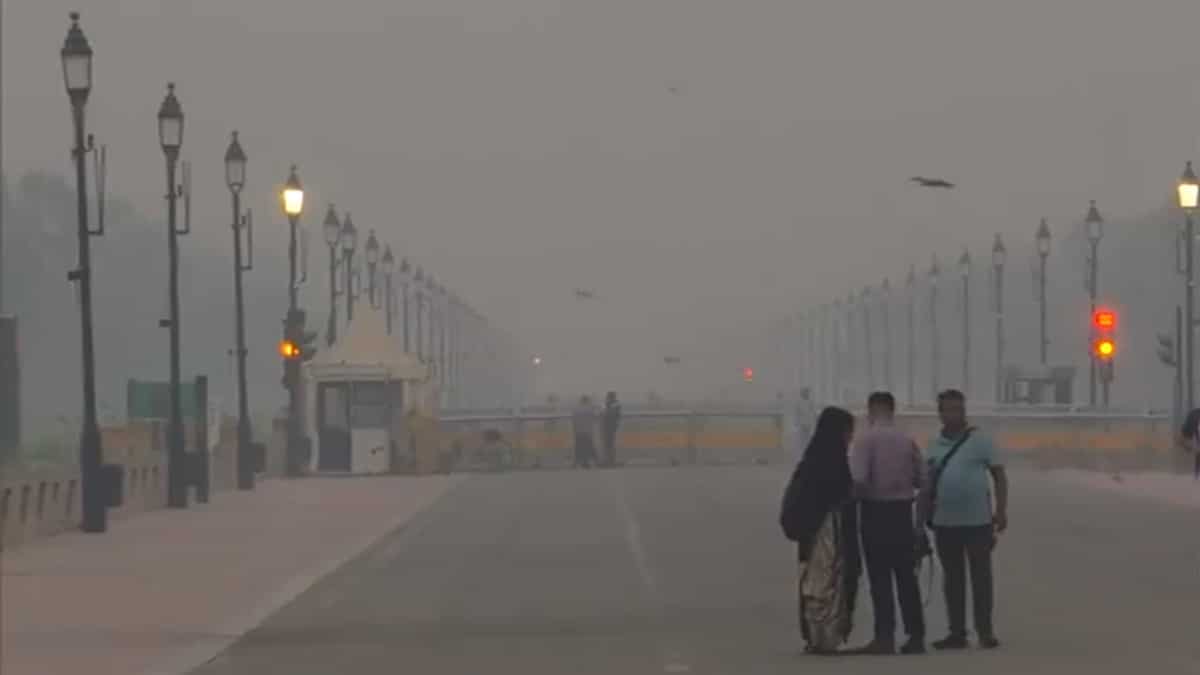
The pollution levels rise up sharply in the Delhi-NCR region and nearby areas around the time of Diwali. Bursting of firecrackers add to the already high pollution level in the region, leading to severely low air quality and poor visibility as well. The people living in the region suffer from a variety of breathing problems during the time and the poor air quality doesn't help the cause either.
The Supreme Court, to keep the air from getting drastically polluted, has banned the bursting of firecrackers in the Delhi-NCR region. There's, however, an exception given to manufacturers but only those who are certified from the National Environmental Engineering Research Institute (NEERI) and the Petroleum and Explosives Safety Organisation (PESO). The crackers although green and less polluting, can't be sold in the region as a condition set by the apex court for the manufacturers.
Why pollution rises in Delhi-NCR during Diwali time?
As winter season starts in the month of October-November, same time as Diwali occurs, the air starts getting heavy and stays close to the Earth surface as opposed to going up in the atmosphere during summer when the air is hot. The stubble burning in the fields of nearby states also brings polluting air to Delhi which is land-locked. This polluting air from stubble burning gets mixed with cold air near to Earth surface and gets coupled with vehicle pollution from millions of automotives in the region to degrade the air quality.
Trending Stories
&im=FitAndFill=(700,400))
)
)
)
)
&im=FitAndFill=(700,400))
)
)
)
)
)
)
)
)
)
)
)
&im=FitAndFill=(700,400))
)
)
)
)
)
&im=FitAndFill=(700,400))
)
)
)
)
)
&im=FitAndFill=(700,400))
)
)
)