Skyroot Aerospace becomes first Indian company to test fire a solid-fueled rocket engine

Indian space startup SkyRoot proves crucial engine technology of maiden rocket
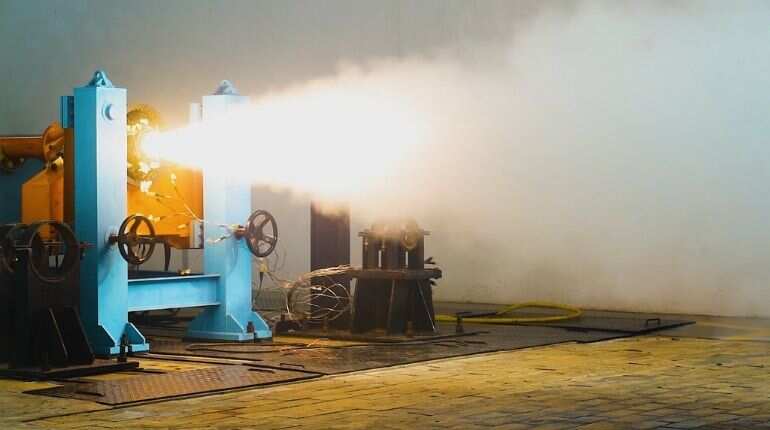
Indian Space startup, Skyroot Aerospace, has proven the crucial propulsion technology of their maiden rocket Vikram-1, with the latest test-firing of an engine. Vikram-1 rocket is powered by four engines- three solid-fuel stages and one Liquid-fuel stage that the firm has designed and developed. In August this year, the company had tested their liquid-fueled engine and now has proven the technology of the solid-fueled engine(Kalam-5), by successfully test-firing a miniature version.
Solid motors or solid-fueled engines are high thrust, low-cost rocket engines with propellant in solid form. They are highly reliable as they have very few moving parts. The Engine Testing was done at a private test facility on Dec 22nd in Nagpur owned by Solar Industries, which is India's largest explosives manufacturer and a leading Space and Defence contractor (also partner and investor in Skyroot).


Theoretically, this means that the company is close to realizing their dreams of putting together an orbital-class rocket, as its propulsion technology is the hardest to master.
A typical rocket consists of two or more stages, each of which would have its own engines(either single or packed in a cluster). Simply put, a rocket is a combination of multiple engines(stages) that are vertically stacked.
“This test demonstrates the capability of our technology for the Vikram-1 rocket. Though we have fired a scaled-down engine during this successful demonstration, it must be noted that building a smaller engine is also a complex process. This successful test firing gives us the confidence that the bigger models will succeed” Pawan K Chandana, CEO, Skyroot Aerospace told Zee Media.
)
Why asking questions could be more important than memorising answers
)
BRICS Summit 2026 full schedule: Day-wise agenda, timings and key issues - All you need to know
)
BRICS Summit 2026: Iran's Pezeshkian praises PM Modi at BRICS
)
Why dehydration is the hidden cause of travel fatigue on long flights
)
Top 5 places to visit in Goa beyond its famous beaches
)
BRICS Summit: All about Xi Jinping's armoured limousine Hongqi that will ferry him in New Delhi
)
BRICS Summit 2026: Modi-Xi meeting to test India-China reset after border tensions
)
BRICS Summit 2026: 30+ countries seek BRICS membership
)
Frustrated man demolishes his kitchen after thousands flock to see Mother Mary his wife spotted on the wall
)
Trump says Canada eager to reach a deal, it could come ‘fairly soon’ if Ottawa treats US farmers better
)
From drones to KAAN fighters: Turkey outlines 229% surge in defence spending amid regional shifts
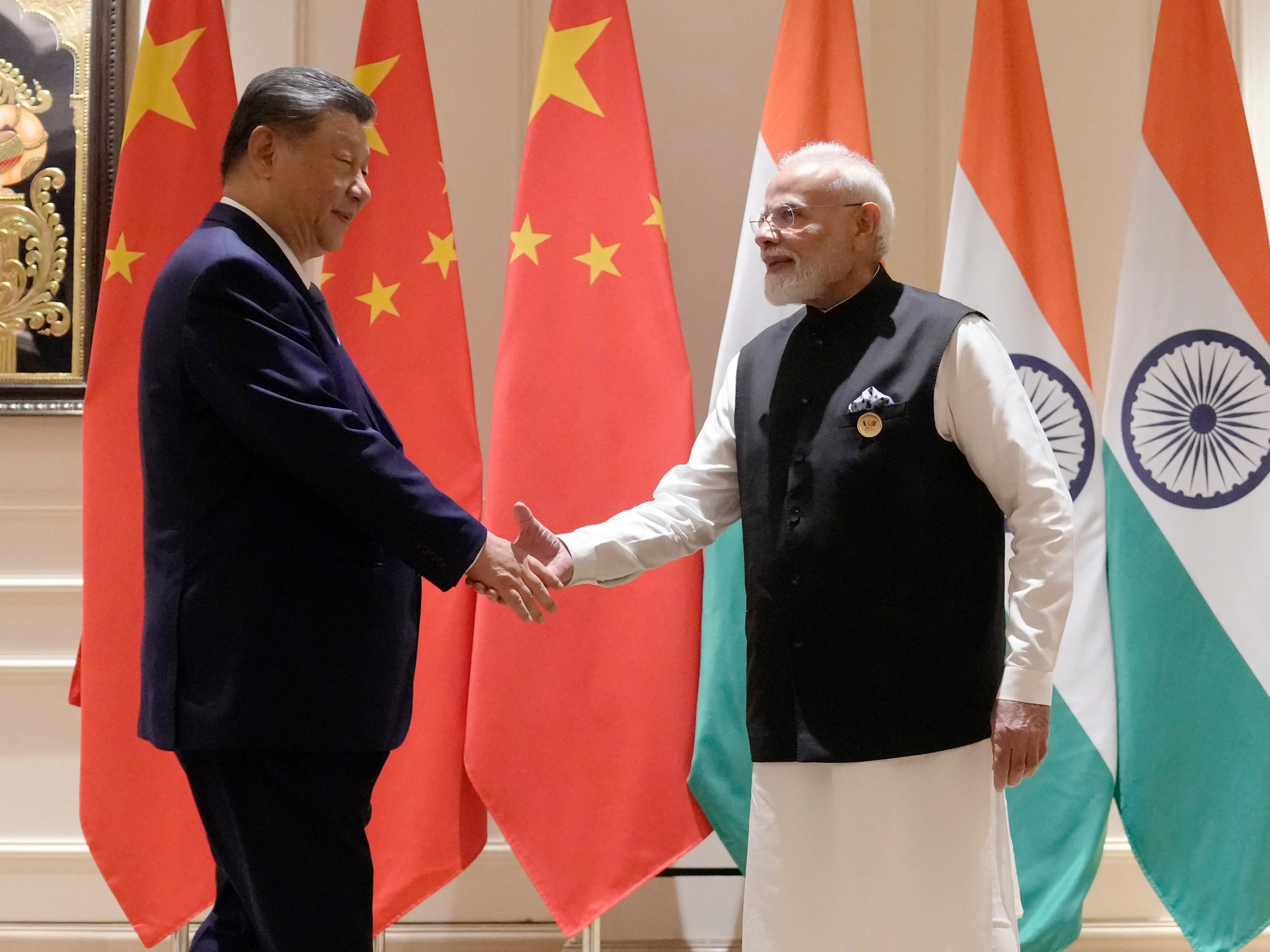)
‘Partners, not rivals’: Xi outlines four point plan for stronger India-China ties
)
Could staying indoors all day affect your health?
)
Bigg Boss 20: Uditi Singh reacts to ex Karan Wahi’s possible wildcard entry
)
Why going digital does not always mean becoming more efficient
)
800 million years old - Scientists discover 'fingerprints' of supercontinent Gondwana in ancient rocks
)
ENG vs PAK: Joe Root breaks Sachin Tendulkar’s record for most Test fifties
)
Israel spent nearly $470,000 on PM's hair, makeup since 2019, data shows
)
From severe mobility problems to recovery: Madhuri the elephant’s journey of wildlife care
)
BRICS Summit day 1: New Delhi declaration adopted with full consensus, big diplomatic win for India
)
From India, Putin warns Europe against sending troops to Ukraine, Zelensky expresses willingness to meet him at G20 Summit
)
9/11 attack anniversary: The day that changed America forever
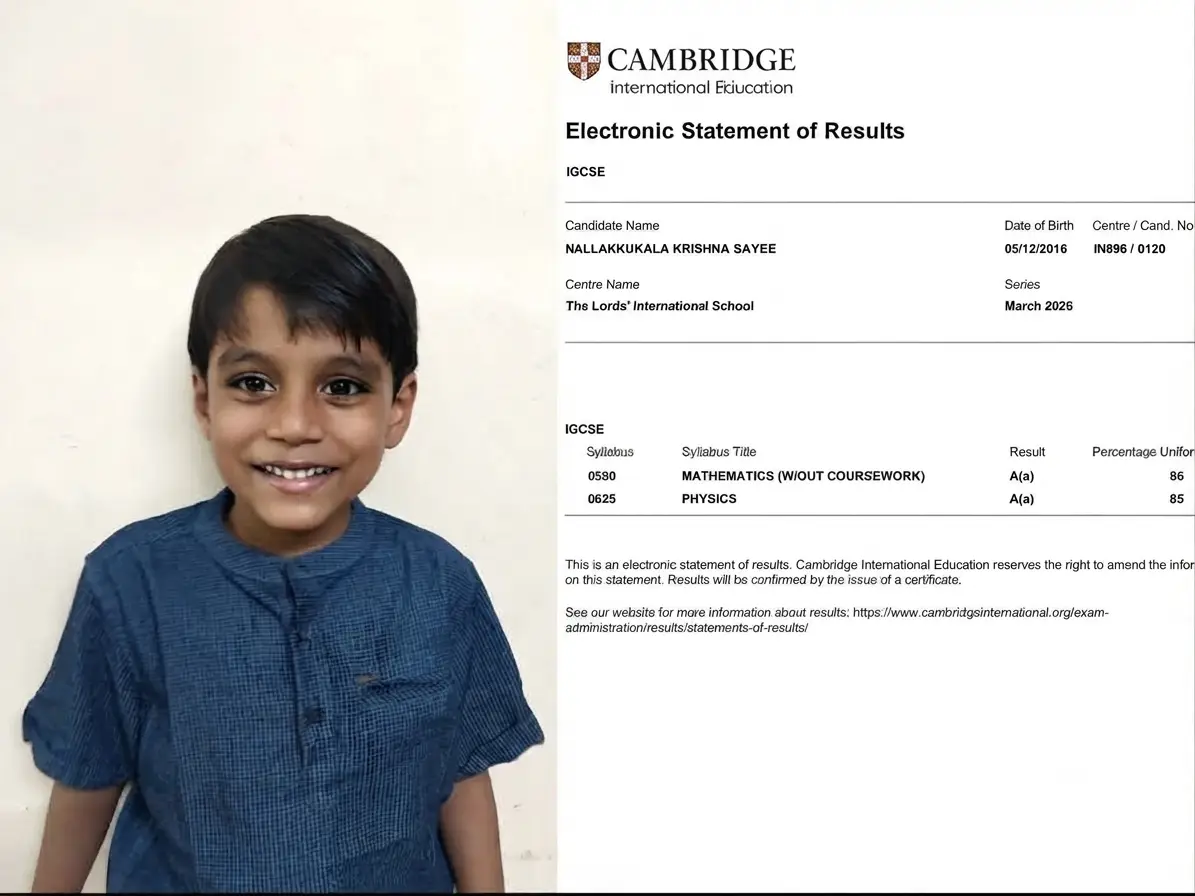)
9-year-old Chennai prodigy clears Cambridge IGCSE grade 10 exams
)
BRICS Summit 2026: PM Modi says India and Iran should pursue win-win strategy
)
Why does your body need time to adjust after a long journey?
)
Baba Vanga's first prophecy for 2027 is out, and straight out of science fiction
)
BRICS declaration calls for stronger people ties, women-led growth and greater youth cooperation
)
Why does your skin need protection from UV rays?
)
Modi, Putin, Xi ‘bromance’ goes viral as leaders captured holding hands at BRICS Summit
)
How does the loss of forests affect the way wildlife lives and moves?
)
IND vs AFG, 1st T20I: When and where to watch live streaming in India?
)
Anthropic is giving Claude to schools free, and the reason is not philanthropy
)
BRICS Summit: China resumes Guangzhou-New Delhi flight, issues 'good-neighbourliness' remark ahead of Xi-Modi meet
)
Why do wild animals need quiet places to survive?
)
Humans may lose control of AI: Anthropic CEO calls for slowdown, Altman, Musk back him
The Engine ‘Kalam-5’, is named so for its peak Sea Level thrust of 5.3kN. It is notable that the engine is built with an advanced carbon composite structure in a completely automated process. While Carbon composite cases are very challenging to design and manufacture, they are five-times lighter than steel, hence improving efficiency. Kalam is a series of five solid-fueled rocket engines with a thrust ranging from 5kN to 1000kN (approx 100Tons). In terms of technical specifications, Kalam-5 is designed to take 66 atmospheres and 30000C of combustion pressure and temperature respectively.
Team Skyroot had earlier told Zee Media that they were planning a maiden launch by December 2021. They added that the decision to launch a live satellite or a dummy payload would be taken by mid-2021, based on demand.
