
&imwidth=800&imheight=600&format=webp&quality=medium "SIR Explained | Why India’s voter list has suddenly become a political battleground")
There are few things more politically sensitive in a democracy than a voter’s name. A candidate can lose an election and return to the political battlefield. A party can lose power and fight another day. But when a citizen finds his or her name missing from the electoral roll, the question becomes far more fundamental: Will my voice count when I go to vote?
That is why the Special Intensive Revision, or SIR, of electoral rolls in Delhi has moved rapidly from an administrative exercise to a political controversy.

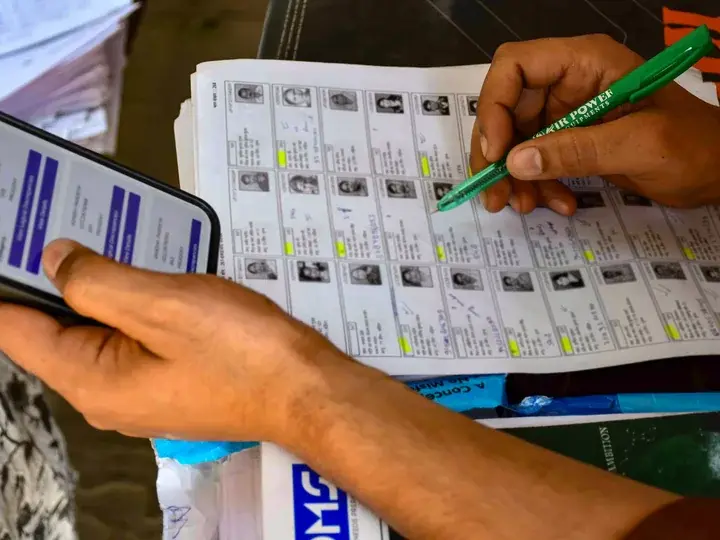
The numbers explain the intensity of the debate. The draft electoral roll published on August 31 contained around 97.5 lakh electors, compared with nearly 1.4 crore at the beginning of the exercise. Around 47.5 lakh names were excluded from the draft roll, largely because enumeration forms could not be collected during house-to-house verification. At the same time, more than 33 lakh voters were issued notices over discrepancies in their records.
For the Election Commission, SIR is about electoral-roll integrity. For political parties and many citizens, however, the scale of the exercise has raised questions about how an administrative process can affect democratic participation.
And that is where the real political debate begins.
Trending Stories
)
Cindy Crawford’s son Presley Gerber cremated as death probe continues
)
10,000 gather in support of 87-year-old forcefully evicted from home of 71 years
)
OpenAI AI Agents hacked 4 websites before Hugging Face, researchers reveal
)
US Supreme Court backs Trump administration's use of SAVE database to check voter citizenship
)
Pakistan deploys over 20,000 security personnel as PTI vows march for Imran Khan's release
)
Yemen's war escalates: Saudi-backed leader calls for general mobilisation against the Houthis
)
Trump-Xi summit wrap: Big pageantry, Iran talks, few major developments and more meetings planned
)
‘It is all possible’: Putin weighs next steps on Ukraine talks, rules out Europe conflict
)
Heart of the Beast review: Brad Pitt leads a gripping tale of survival and loyalty
)
Asian Games: Shooting spree continues as India win silver in women’s 50m rifle 3P team event
)
Pentagon quietly adds 37 wounded troops to Iran war tally without explaining when or how
)
Outrage erupts after 3-year-old is married to 60-year-old man in Pakistan, link to her sister's murder being probed
)
Indian diplomat Petal Gahlot raises deteriorating situation in Pakistan-occupied Kashmir in right of reply at UN
)
WATCH | As Shehbaz Sharif claims Pakistan’s ‘victory’ during 2025 conflict, Indian diplomat R Srinivas laughs at UN
&im=FitAndFill=(700,400))
‘Absolutely savage, sickening’: Zelensky slams Russia as daytime strikes kill 5 in Kyiv
)
'A terrorist country is asking me that question?': Jaishankar hits back at Pakistani journalist at UN; flags attacks on commercial shipping
)
'We do not wish to continue. It's America that must choose': Iran president Pezeshkian calls on US to end war
)
Red Sea crisis: Houthis promise not to target European ships; UNSC condemns Saudi attacks
&im=FitAndFill=(700,400))
New Friday OTT releases (September 25, 2026): Don’t Be Shy, Hunkkaar: The Roar, Mango Pachcha- 6 movies and TV shows on Netflix, Prime Video and more
)
US court backs Pentagon's decision to exclude Anthropic over Claude AI restrictions
)
Nigeria Navy moves to boost oil security, tackle crude theft and infrastructure threats
)
'Making history': Xi Jinping praises Trump as US-China leaders dine at White House
)
Did Hitler kill his niece Geli Raubal? Newly found records reopen a 95-year-old mystery
)
‘Not just a local tragedy’: Nepal PM Shah warns UN of growing climate threat, says Nepal floods were 'a warning to the world'
)
'FIRST LOOK from inside Noah’s Ark': Researchers share video from inside mysterious mound in Turkey
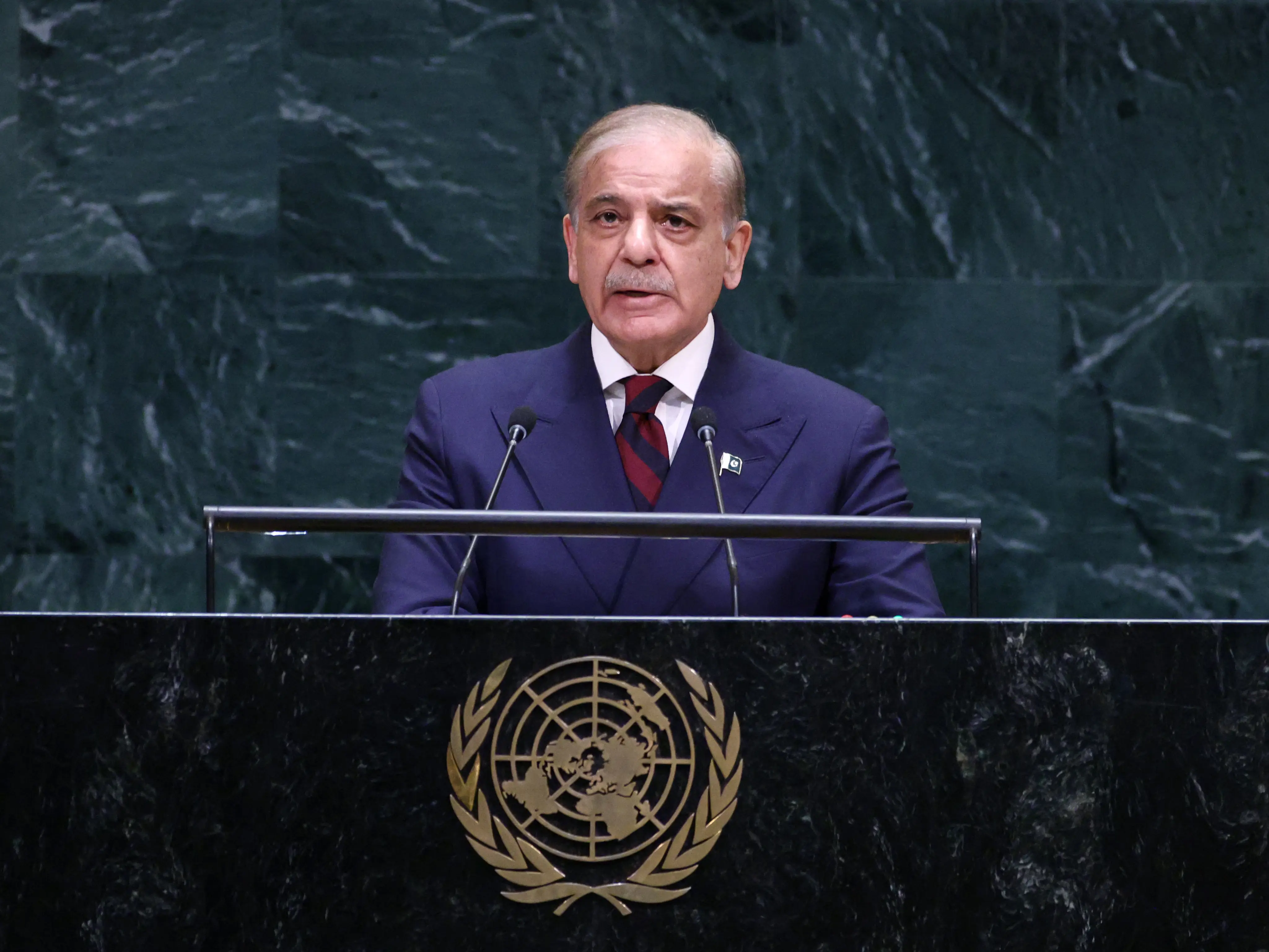)
‘Attack on Mecca a red line for Pakistan’: Shehbaz Sharif warns Houthis at UN
)
Bias or safety concerns? Bengaluru CEO says firm will not hire men from UP, Bihar, Rajasthan, MP. Here's why
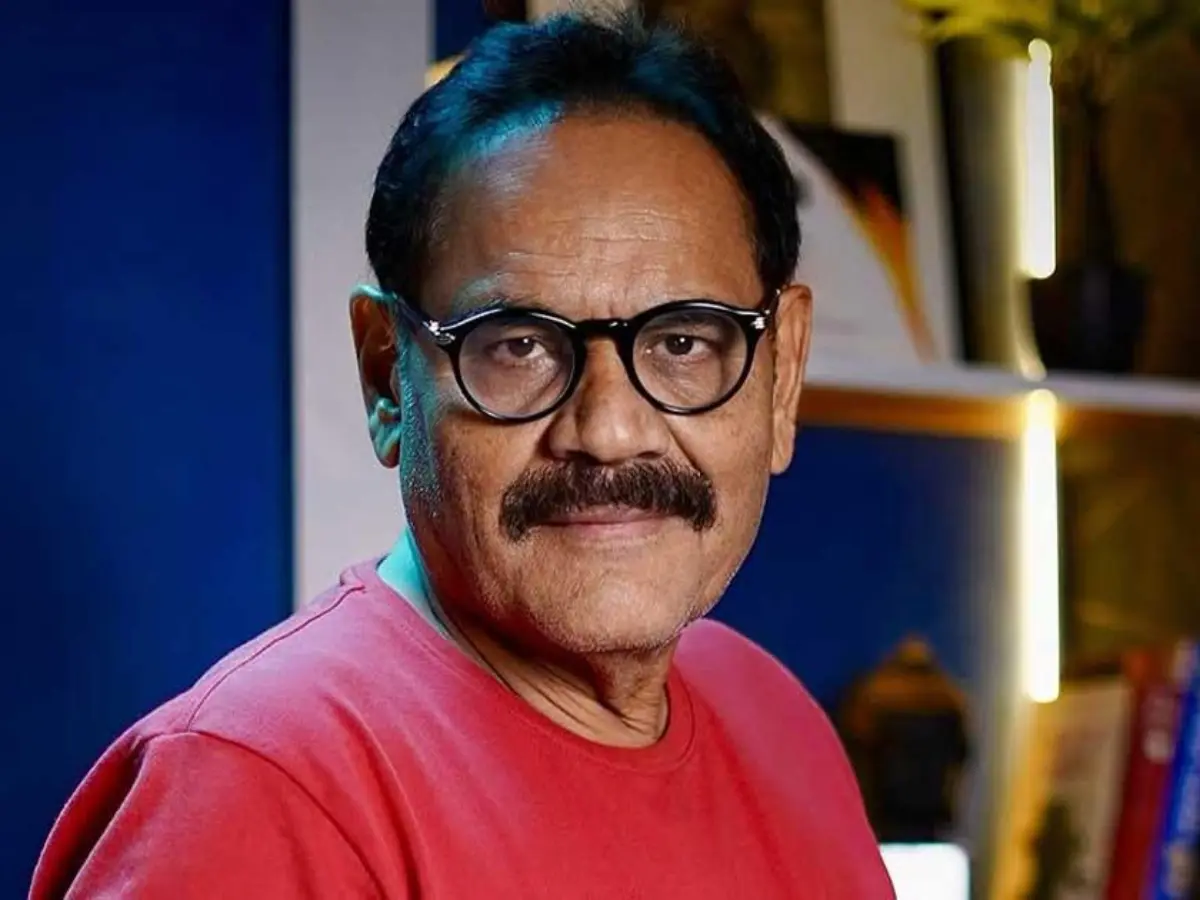)
Bollywood mourns Mushtaq Khan: Sunny Deol, Rajpal Yadav and others pay tribute
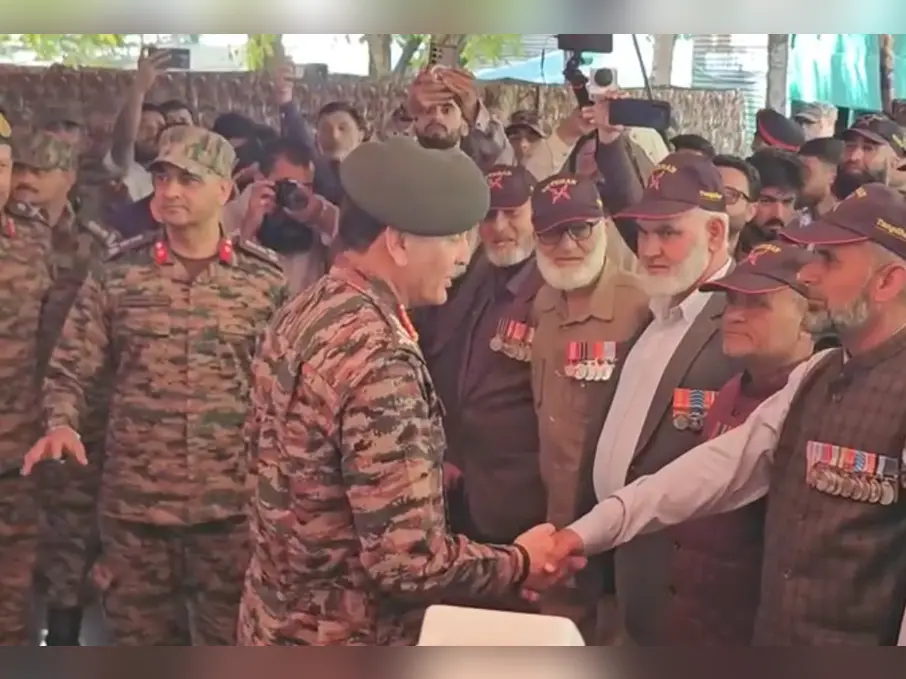)
Army chief reviews operational preparedness along LoC, visits mega eye camp in Tangdhar
)
Gaza's war turned environmental damage into second crisis
)
Tesla is preparing something big for Optimus: new Gen 3 models surface in app
)
Scientists detect first radio signals directly from faraway planet
)
India's UN Envoy slams Pakistan: 'They claim security by day, terrorism by night'
)
Myanmar training camp case: US national, 6 Ukrainians allowed to meet their families abroad
)
Trump rejects Iran's 7-day ceasefire proposal as US weighs renewed bombing after midterms: Report
A notice is not a deletion — but it is still a serious moment
One important distinction has sometimes been lost in the political noise: receiving an SIR notice does not automatically mean that a voter's name has been deleted.
The Delhi Chief Electoral Officer has clarified that no elector can be removed without an opportunity to be heard and a proper, speaking and appealable order. The notices are part of the verification process.
Yet the sheer number of notices makes the issue significant.
The list has included political leaders as well as senior bureaucrats and constitutional functionaries. Delhi Chief Minister Rekha Gupta, former Chief Minister Arvind Kejriwal, former Deputy Chief Minister Manish Sisodia, BJP veteran L K Advani and several other prominent names have figured among voters asked to validate their details.
The fact that even prominent and politically well-connected voters have received notices illustrates one thing clearly: the exercise is throwing up discrepancies across sections of the electorate.
But it also raises another question: If people with easy access to documents and officials can face verification problems, what happens to voters who have neither?
That is perhaps the most important social dimension of the SIR debate.
The politics of paperwork
The controversy is not simply about voter lists. It is also about documentation.
India's electoral system has millions of voters who move between cities for work, change addresses, live in rented accommodation or have imperfectly recorded family details. A mismatch in a name, age, address or previous electoral record can therefore become more than a clerical problem.
The Election Commission has said the verification process is designed to establish eligibility. Critics of the exercise, meanwhile, have raised concerns about whether genuine voters could face difficulties navigating the process.
The Supreme Court has now entered this debate. On September 22, it questioned the Election Commission over the basis for notices issued under the “logical discrepancies” category and asked whether some notices appeared to have been generated mechanically and whether additional filters were required.
That judicial scrutiny does not settle the political argument. But it underlines why transparency in the process matters.
Why has SIR become politically explosive?
Because every electoral roll is ultimately a political document.
Political parties depend on voters being correctly identified and mapped. Constituencies are built around electoral rolls. Campaign strategies, booth management and turnout calculations all depend on the basic assumption that the roll reflects the eligible electorate.
The ruling BJP and opposition parties have therefore approached the exercise differently. BJP leaders have emphasised helping voters complete the verification process, while opposition parties have raised concerns about possible exclusion and have sought more time for voters to respond.
Neither political argument can substitute for the verification of individual cases.
That is why the credibility of SIR will depend less on political speeches and more on what happens at the ground level: whether voters understand the notices, whether officials hear their claims, whether documents are examined fairly and whether genuine mistakes can be corrected.
The bigger question is trust
There is a legitimate democratic reason for maintaining accurate electoral rolls. Dead voters, duplicate entries, shifted voters and other erroneous entries should not remain indefinitely on electoral lists.
But electoral-roll cleaning has another obligation: an eligible voter should not lose access to the ballot because of an avoidable administrative error.
These two objectives are not necessarily contradictory.
Indeed, the success of SIR will ultimately be judged by whether it can accomplish both — a cleaner electoral roll and confidence among legitimate voters that their names will not disappear without due process.
Delhi has already demonstrated how complicated that task can become. The Election Commission is expanding its supervisory workforce to handle the large number of notices, while special camps and awareness efforts are being organised to encourage voters to file claims and objections.
The political battle over SIR may continue. Parties will make their arguments, governments will defend the process and courts will examine questions of procedure.
But beyond the BJP, Congress, AAP or any other political formation lies the most important stakeholder: the voter.
A voter list is not merely a database. It is the bridge between citizenship and political participation.
Cleaning that database may be necessary. But the democratic test is equally clear: the process must be accurate enough to remove ineligible entries and accessible enough to ensure that genuine voters are not left behind.