Rapid switch to clean energy would create over 15 million new jobs in India: Report


Clean energy
Ending dependency on fossil fuels and switching to clean energy would create over 15 million new jobs in India by 2025 and nearly two million jobs in G7 countries, said a new report on Wednesday.
The latest report, 'Cutting Bills and Creating Jobs: the economic opportunities of a clean energy transition', published by the We Mean Business Coalition and Cambridge Econometrics, finds that across the G7 nations, policies designed to accelerate the transition away from fossil fuels to net-zero will also create 1.92 million new jobs across the G7 by 2025 as opposed to business as usual.
The report, released just days ahead of the G7 leaders' summit in Berlin, called for phase out of domestic coal-fired power generation by 2030, saying that doing so will save families across G7 countries USD 480 per capita on their total annual energy bills (electricity, natural gas and petrol combined) by the same year.

The Group of Seven or the G7 countries comprise Canada, France, Germany, Italy, Japan, the United Kingdom and the United States.
"The analysis also looked beyond the G7, finding that India would see the creation of over 15 million new jobs by 2025 by switching to cleaner energy," the report said.
Earlier this year, India's Ministry of New and Renewable Energy (MNRE) had said that the country has achieved its non-fossil fuel-based energy target, something that was to be completed by 2030.
)
US Supreme Court backs Trump administration's use of SAVE database to check voter citizenship
)
Beijing to Washington! Ivanka Trump makes a style statement in Chinese designer Guo Pei for President Xi Jinping’s White House welcome
)
Outrage erupts after 3-year-old is married to 60-year-old man in Pakistan, link to her sister's murder being probed
)
Trump gifts Xi a bald eagle sculpture at White House dinner: Here’s what it symbolises
)
‘Not just a local tragedy’: Nepal PM Shah warns UN of growing climate threat, says Nepal floods were 'a warning to the world'
)
India-New Zealand FTA is ‘an expression of trust’, NZ High Commissioner Patrick John Rata says
)
OpenAI AI Agents hacked 4 websites before Hugging Face, researchers reveal
)
Pentagon quietly adds 37 wounded troops to Iran war tally without explaining when or how
&im=FitAndFill=(700,400))
New Friday OTT releases (September 25, 2026): Don’t Be Shy, Hunkkaar: The Roar, Mango Pachcha- 6 movies and TV shows on Netflix, Prime Video and more
)
Watch: PM Modi joins Bhajan Clubbing event in Delhi on Deendayal Upadhyaya's birth anniversary
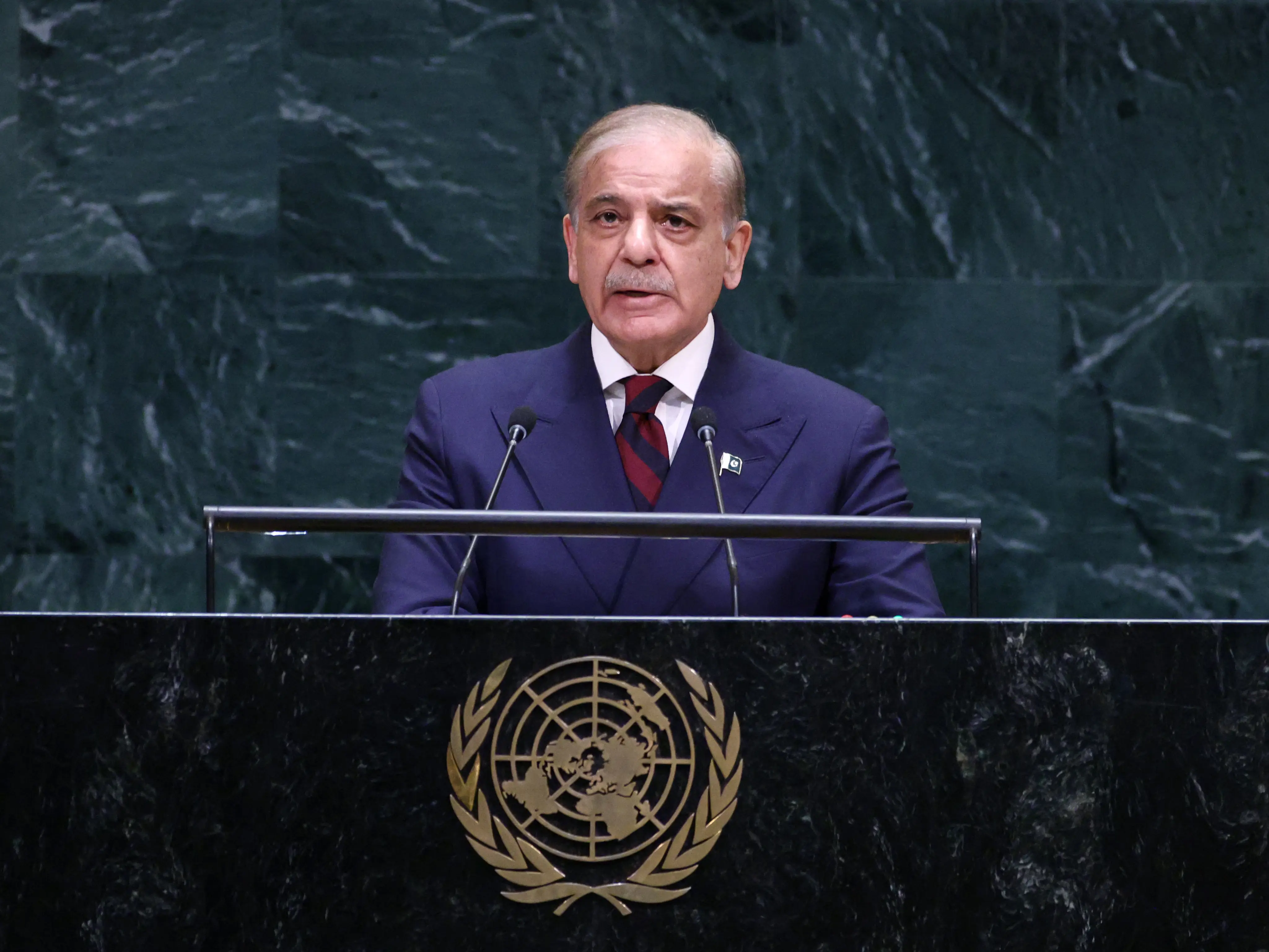)
‘Attack on Mecca a red line for Pakistan’: Shehbaz Sharif warns Houthis at UN
)
Tesla is preparing something big for Optimus: new Gen 3 models surface in app
)
Bias or safety concerns? Bengaluru CEO says firm will not hire men from UP, Bihar, Rajasthan, MP. Here's why
)
Trump's welcome to Xi demonstrates 'attraction' to dictators: Chuck Schumer
)
Nigeria Navy moves to boost oil security, tackle crude theft and infrastructure threats
)
Scientists detect first radio signals directly from faraway planet
)
‘It is all possible’: Putin weighs next steps on Ukraine talks, rules out Europe conflict
)
Saudi Arabia, Turkey and Pakistan to hold urgent military talks amid intensifying Houthi attacks
)
Ex-Liverpool forward Mohamed Salah banned from driving in United Kingdom for six months
)
10,000 gather in support of 87-year-old forcefully evicted from home of 71 years
)
Meet Adrian Abraham: 9-year-old Indian-origin guitar prodigy aiming for a Guinness World Record
)
Red Sea crisis: Houthis promise not to target European ships; UNSC condemns Saudi attacks
)
'Blockbuster' nor'easter develops an eye similar to hurricanes as warnings are issued
)
Trump-Xi summit wrap: Big pageantry, Iran talks, few major developments and more meetings planned
)
'Making history': Xi Jinping praises Trump as US-China leaders dine at White House
)
'We do not wish to continue. It's America that must choose': Iran president Pezeshkian calls on US to end war
)
Exclusive | 'We always want to improve': Suruchi, Kamaljeet after winning Asian Games gold
)
Bollywood mourns Mushtaq Khan: Sunny Deol, Rajpal Yadav and others pay tribute
)
Myanmar training camp case: US national, 6 Ukrainians allowed to meet their families abroad
)
99.9% more powerful - Scientists find boy who can recall memories from just 3 months of age
)
'FIRST LOOK from inside Noah’s Ark': Researchers share video from inside mysterious mound in Turkey
)
Trump made 'final decision' to give Ukraine Patriot missile production license: Zelensky
)
WATCH | As Shehbaz Sharif claims Pakistan’s ‘victory’ during 2025 conflict, Indian diplomat R Srinivas laughs at UN
)
'Fund people, not bombs': Hundreds take to New York streets as Netanyahu delivers speech at UN; dozens arrested
)
Susan Sarandon and Hannah Einbinder detained by NYPD outside UN Headquarters
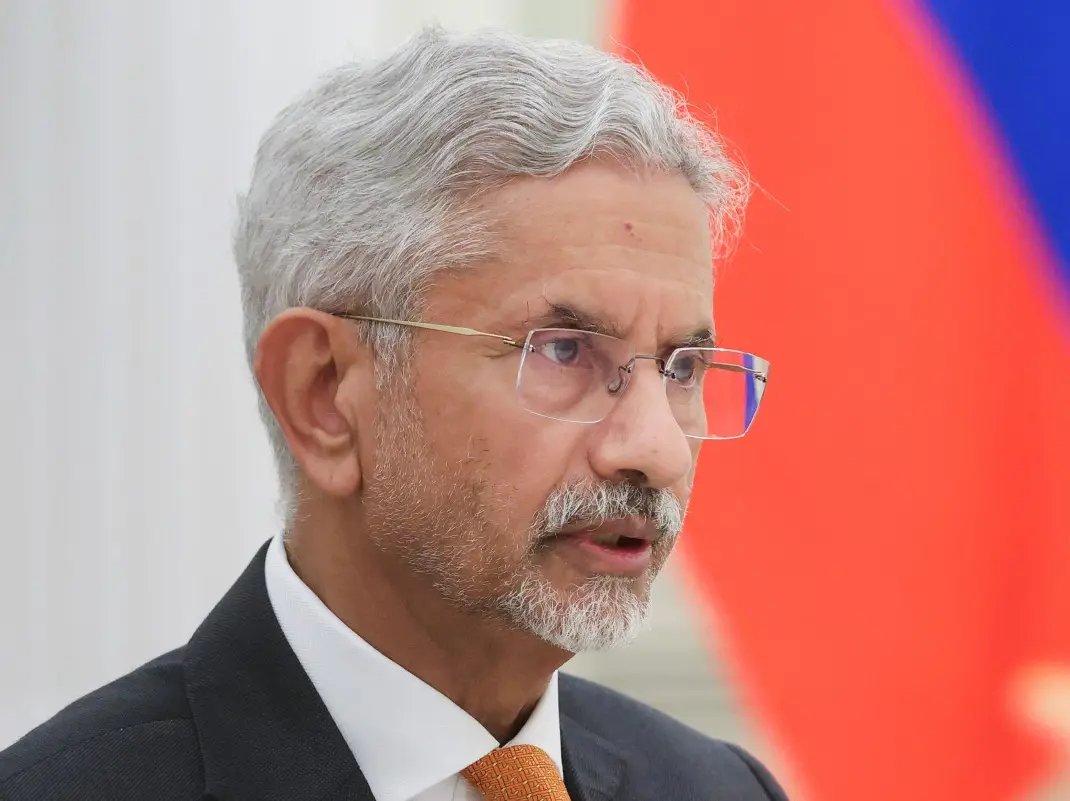)
'A terrorist country is asking me that question?': Jaishankar hits back at Pakistani journalist at UN; flags attacks on commercial shipping
)
Army chief reviews operational preparedness along LoC, visits mega eye camp in Tangdhar
&im=FitAndFill=(700,400))
‘Absolutely savage, sickening’: Zelensky slams Russia as daytime strikes kill 5 in Kyiv
)
US court backs Pentagon's decision to exclude Anthropic over Claude AI restrictions
According to the report, shifting to cleaner energy would create 9,00,000 new jobs in the US by 2025 along with a decline in annual energy bills by 25%, or $529, by 2030.
According to the report, in the European Union, household energy bills would be 28% or €409 ($430) lower in 2030 and by 2035 consumers would spend roughly half as much on their energy costs, saving almost €713 ($750) per year, compared to business as usual.
"As many of the world’s major economies experience record increases in gas and electricity bills, inflation, a cost-of-living crisis and more economic shocks expected, the report’s findings offer a clear path for governments to act.
"Setting ambitious climate policies to deliver clean energy will reduce household bills and create more jobs and growth, the report said.
Earlier this year, the Intergovernmental Panel on Climate Change (IPCC) had said that clean energy is one key solution to deploy as fast as possible if the world is to limit global temperature rise to 1.5 degree C.
"If governments act now to adopt policies like phasing out coal, increasing energy efficiency and scaling up renewable energy, they will generate savings for households, new jobs and growth," the report said.
Maria Mendiluce, CEO, We Mean Business Coalition said that with heatwaves hitting communities across the world, the climate emergency is more evident than ever.
"People want to see solutions now. This report highlights for the G7 leaders that an accelerated transition to clean energy is achievable.
It can help solve the climate crisis while driving down household costs and bringing more jobs and growth: a huge bonus to businesses and the people they serve and employ.
"To protect the world’s citizens from climate and economic disaster, we urge G7 leaders to implement the policies outlined in this report now," she said.
To accelerate the transition to clean energy, the report called on G7 leaders to commit to achieving fully decarbonized power systems in the G7 by 2035; phase out domestic coal-fired power generation by 2030 and rapidly scale up renewable energy deployment towards achieving 70% of power generation by 2030.
It also asked the G7 nations to commit to 100% sales of zero emissions (ZEVs) by 2035 for new light duty vehicles and increase public spending for energy efficiency, apart from setting out national action plans in 2022 to eliminate all fossil fuel subsidies by 2025.
It also suggested putting a meaningful price on carbon starting in 2022.