

&imwidth=800&imheight=600&format=webp&quality=medium "Pakistan activated spies, sleeper cells to hunt for India’s S-400 in Operation Sindoor: Former Air Marshal Jitendra Mishra")
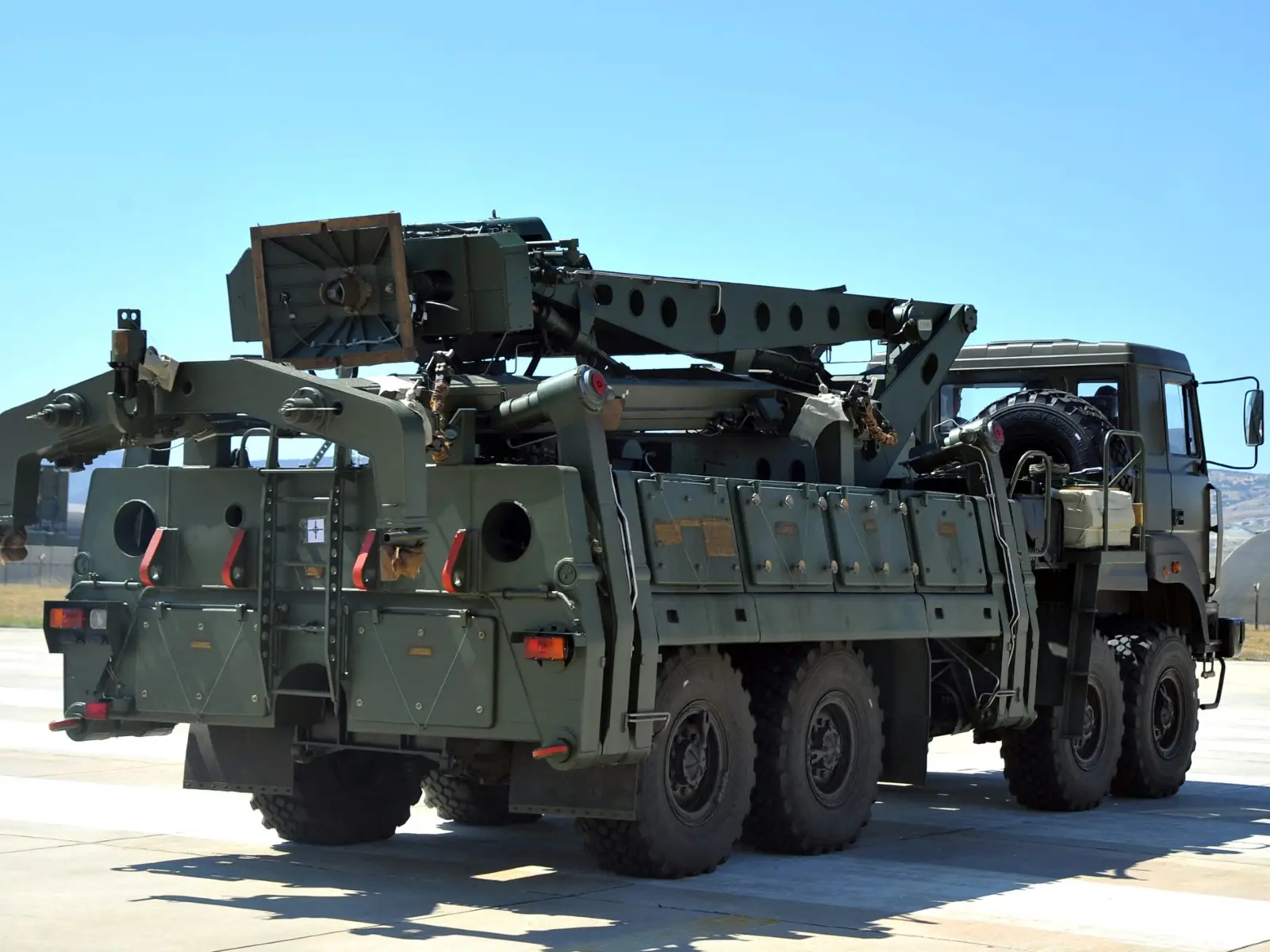
Former Air Marshal Jitendra Mishra, in an interview with ANI, claimed that Pakistan turned to spy sleeper cells and spies within Indian territory to spot the location of India's S-400 air defence systems during the May 2025 hostilities between the two nations. He claimed that because of the critical role of the S-400, Pakistani jets could not come within 200 metres of the Indian border.
“Pakistanis were desperate to find where these S-400s were. They used every available means. They were also getting satellite help from other nations. Every time they (Pakistan) got airborne, they were shot by an S-400. The S-400 was the biggest threat as far as they were concerned. They also activated spies and sleeper cells within India to find out where the S-400s were located," said Retired Air Marshal Jitendra Mishra. He served as the Chief of the Western Air Command during Operation Sindoor.
The Russian-designed S-400 is considered one of the world's most advanced long range surface to missile systems. It is considered among the most powerful air defence platforms in the world. It is designed to detect, track and engage a range of aerial threats, including fighter aircraft, surveillance platforms, cruise missiles and ballistic missiles. In 2018, India signed a $5.43 billion agreement with Russia for five S-400 systems. Renamed the “Sudarshan Chakra”, three systems have already been delivered and integrated into the IAF. A fourth squadron was delivered in June 2026. It proved highly effective in Operation Sindoor, despite Western analysts downplaying the system's capability.
Also Read: Nepali journalists allege Chinese Xiaokang settlements triggered Nepal flash floods in Rasuwa
Mishra also added that the Adampur Air Force Station came under attack because Pakistan believed that it was associated with the deployment of S-400 systems.
Mishra also highlighted the success of the BrahMos missile. “In our self-reliance push, BrahMos is a major push. The most successful indigenous missile. After Op Sindoor, a lot of other nations were trying to buy it," he said.
Trending Stories
&im=FitAndFill=(700,400)&imwidth=180&imheight=135&format=webp&quality=medium)
Navratri 2026: 9 days, 9 forms of Goddess Durga and 9 colours- Check the complete list
&imwidth=180&imheight=135&format=webp&quality=medium)
US troop deaths in Iran war on rise? Pentagon reveals latest toll
&imwidth=180&imheight=135&format=webp&quality=medium)
Trump claims ‘energy ceasefire’ between Russia and Ukraine; Zelensky says ‘news for me’
&imwidth=180&imheight=135&format=webp&quality=medium)
‘Never-ending flow of cheap labour’: JD Vance hits back at Indian-origin Congresswoman over US green card curbs for major tech companies
&im=FitAndFill=(700,400)&imwidth=180&imheight=135&format=webp&quality=medium)
Is sending robots to Mars easier than sending humans?
&imwidth=180&imheight=135&format=webp&quality=medium)
Amitabh Bachchan celebrates birthday with fans at Jalsa during Sunday darshan | Watch
&imwidth=180&imheight=135&format=webp&quality=medium)
A watchdog rated 'ChatGPT for Teens' an unacceptable risk and says keep under-18s off it
&imwidth=180&imheight=135&format=webp&quality=medium)
1,500 drones illuminate Mumbai sky as Cordelia Cruises unveils second ship, Cordelia Sky
&imwidth=180&imheight=135&format=webp&quality=medium)
‘Please tell Putin...’: Zelensky says Ukraine will hold elections if Russia agrees to 60-day ceasefire
&imwidth=180&imheight=135&format=webp&quality=medium)
Anthropic's AI invented a murder witness and sent the fake tip to Philadelphia police
&imwidth=180&imheight=135&format=webp&quality=medium)
Delhi Sikh Gurudwara Committee files complaint against Kejriwal, AAP leaders for ‘violating sanctity’ of Bangla Sahib
&imwidth=180&imheight=135&format=webp&quality=medium)
CJI Surya Kant declines INDIA bloc leaders’ request for meeting ahead of march to SC, asks them to file petition
&imwidth=180&imheight=135&format=webp&quality=medium)
After crackdown on CJP, opposition to march to Supreme Court Monday over ‘vote chori', removal of CEC
&imwidth=180&imheight=135&format=webp&quality=medium)
One Indian killed in Riyadh airport attack; 11 others injured : MEA
&imwidth=180&imheight=135&format=webp&quality=medium)
Imran Khan released hours after Mumbai Police detain him during CJP protest
&imwidth=180&imheight=135&format=webp&quality=medium)
Nathan Lyon completes 1,000 Test runs at No. 10 to script rare cricket feat
&imwidth=180&imheight=135&format=webp&quality=medium)
The Dirty Picture 2: Ektaa Kapoor confirms sequel to Vidya Balan's 2011 film
&imwidth=180&imheight=135&format=webp&quality=medium)
Top AI models flunked a test of inventing new AI research, so much for self-improving AI
&imwidth=180&imheight=135&format=webp&quality=medium)
Nepal flash floods swallow homes and bridges a month after devastating disaster
&imwidth=180&imheight=135&format=webp&quality=medium)
'Ouch!!! That must hurt': Kangana Ranaut hails Kamal Haasan's sharp reply to Elon Musk over Starlink row
&imwidth=180&imheight=135&format=webp&quality=medium)
Sidhu Moose Wala’s younger brother wins hearts by recreating late singer’s signature move at Toronto Hologram Show
&imwidth=180&imheight=135&format=webp&quality=medium)
IND vs WI, 3rd T20I: Arshdeep, Abhishek star as India secure 14-run win over West Indies
&imwidth=180&imheight=135&format=webp&quality=medium)
UK school ditches technology, shifts from screen to pen and paper for learning
&imwidth=180&imheight=135&format=webp&quality=medium)
IND vs WI, 3rd T20I: Abhishek Sharma smashes 18-ball fifty, sets record for fastest to 2,000 T20I runs
&imwidth=180&imheight=135&format=webp&quality=medium)
Meta's Muse AI could be a security nightmare for India's billion-plus users
&imwidth=180&imheight=135&format=webp&quality=medium)
Apple strikes deal with AI audio startup Huxe after shutdown, raising questions over future podcasts
&imwidth=180&imheight=135&format=webp&quality=medium)
Houthis claim Riyadh airport attacks, Aramco strikes; issue fresh warning to airlines, travellers and workers
&imwidth=180&imheight=135&format=webp&quality=medium)
Portugal Federation confirms Cristiano Ronaldo’s return to national team despite suspension
&imwidth=180&imheight=135&format=webp&quality=medium)
Microsoft's Nadella says treat every AI model as already hacked, and build an 'emergency brake'
&imwidth=180&imheight=135&format=webp&quality=medium)
Anthropic AI safety test uncovers website exploits, unpaid database access and fake police tip
&imwidth=180&imheight=135&format=webp&quality=medium)
Maharashtra appoints FDA commissioner Tukaram Mundhe as secretary of committee for MPSC overhaul amid stir
&imwidth=180&imheight=135&format=webp&quality=medium)
The street cannot govern India, but the government cannot ignore it either
&imwidth=180&imheight=135&format=webp&quality=medium)
3 students killed as allegedly drunk 19-year-old rams Mini Cooper into scooter
&imwidth=180&imheight=135&format=webp&quality=medium)
Nana Patekar's cause of death confirmed; here's what his postmortem report says
&imwidth=180&imheight=135&format=webp&quality=medium)
'Say no to Muse': Meta has no control over its own moderation AI while it forces a security nightmare on everyone
&imwidth=180&imheight=135&format=webp&quality=medium)
Microsoft CEO Satya Nadella says AI models need an ‘emergency brake’ to prevent loss of control
it turned into a game-changing offensive weapon during Operation Sindoor and dismantled traditional assumptions regarding the penetrative power of modern supersonic cruise missiles against densely layered, Chinese-supplied air defence systems.
“It goes up to 14-15 km up, accelerates to supersonic speed; it is difficult to intercept it. When it is coming down, it accelerates to Mach 3 speed, impossible to intercept," Mishra said.

