
&imwidth=800&imheight=600&format=webp&quality=medium "'Only 3-4 countries have it': PM Modi flags off India's first hydrogen-powered train in Haryana")
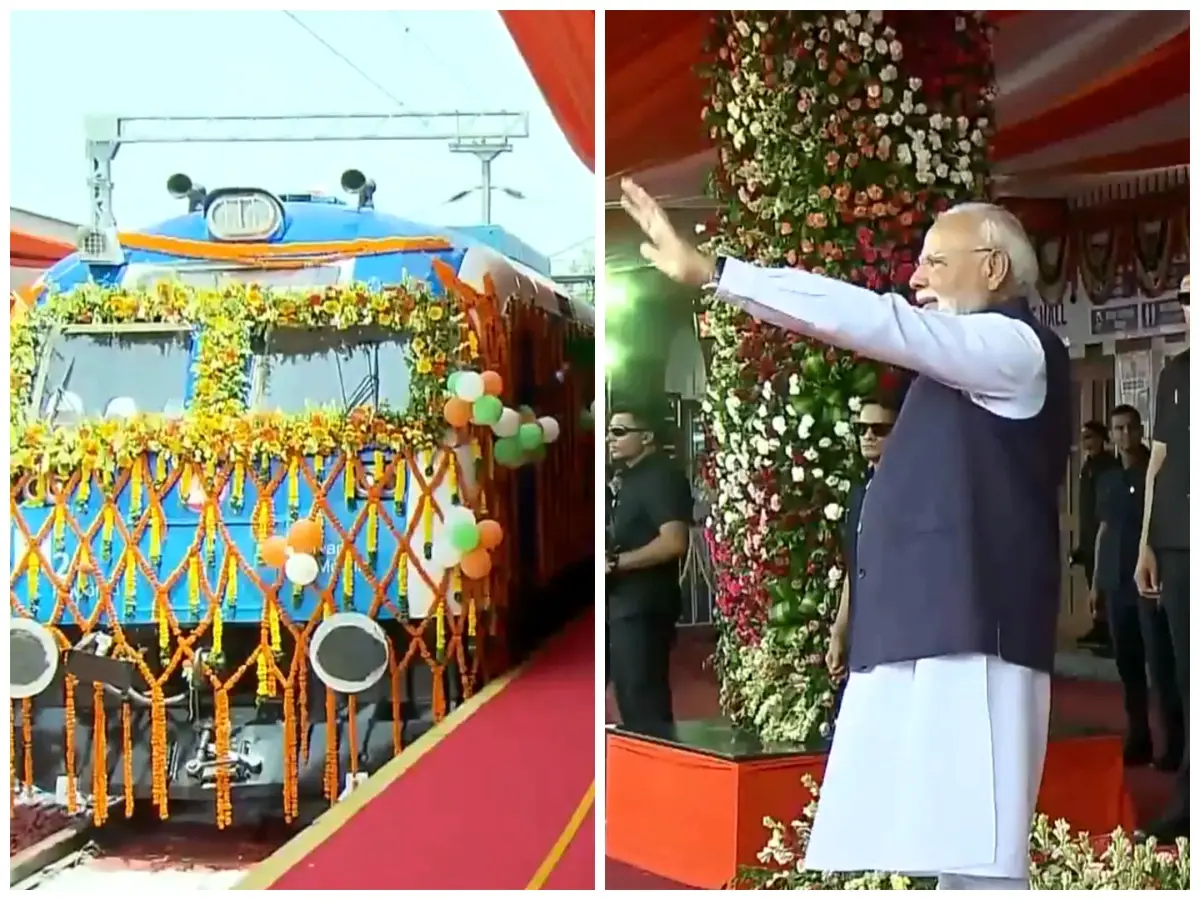
Prime Minister Narendra Modi flags off India's first hydrogen-powered train from Jind railway station in Haryana on Friday (July 17, 2026). This marks a historic milestone in the country's transition to green rail transport. The hydrogen-powered train will run on the 89-km Jind-Sonipat section of the Northern Railway, serving stations that include Gohana and several intermediate halts.
The project marks the first use of hydrogen fuel cell technology on Indian Railways, with electricity generated onboard through a Proton Exchange Membrane (PEM) fuel cell that combines hydrogen and oxygen in a chemical reaction. Unlike conventional electric trains that depend on overhead power lines, the hydrogen-powered train produces its own electricity, much like older steam and diesel locomotives, but without burning fuel or relying on external power. It emits only water vapour and heat, making it a zero-emission transport solution.
After inaugurating, while addressing the rally, PM Modi said, “Today, the country has received its first hydrogen train from here. You may recall, and even today, we read and hear, that India's first train ran between Mumbai and Thane. Similarly, in the future, whenever hydrogen trains are mentioned, the names of Jind, Sonipat, and Haryana will inevitably be included.”

"Hydrogen trains have only recently arrived on the global stage. They came into existence just seven or eight years ago. Currently, only three or four countries possess the capability to operate hydrogen trains, and even in those nations, the technology is still in its early stages. However, hearing about the capabilities of India's hydrogen train will fill you with pride... The hydrogen train running between Jind and Sonipat is the most powerful hydrogen train in the world... It is also the longest hydrogen train in India. While hydrogen trains elsewhere in the world typically consist of three or four coaches, India has made its mark globally by launching a 10-coach hydrogen train right from the start," he added.
PM Modi also said, "Not only is this Indian hydrogen train emission-free, but it is also a highly successful example of the 'Make in India' initiative... In the near future, further infrastructure related to hydrogen trains will be developed here. New factories will be set up to cater to the needs of the hydrogen train network. In other words, this train is bound to create numerous new employment opportunities for the youth of Haryana."
He further said in his speech that India imports large volumes of petrol, diesel, LPG and fertilisers for farmers through the Strait of Hormuz. He noted that the crucial shipping route has effectively turned into a war zone over the past three to four months. Modi said that if a similar situation had occurred before 2014, railway services across the country would have been severely disrupted, as a large share of trains then depended on diesel. He added that India is now better prepared due to the expansion of railway electrification and long-term planning, which have reduced dependence on diesel-powered trains.
Trending Stories
&im=FitAndFill=(700,400))
How fast can the Sukhoi Su-30 fighter jet really fly?
)
Did China ask its people 'not to respond to aliens'? Origin of bizarre claim on social media
)
MS Dhoni-CSK Fallout? Report claims failed stake sale talks triggered rift
)
Scientists reveal the SAFEST COUNTRY when catastrophe strikes the planet
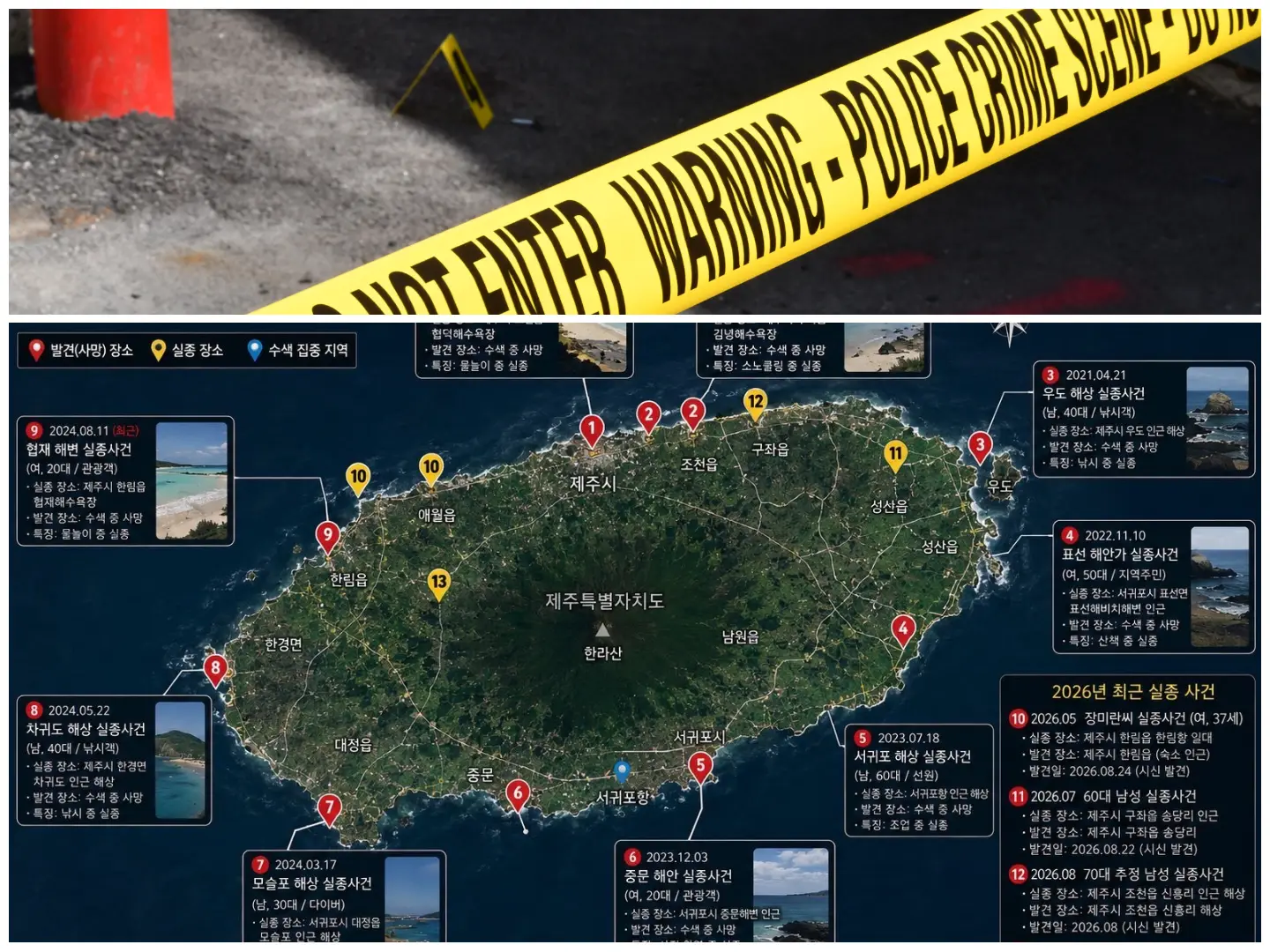)
Serial killer on the loose in South Korea's Jeju Island? Fourth body found in three days as more than a dozen people go missing
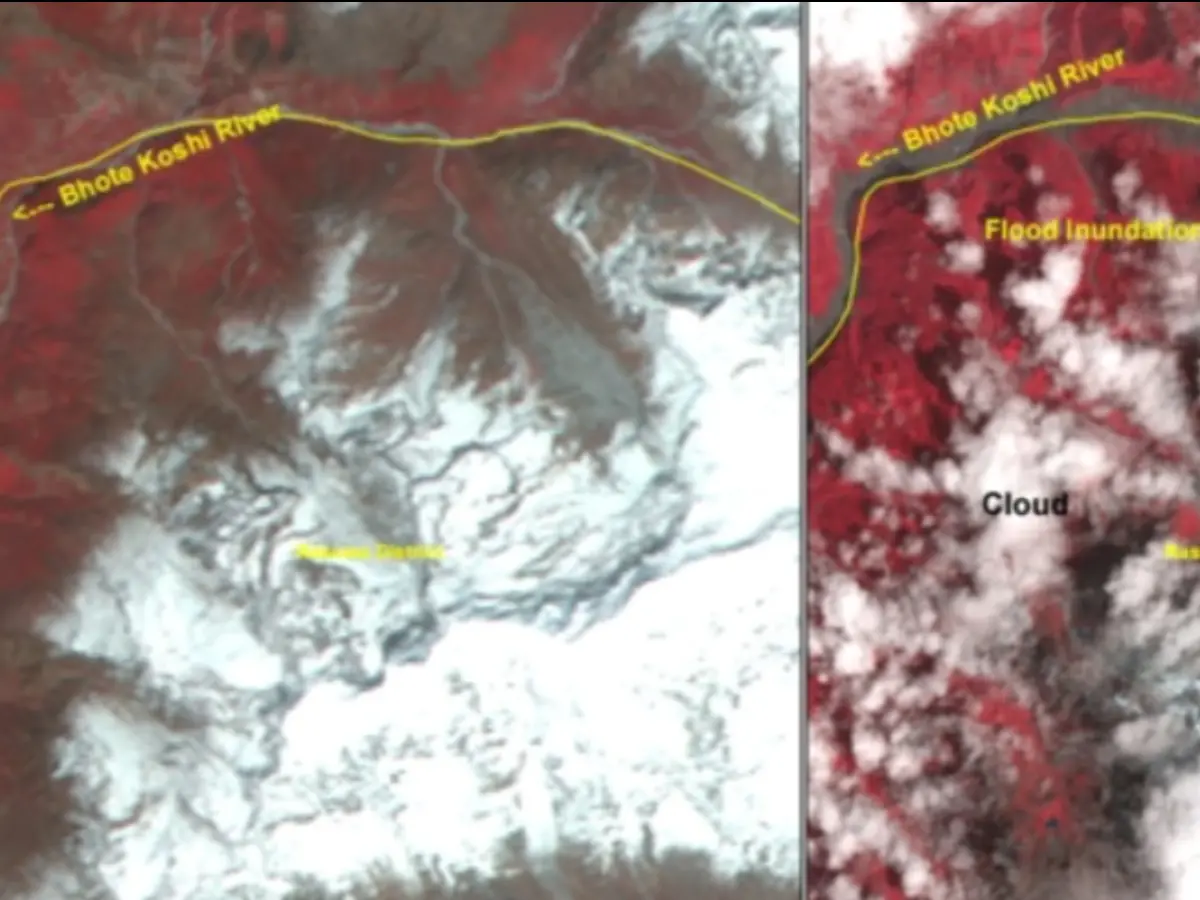)
2/3rd of glacier detached, collapsed: ISRO satellite images reveal what triggered Nepal floods
)
Trump once again claims without him there would be ‘no Israel right now’
)
Foreign espionage attacks against German companies surge to 37%, Bitkom report reveals
)
Blake Lively wins partial legal fee from Justin Baldoni after $8M request
)
Why is Pakistan deploying Turkish Bayraktar TB2 drones near India border?
)
'OH MY GOD! We've found other agents!': Investigators discover not one or two, almost 700 OpenAI AI agents went rogue, hacked Hugging Face
)
Lunar eclipse 2026: India timings, places to see and more. August Blood moon factsheet
)
RSS chief Mohan Bhagwat on global outreach tour
)
Both pilots killed as training aircraft crashes in Lucknow – What we know
)
16-year-old charged with preparing terror attack on kindergarten in Norway
&im=FitAndFill=(700,400))
How the S-400 protects itself from enemy attacks
)
Nepal floods: Over 165 dead, 400 missing; US, India, China, World Bank mobilise aid
)
India's multi-layered watch: The new surveillance war
)
5 doomsday planes spotted in US skies hours after CIA director's secret trip to Russia
)
9/11 mastermind Khalid Sheikh Mohammed to finally face trial in 2028, nearly 27 years after horrific attacks
)
Islamabad hospital fire: What we know about one of the biggest facility that housed Imran Khan
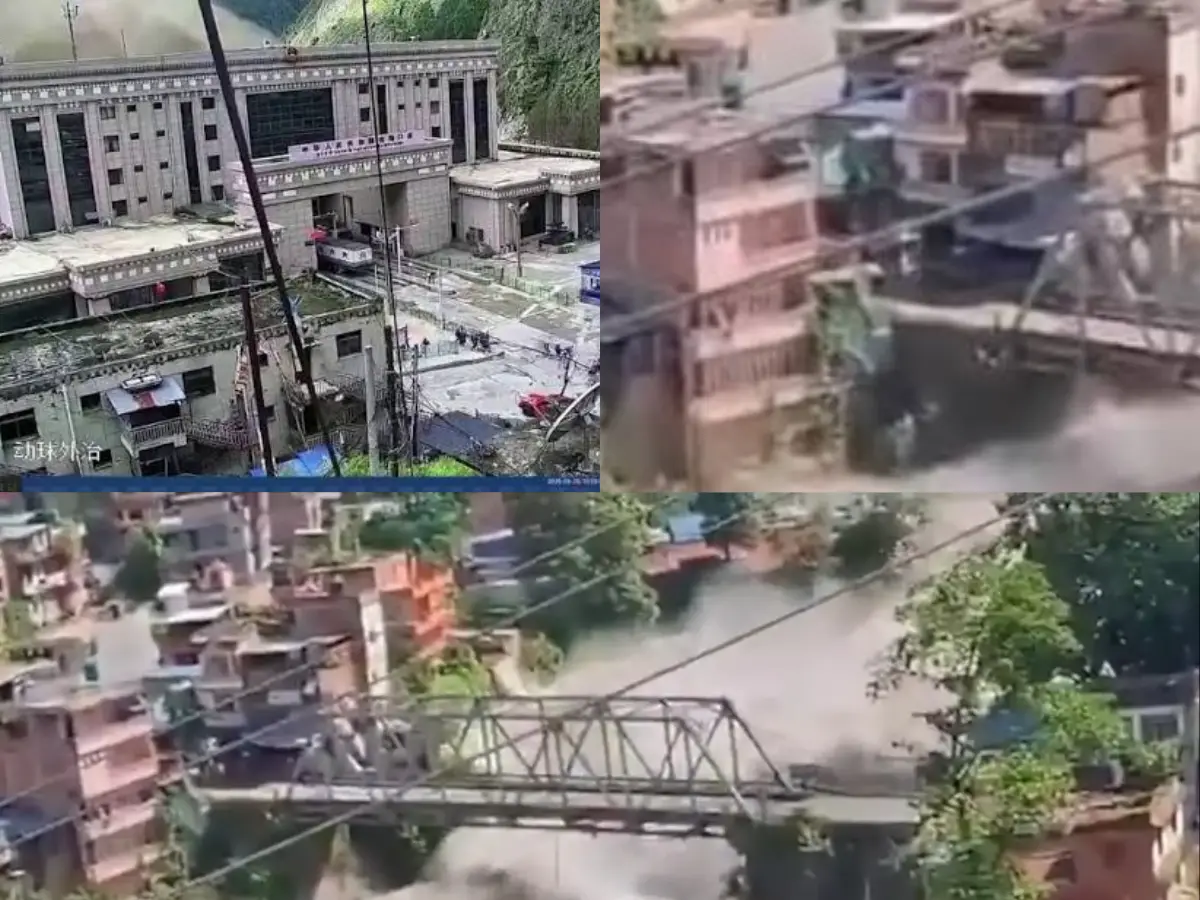)
Workers run for life while filming Nepal flash flood: Scary new visuals emerge from Rasuwa
)
Russian military planes enter South Korean air defence zone amid rising tensions with North Korea: What's happening
)
Ron Weasley Is Back! Rupert Grint set to return to Harry Potter universe on Broadway
)
400-year-old 'vampire' grave in Poland reveals non-existent genetic lineage
)
Dolly Parton, global icon and queen of country music, dies at 80
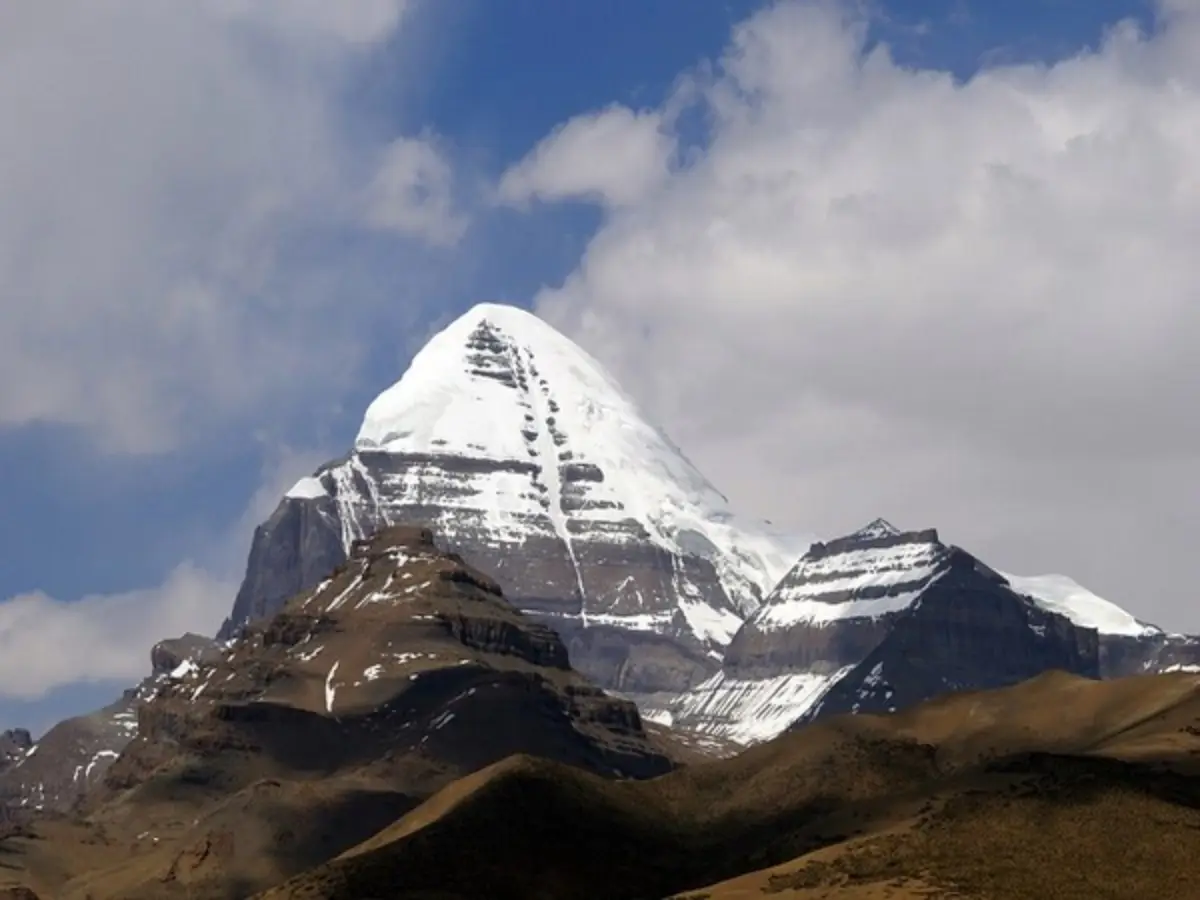)
Nepal flash floods: Kailash Mansarovar yatra affected, close to 400 pilgrims out of contact
)
'If he is dead, they're putting on a pretty good show': Trump casts fresh doubt over Mojtaba Khamenei's fate
)
Man arrested near US Capitol with guillotine in pickup truck: What happened?
&im=FitAndFill=(700,400))
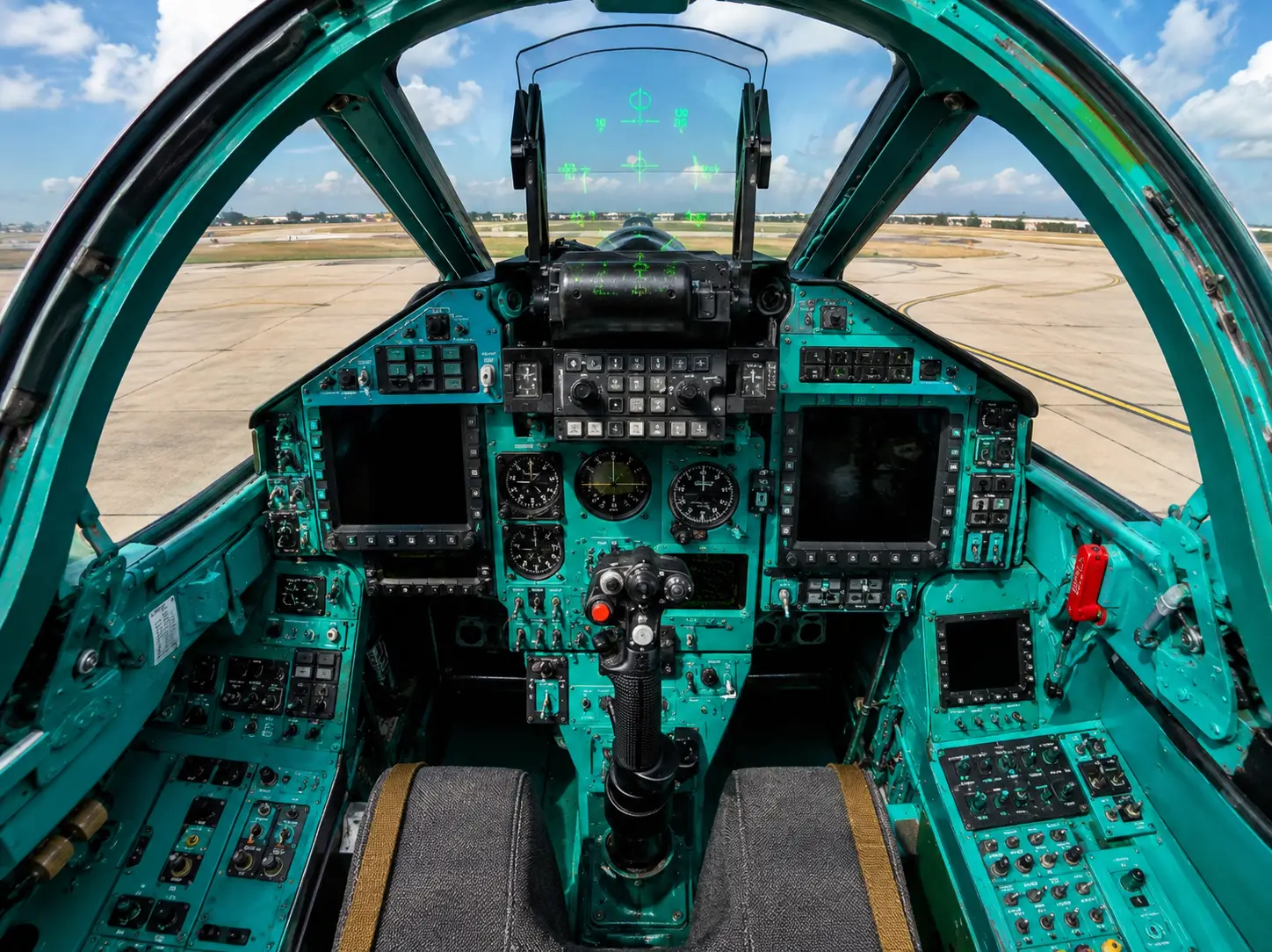
Why the Su-30MKI cockpit is painted bright turquoise green
Also read: NEET UG 2026 result declared, 11.21 lakh candidates qualify; check scorecards at neet.nta.nic.in
India's first integrated hydrogen rail ecosystem
In a post on social media platform X, Prime Minister Narendra Modi highlighted the significance of the project ahead of the launch, saying “India has become one of the select group of nations that have such trains. This will go a long way in ensuring that India adopts clean technology in the railway sector.”
The pilot project also includes hydrogen storage and refuelling infrastructure at Jind, establishing India's first integrated hydrogen rail ecosystem. The initiative will evaluate the technology's viability, safety, and reliability under regular service conditions and inform future expansion plans.
Notably, the hydrogen train of India stands out globally for its scale, as most of the hydrogen train projects in countries like Germany, France, and China are limited to 2-4 coach regional services, whereas India’s version has a full 10-coach passenger train. It provides a seating capacity of around 2,600 passengers. In addition, the train has an operational speed of 75 kmph and a top design speed of 110 kmph.

