Omar Abdullah, Mehbooba Mufti raise concerns over security crackdown after Anantnag terror attack

&imwidth=600&imheight=450&format=webp&quality=medium "Omar Abdullah, Mehbooba Mufti raise concerns over security crackdown after Anantnag terror attack")
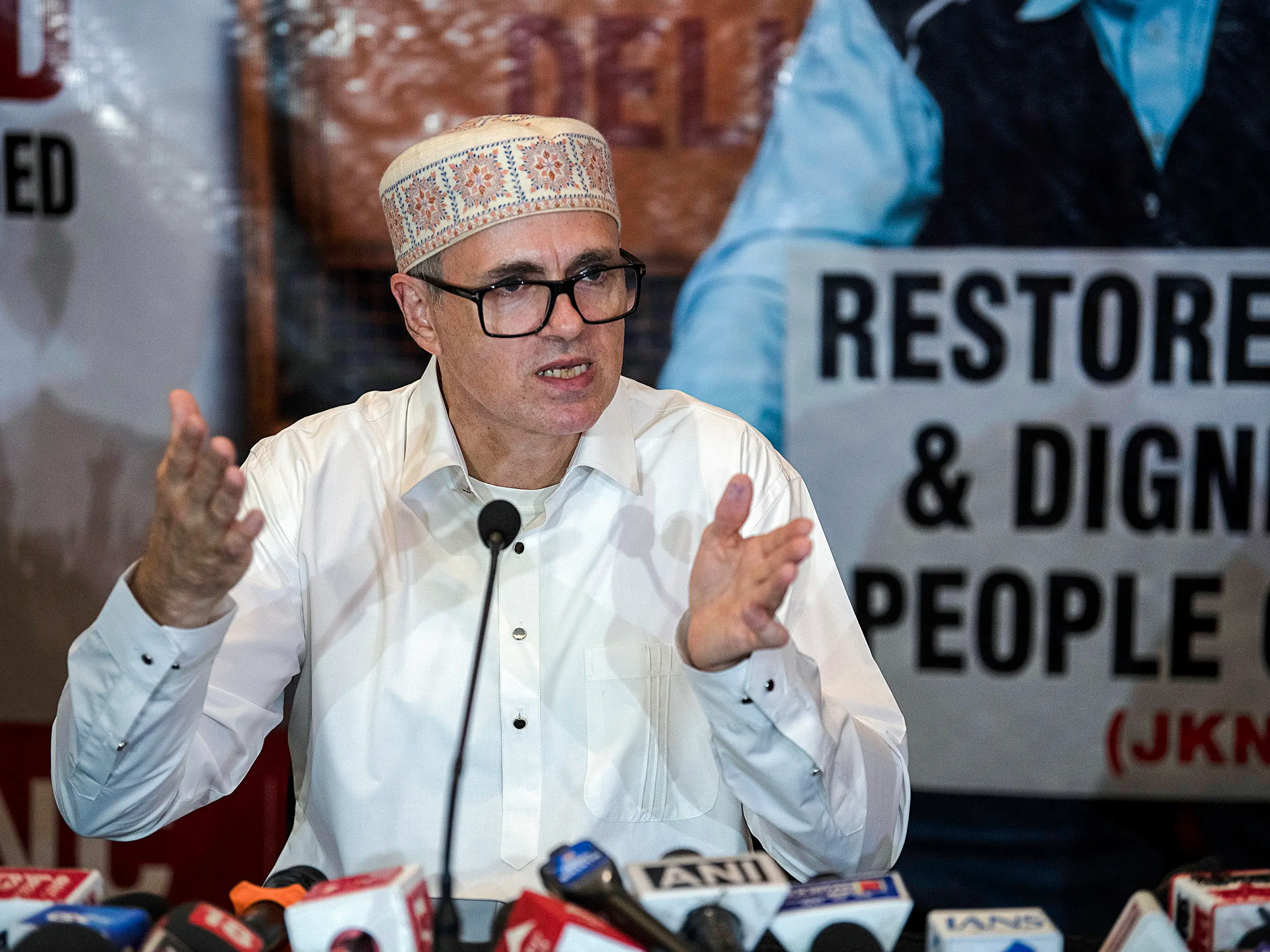
Omar Abdullah warned against indiscriminate arrests and house demolitions in Kashmir
Omar Abdullah warned against indiscriminate arrests and house demolitions in Kashmir following a police officer’s killing, saying such actions could fuel resentment and weaken public support against terrorism. Mehbooba Mufti also criticised the crackdown as collective punishment.
Jammu and Kashmir Chief Minister Omar Abdullah expressed concern over the ongoing security crackdown following the killing of a police officer, cautioning against indiscriminate arrests and demolition of houses, and stressing that public support is crucial in combating terrorism.
Reacting to reports of large-scale detentions and demolition of houses linked to terrorists, Abdullah said that while he understood the anger within the Jammu and Kashmir Police over the killing, actions must remain within the framework of the law.
"I understand the displeasure of the Jammu and Kashmir Police, but the Supreme Court of India has made it clear that such summary action cannot be taken," Abdullah said.
Referring to the aftermath of the Pahalgam terror attack, the Chief Minister recalled that houses had been demolished during the security response and said he had intervened with the Centre to halt the exercise. "We witnessed a similar situation after the Pahalgam attack, when houses were demolished and bulldozed. At that time, I had to speak to the Centre to stop the series of actions because, after the investigation, it became evident that not a single local resident was involved," he said. Abdullah argued that measures such as demolishing homes and detaining large numbers of people would not help restore normalcy and could instead deepen public resentment. "Destroying homes and arresting thousands of people cannot restore normalcy; it only risks worsening the situation," he said.
Trending Stories
)
)
)
)
)
)
)
&im=FitAndFill=(700,400))
&im=FitAndFill=(700,400))
)
)
)
)
)
)
)
)
)
)
)
&im=FitAndFill=(700,400))
)
)
)
)
)
)
)
)
)
)
)
)
)
)
)
)
)
Drawing on his previous tenure as Chief Minister when Jammu and Kashmir was a state, Abdullah said experience had shown that terrorism cannot be defeated without the support of local communities. "We understood from experience that terrorism cannot be defeated without taking the people along. The real end of terrorism will come when local communities stand with us," he said.
He added that following the Pahalgam attack, local residents had strongly condemned terrorism, but warned that reports of indiscriminate detentions could undermine that support. "Today, people are deeply angered by the brutal murder of Ashiq yesterday. But if, alongside that, they hear that thousands have been arrested indiscriminately, it will only create resentment among the very people whose support is essential in the fight against terrorism," Abdullah said.
What Mehbooba Mufti said?
Former Jammu and Kashmir Chief Minister Mehbooba Mufti also criticised the crackdown while condemning the killing of the police officer.
"The killing of a police officer in the line of duty is a heinous and condemnable act. But detaining over a thousand people and demolishing the homes of families of two alleged militants amounts to collective punishment that has no place in a democracy," Mufti said in a statement.
She further said that if the Government of India maintains that militancy has been reduced to "near zero", it should adopt "a more humane and lawful approach towards innocent civilians instead of resorting to tit for tat for an entire community."
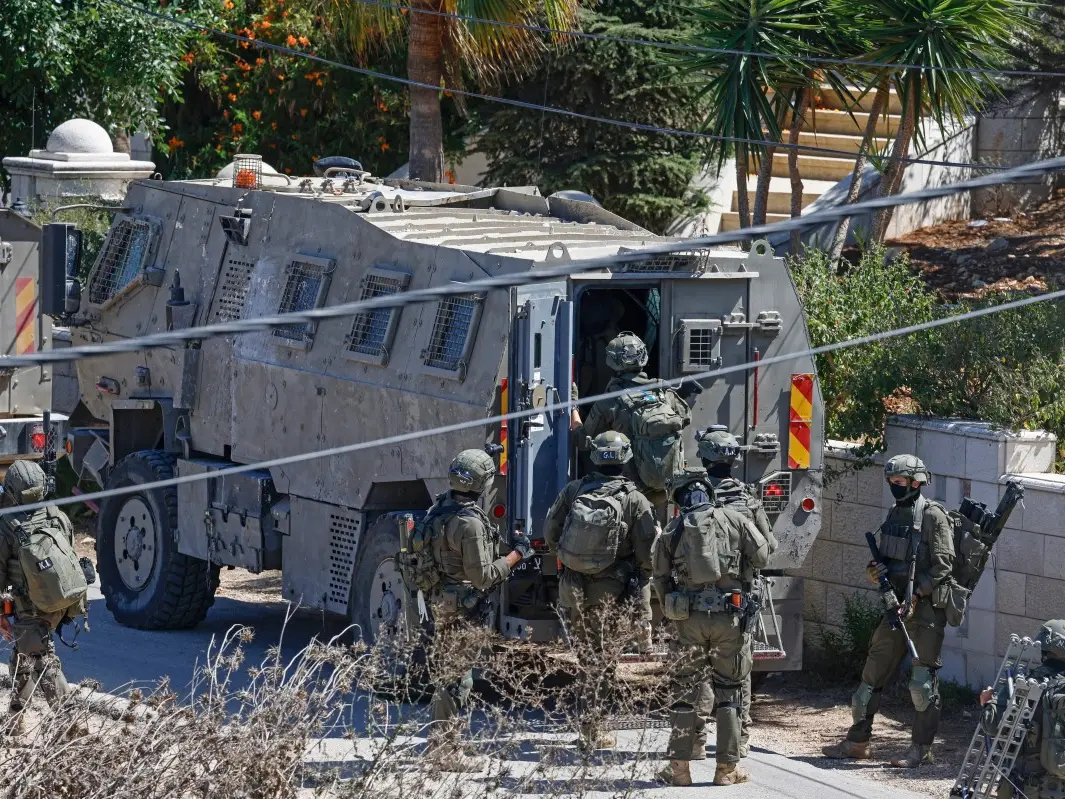
Following the killing of a police constable in the Anantnag terror attack, security forces have intensified counter-terrorism operations across Kashmir, demolishing the houses of two Lashkar-e-Taiba commanders, Haroon Rashid Ganai and Adil Thokar, in separate overnight operations in Bijbehara, Anantnag.
Officials said the demolitions were part of a broader crackdown aimed at dismantling the terror ecosystem, while around 2,800 suspected Over-Ground Workers (OGWs) have also been detained for questioning as security agencies seek leads in the investigation.
According to officials, the operations including intelligence-based searches, cordon-and-search missions and action against alleged terror support networks are intended to exert pressure on active terrorists and disrupt their logistical and financial backing. The latest measures follow a similar security response after the April 22, 2025, Pahalgam terror attack, when several houses linked to terrorists were demolished as part of intensified counter-terrorism efforts.
