No boots allowed: Why India refuses US military bases on its soil despite strategic ties

&imwidth=600&imheight=450&format=webp&quality=medium "No boots allowed: Why India refuses US military bases on its soil despite strategic ties")
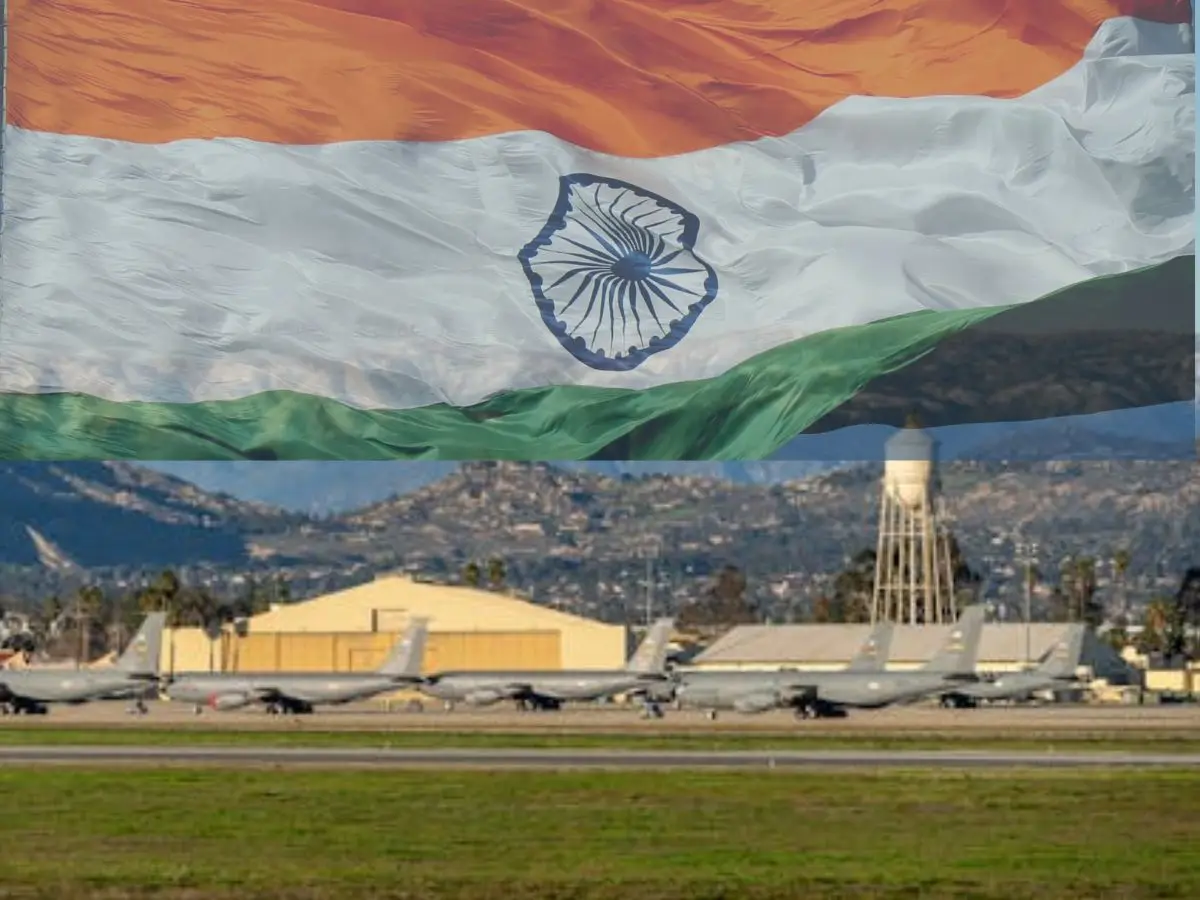
Why the US Has No Military Bases in India Photograph: (Pexels)
With extensive facilities in Diego Garcia, Qatar, Japan, and Singapore, the Pentagon has ample reach across the Indo-Pacific and Indian Ocean regions.
India has repeatedly rejected the establishment of foreign military bases on its soil, including those of the United States of America, despite their growing defence partnership. This position stems from India’s longstanding commitment to strategic autonomy, a doctrine rooted in its post-colonial experience and non-aligned foreign policy. From Nehru to Modi, Indian leaders have maintained a clear stance that sovereignty must not be diluted by the permanent presence of foreign troops, regardless of diplomatic ties or logistical agreements. Unlike other smaller nations that accept US bases for added security, India views such arrangements as incompatible with its military self-sufficiency.
India's military capability
India’s military capabilities, ranging from nuclear deterrence to a large standing army and expanding naval and cyber assets, provide sufficient strategic depth. Instead of hosting foreign bases, India has opted for defence cooperation through limited-access agreements. Deals like LEMOA allow the US to refuel and restock at Indian facilities during joint operations or emergencies, but they do not permit basing rights. This arrangement further enables operational collaboration without compromising sovereignty.
Hosting a US base in the country would also carry regional consequences, including potential friction with China and Russia. Moreover, several historical incidents, from the US Navy’s 7th Fleet sailing toward India in the 1971 liberation war to American opposition to India’s nuclear programme, might have fostered a cautious attitude in New Delhi toward US military intentions.
Risks, Ramifications, and Alternative Pathways
The absence of US bases in India is not merely a reflection of India’s position, but it also suits our current US strategic requirements. With extensive facilities in Diego Garcia, Qatar, Japan, and Singapore, the Pentagon has ample reach across the Indo-Pacific and Indian Ocean regions. From India’s perspective, allowing a base would invite geopolitical liabilities without tangible strategic gains. The recent missile strike on Al Udeid base in Qatar, during the Israel-Iran conflict, highlights the risks of becoming a target by hosting foreign forces. India seeks to avoid being drawn into conflicts unrelated to its national interest.
Trending Stories
&imwidth=280&imheight=210&format=webp&quality=medium)
&imwidth=280&imheight=210&format=webp&quality=medium)
&imwidth=280&imheight=210&format=webp&quality=medium)
&imwidth=280&imheight=210&format=webp&quality=medium)
&imwidth=280&imheight=210&format=webp&quality=medium)
&imwidth=280&imheight=210&format=webp&quality=medium)
&imwidth=280&imheight=210&format=webp&quality=medium)
&imwidth=280&imheight=210&format=webp&quality=medium)
&imwidth=280&imheight=210&format=webp&quality=medium)
&imwidth=280&imheight=210&format=webp&quality=medium)
&im=FitAndFill=(700,400)&imwidth=280&imheight=210&format=webp&quality=medium)
&im=FitAndFill=(700,400)&imwidth=280&imheight=210&format=webp&quality=medium)
&imwidth=280&imheight=210&format=webp&quality=medium)
&imwidth=280&imheight=210&format=webp&quality=medium)
&im=FitAndFill=(700,400)&imwidth=280&imheight=210&format=webp&quality=medium)
&imwidth=280&imheight=210&format=webp&quality=medium)
&imwidth=280&imheight=210&format=webp&quality=medium)
&imwidth=280&imheight=210&format=webp&quality=medium)
&imwidth=280&imheight=210&format=webp&quality=medium)
&imwidth=280&imheight=210&format=webp&quality=medium)
&imwidth=280&imheight=210&format=webp&quality=medium)
&imwidth=280&imheight=210&format=webp&quality=medium)
&imwidth=280&imheight=210&format=webp&quality=medium)
&imwidth=280&imheight=210&format=webp&quality=medium)
&imwidth=280&imheight=210&format=webp&quality=medium)
&imwidth=280&imheight=210&format=webp&quality=medium)
&imwidth=280&imheight=210&format=webp&quality=medium)
&imwidth=280&imheight=210&format=webp&quality=medium)
&imwidth=280&imheight=210&format=webp&quality=medium)
&imwidth=280&imheight=210&format=webp&quality=medium)
&imwidth=280&imheight=210&format=webp&quality=medium)
&imwidth=280&imheight=210&format=webp&quality=medium)
&imwidth=280&imheight=210&format=webp&quality=medium)
Despite having closer ties through QUAD and joint military exercises like Malabar, New Delhi remains cautious. The concerns over potential disruption to long-standing partnerships, especially with Russia and past US policy decisions further strengthen India’s reluctance. In short, India’s refusal to host US military bases is a deliberate, calculated policy choice, and not an oversight or gap in the bilateral relationship.

